Feeds:
Posts
Comments

Archive for the ‘Discussions’ Category

Namaz ve Cocuk

“Kalpler, ancak Allah’ı (c.c.) anmakla huzur bulur” (Rad Suresi, 28)

Namaz’a sadece günde 5 defa “yapılması zorunlu bir ibadetmiş” gibi degil de, Allah’ın bize verdigi bir “randevu”ymuş gibi bakmalıyız diye düşünüyorum. Her namaza durdugumuzda “şükürler olsun. O kadar günah/hatama rağmen, Allah beni bu sefer de huzuruna kabul etti!” diye şükretmemiz gerekir diye düşünmekteyim. Namaza (ve diger ibadetlere) böyle bakıldıgı zaman insanın içi gerçekten de huzurla dolu oluyor. Içi huzur ve (tüm yaratılışa karşı) sevgiyle dolmayanın namazında bir sorun var demektir.


“Allah’ın (c.c) nimetlerini saymaya kalkışsanız, mümkün değil bitiremezsiniz” (Ibrahim Suresi, 34)

Insana verilen en büyük nimet, birçok alimin de söylediği gibi, bence de imandır; sonra (bence) akıl, saglık/gençlik, sevdigimiz insanlar, iffet/namus/haysiyet, hürriyet, yüz güzelliği/boy/pos/karizma/konuşma kabiliyeti, güvenlik/adalet/devlet gelir; ve hepsinden sonra da ‘diğer’ zenginlikler gelir (ev, araba, şan/şöhret, para gibi). Akıllı ve deger bilen bir insan, saydıgım ‘diğer’ zenginliklerden oncekilerin birini bile bütün dünyayı verseler degişmez. O zaman bunun bilincinde yaşamalı insan…

Read Full Post »

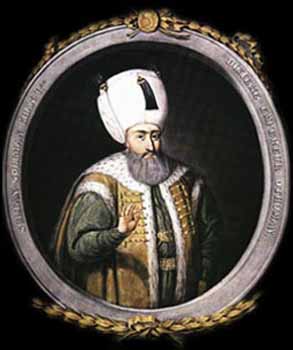
Suleiman 'The Magnificent'

Suleiman ‘The Magnificent’

One day, the famous Ottoman Sultan Suleiman (aka ‘The Magnificent’) was taking a breather in one of the gardens of Topkapi Palace. Whilst observing the trees and contemplating about them (e.g. what a miracle of God they were!), he realised that one of them was surrounded by ants. He did not like the idea of ants feeding on his trees and thought of poisoning them. However he was a wise man and knew never to act in a hurry; thus he would always seek advice from the Sheikh-ul Islam of the time, Ebussuud Efendi. He expressed his intentions with a short poem (get a Turkish friend to read it for you):


Suleiman:

Meyve ağaçlarını sarınca karınca (When ants invade a tree)

Günah var mı karıncayı kırınca? (Is there permission to kill them?)

His advisor Ebussuud Efendi replied with this:

Yarın Hakk’ın divanına varınca (When the time to meet the Lord comes)

Süleyman’dan hakkın alır karınca. (Suleiman will be made to pay)


And the result was Suleiman, the greatest ruler at the time, could not kill the ants due to his fear of God Almighty. Today, some groups kill innocent people in the name Islam – I guess they understand Islam better than the Ottoman rulers and their advisors. Certainly not! They are deluded people being used by dark forces who want to bring chaos in to countries they’re interested in, serving their ultimate aim of stealing their underground resources and treasures.

Also Suleiman once said: I am God’s slave; and Sultan of this World! Ottoman Sultans took enormous pride from being a devout servant of God. We should take them as role models and not the individuals many teenagers look upon as ‘idols’ nowadays.

Click here to learn something new about another Ottoman Sultan…

Read Full Post »

“Ben yerlere ve göklere sığmadım, ancak mü’min kulumun kalbine sığdım.” – Hadis-i kutsi olduğu rivayet edilir

Ey Rabbim!

Ben ancak kalplere sığarım diyorsun, amenna!

Peki benimki de var mı bunların arasında?

Cünkü dolmuş kir ve pasla;

Benim kalbime de sığar mısın acaba?

Ey nankör nefis!

Neyim var ki Rab’dan gayri soruyorum;

Soruyorum, çünkü dolmuş kalbim:

Mal ve şan-şöhret sevgisiyle;

Kalmamış gibi başka yer;

Solmuş vefa çiçeklerim!

Read Full Post »

İnsan ölünce, (arkasında bıraktığı) üç şey hariç ameli kesilir. Bunlar: (i) Sadaka-i cariye, (ii) faydalı ilim ve/ya eser, (iii) dua ve istiğfar eden salih evlat.” – Hadis (Müslim)

Fâniyim, fâni olanı istemem. Âcizim, âciz olanı istemem. Ruhumu Rahman’a teslim eyledim, gayri istemem. İsterim, fakat bir yâr-ı bâki isterim. Zerreyim, fakat bir şems-i sermed isterim. Hiç ender hiçim, fakat bu mevcudatı umumen isterim.” Bediuzzaman Said Nursî (Sözler)


Hayat gayemi soranlara derim ki:

Benim hayatta birkaç gayem var; bunlar da (yapabildigim kadarıyla) Allah’a iyi bir kul, Efendimiz(s.a.v)’e iyi bir ümmet, anne/babama iyi bir evlat, kardeşlerime iyi bir abi, eşime (olursa!) iyi bir eş/koca, ögrencilerime (olursa!) iyi bir hoca/ögretmen/rol model, çocuklarıma (olursa!) iyi bir baba, arkadaşlarıma iyi bir dost olmaktır; ve vatan(lar)ımın da iyi bir ferdi olmaktır

Bunların dışındaki hiçbir şeye de (e.g. mal, mülk, makam, gelecek korkusu) kafamı yormam çünkü Ibrahim Hakkı hazretleri gibi “Mevlam gorelim neyler, neylerse güzel eyler” derim. Bugüne kadar nasıl korudu ve kolladıysa, bundan sonra da öyle korur ve kollar.

Taşıyamayacagımız hiç bir yükü *yüklemez O(c.c.)!

Dua ile…


* Bakınız: Bakara, 286

PS: Hayat kısa; gereksiz/faydasız oyunlara, eğlencelere harcanmayacak kadar kısa! Yapacak iş ve öğrenecek ilim de çok! Bu yüzden bilim-ilim-irfan ehlinin yanına tabir-i caizse “kapak atmaya” calışacagım. Onlar bize bu kısa ömrü nasıl bereketlendirebileceğimizin yollarını göstereceklerdir.

Read Full Post »

Korkmuyor musun?


Hayatını ‘hiҫ’lerin uğruna yasamış olmaktan?


Cocukluğunu bilgisayar başında;

Genҫligini eğlencede;

En verimli ҫağlarını dünya malı peşinde;

Yaşlılığını da hastahanelerde geҫirmiş olmaktan?


Ve bunun bir hesabı olacağından?


Korkmuyor musun?

Read Full Post »

Ben bu gurbet elde;

Anadan ayrı, babadan ayrı;

Elimden tutan olmaz gayrı;

Alem dünya derdine düşmüş;

Görmez olmuş yalnızları, garibanları;

Alem mal derdine düşmüş;

Görmez olmuş yananları;

Anlıyor insan gerçek cananı;

Allah’tan başka, yoktur gayrı!

Yoktur gayrı, yoktur gayrı!

Yoktur gayrı!

Ben bu gurbet elde;

Yardan ayrı, vatandan ayrı;

Elimden tutan olmaz gayrı;

Olmaz gayrı, olmaz gayrı!

Olmaz gayrı!

Uydurduğum bir nakaratla (ve kötü sesimle) şiiri seslendirdim. Herkes kullanabilir (ve yeniden yorumlayabilir)!

Read Full Post »

1- Yaptigimiz isin iyi veya kotu oldugunu nereden anlariz?

“O isi yaparken Allah’a kavusmak (olmek) korkutmuyorsa o is iyidir; hayir, rahatsizlik duyuyorsaniz o is kotudur” (Reca bin Hayve)

2- Seytan namaz kilmayan (alni secdeye inmeyen) bir adama:

“Ben Hz Adem’e bir kerecik secde etmedigim icin cennet’den kovuldum; sen is her gun bes vakit namazin her secdesini terk ediyorsun… Acaba halin ne olacak?”

3- Yuzme bilmeyen cimrinin birisi denize dusmus ve etraftakiler kurtarmak icin “Ver elini” diyorlarmis, ama adam bir turlu vermemis…

Onu iyi taniyanlardan birisi “Al elimi” deyince, adam uzatmis…

4- Kanuni Sultan Suleyman merakindan, zamaninin Islam alimi (her soruya cevap vermesiyle meshur ve ayni zamanda Sut kardesi olan) Yahya efendiye Osmanli’nin sonunun nasil olacagini soran bir mektup yazmis…

Cevap olarakta Yahya efendi “Neme gerek” yazmis; Kanuni bu cevaba sasirmis ve hikmetini bizzat kendisi sormak icin yola koyulmus…

“Kardesim, neden soruma cevap vermedin?” deyince; “Cevap verdim; bir devlette haksizlik ve zulum yayilir, bunu isitip gorenler Neme gerek derlerse, o zaman o neslin yok olmasini bekle”

5- Bir inkarci, Islam alimine 3 soru sorar:
i) Allah varsa bana goster
ii) Her isi Allah yaratiyorsa neden suclu ceza gorur?
iii) Seytan atesten yaratildiysa, cehennem atesi nasil ona etki eder?

Alim yerden bir kerpic parcasi alip onun basina calar… Basi aciyan inkarci solugu hemen mahkemede aliverir ve Hakim alime sorar: Sen bunun basina vurmussun oylemi?

Alim: Bana 3 soru sordu, bende ona cevap verdim
Hakim: Nasil?
Alim: Allah varsa bana goster demisti; basinin agridigini iddia ediyorsa gostersin… Iki, herseyi Allah yaratiyorsa ben neden suclu olayim? Uc, Topraktan olusan kendisine (yine topraktan olan) kerpic nasil etki ediyor?

Sonuc: Beraat

Read Full Post »

Our eyes have been blurred with distractions
Our eyes have become blurred with distractions. We lost touch with the realities of this life.
Note: Scroll down for the English version of this post

Hayatın anlamını araştıran/sorgulayanların çoğu zaman, dinleri ve Allah’ı tamamen yalanlayanlardan olmasını anlamıyorum; gerçekten anlamıyorum!

Soylemeliyim ki hiçbir zaman bulamayacaksınız; egonuzu (nefsinizi) yenip/dizginleyip, Hakk’ın (c.c.) önünde eğilmediginiz surece! Biraz sert bir cevap gibi gelebilir ama gerçek bu. Samimiyetle O(c.c.)’nu bulmak istersek, ben Allah’ın bize ‘doğru yol’u gosterecegine inanıyorum. Buna siz de inanın!

Shakespeare, Tolstoy, Dostoyevsky, Dickens, Orwell’i okumak/anlamak için harcadıgımız zamanın onda birini Allah’ı (şimdilik varlıgına inanın ya da inanmayın) tanımaya/anlamaya harcasak da ondan sonra kararımızı versek.

Bir köpek dahi sahibini tanıyorsa, insan kendisini yaratandan geleni hayli hayli tanır. Kendi tecrübemden konuşuyorum. Kuran’a bakın; ve size (herkesinki farklı) tesir edecek öyle ayetler karşınıza çıkacak ki “işte bu kitap beni Yaratan’dan gelmiş!” dedirtecek!


Ek: İşe nasıl bir mucize ve ne kadar önemli birisi oldugunu tefekkür ederek başlayabilirsin. Ben de (beni etkileyen) bir örnekle yardımcı olmaya çalışayım: Mesela senin gibi bir insan dünya tarihinde olmadı; olmayacak! Eşsiz bir insansın! Allah seni (evet sadece seni!) yaratmak için annenle babanı tanıştırdı ve kalplerini birbirlerine ısıttı. Annenin 300 küsür yumurtasının arasında, babanın da milyarlarca spermi arasında seni yaratacak kombinasyonu seçti. Aynı şey, anne-baban ve dede-ninelerin için de gecerli… Onların anne-babası için de… Onlardan önceki nesiller içinde… Bu halkada bir tane eksik veya degişim olsaydı, sen olmayacaktın!

Ek 2: Arzu ederseniz ‘Evrim teorisi‘ (ingilizce) ve ‘hayat gayem‘le ilgili yazdıgım eski yazılarıma da göz gezdirebilirsiniz…

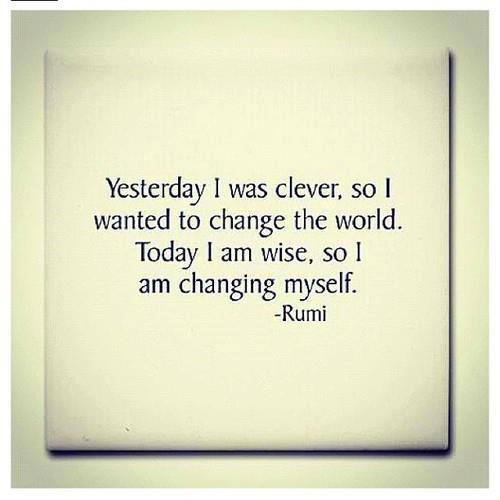
rumi_mevlana

People who’ve asked me “what is the meaning of life?” had one thing in common: Outright denial of all religions and (any idea of a) God

This is what I can’t understand; I really can’t!

Most of the time, any answer I gave would be thrown back at me with distaste. Sorry but – as a friend whose willing to help you – I’ll tell you what I believe and try backing them up with as much evidence (which convinces me) as possible, but it is up to you to be convinced or not. I don’t have the power to tune anybody’s heart or mind…

For me: Without religion, there’s no* meaning to life! Otherwise life just becomes: “You live because you were born; you had no choice!”

“Life was just an accident and your sperm happens to be the (un)lucky one out of the zillions that your father produced – also the same applies to your father; and his father… You just have to put up with it.”

Having no sense of meaning in life is why many people who have no belief in God and the afterlife commit suicide or waste their life (e.g. drugs, night life, gambling, games); and the one’s who don’t, live in constant fear of death – especially when they get older…

There can only be one “true” religion in the world – others will have no, some or a lot of truth in it but can’t be the “true religion”; and everybody has to make it their primary aim to find it! We spend hours reading Orwell, Shakespeare, Tolstoy, Dostoevsky’s works (rightly so! they can teach us a lot) but rarely do we look at the books which have (trying to word it as an objective person) “supposedly” been sent to us by God himself. Why aren’t we curious about them? How many of them have we read?

The true religion has to answer all reasonable philosophical questions which come to mind, whilst not contradicting scientific and historical facts… Also this doesn’t mean that we must “like” the answers that are given. Truth almost always hurts.

I believe I’ve found it and it has stood the test of time, however what convinces me may not convince you/others. Therefore everyone’s on their own conquest to find the truth and the true religion – the thing that will give our lives a meaning.

Please see my post God of Science for a few arguments on the existence of God (and the wrong belief that current scientific knowledge in genetics is incompatible with God). Happy to discuss any points…

*Read Albert Camus and other ‘existentialist’ philosophers (e.g. Sartre, Nietzsche) if you don’t believe me – they were atheists and believed that life had no meaning, so try(!) enjoying it while lasts…

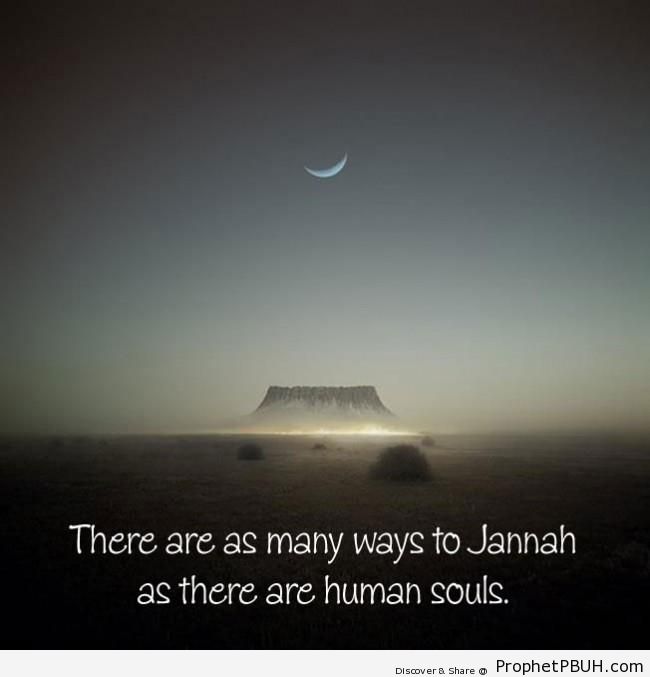
Rumi-Quote-Ways-to-Jannah
There are as many ways to Paradise as there are human souls – Rumi

PS: There is a school of thought which believes that we’re made up of life, soul and body. Thus as long as we’re alive, the soul is tied to the body (via life). This can explain why we become unconscious (and ‘blackout’) when we faint. However when we die, we will not be unconscious as the ‘tie’ that is life (as we understand it) does not exist anymore. Thus the soul is free to travel (and get rid of the shackles/limitations of the body) and meet the Creator. Please read around the idea if interested. Happy to discuss…

PPS: I respect everyone’s beliefs – and lack of it. It is their own life choice at the end of the day! However it would selfish of me not to share/propagate something that I believe is to be true (i.e. belief in the existence of an omniscient and omnipotent God).

Read Full Post »

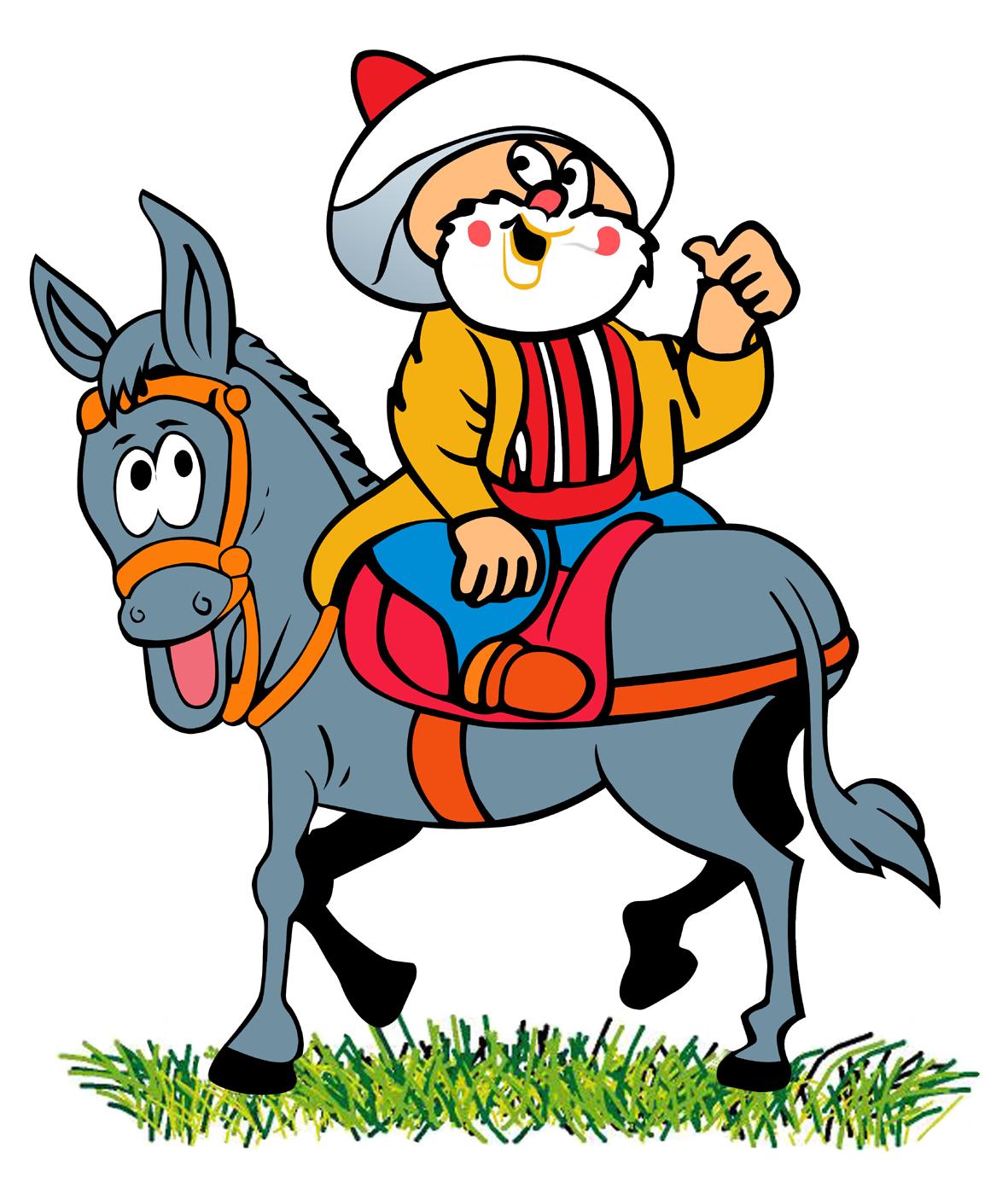
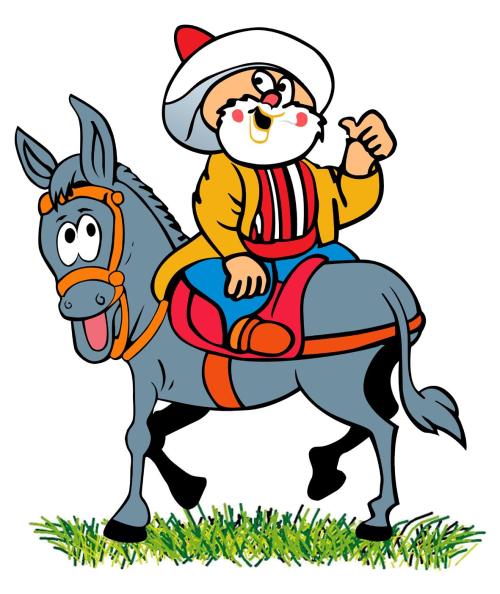
Nasreddin Hodja's Famous Caricature - Sitting backwards on his Donkey

Nasreddin Hodja’s Famous Caricature – Sitting backwards on his Donkey, telling the people who questioned why this was the case: “I do not want to be seen as a person who’s following the same path as a donkey”

Nasreddin Hoca (read Hodja, which means ‘scholar’ or ‘teacher’ in Turkish) is a popular historical (13th century) figure and an imam known for his wit, wisdom and courage. By means of humour, he wanted to bring the vices that were widespread in the community (e.g. backbiting/slander, stealing, corruption) to the attention of the people  -which he was very successful in doing. Therefore many of his quotes/experiences were passed down the ages. However, as time passed, many stories which fit the characteristics mentioned above, whether it belongs to him or not, were associated with him. Click for a selection of his stories in English: (i) Tales of the Turkish Trickster* (ii) Other stories attributed to him. Click for Wikipedia page.


* I disagree with the word ‘trickster’ in title but the website itself is very good…


PS: We need more of his kind today… Especially in the ‘Muslim’ world!


A peek at some of his stories that I translated:

The cauldron that died

Nasreddin Hodja, needing a large pot to cook a stew, borrowed his neighbor’s copper cauldron (a large pot), then returned it in a timely manner the next day.

What is this?” asked his neighbor upon, examining the returned cauldron. “There is a small pot inside my cauldron.

Oh!” responded the Hodja. “I forgot to tell you. While the cauldron was in my care, it gave birth to a little one. Because you’re the owner of the mother cauldron, it is only right that you should keep its baby. And in any event, it would not be right to separate the child from its mother at such a young age.

The neighbor, thinking that the Hodja had gone quite mad, did not argue. The neighbor had a nice little pot and he was happy with the outcome.

Some time later the Hodja asked to borrow the cauldron again.

Why not?Perhaps there will be another little pot inside when he returns it.” thought the neighbour to himself.

But this time the Hodja did not return the cauldron. After many days had passed, the neighbor went to the Hodja and asked for the return of the borrowed cauldron.

My dear friend!” replied the Hodja. “I forgot to tell you but I have bad news. Your cauldron has died.”

What are you saying?” shouted the neighbor. “A cauldron does not live, and it cannot die. Return it to me at once!

“I’m sorry!” answered the Hodja. “But this is the same cauldron that gave birth to a child, a child that is still in your possession. If a cauldron can give birth, then it also can die.”

And the neighbor had no answer to this. He never again saw his cauldron again 🙂


Moral of the story: There are many things that we can take from this story but the main one is that we shouldn’t lie our way into tricking others for our personal gain as it can come back to haunt us.


Eat, my coat, Eat!

The Hodja was invited to a banquet. Not wanting to be pretentious, he wore his everyday clothes – only to discover that everyone ignored him, including the host. So he went back home and put on his fanciest coat, and then returned. Now he was greeted cordially by everyone and invited to sit down and eat and drink.

When the soup was served to him he dunked the sleeve of his stylish coat into the bowl and said, “Eat, my coat, eat!

The startled host asked the Hodja to explain his strange behavior.

When I arrived here wearing my other clothes,” explained the Hodja, “no one offered me anything to eat or drink. But when I returned wearing this fine coat, I was immediately offered the best of everything, so I can only assume that it was the coat and not myself who was invited to your banquet.”


Moral of the story: He powerfully presents that it’s the person that should be valued and not the fancy things that one owns.


Walnuts and Pumpkins

Nasreddin Hodja was lying in the shade of a walnut tree. His body was at rest, but, befitting his calling as an imam and scholar, his mind did not relax. He started contemplating; looking up into the mighty tree, he considered the greatness and wisdom of Allah/God.

Allah is great and is most wise” said the Hodja, “but was it indeed wise that such a great tree as this be created to bear only tiny walnuts as fruit? Behold the stout stem and strong limbs! They could easily carry the pumpkins that grow from spindly vines in the fields, vines that cannot bear the weight of their own fruit. Should not walnuts grow on weakly vines and pumpkins on sturdy trees?
After a while the Hodja dozed off, only to be awakened by a walnut that fell from the tree, striking him on his forehead.

Allah be praised!” he exclaimed, seeing what had happened. “If the world had been created according to my meager wisdom, it would have been a pumpkin that fell from the tree and hit me on the head. It would have killed me for sure! Allah is great! Allah is most wise!


Moral of the story: We shouldn’t question the wisdom of God/Allah – or things/phenomenon that we cannot fully grasp.


The battle of wits

In old times wise men would travel around the country, extensively searching for facts or ideas to support their newly-formed theories. Three such men one day arrived in Aksehir, and calling on the governor, asked him to summon the most learned man of the district to be present at the market place the next day – so that they would see whether they could profit from his wisdom. As the most wise man of Aksehir, Nasreddin Hodja was duly informed and the next day he was there and ready for, what proved to be, a battle of wits. Quite a crowd had gathered for the occasion.

Before holding discussions with him, they wanted to test his wit. One of the wise men stepped forward and asked the following question to Hodja:
Could you tell us the exact location of the centre of the world?
Yes, I can,” replied the Hoca. “It is just under the left hind leg of my donkey.
Well, maybe! But do you have any proof?
If you doubt my word, you are welcome to measure and see.

There was nothing more to be said, so the first wise man withdrew.

Let me ask you this,” said the second learned man, stepping forward.
Can you tell us how many stars there are in the heavens?
As many as the hairs on my donkey’s back,” was the ready reply.
What proof have you in support of this statement?
If you doubt my word, you are welcome to count them all and find out.
Come now, Hodja!” said the second learned man. “How can anyone count the hairs on your donkey’s back?
Well, when it comes to that, how can anyone count the stars in the skies?
This silenced the second wise man, upon whose withdrawal the third one stepped forward.

Since you seem so well acquainted with your donkey,” said the third man sarcastically.
Can you tell us how many hairs there are on the tail of the beast?
Certainly,” replied the Hoca, “as many as the hairs in your beard.”
And how can you prove that?
Very easily, if you have no objection. I will pull one hair from your beard, and you will pull one out of my donkey’s tail. If both do not finish at the same time, then I will admit that I have been mistaken.”
Needless to say the third wise man had no desire to try the experiment, they realised the greatness of Hodja.


Moral of the story: As we say in Turkey, “akıl akıldan üstündür” which means (with a lot lost in translation): Two heads are better than one. There’s always someone out there whose wisdom is useful. We should always search for them to make better decisions.

Read Full Post »

Websites which should be checked every now and then…

For Everyone…

Coursera Online Courses:

https://www.coursera.org/#courses

Stanford University Online Courses:

https://class.stanford.edu/courses/

TED Talks:

http://www.ted.com/talks

Busuu Language Courses:

http://www.busuu.com/enc/

NOS (Network of Students) Events:

http://www.networkofstudents.org/events.html

LCSS (London Centre for Social Studies) Events:

http://www.socialstudies.org.uk/events

ABTA (Association of British Turkish Academics) Events:

http://abtanet.org.uk/Events/

Dialogue Society Events:

http://www.dialoguesociety.org/

Turkish Review Magazine:

http://www.turkishreview.org/

British Museum Events:

http://www.britishmuseum.org/

Science Magazine ‘How To’ Series:

http://sciencecareers.sciencemag.org/tools_tips/how_to_series

The National Archives – Education

http://www.nationalarchives.gov.uk/education/default.htm

BBC Languages – Turkish:

http://www.bbc.co.uk/languages/other/turkish/guide/

LTR (London Turkish Radio):

http://www.londonturkishradio.co.uk/


For the Bristol (UK) based…

‘What’s On’ by University of Bristol:

http://bristol.ac.uk/events/

UBU (University of Bristol Students Union) Events:

http://www.ubu.org.uk/events/

BoB (Best of Bristol) Lectures:

http://www.boblectures.org.uk/

University of Bristol – Botanic Garden Events:

http://www.bristol.ac.uk/botanic-garden/events/

UWE Lecture Series:

http://info.uwe.ac.uk/events/eventlisting.aspx?categoryID=78

Read Full Post »

« Newer Posts - Older Posts »