Feeds:
Posts
Comments

Archive for the ‘English’ Category

Autozplotter_mesut_erzurumluoglu

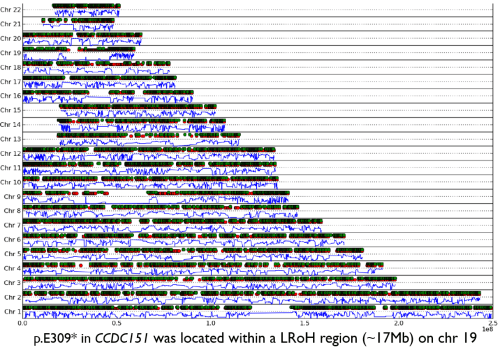
An example output from AutoZplotter using whole-exome sequencing data – used to identify the Primary ciliary dyskinesia causal gene, CCDC151, in Alsaadi and Erzurumluoglu et al, 2014 (read this paper’s story here). The green and red dots correspond to heterozygous and homozygous calls (for the alternative allele), respectively. The continuous blue lines correspond to the probability that the observed sequence of genotypes is not autozygous (e.g. close to zero means likely to be an autozygous region). LRoH: Long runs of homozygosity. NB: This image has been edited to ensure confidentiality/anonymity of the participant. Some LRoHs have been shortened or extended for this reason. If you’re thinking of using an AutoZplotter image in a paper, do not share genome-wide figures but maybe consider using chromosome-wide ones

When analysing whole-exome or whole-genome sequencing (or dense SNP chip) data obtained from consanguineous individuals with a rare Mendelian disease, the disease causal mutation usually lies within an autozygous region (characterised by long runs of homozygosity, LRoH, which are generally >5Mb). Thus checking whether any candidate genes overlap with an LRoH can substantially narrow region(s) of interest. There are several tools which can identify LRoHs such as Plink, AutoSNPa and AgilentVariantMapper. However, they all require their own formats and considerable computational knowledge; and also struggle to identify regions that are shorter than 5Mb. Thus, we wrote AutoZplotter, a user-friendly python script which plots the heterozygosity/homozygosity status of variants in a VCF file to allow for quick visualisation and manual identification of regions that have longer stretches of homozygosity than would be expected by chance.

VCF_format_v4

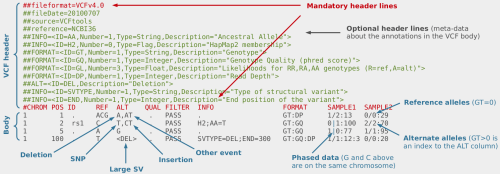
AutoZplotter accepts the VCF format – which is the standard format for storing genetic variation data from NGS platforms. Image Source URL: bioinf.comav.upv.es

The input format of AutoZplotter is VCF, thus it will be suitable for any type of genetic data (e.g. SNP array, WES, WGS) and from any species.

An older version of AutoZplotter was used in the analysis stage of Alsaadi et al (2012) and Alsaadi and Erzurumluoglu et al (2014).

To download latest version of AutoZplotter, click here (directs to ResearchGate). If you found AutoZplotter helpful in anyway, please cite Erzurumluoglu AM et al, 2015.


References:

Erzurumluoglu AM et al, 2015. Identifying Highly Penetrant Disease Causal Mutations Using Next Generation Sequencing: Guide to Whole Process. BioMed Research International. Volume 2015 (2015), Article ID 923491

Alsaadi MM and Erzurumluoglu AM et al, 2014. Nonsense Mutation in Coiled-Coil Domain Containing 151 Gene (CCDC151) Causes Primary Ciliary Dyskinesia. Human Mutation. Volume 35, Issue 12. Pages 1446–1448

Erzurumluoglu AM et al, 2016. Importance of Genetic Studies in Consanguineous Populations for the Characterization of Novel Human Gene Functions. Volume 80, Issue 3. Pages 187–196

Erzurumluoglu AM, 2015. Population and family based studies of Consanguinity: Genetic and Computational approaches. PhD Thesis. University of Bristol

Read Full Post »

AKP_KHK_academic_ffa_report_1_june_2017
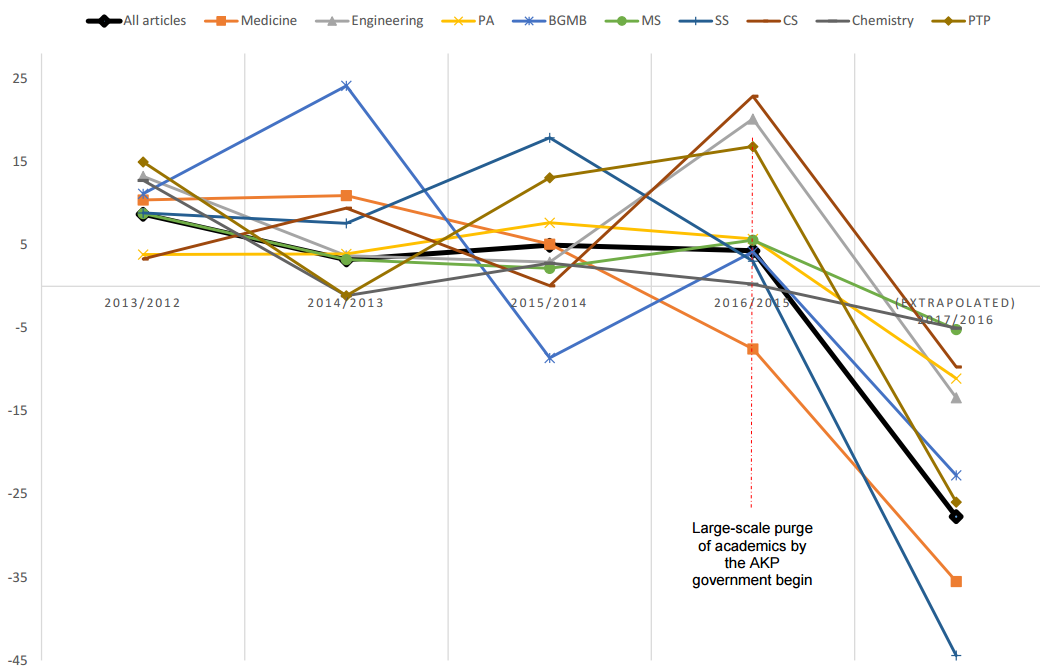
Research outputs of Turkey-based academics in relation to the previous year. Image from Freedom for Academia website

Freedom for Academia, a group consisting of “British and Turkish academics/researchers who are willing to lend a helping hand to our colleagues and bring these injustices to the attention of the public and academic circles”, has just published a report on the effects of the AKP government’s purges on the research output of Turkey-based academics, titled: The short-term effects of the large-scale purges carried out by the AKP government on the research output of Turkey-based academics  (click to see full article on a new page).

Firstly, as a Turkish citizen living in the UK (also a proud British citizen), I am heartbroken, disappointed and terrified, all at the same time, with what is going on in Turkey at the moment. Within the last 10 months or so, thousands of academics – as well as tens of thousands of other civil servants – have lost their jobs due to decrees issued by the Turkish government. None of them have been told how they are linked to the “15th July 2016 coup attempt” and what their crime (by international standards) was.

These large-scale sackings have undoubtedly had an impact on the state of Turkey-based research and academia. The report tries to quantify the relative decreases in the research output of Turkey-based academics in different academic fields, and speculates on the causal factors. They find, on average, a ~30% decrease in the research output of Turkey-based academics in 2017 – likely to be an underestimate because of the extrapolation method used (i.e. if there is a downward trajectory in the research outputs of Turkey-based academics – which there clearly is – then multiplying the cumulative figure on the 31st May 2017 by two is going to overestimate the 2017 figures).

Finally, I agree with the conclusions that the sharp decrease in the research outputs of Turkey-based academics in relation to the 2016 figures is likely to be due to a combination of factors, especially psychological stresses endured by academics; and not just due to the absolute number of the purged academics, as outlined in the discussion section of the report.

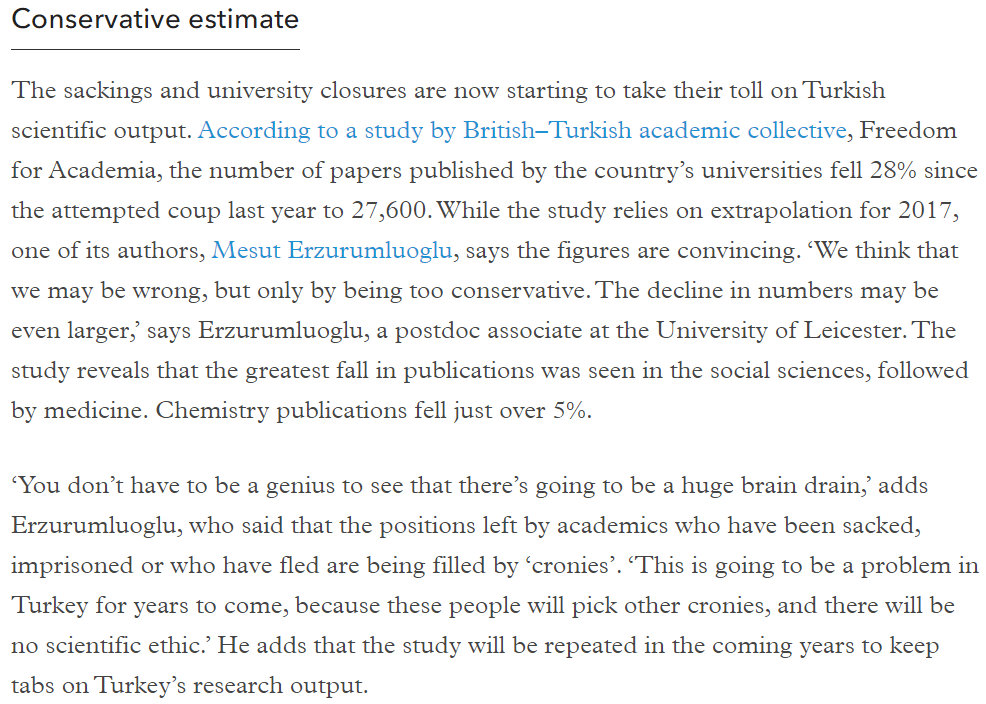
Addition to post (04/08/17): I gave an interview to Santiago Saez of Chemistry World and shared my views on the struggles academics in Turkey face: Turkish crackdown takes toll on academic output. You can also read my views on the mass-scale purges in my Blame anyone but the government post.

PS: Myself and Dr Firat Batmaz from Loughborough University were invited by Dr. Ismail Sezgin to give two interviews (one in English and one in Turkish) on this report and share our thoughts on the state of Turkey-based academia. You can view these below:

I gave an interview to Santiago Moreno of Chemistry World regarding this report (Source: Turkish crackdown takes toll on academic output. Aug 2017. Chemistry World)

Addition to blog (08/08/2019) – a crude analysis for 2018:

Read Full Post »

This is a response* to the News Feature “The Turkish paradox: Can scientists thrive in a state of emergency?” (Nature 542, 286-288; 2017), which appeared in the scientific journal Nature.

First, I thank Alison Abbott (the author of the article)** for bringing the problems of Turkey and Turkish scientists to the fore. However, I have found some parts of this article to be factually insufficient. As a Turkish scientist working abroad, I contend that the country’s government is using its former political ally, the Gülen movement, as a scapegoat to cover up their own injustices and incompetence, and remain unaccountable.

It is obvious that this is a well-intentioned piece and the issue was covered due to concern for science and the safety of scientists in Turkey. But, some of the statements in the article require either a reference and/or that they state whose opinions they are. Just one example:

TÜBİTAK had been deeply infiltrated by the religious organization known as the Gülen movement, which is believed to have orchestrated the coup attempt. Over the past few decades, these followers of exiled preacher Fethullah Gülen had established themselves in Turkey’s military, judiciary and government offices, as well as in universities.

For me, the use of “infiltrating” and “believed to have orchestrated the coup attempt” are unfortunate. From what I’ve seen, the accused are ordinary Turkish citizens who happen variously to sympathise with none, little, some or most of Gülen’s teachings and – whatever you think of Gülen – have every right to work in any workplace in Turkey. Also “believed” means (at least should mean) nothing in the eyes of the law without concrete evidence.

There are other statements which I do not even want to get into:

Scientists generally agree that removing Gülenists from the system was necessary, and not just because of the coup attempt. ”

Which scientists agree with this? How do you determine that someone is a “Gülenist”? Is sympathising with some of Gülen’s teaching/ideas a crime?

So, the main question here is: where/whom/what is the reliable sources for this article? The individuals who stated these views do not have any additional information other than what they are being exposed to on pro-government media outlets and unfortunately have acted as a mouthpiece for the government’s propaganda. Over eight months has passed since the “15 July coup attempt” (intentionally put in inverted commas, as what happened that day was too strange an event to be called an ordinary “coup attempt”), and sceptics like me are still waiting for an independent investigation*** into what went on that day and whom was really to blame. Consequently, we are also waiting for concrete evidence linking Gülen, and more importantly, the tens of thousands of people (including thousands of academics, journalists and judges; see http://turkeypurge.com/ for comprehensive figures) whom the government have unconstitutionally sacked and/or jailed, to the “coup attempt”. Additionally, Gülen has repeatedly denied the accusations and – whatever you think of Gülen and/or his followers – the burden of proof is on the accusers (i.e. the Turkish government and the President).

I’d like to bring some context to the story: the Gülen movement has/had millions of followers in Turkey (and in over 160 countries around the world) and is well-known to have an emphasis on education, inter-faith tolerance and dialogue. Before our President (Erdogan) started closing schools, ordering the burning of books and purging/jailing academics whom he labelled as Gülen-“FETÖ”-related (anyone who does not fully support him will be included under this term; it’s only a matter of time!), almost everyone (and I mean everyone; many seculars and the religious) in Turkey wanted their children to attend their schools as they were well-known for bringing the best out of them – academically and ethic/morally. It is then a statistical inevitability that these people will be over-represented in most settings. They did not ‘infiltrate’, but rather deserved to be where they were. Also for the same reasons, almost everyone in Turkey is at least vaguely associated with the Gülen movement (e.g. via a friend, colleague, child’s attendance to a “Gülen-inspired” tuition centre); sometimes without knowing, as many Gulen-inspired people did not declare it publicly. Therefore it is possible to indict/imprison anyone, including President Erdogan himself, if being associated with the movement was a crime. And that is exactly what the government is doing, except that this criteria is only being used against anyone who is a non-loyalist and with a bit of influence; hence the numbers, reaching almost a hundred thousand imprisoned and/or dismissed from their posts.

Needless to say, if some of them have committed crimes for the benefit of Gülen, themselves and/or the movement, (after due process) it should be those individuals who pay the price and not the whole group. However, so far it seems like President Erdogan is not interested in finding criminals, but rather acting in a revanchist manner and destroying anyone who poses a threat to his one-man rule – starting first with the big fish; and choosing the Gülen movement as a scapegoat for the coup attempt was a masterstroke, as many groups in Turkey will find it believable. If Gülen orchestrated this coup attempt, he would have betrayed everything he ever stood for for the last five decades or so and, more importantly, his followers who didn’t know anything about a coup attempt and definitely would not support such an abhorrent event – in fact there is clear evidence that this was the case as even soldiers/generals who were dismissed/imprisoned as “Gülenists” had not taken part in the coup attempt. These just didn’t make sense, and were the main reasons why I chose to wait for an independent investigation to learn the full story (which has not happened, causing me to think that the government are intentionally hiding the truth) – before I can denounce him. Still waiting…

Finally, unfortunately, many academics in Turkey (especially the silence of secular academics was disappointing to say the least!) have stood quite when innocent people/academics/journalists/lawyers/teachers were being jailed/sacked for laughable charges (e.g. for downloading an app called “Bylock”; having an account in a legal bank called “Bank Asya”, owned by a “Gülen-inspired” group; contributing to charities such as “Kimse Yok mu?” which are led mostly by “Gülen-inspired” people). Now it is their turn unfortunately and no one is left to defend them or let their voices be heard in Turkey – as “Gülen-inspired” media (e.g. Zaman, Samanyolu TV****, Bugün), before they were all closed down, had great influence and allowed representatives of different ideologies/political parties to voice their opinions in their channels/newspapers/journals.


Addition to post (25/03/17): Over the last week or so, there were important statements made by: (i) the chief of the BND (German national intelligence agency) Bruno Kahl and (ii) the chair of the (US) House Intel committee Devin Nunes, essentially proclaiming that there was no concrete evidence linking Gülen and/or the Gülen movement to the “coup attempt”. These were then followed by a comprehensive report by the (UK) Foreign Affairs Committee, making similar points. These are significant statements contradicting the Turkish government’s rhetoric, thus the best way to clear themselves of any accusations (e.g. of faking a coup and making the most of it to silence opposition) is to allow an independent organisation to carry out an investigation into what happened on the 15th of July and the preceding days.


*This piece is a longer version of the (~200 word) Correspondence I have sent to the editors – which they have gracefully accepted (titled: Listen to the accused Turkish scientists). For an enhanced pdf version of the article, click here.

**I also thank Celeste Biever (Chief news editor at Nature) for giving me the opportunity to write and publish a response

***To make matters even more suspicious for sceptics like me, a shambolic/tragicomical investigation was carried out by the “15 Temmuz Darbe Girişimini Araştırma Komisyonu” (a committee comprising of 15 Turkish MPs; 9 from AKP, 4 from CHP, 1 from MHP and 1 from HDP), which concluded without quizzing any of: (i) the Chief of the General Staff, Hulusi Akar, (ii) Director of Turkish Intelligence, Hakan Fidan, (iii) Zekai Aksakallı, the general who allegedly stopped the coup plotters (iv) the Prime Minister, Binali Yildırım, (v) the President, Recep Tayyip Erdogan – although, at least the former three, should have been the first ones to be interrogated.

****I have not even watched Samanyolu TV (or Samanyolu Haber TV, their news channel) once since ~2014 but I know, although there was clear bias for people with similar beliefs to them (i.e. religious, moderate, and sympathises with Gülen’s teaching), people from most ‘sides’ – if not all – were being welcomed on their shows. Zaman (newspaper) and Bugün TV were different though: They really did have people of all beliefs/political parties/ethnicities feature frequently on their columns/shows/programmes.


PS: I declare that I do not have any financial conflicts of interest. I also do not contribute to or attend any Gülen-related activities since 2016. I wrote to Nature as I thought it was my intellectual responsibility to provide my views on the matter. I saw that the Turkish government were getting away with murder by using the “FETÖ” card on everything and anything – and many people were buying into it because they were a very convenient scapegoat.

References:

Abbott A. 2017. The Turkish paradox: Can scientists thrive in a state of emergency? Nature. URL: https://www.nature.com/news/the-turkish-paradox-can-scientists-thrive-in-a-state-of-emergency-1.21475

Erzurumluoglu AM. 2017. Politics: Listen to accused Turkish scientists. Nature. URL: https://www.nature.com/articles/543491c

Read Full Post »
bileve_qt_paper_3_lung_function_traits_concentric_circos

Breathtaking genes: A ‘Circos’ plot depicting how chronic obstructive pulmonary disease (COPD) has become a global concern – the 3rd biggest killer, defined by poor lung function. Our work shows that many parts of our DNA play a role in our lung health. Peaks in red are newly discovered regions, and the blue ones were previously identified by other groups. Millions of genetic variants from tens of thousands of individuals were analysed in this study. The identified genes will help us understand why some of us have better lung function, and lead to the identification of drug targets of potential relevance to COPD.

A press release was issued by the University of Leicester Press Office on 6 February 2017 about a study that I was also heavily involved in (please click on links below for details):

Breakthrough advance offers the potential to defuse a ‘ticking timebomb’ for serious lung disease, including for over 1 billion smokers worldwide (source: World lung health study allows scientists to predict your chance of developing deadly disease — University of Leicester)”

COPD_smoking_nat_genet_lung_function_gwas_wain

The study has received a lot of attention from the media, with articles appearing in large media outlets such as BBC News, The Independent and MSN News. If you’re interested in the details, please read the paper published in Nature Genetics.

If interested in reading about the area of Genetic Epidemiology itself, please have a look at my (previously published) blog post about the matter: Searching for “Breath taking” genes. Literally!

Details on Circos plot* (above): FEV1: Forced expiratory lung volume in 1 second; FVC: Forced lung volume capacity; FEV1/FVC: the ratio of the two measurements. Labels in the outer circle show the name of the nearest gene to the newly identified (red) variants. X-axis: Genomic position of variant in genome (chromosome number in the outer circle), Y-axis: Statistical significance of variant in this study (higher the peak the greater the significance).

*The figure is a more artistic version of Figure 1 (Manhattan plot) in the above mentioned academic paper. It did not make it into the final manuscript published in Nature Genetics (6th Feb 2017) as it was found to be “confusing” by one of the reviewers – and the editor agreed. 😦 However, the plot was shortlisted (title: Breathtaking genes) and displayed in the Images of Research exhibition (9th Feb 2017) organised by the University of Leicester. 😉


My role in the Wain et al paper mentioned above: I led the ‘functional follow-up’ of the identified associated variants (e.g. mining eQTL datasets, biological pathway analyses, identify druggable genes, pleiotropy, protein-protein interactions) and appropriately visualise the GWAS results (various Manhattan and Circos plots). I was part of the core bioinformatics team of three in Leicester – alongside Dr. Nick Shrine and Dr. Maria Soler-Artigas.


References:

Wain LV et al., Published online 6th Feb 2017. Genome-wide association analyses for lung function and chronic obstructive pulmonary disease identify new loci and potential druggable targets. Nature Genetics. URL: https://www.nature.com/articles/ng.3787

Read Full Post »

The University of Bristol News webpage on the 16th of August 2016. I feel privileged to have had the chance to be the face of the university in an important announcement such as this.

The University of Bristol News webpage on the 16th of August 2016. I feel privileged to have had the chance to be the face of the university in an important announcement such as this.

The University of Bristol has been ranked as 8th in the UK and has risen nine places to 57th in the world in the Academic Ranking of World Universities (ARWU) – its highest ranking in 13 years. ARWU, considered as one of the leading international league tables, assesses more than 1,200 universities every year using six measures and publishes data on the best 500.

For details, go to the University of Bristol News page (link).

The photo used in the news article was shot last year (i.e. 2015) when I was a PhD student at the University of Bristol – as part of a series of ‘photo shoot’s for the postgraduate prospectus.

mesut_erzurumluoglu_bristol_social_community_medicine

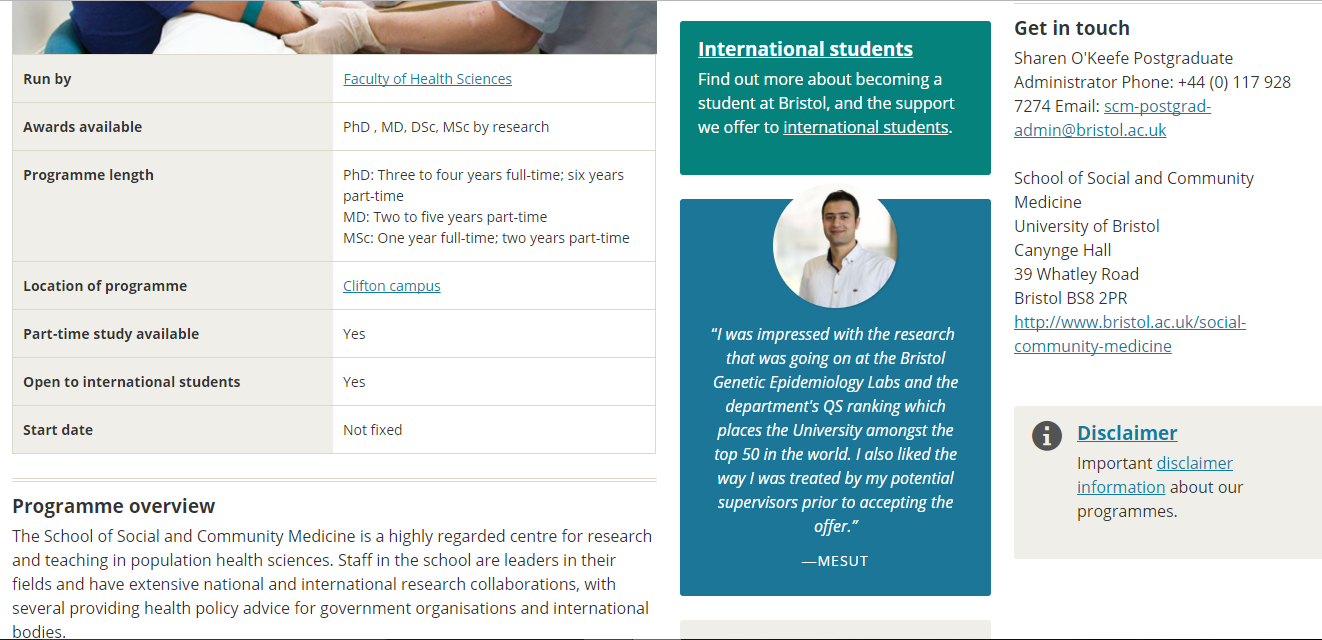
My photo also appeared on the University of Bristol Social and Community Medicine website (2017) with the caption: “I was impressed with the research that was going on at the Bristol Genetic Epidemiology Labs (aka BGEL) and the department’s QS ranking places the University amongst the top 50 in the world. I also liked the way I was treated by my potential supervisors (Dr. Santi Rodriguez, Dr. Tom Gaunt and Prof. Ian Day) prior to accepting the offer”.

PS: I previously interviewed the former Vice-Chancellor of the University of Bristol, Prof. Eric Thomas – for NoS Magazine. The PDF version can be found here

PPS: I’ve also modelled for the University of Leicester undergraduate prospectus (details can be found here) 🙂

Read Full Post »
635818446043317487-1207666941_Malala-Quote-10_10-Twitter

It was my dream…
My dream as a child…

That when I grow up,
I would help solve the mysteries of the universe;
Inspire youngsters to become selfless individuals;
Discover that Syrian kid who would cure cancer;
Help that Gazan who would bring peace to the world;
And stand side-by-side with the African to make hunger a thing of the past…

But I’ve lost contact;
And my dreams, side-tracked…

Then my conscience says:
Yes! Seize the day!
But, in another way…
Yes! You only live once!
That’s life!
Doesn’t care about what one wants…

Then again – though some choose to leave a legacy,
Most, like me, will be lost in their vanity…

Read Full Post »
smoking-infographic_cancer_research_uk

We now know that, through studies carried out by many natural scientists over decades, smoking is a (considerable) risk factor for many cancers and respiratory diseases; but the public ignore these findings and keep smoking, which is where social scientists can help facilitate in getting the message across. Just one example of where the social sciences can have a massive (positive) impact on society. Image taken from stopcancer.support

Scientists focus relentlessly on the future. Once a fact is firmly established, the circuitous path that led to its discovery is seen as a distraction.” – Eric Lander in the Cell journal (Jan 2016)


As scientists in the ‘natural’ sciences (e.g. genetics, physics, chemistry, geology), we have to make observations in the real world and think of hypotheses and models to make sense of it all. To test our hypotheses, we then have to collect (sufficient amounts of) data and see if the data collected fit the results that our proposed model predicted. Our hypotheses could be described as our ‘prejudice’ towards the data. However, we then have to try and counteract (and hopefully eliminate) our biases towards the data by performing well-designed experiments. If the results backup our predictions, we of course become (very!) happy and try to (replicate and then) publish our results. Even then (i.e. after a paper has been submitted to a journal), there is a lot left to do as the publication process is a long-winded one with many rounds of ‘peer-reviewing’ (an important quality control mechanism), where we have to reply fully to all the questions, suggestions and concerns the reviewers throw at us about the importance of the results, reliability of the data, the methods used, and the language of the manuscript submitted (e.g. are the results presented in an easy-to-understand way, are we over-sensationalising the results?). If all goes well, the published results from the analyses can help us (as the research community) understand the mechanisms behind the phenomenon analysed (e.g. biological pathways relating to disease, underlying mechanism of a new technology) and provide a solid foundation for other scientists to take the work forward.

If the results are not what we expected, a true scientist also feels fortunate and becomes more driven as a new challenge has now been set, igniting the curious side of the scientist; and strives to understand if anything may have gone wrong with the analysis or that whether the hypothesis was wrong. A (natural) scientist who is conscious and aware of the evolution and history of science knows that many discoveries have been made through ‘happy accidents’ (e.g. penicillin, x-ray scan, microwave oven, post-it notes) since it is in the nature of science to be serendipitous; and that a wrong hypothesis and/or an unexpected result can also lead to a breakthrough. Hopefully without losing any of our excitement, we go back to square one and start off with a brand new hypothesis (NB: the research paradigm in some fields is also changing, with ‘hypothesis-free’ approaches already been, and are being developed). This process (i.e. from generating the hypothesis to data collection to analysis to publication of results) usually takes years, even with some of the brightest people collaborating and working full-time on a research question.


The first time you do something, it’s science. The second time, it’s engineering. A third time, it’s just being a technician. I’m a scientist. Once I do something, I do something else.” – Cliff Stoll in his TED talk (Feb 2006)


Natural scientists take great pride in exploring nature (living and non-living) and the laws that govern it in a creative, objective and transparent way. One of the most important characteristics of publications in the natural sciences is repeatability of the methods and replication of the results. I do not want to paint a picture where everything is perfect with regards to the literature in the natural sciences, as there has always been, and will be, problems in the way some research questions have been tackled (e.g. due to poor use of statistical methods, over-sensationalisation of results in lay media, fraud, selective reporting, sad truth of ‘publish or perish’, unnecessary number of co-authors on papers). However science evolves through mistakes, being open-minded about accepting new ideas and being transparent about the methods used. Natural scientists are especially blessed with regards to there being many respectable journals (with relatively high impact factors, 2 or more reviewers involved in the peer-reviewing process) in virtually all fields within the natural sciences, where a large number of great scientific papers are published; and these have clearly (positively) affected the quality of life of our species (e.g. increasing crop yield, facilitating understanding of diseases and preventive measures, curative drugs/therapies, underlying principles of modern technology).

I wrote all the above to come to the main point of this post: I believe the abovementioned ‘experiment-centric’ (well-designed, statistically well-powered), efficient (has real implications) and reliable (replicable and repeatable) characteristics of the studies carried out within the natural sciences should be made more use of in (and probably become a benchmark for) the social sciences. There should be a more stringent process before a paper/book is published similar to the natural sciences, and a social scientist must work harder (than they are doing at current) to alleviate their own prejudices before starting to write-up for publication (and not get away with papers which are full of speculation and sentences containing “may be due/related to”). I am not even going to delve into the technicalities of some of the horrendously implemented statistical methods and the bold inferences/claims made as a result of them (e.g. correlations/associations still being reported as ‘causation’, P-values of <0.05 used as 'proof').

Of course there are great social scientists out there who publish some policy-changing work and try to be as objective as a human being can possibly be, however I have to say that (from my experience at least!) they seem to be a great minority in an ocean of bad sociologists. Social sciences seem (to me!) to be characterised by subjective, incoherent and inconsistent findings (e.g. due to diverse ideologies, region-specific effects, lack of collaboration, lack of replication); and a comprehensive quality control mechanism does not seem to be in place to prevent bad literature from being published. A sociologist friend had once told me “you can find a reference for any idea in the social sciences”, which I think sums up the field's current state for me in one sentence.


The scientist is not a person who gives the right answers, he’s one who asks the right questions.” – Claude Lévi-Strauss, an anthropologist (I would humbly update it as “The scientist is not necessarily a person who gives the right answers, but one who asks the right questions”)


Social sciences should not be the place where ones who could not (get the grades and/or) be successful in the natural sciences go to and get a (relatively) easier ride; and publish tens of papers/books which go insufficiently peer-reviewed, unread and uncited for life; but get a lecturer post at a university much quicker in relation to a natural scientist. Social scientists should not be any different from natural scientists with regards to the general aspects of research, so they should also spend years (just like most natural scientists) trying to develop their hypotheses and debunk their own prejudices; work in collaboration with other talented social scientists who will guide them in the right way; and be held accountable to a stringent peer-reviewing process before they can claim to have made a contribution (via books/papers) to their respective fields. Instead of publishing loads of bad papers, they should be encouraged to and concentrate on publishing fewer but much better papers/books.

Social sciences have a lot to offer to society (see the above figure about smoking for an example), but unfortunately (in my opinion) the representatives have let the field down. I believe universities and maybe even the governments all around the world should make it their objective to develop great sociologists by not only engaging them with the techniques used in the social sciences (and its accompanying literature), but also by funding them to travel to other laboratories/research institutions and get a flavour of the way natural scientists work.


Addition to post: For an academically better (and much harsher!) criticism of the social sciences than mines, see Roberto Unger’s interview at the Social Science Bites website (click on link).

moon-suit

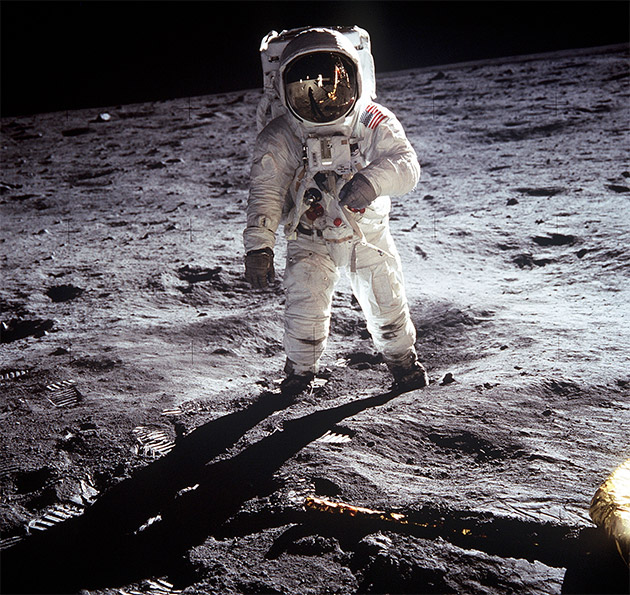
Moon landing – a momentous achievement of mankind, and the natural sciences (and engineering)

PS: I must state here that I have vastly generalised about the social sciences; and mostly cherry picked and pointed out the negative sides. However every sociologist knows within them whether they really are motivated to find out the truth about sociological phenomena; and are not just in it for the respect that being an academic brings, or for the titles (e.g. Dr., Prof.). I personally have many respectable sociologist friends/colleagues myself (including my father) who are driven to understand and dissect sociological problems/issues and look for ways to solve real-life problems. They give me hope in that sense…

PPS: I am not an expert in the natural sciences nor in the social sciences. Just sharing my (maybe not so!) humble opinions on the subject matter as I get increasingly frustrated with the lack of quality I observe throughout the social sciences. Many of my friends/colleagues in the social sciences would attest to some or all of the things I stated above (gathering from my personal communications). I value the social sciences a lot and want it to live up to its potential in making our communities better…

Read Full Post »

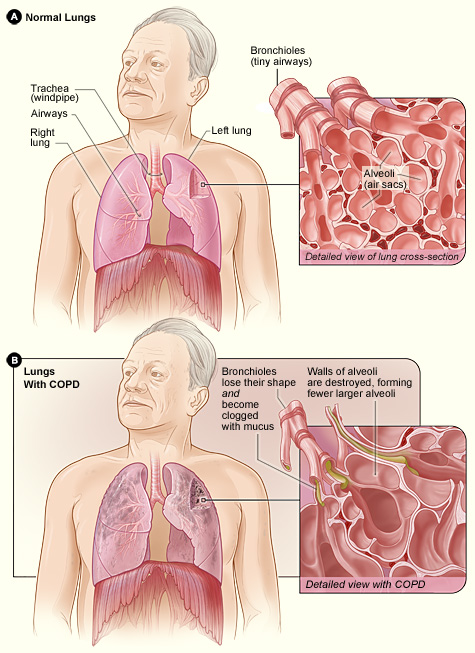
Difference between the lung of a COPD patient and an unaffected one. Image taken from NHLBI website (click on image to access the source)

Difference between the lung of a COPD patient and an unaffected one. Image taken from the NHLBI website (one of the leading institutes in providing information on various diseases; click on image to access the source)

Many of us will either suffer or have a relative/friend who suffers from a disease called Chronic Obstructive Pulmonary Disease (COPD, click on link for details) which is a progressive respiratory disease characterised by decreasing lung function (struggling to inhale/exhale air, irreversible airflow obstruction), very likely accompanied by chronic infections. COPD has a prevalence of over 2% in the UK population (corresponding to approx. 1 million in the UK, probably a lower bound estimate due to many undiagnosed cases; this figure is approx. 16 million in the USA) and is currently the third biggest killer in the world (only behind cancers and heart-related diseases) – costing the lives of millions (in the USA alone, number of deaths attributed to COPD is over 100 thousand); and the health services, billions of pounds.

Contrary to the well-known genetic disorders such as Cystic Fibrosis and Huntington’s disease, which are diseases caused entirely by a person’s genetic makeup and caused by mutations in a single gene, COPD is a (very!) complex disease with many genes and environmental factors (e.g. smoking, pollutants) contributing to the development/progression of the disease. This complexity makes it much harder to dissect the causes and find potential (genetic) targets for cures or therapies. However, we do know that smoking is by far the biggest risk factor with up to 90% of those who go on to develop clinically significant COPD being smokers. But only a minority (<25%) of all smokers develop COPD, indicating the strong role genetics can play in the progression of this disorder. Also not all COPD patients are smokers (up to 25% in some populations), indicating that – at least in some patients – genetics can play a rather determining role. I must stress that all the statistics I provide here can vary considerably from population to population due to different lifestyles and genetic backgrounds.

Genetic_epidemiology_genetics_mesut_erzurumluoglu

I – together with a large group of collaborators – search for genetic predictors of lung function, which helps us to identify which individuals are more likely to develop the disease and potentially understand the underlying biology/pathology of respiratory diseases such as COPD and asthma, and related traits such as smoking behaviour. To do this, we carry out what is called a genome-wide association study (GWAS, click on link for details), where we obtain the genetic data (millions of data points) from tens of thousands of COPD (or asthma) patients and ‘controls’ (people with normal lung function). To ensure that our results are not biased by different ethnicities, life styles and related individuals, we collect all the relevant information about the participants and make sure that we control for them in the statistical models that we use. GWASs have been extremely successful in the identification of successful targets for other diseases and have led to the field of Genetic Epidemiology (GE, click on link for details) to come to the fore of population-based medicine. GE requires extensive understanding of Statistics (needed to make sense of the very large datasets), Bioinformatics (application of computer software to the management of large biological data), Programming (needed to change data formats, manage very large data), Genetics (needed for interpretation of results) and Epidemiology (branch of medicine which deals with how often diseases occur in different groups of people, and why); thus requires inter-disciplinary collaborations.

GWAS results are traditionally presented with a Manhattan plot (due to its resemblance of the city's skyline) where the genetic variants corresponding to the dots above the top grey line (representing P values less than 5e-7 i.e. 0.0000005) are usually followed up with additional studies to validate their plausibility. Image taken from Wikipedia (click on image to access source)

GWAS results are traditionally presented with a Manhattan plot (due to its resemblance of the city’s skyline) where the genetic variants corresponding to the dots above the top grey line (representing P-values less than 5e-8 i.e. 0.00000005) are usually followed up with additional studies to validate their plausibility. Image taken from Wikipedia (click on image to access source)

The inferences we make from these studies can shed light in to which genes and biological pathways play key roles in causing COPD. We then follow up these newly identified genes and pathways to analyse whether there are molecules which could be used to target these and be potential drugs for treating COPD patients. Our results can be of immense help to Pharmaceutical companies (and ultimately to patients), as many clinical trials initiated without genetic line of evidence have failed, costing the public and these companies billions of pounds.

As smoking is the biggest risk factor for respiratory diseases like COPD, I am – also with the contribution of many collaborators – in the process of analysing whether some people are more likely to start smoking, stop after starting, and smoke more than usual when they start smoking. The results can have huge implications as many people struggle to stop smoking, and when they do, research suggests that up to 90% (figure differs between populations) of them start to smoke again within the first year after quitting. Smoking is not only a huge contributor to the risk of developing COPD, but also to lung (biggest killer amongst all cancers), mouth, throat, kidney, liver, pancreas, stomach and colon cancer (not an exhaustive list). In the UK alone, these cancers cause the slow and painful death of tens of thousands, alongside a huge psychological and financial burden on the families and public resources.

The “lung” and the short of it (stealing a phrase thought up by my colleagues at the University of Leicester, click on link to see who they are) is that COPD is a disease that is going to affect many of us, and any useful finding which leads to cures and/or therapies could increase the life years of COPD patients and affect the lives of thousands of people directly, and millions indirectly (e.g. families of COPD sufferers, cost to the NHS). Finding targets to help people stop smoking can potentially have even bigger implications as many continue to smoke, despite huge efforts and funding allocated to smoking prevention and cessation.

A nice TED talk about the world of Data science and Genetic Epidemiology

Addition to post (09/02/17): A Circos plot presenting results from our latest lung function GWAS (Wain et al, 2017; Nature Genetics) was shortlisted (title: Breathtaking genes) and displayed in the Images of Research exhibition (9th Feb 2017) organised by the University of Leicester

Read Full Post »

UoL TSoc Logo 2016

University of Leicester Turkish Society 2016 logo – Not used for financial gains (all our events are ‘not-for-profit’). However, it will be changed soon as it is an infringement of the University’s own logo (we did not realise at the time the logo was designed).

I am extremely proud to have had the chance to lead the University of Leicester Turkish Society for the 2016 season; and am grateful to the following committee members for their excellent work in organising some great events – especially our annual ‘Turkish Day’ event at the Queens Hall (University of Leicester):

President: A. Mesut Erzurumluoglu
Vice-President: Kevser Sevim
Secretary: Halil Ibrahim Egilmez
Treasurer: Turkan Ozkent
Event coordinator: Ufuk Barmanpek and Yasemin Alpdogan
IT Manager: Muhammet Ziya Komşul

More information about the Turkish Society can be found at the below links:

Website   Facebook   Twitter

Also feel free to contact us at leturkishsociety@gmail.com for any questions/enquiries. Thanks for your continued support!

8th Annual Turkish Day flyer

Our flyer for the 8th Annual Turkish Day (5th May 2016) event – which hundreds of students attended

University of Leicester Turkish Society Turkish Day 2016 (1)

Annual Turkish Day 2016 (05/05/16) – organised by the University of Leicester Turkish Society

University of Leicester Turkish Society Turkish Day 2016 (2)

Annual Turkish Day 2016 (05/05/16) – organised by the University of Leicester Turkish Society

Freshers Fair 2016 26-27-09-16 (4)

Freshers Fair 2016 (26/09/16) – Organised by the University of Leicester Student Union

Read Full Post »

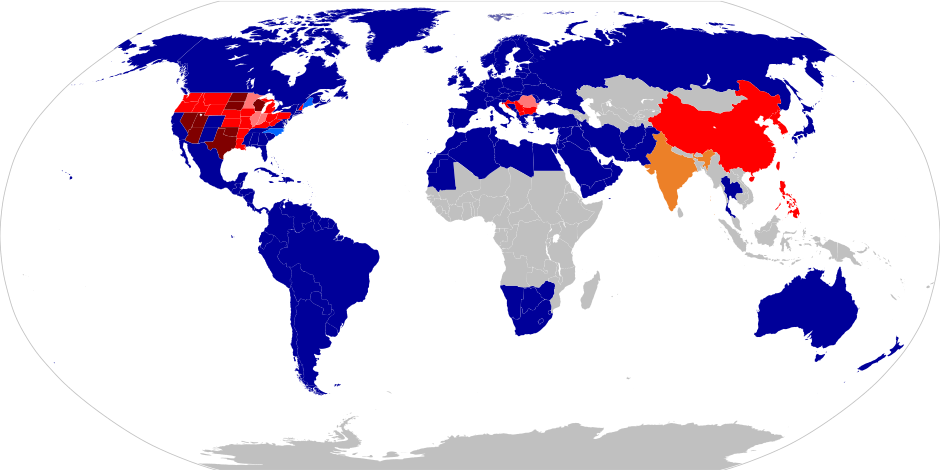
Laws regarding first-cousin marriage around the world. Navy blue: First-cousin marriage legal. Light Blue: Allowed with restrictions or exceptions. Yellow: Legality dependent on religion or culture. Red: Statute bans first-cousin marriage. Pink: Banned with exceptions. Dark Red: Criminal offense. Grey: No available data. The image has been released into the public domain by the author (URL: http://en.wikipedia.org/wiki/Cousin_marriage).

Laws regarding first-cousin marriage around the world. Navy blue: First-cousin marriage legal. Light Blue: Allowed with restrictions or exceptions. Yellow: Legality dependent on religion or culture. Red: Statute bans first-cousin marriage. Pink: Banned with exceptions. Dark Red: Criminal offense. Grey: No available data. The image has been released into the public domain by the author (URL: http://en.wikipedia.org/wiki/Cousin_marriage).

The answer is (studying) consanguinity (i.e. unions between relatives such as first-cousin marriages); and one cannot understand the complexity of the issue (and make ‘informed’ decisions) without reading the literature of these five apparently unconnected fields. It is fair to say that there is a degree of hostility towards consanguineous marriages in Western societies. However this perception is usually attained without in-depth knowledge on the genetic effects of consanguinity. In short, consanguinity per se (i.e. on its own) does not cause a disorder, but rather it increases the probability of an autosomal recessive disorder (which require two copies of the same) causal mutation to be in a homozygous state (i.e. possess two copies of the same mutation). When this happens both copies of the genes we inherited from our parents do not function properly.

Unions between individuals who are second-cousins or closer are considered ‘consanguineous’ in clinical genetics. Consanguineous families with diseases have been studied thoroughly by clinical geneticists for the last two-three decades – and this has allowed for identification of many disease causal genes. However, studying consanguineous populations as a whole rather than ‘cherry picking’ families with disease can offer much more for better understanding our genome and therefore finding new targets for preventive and curative medicine. Many genes in our genome still have unknown functions and we have merely scratched the surface in terms of their interactions. I hypothesise that assigning a function to the thousands of remaining genes will only be feasible if consanguineous populations are studied as a whole (i.e. also including families without disease to the studies) and I therefore carry out theoretical studies to estimate the sample size needed and how many genes will be completely ‘knocked-out’ if these studies were to be carried out. This approach proposes a ‘paradigm shift’ in clinical genetics.

Global prevalence of consanguineous unions. Consanguinity has deep roots in many cultures and it is impossible to interfere/intervene from the outside without first understanding why people engage in cousin marriages. Image source URL: www.consang.net/

Global prevalence of consanguineous unions. Consanguinity has deep roots in many cultures and it is impossible to interfere/intervene from the outside without first understanding why people engage in cousin marriages. Image source URL: http://www.consang.net/

Consanguineous unions occur very rarely in Western countries for a variety of sociological (e.g. cultural, negative media coverage) and statistical reasons (e.g. smaller families means fewer cousins at similar age), but the complete opposite is true in certain regions of the world where union of kin is seen as the default choice. Conservative estimates predict that approximately one-sixth of the world’s population (a figure of 1.1 billion is proposed by the Geneva International Consanguinity Workshop Report) live in highly consanguineous regions; and also another one-sixth falls into the ‘unknown’ category – reflecting the need for further research. Historically, consanguineous unions were also common amongst the elite in the UK (up to mid-19th century, including Charles Darwin), the Pharaohs and the Royal families of Europe (e.g. Habsburgs).

Views of main religions towards consanguineous marriages. NB: Where first-cousin marriages are allowed, lower levels of consanguinity are also allowed. Image Source: Copy-pasted from my own PhD thesis

The increase in the probability of a mutation being homozygous will depend on the level of relatedness between the parents. For example, approximately 6.25% of mutations are expected to be homozygous in the offspring of first cousins. This figure would be (near) 0% in the offspring of outbred individuals. Genetically, this is the main difference between union of kin and union of unrelated individuals. We all have many disease-causal mutations in our genomes (but in heterozygous state, i.e. one normal copy and one mutated copy) and different kinds of mutations are out there in all populations. However because these mutations will be very rare or are unique to you or your family, they do not get to meet their counterpart when you have offspring with an unrelated individual. Therefore the mutation’s homozygous effects are never observed. This is why rare autosomal recessive disorders are almost always seen in consanguineous offspring.

This difference in homozygosity levels is also one of the main reasons behind the necessity of studying consanguineous individuals and populations. These studies can turn unfortunate events (e.g. disorder in families) to a great use for medical sciences. Not only will identifying a disease-causal mutation help with diagnostics, they can enable scientists to understand what certain genes do and help us understand why the gene causes that disease. Rare instances can be highly informative about preventable outcomes relevant to the whole population. For example, had more notice been taken in the 1980s of the proof which familial hypercholesterolemia provided for the causal role of cholesterol in coronary heart disease (CHD), high cholesterol intake would have been better addressed for the nation a decade sooner. To provide numbers, CHD is still the UK’s biggest killer causing over 80 thousand deaths a year, thus paying more attention to information that was coming from studies of consanguineous unions could have saved thousands of lives just in this single case.

Given the advancements in genetic diagnostics (e.g. huge decreases in costs of DNA sequencing), screening for all known mutations will become feasible in the near future for everybody – and identifying disease-causal mutations will become even more useful for all of us. Our genomes are constantly being mutated and my approach will enable a much broader understanding of our genome by observing these mutations’ homozygous effects. Finally, rather than discourage (See link for an example) consanguineous marriages totally (not feasible in the foreseeable future due to many socio-economic and cultural reasons), for those willing to marry a cousin, screening for previously identified mutations will help these couples take more informed decisions.

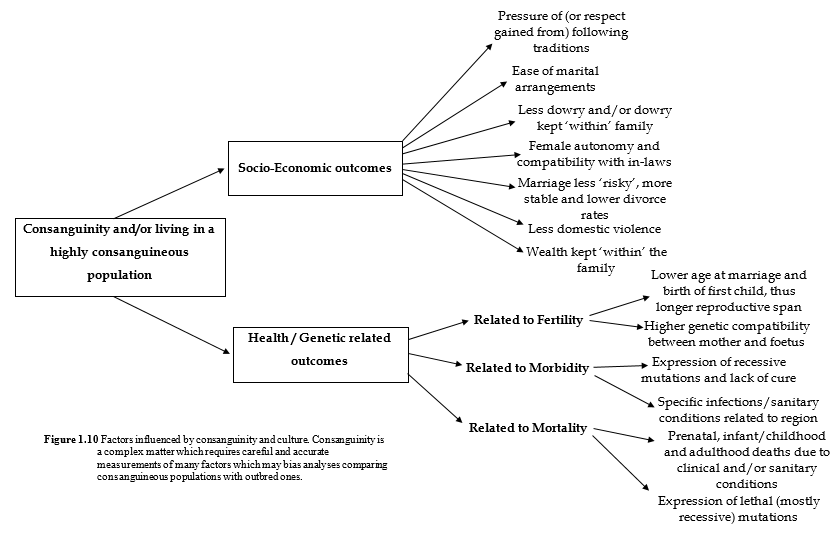
consanguinity factors culture socio-economic

Factors influenced by consanguinity and culture. Image Source: Copy-pasted from my own PhD thesis (hence the Figure 1.10)

Key reference:

A. Mesut Erzurumluoglu, 2016. Population and family based studies of consanguinity: Genetic and Computational approaches. PhD thesis. University of Bristol.

Erzurumluoglu AM et al, 2016. Importance of Genetic Studies in Consanguineous Populations for the Characterization of Novel Human Gene Functions. Annals of Human Genetics, 80: 187–196.


PS: Whilst the media is mostly responsible for portraying consanguinity the way they understand (and with more contrast added on of course), they could be forgiven as the genetic effects of consanguinity is not fully understood amongst geneticists either, especially in the field of complex trait genetics – thus the extra incentive for studying them.

Read Full Post »

« Newer Posts - Older Posts »