by Dr A. Mesut Erzurumluoğlu | Principal Bioinformatician at Bicycle Therapeutics (formerly at Boehringer Ingelheim, and Univs. of Cambridge, Leicester & Bristol) – blogging since 2006. All views mine unless stated otherwise
There is a great deal of suspicion about consanguineous unions in the world. Whether this suspicion relies on health issues or not, we still have to be aware of possible genetic effects of consanguinity on heritable disorders and socio-cultural impacts.
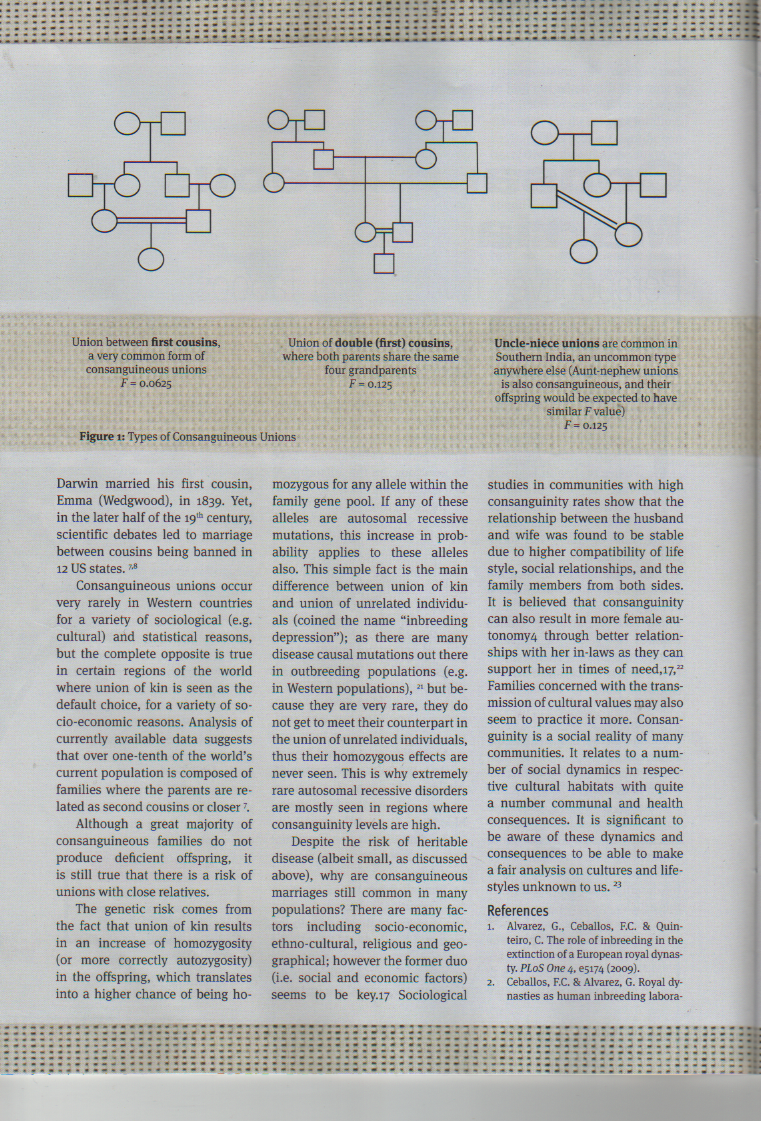
Consanguinity itself does not make an individual “sick,” but it affects the probability of an autosomal recessive disorder (which requires two copies of the same mutation) if there is such a mutation which runs within the family (with the word “if” emphasized). Consanguinity should be regarded as a complex issue due to socio-economic factors and health concerns.
In clinical genetics, unions between individuals who are second cousins or closer are considered “consanguineous” (inbreeding coefficient, F=0.0156). Incestuous unions (e.g. brother-sister, father-daughter) will not be included in the description of consanguinity in this article, and are obviously outlawed in every society and faith.
Speaking from a statistical geneticist’s perspective, consanguinity affects the probabilities of certain genotypes occurring in offspring.
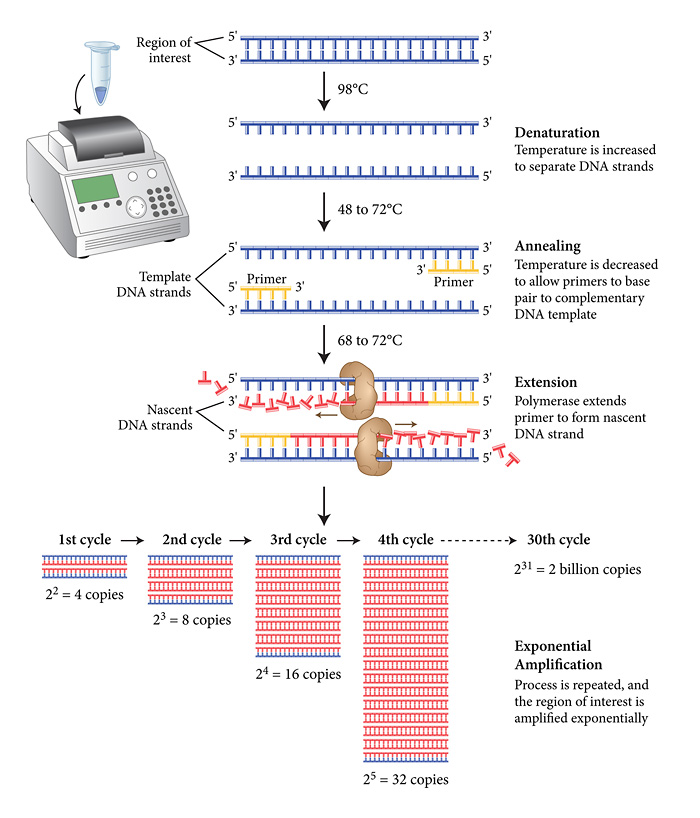
Schematic of the PCR (Polymerase Chain Reaction) process – a technique used to amplify a specific region of DNA. Source URL: http://www.neb.com
This is a very quick guide to designing a primer for PCR (Polymerase Chain Reaction) which will be used to amplify a region of interest. The produced amplicons can then be sent to companies such as GATC-Biotech (located in Germany) to be sequenced. I have seen many blogs with this title but none of them guide you in the way you would expect them to. So I decided to write my own to hopefully make things easier for you:
(i) To design a primer, first click on the link below:
(ii) On the Primer Blast page, you will come across the ‘PCR Template’ box at the top. Enter the ‘Accession ID’ of your transcript of interest from RefSeq if you’re working with mRNA.
If you’re interested in amplifying a genomic region then use Ensembl by (i) searching for your gene of interest on the Ensembl homepage; (ii) then clicking on your gene of interest in the results; (iii) then in the ‘Gene’ view, clicking on the ‘Sequence’ in the ‘Gene-based display’ on the left; and (iv) then by copying the ‘Marked-up sequence’ in FASTA format and pasting it into the ‘PCR Template’ box.
Calculate where your variant of interest is located in the FASTA sequence (Ensembl) or in the transcript (RefSeq mRNA) you pasted and fill in ‘Forward Primer’ and ‘Reverse Primer’ accordingly. I’d advise having a flanking region of ~150bp on both sides of your variant (e.g. if your variant is located at position 500 in your FASTA sequence, then type 350 into ‘From’ in ‘Forward Primer’ and 650 into ‘To’ in ‘Reverse Primer’, leave the other two empty).
(iii) In Primer Parameters:
To get the amplicon sent and sequenced at a company, keep the PCR product size manageable (e.g. 150bp to 300bp).
(iv) If working with human genomic data, change ‘Database’ to ‘Genome (reference assembly from selected organisms)’ and select ‘Homo sapiens’ as ‘Organism’ in ‘Primer Pair Specificity Checking Parameters’.
Click ‘Advanced parameters’.
(v) Change ‘Primer Size’ in ‘Primer Parameters’ to 18 (min), 22 and 25 (max) respectively.
Change ‘Primer GC Content (%)’ to 40.0 and 60.0 respectively.
Change ‘GC Clamp’ to 1.
Change ‘Max Poly-X’ to 3.
Tick the ‘SNP handling’ box (important!).
(vi) Scroll to bottom and click ‘Show results in a new window’ before clicking ‘Get Primers’.
(vii) Wait for results and select a couple* of primer pairs and test them in an in-silico PCR software (e.g. UCSC In-Silico PCR) – designing at least two primer pairs is important; in case one fails, the other one usually works.
(*check that the GC content of the forward and reverse primers are similar to each other for each primer pair.)
Once you’re happy with the amplicons produced in the in-silico PCR program (e.g. your variant** of interest is located towards the centre of the amplicon as desired) then check for hairpin formation (both for forward and reverse primer, separately) using a software such as OligoCalc.
(**if your gene of interest is on the reverse strand, then you would have to use software such as Reverse Complement to change the sequence of your amplicon to its complement so that it matches the Ensembl gene sequence that you’re comparing it against – where you obtained the sequence in FASTA format in step ii).
Once your primer pairs pass all these tests, order them from a company such as Eurofins.
When performing PCR, choosing the annealing temperature may not be straightforward. Although there is a formula for calculating optimum annealing temperature (Ta; see link), (for primers with no unintended targets***) I usually set it 6-7 Celsius below the melting temperature (Tm; you should have received this info from the company that you ordered the primer from) of the primer with lowest Tm. However Ta and MgCl2 gradients/titration may be needed sometimes if PCR doesn’t seem to work for both of the primers you designed earlier.
Sometimes the polymerase used may also need to be changed. So if conventional Taq polymerase doesn’t seem to work (or produces too many unwanted targets), trying a Hot Start activated polymerase (which is way more expensive) could be the answer.
(***if there are other unwanted bands in the gel, try increasing Tm as this will allow the primer to hybridize to the perfectly matching DNA sequence and not to the other unintended regions (which will hopefully be the region you wanted, if you designed the primer well)…
Hope it helps. I’m happy to answer any questions you may have. PCR is a dark art and anything can go wrong! Just need to keep trying 😉
10 Tips for successful PCR primer designing (by Life Technologies)
PS: I have no conflicts of interest and have no connections to either Eurofins or GATC-Biotech
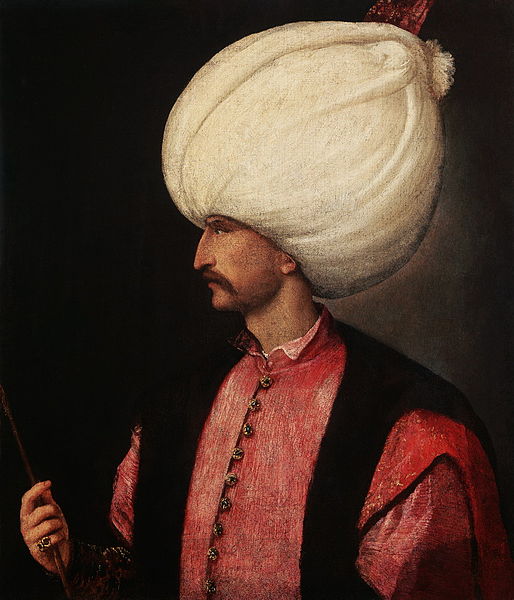
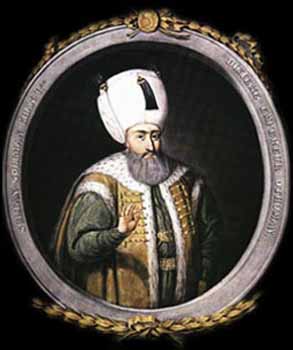
This is a conversation which is known to be have happened between Yahya efendi (a well-known Islamic scholar of the time; ‘Efendi’ means ‘respected master’ in Turkish) and Sultan Suleiman ‘The Magnificent’ (Ottoman sultan):
During Sultan Suleiman’s reign, the Ottomans were undoubtedly ‘the superpower’ at the time. However he was also curious about the future of the state (I do not like calling the Ottomans an ’empire’ so I will keep calling them ‘state’) and wonders whether the Ottomans will also decline just like all the other great civilisations, states and/or empires before it.
He always asked scholars for their opinions if he had a question, so he took the matters to Yahya efendi through his messengers. Some time later he received an answer through his messenger and it was very short:
Oh Sultan, “I don’t care” is the answer
The Sultan was shocked. However he knew that Yahya efendi was a man of wisdom, so he travelled to his place to learn the meaning of his answer.
Brother, please do take my question seriously. I am curious about the answer.
Another short answer from Yahya efendi:
Oh my Sultan. How can I ignore you? I did give you an answer. And it was “I don’t care”
However the Sultan still couldn’t make sense of his answers.
I still don’t understand
Well my Sultan. Whenever corruption, oppression/cruelty and thievery runs loose within a society; and the ones who see it turn a blind eye towards them and say “I don’t care”, this will be end of that state and society.
Great lessons to be learnt from the past… I hope the politicians in our countries take notice; if they ‘care’ that is!
As an example (using my brilliant Photoshop skills): Dialogue Society Book Lorry
As there is a lot of hostility towards all religions, and especially Islam in Western Societies, it should be one of our primary objectives to inform people of the ‘true face of Islam’ through inter-faith dialogue. I am very impressed with what organisations such as Dialogue Society are doing, but I do not think they are reaching the wider audience as they would like to. They reach out to many academics and VIPs in their respective areas/cities, but struggle to make an impact at the public level.
Hate can blind us all, thus we can’t see the good sides of others. The media/NGOs need to put more emphasis on dialogue and universal ethics
For this reason I would like to suggest designing a ‘Book Lorry’ (inspired from book buses) which will travel all over the UK (and can set an example to similar organisations within the UK and other countries), park their lorry in city centre (or other designated areas) and engage with the public. Interested individuals will enter from one side and leave from the other. The inside will be designed just like book busses, and people can take whatever book they would like (or pay a small fee depending on the book).
I believe this would be a great way to attract public attention (especially if the lorry is designed properly, not like the one above!); and make inter-faith dialogue more fruitful…
Those who are against interfaith and/or intercultural dialogue have also contributed to the disgusting outcomes in #Egypt and #Syria. Talk!
How recent it may seem, when I was a undergrad student (2007-2011) the internet was useless in terms of academic study. Whatever you read from Wikipedia was wrong, all you could do in Youtube was watch some cat videos, and there were no quality resources to access. We had to go to the library to find books (which were mostly outdated) to read out about the subject matter.
Oku! Sen okumayınca, gereksiz bilgilerle doluyor beynin. Sonuç: Duyarsız bir insan. Thousands of free e-books at https://t.co/TsaPho4Muf
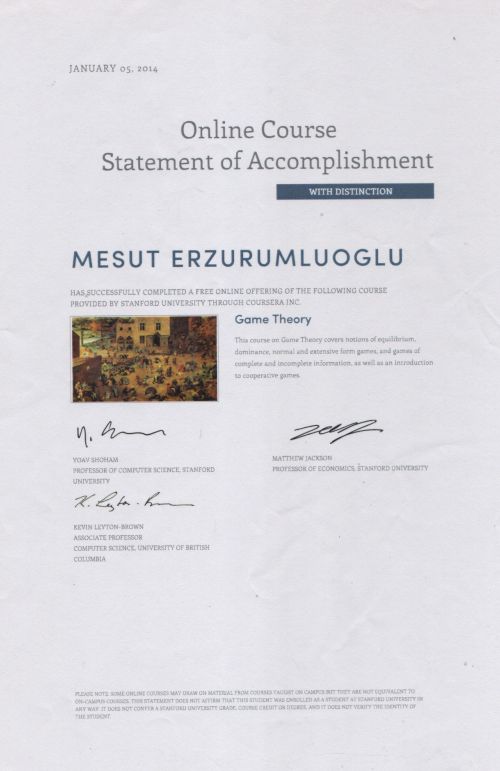
Nowadays there are tens of fantastic websites (e.g. Google classes, scientific blogs, past exam papers) and Youtube channels (e.g. Khan Academy, Crash Course) where people have taken the time to organise high-quality courses and/or videos which explain the subject clearly in a relatively short amount of time. Also a lot of the stuff in Wikipedia is top notch nowadays. However what really stands out for me is Coursera. High quality courses for free, tailored to your interest(s) and learning at your own pace; and if you try hard enough you get a certificate (an example below) – which could look good on your CV. I really wish Coursera (and others) was around when I was an undergraduate student.
The point of this post is that youngsters must make the best of the internet nowadays. It has turned into a fantastic resource for learning anything you want! *It just takes a simple Google search most of the time…
Recent research shows we want to keep our families safe online and that we think we’re safe too. But it also shows we have our doubts and in some cases, shows we’re actually unsure about what to do to become safe.
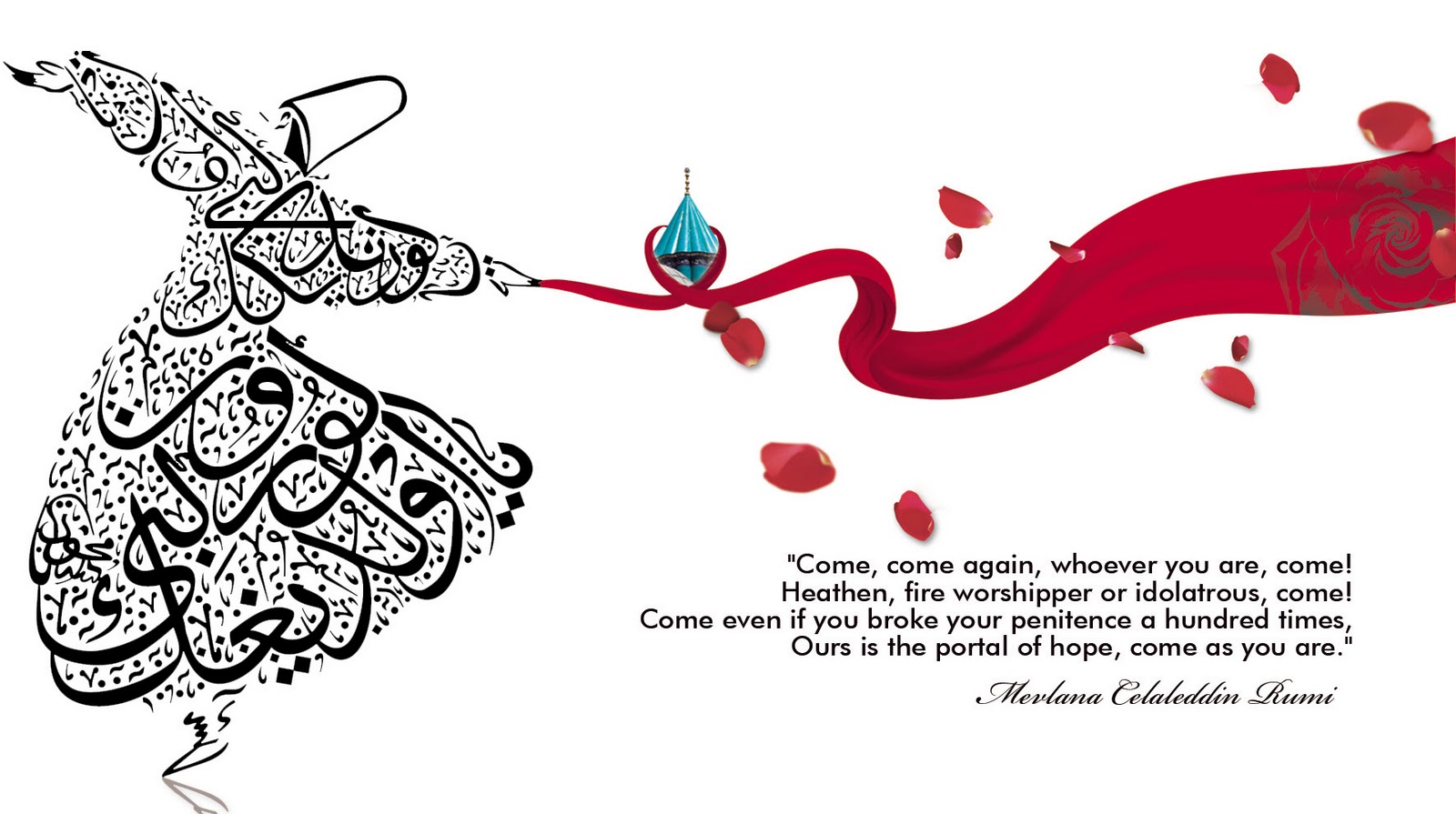
Whirling Dervishes are characteristic of Sufism. The saying below from Rumi melts many hearts as well as mine’s. We need his understanding of Islam more than ever!
The great Islamic scholar Mawlana Jalaladdin Rumi once said:
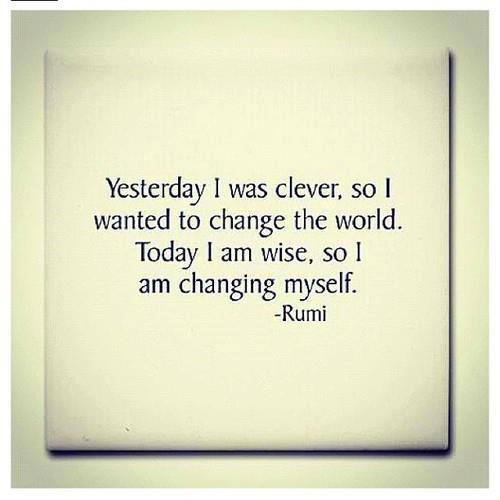
“Yesterday I was clever, so I wanted to change the world. Today I am wise, so I am changing myself”
(Not comparing myself with Rumi in any way) When I was a kid I also used to think I could and had to change the world. However after 25 years of life experience with 21 years of it as a student since the age of 4 (and counting, as a PhD student), I now feel different. It seems like my dreams have become more realistic (or maybe narrowed down, depending on how you look at it)…
So I now say:
“Yesterday, I wanted to change the world. Today, I’m (concentrating on) writing my thesis” 🙂
One day, the famous Ottoman Sultan Suleiman (aka ‘The Magnificent’) was taking a breather in one of the gardens of Topkapi Palace. Whilst observing the trees and contemplating about them (e.g. what a miracle of God they were!), he realised that one of them was surrounded by ants. He did not like the idea of ants feeding on his trees and thought of poisoning them. However he was a wise man and knew never to act in a hurry; thus he would always seek advice from the Sheikh-ul Islam of the time, Ebussuud Efendi. He expressed his intentions with a short poem (get a Turkish friend to read it for you):
Suleiman:
Meyve ağaçlarını sarınca karınca (When ants invade a tree)
Günah var mı karıncayı kırınca? (Is there permission to kill them?)
His advisor Ebussuud Efendi replied with this:
Yarın Hakk’ın divanına varınca (When the time to meet the Lord comes)
Süleyman’dan hakkın alır karınca. (Suleiman will be made to pay)
And the result was Suleiman, the greatest ruler at the time, could not kill the ants due to his fear of God Almighty. Today, some groups kill innocent people in the name Islam – I guess they understand Islam better than the Ottoman rulers and their advisors. Certainly not! They are deluded people being used by dark forces who want to bring chaos in to countries they’re interested in, serving their ultimate aim of stealing their underground resources and treasures.
Also Suleiman once said: I am God’s slave; and Sultan of this World! Ottoman Sultans took enormous pride from being a devout servant of God. We should take them as role models and not the individuals many teenagers look upon as ‘idols’ nowadays.
Click here to learn something new about another Ottoman Sultan…
Our eyes have become blurred with distractions. We lost touch with the realities of this life. Note: Scroll down for the English version of this post
Hayatın anlamını araştıran/sorgulayanların çoğu zaman, dinleri ve Allah’ı tamamen yalanlayanlardan olmasını anlamıyorum; gerçekten anlamıyorum!
Soylemeliyim ki hiçbir zaman bulamayacaksınız; egonuzu (nefsinizi) yenip/dizginleyip, Hakk’ın (c.c.) önünde eğilmediginiz surece! Biraz sert bir cevap gibi gelebilir ama gerçek bu. Samimiyetle O(c.c.)’nu bulmak istersek, ben Allah’ın bize ‘doğru yol’u gosterecegine inanıyorum. Buna siz de inanın!
Shakespeare, Tolstoy, Dostoyevsky, Dickens, Orwell’i okumak/anlamak için harcadıgımız zamanın onda birini Allah’ı (şimdilik varlıgına inanın ya da inanmayın) tanımaya/anlamaya harcasak da ondan sonra kararımızı versek.
Bir köpek dahi sahibini tanıyorsa, insan kendisini yaratandan geleni hayli hayli tanır. Kendi tecrübemden konuşuyorum. Kuran’a bakın; ve size (herkesinki farklı) tesir edecek öyle ayetler karşınıza çıkacak ki “işte bu kitap beni Yaratan’dan gelmiş!” dedirtecek!
Ek: İşe nasıl bir mucize ve ne kadar önemli birisi oldugunu tefekkür ederek başlayabilirsin. Ben de (beni etkileyen) bir örnekle yardımcı olmaya çalışayım: Mesela senin gibi bir insan dünya tarihinde olmadı; olmayacak! Eşsiz bir insansın! Allah seni (evet sadece seni!) yaratmak için annenle babanı tanıştırdı ve kalplerini birbirlerine ısıttı. Annenin 300 küsür yumurtasının arasında, babanın da milyarlarca spermi arasında seni yaratacak kombinasyonu seçti. Aynı şey, anne-baban ve dede-ninelerin için de gecerli… Onların anne-babası için de… Onlardan önceki nesiller içinde… Bu halkada bir tane eksik veya degişim olsaydı, sen olmayacaktın!
Ek 2: Arzu ederseniz ‘Evrim teorisi‘ (ingilizce) ve ‘hayat gayem‘le ilgili yazdıgım eski yazılarıma da göz gezdirebilirsiniz…
People who’ve asked me “what is the meaning of life?” had one thing in common: Outright denial of all religions and (any idea of a) God
This is what I can’t understand; I really can’t!
Most of the time, any answer I gave would be thrown back at me with distaste. Sorry but – as a friend whose willing to help you – I’ll tell you what I believe and try backing them up with as much evidence (which convinces me) as possible, but it is up to you to be convinced or not. I don’t have the power to tune anybody’s heart or mind…
For me: Without religion, there’s no* meaning to life! Otherwise life just becomes: “You live because you were born; you had no choice!”
“Life was just an accident and your sperm happens to be the (un)lucky one out of the zillions that your father produced – also the same applies to your father; and his father… You just have to put up with it.”
Having no sense of meaning in life is why many people who have no belief in God and the afterlife commit suicide or waste their life (e.g. drugs, night life, gambling, games); and the one’s who don’t, live in constant fear of death – especially when they get older…
There can only be one “true” religion in the world – others will have no, some or a lot of truth in it but can’t be the “true religion”; and everybody has to make it their primary aim to find it! We spend hours reading Orwell, Shakespeare, Tolstoy, Dostoevsky’s works (rightly so! they can teach us a lot) but rarely do we look at the books which have (trying to word it as an objective person) “supposedly” been sent to us by God himself. Why aren’t we curious about them? How many of them have we read?
The true religion has to answer all reasonable philosophical questions which come to mind, whilst not contradicting scientific and historical facts… Also this doesn’t mean that we must “like” the answers that are given. Truth almost always hurts.
I believe I’ve found it and it has stood the test of time, however what convinces me may not convince you/others. Therefore everyone’s on their own conquest to find the truth and the true religion – the thing that will give our lives a meaning.
Please see my post God of Science for a few arguments on the existence of God (and the wrong belief that current scientific knowledge in genetics is incompatible with God). Happy to discuss any points…
*Read Albert Camus and other ‘existentialist’ philosophers (e.g. Sartre, Nietzsche) if you don’t believe me – they were atheists and believed that life had no meaning, so try(!) enjoying it while lasts…
There are as many ways to Paradise as there are human souls – Rumi
PS: There is a school of thought which believes that we’re made up of life, soul and body. Thus as long as we’re alive, the soul is tied to the body (via life). This can explain why we become unconscious (and ‘blackout’) when we faint. However when we die, we will not be unconscious as the ‘tie’ that is life (as we understand it) does not exist anymore. Thus the soul is free to travel (and get rid of the shackles/limitations of the body) and meet the Creator. Please read around the idea if interested. Happy to discuss…
PPS: I respect everyone’s beliefs – and lack of it. It is their own life choice at the end of the day! However it would selfish of me not to share/propagate something that I believe is to be true (i.e. belief in the existence of an omniscient and omnipotent God).
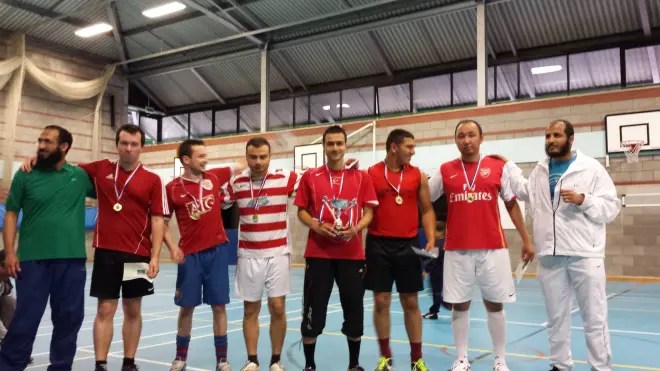
UBU Turkish Society team: Mesut Erzurumluoglu (Captain), Tom G. Richardson, Gavin Lunney, Esat Erzurumluoglu, Azad Tuncel (GK) and Askhat Tleuov
University of Bristol Student Union (UBU) Turkish Society football team has brought home the Bristol International Cup (22/06/2013). The 6-a-side football tournament was organised by the Saudi Students in Bristol (Venue: Bristol Grammar School). Individual awards were also given to Mesut Erzurumluoglu (Golden Boot) and Azad Tuncel (Best Goalkeeper)
Results were as follows:
Turkish Soc. 5-0 Chinese Soc. (Mesut 2, Askhat, Tom, Esat)
Saudi Soc. 1-3 Turkish Soc. (Esat, Mesut, Askhat)
Turkish Soc. 3-0 UWE ISoc (Mesut 3) – see video below
Kuwaiti Soc. p-p Turkish Soc. (opposition did not turn up)
Turkish Soc. was followed by UWE ISoc (in second) and Chinese Soc. (in third) in the league rankings
Ben 12 yaşındayken (2000) ailecek İngiltere'ye taşındık ve ingilizcem neredeyse sıfırdı. Bunu duyan (Karen Holman adında) Sınıf Öğretmenim, kendimi evimde hissedeyim diye tüm arkadaşlarıma Türkçe cümleler dağıtmış. Sınıfa girer-girmez arkadaşlarımın hepsi bana "Hoşgeldin" dediler










 An ordinary blog by an ordinary bloke