by Dr A. Mesut Erzurumluoğlu | Principal Bioinformatician at Bicycle Therapeutics (formerly at Boehringer Ingelheim, and Univs. of Cambridge, Leicester & Bristol) – blogging since 2006. All views mine unless stated otherwise
‘Ondan da b*k – Bilim’ serisinde farklı bilim soslu safsatalar hakkında yorumlarımı sunuyorum. ‘Az iş çok laf’ serisinde ise Fikri’yle beraber genelde, başarılı, bilgili ve ‘cool’ insanlarla hafif konularda muhabbet ediyoruz. Twitter’da #AzIsCokLaf ya da #Ondandabok hashtaglerini kullanarak öneride bulunabilirsiniz. (Not: Yavaş konuştuğumu düşündüğünüz bölümlerde Spotify ya da Youtube’un 1.2x hızlandırma özelliğini kullanabilirsiniz)
Ondan da b*k – Bilim: Bölüm 2: Aşı karşıtlığı ve ‘büyük oyun’ (01/02/21)
Bu bölümde aşı karşıtlarından ve ‘büyük oyunu’ gören vatandaşlarımızdan bahsedeceğim(Not: ironi içerir – her ne kadar da bu konuda fazla yetenekli olmasam da 😉 )
Sağlık konusunda bilim insanlarına itimat etmiyorsanız, bari zengin elitlerin ne yaptığına bakın – çünkü onların tabir-i caizse ‘canları tatlıdır’ ve genelde uzun ve sağlıklı bir hayat sürdürürler 😉 COVID-19 aşısını yaptırıp-yaptırmama konusunda da kararsız kaldıysanız şunu bilin isterim: zengin elitler gerekirse farklı ülkelere uçup aşıyı yaptırıyorlar. (“elit” eşittir “ünlü” değil bu arada – İngiliz kraliyet ailesi, Gelişmiş ülkelerde yaşayan aristokrat aileler, üst düzey hakimler vs. gibi gerçek elitler)
Kaynaklar:
1- İlk onaylanmış COVID-19 aşısını üreten BioNtech biyoteknoloji şirketinin kurucusu Prof. Uğur Şahin ve Dr Özlem Türeci (Tweet)
Bu resme bakıp "Korona laboratuvarda üretildi ve aşısı zaten hazırdı!", "Korona-morona hikaye; asıl sorun 5G!" diyenlerden birkaçı "yanılmışım" der mi acaba?
Ayrıca, samimiyetle "bu süreçte yanıldım" diyen (Yabancı/Türk) birkaç insan arıyorum ama çogumuz en baştan herşeyi bilmiş https://t.co/LS39Z8Joi1
2- Andrew Wakefield’in ‘Otizm ve MMR aşısı’ makalesiyle ilgili (en ünlü tıp dergilerinden biri) The BMJ dergisinde yayınlanan yazı: Wakefield’s article linking MMR vaccine and autism was fraudulent (Link)
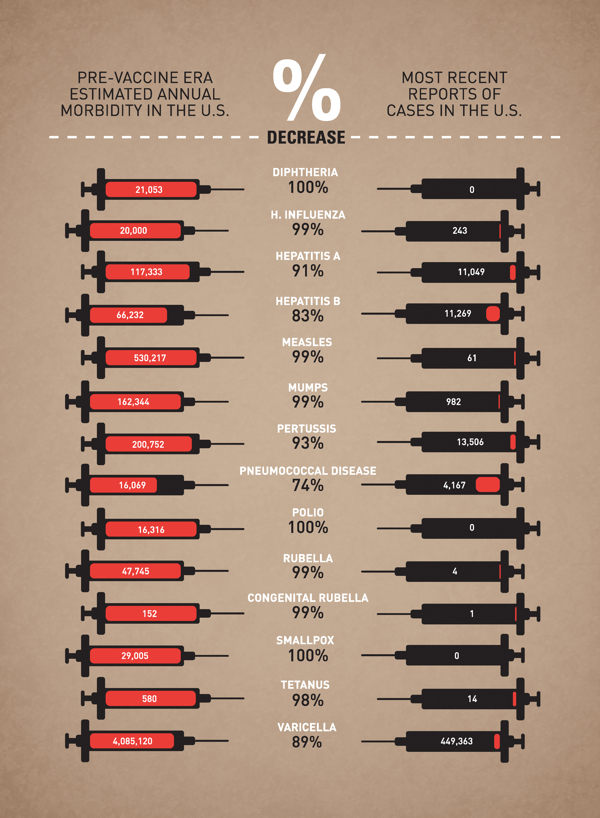
4- Çeşitli hastalıkların aşı bulunduktan önce ve sonra ölüm oranları: How Vaccines Have Changed Our World In One Graphic (Link)
Toptan aşı karşıtlarına tokat gibi bir grafik. (Grafikteki rakamlar 2007’den) Sadece Amerika’da difteriden senede >20 bin insan vefat ediyormuş. Difteri aşıları geliştirildikten sonra ise hiç ölüm kaydedilmemiş. Diğer aşıların da istatistiğini paylaştığım linkte ve başka kaynaklardan da bulabilirsiniz. Kaynak: Leon Farrant
‘Ondan da b*k – Bilim’ serisinde farklı bilim soslu safsatalar hakkında yorumlarımı sunuyorum. ‘Az iş çok laf’ serisinde ise Fikri’yle beraber genelde, başarılı, bilgili ve ‘cool’ insanlarla hafif konularda muhabbet ediyoruz. Twitter’da #AzIsCokLaf ya da #Ondandabok hashtaglerini kullanarak öneride bulunabilirsiniz. (Not: Yavaş konuştuğumu düşündüğünüz bölümlerde Spotify ya da Youtube’un 1.2x hızlandırma özelliğini kullanabilirsiniz)
Ondan da b*k – Bilim: Bölüm 1: Bilim ve insan (01/02/21)
Bu bölümde bilimin kendisi ve bilim insanları arasındaki ilişkiden bahsedeceğim (Not: ironi içerir – her ne kadar da bu konuda fazla yetenekli olmasam da 😉 )
Bence (az ya da çok farketmez) veri analizi veya yorumlaması yapan her genç bilim insanının okuması gereken 5 kitap: 1- The Art of Statistics: How to Learn from Data (D. Spiegelhalter)
Fizik, Biyoloji, Kimya, Jeoloji gibi ‘doğal bilimler’ dünyasının en gözde basım evlerinden biri olan Nature Publishing Group’un (@nature) 2016’dan beri her sene yayınladığı ‘Nature Index’ (2020) sıralaması açıklandı geçenlerde.
2- Dr Amy Cuddy’nin TED Talks konuşması – bölümün yayınlandığı günde toplam >60 milyon insan izlemiş (Link)
3- Google Scholar – merak ettiğiniz akademisyen/bilim insanının ismini yazmanız yeterli genelde (Link)
4- Blog yazım: Müslüman bir genetikçi olarak evrim teorisi hakkında görüşlerim (Blog) (Not: yayında bahsettiğim yazı da 2009’da kaleme alınmıştı – isterseniz blogumda paylaştığım ingilizce yazılar arasından araştırıp bulabilirsiniz 😀 )
5- Blog yazım: Okuduğumuz sağlık haberleri ne kadar doğru? (Blog)
6- Gözlem, hipotez ve (deneyle desteklenmiş) teori üzerine bir bilgisel (Twitter)
Bu yüzden genel halka oranla milyoner olma “isteği"* ya da milyoner olmayı gerektiren “şartlar”* doktora yapanlar arasında daha düşük oranlarda olacaktır ve bundan dolayı basit bir analiz yaparsanız doktora yapmakla milyoner olma arasında NEGATİF bir ilişki bulursunuz. pic.twitter.com/VR5BsPvQEp
— A. Mesut Erzurumluoğlu (@mesuturkiye) May 23, 2020
“Doktora yaparsanız fakir olursunuz” (şimdi silinmiş)tweetinin problemleri üzerine epidemiyolojik bir bilgisel yazmıştım
‘Ondan da b*k – Bilim’ serisinde farklı bilim soslu safsatalar hakkında yorumlarımı sunuyorum. ‘Az iş çok laf’ serisinde ise Fikri’yle beraber genelde, başarılı, bilgili ve ‘cool’ insanlarla hafif konularda muhabbet ediyoruz. Twitter’da #AzIsCokLaf ya da #Ondandabok hashtaglerini kullanarak öneride bulunabilirsiniz. (Not: Yavaş konuştuğumu düşündüğünüz bölümlerde Spotify ya da Youtube’un 1.2x hızlandırma özelliğini kullanabilirsiniz)
‘Ondan da b*k – Bilim’ serisinde farklı (aşı karşıtlığı, düz dünyacılık, ırkçılık gibi) bilim soslu safsatalar hakkında kısaca yorumlarımı sunacağım. Konular ağır olduğu için – seri biraz eğlenceli olsun diye – araya Kemal Sunal filmlerinden replikler de ekleyeceğim.
Not: Bu seri bol bol ironi içerir – her ne kadar da bu konuda fazla yetenekli olmasam da 😉
Gönül muhabbet ister podcast bahane! 🙂 Genelde, başarılı, bilgilive ‘cool’ insanlarla hafif konularda muhabbet ediyoruz. Twitter’da #AzIsCokLaf hashtagini kullanarak öneride bulunabilirsiniz. (Not: Yavaş konuştuğumuzu düşündüğünüz bölümlerde Spotify ya da Youtube’un 1.2x hızlandırma özelliğini kullanabilirsiniz)
Az İş Çok Laf – Bölüm 9: 70’lerden bu yanaTürk futbolu – Kadir Özcan (14/01/21)
Bu bölümde, 70’lerde İngiltere’ye gelen – Leicester’lıların “futbolcu Kadir abisi” – Kadir Özcan’la anıları, ve Türk ve Dünya futbolunun son 40-45 senesinde aklında kalan futbolcular, takımlar ve maçlar hakkında konuştuk
Kadir abinin Türkiye ligi karması/kadrosu:
Kale (biri): Ilie Datcu/Turgay Şeren
Defans: Alpaslan Eratlı (sol), İsmail Arca, Fatih Terim/Popescu, Turgay Semercioğlu (sağ)
Ortasaha: Yusuf Tunaoğlu, Alex/Hagi, Emre Belözoğlu/Oğuz Çetin
(Not: Yabancı futbolcular için Türkiye’de oynadıkları dönemi sayıyoruz – öbür türlü Roberto Carlos, Pepe, Eto’o, Drogba, Meireles gibi futbolcuları eklememek olmazdı. Eğik çizgiyle (“/”) ayrilan futbolcular maçına göre alternatif veya aynı seviyede futbolcular olarak eklendi)
Gönül muhabbet ister podcast bahane! 🙂 Genelde, başarılı, bilgilive ‘cool’ insanlarla hafif konularda muhabbet ediyoruz. Twitter’da #AzIsCokLaf hashtagini kullanarak öneride bulunabilirsiniz. (Not: Yavaş konuştuğumuzu düşündüğünüz bölümlerde Spotify ya da Youtube’un 1.2x hızlandırma özelliğini kullanabilirsiniz)
Az İş Çok Laf – Bölüm 8: Kazandığı burslarla Bill Gates’i batıran kız – Mine Köprülü (05/01/21)
Bu bölümde, Lisans, Master ve Doktorayı (Cambridge Üniversitesi, University College London gibi)İngiltere’nin en iyi üniversitelerinde (United World College of Atlantic, Gates Foundation gibi kurumlar aracılığıyla)tam burslu olarak okuyan Mine Köprülü’yle hayat hikayesi, akademik çalışmaları ve hayalleri hakkında konuştuk
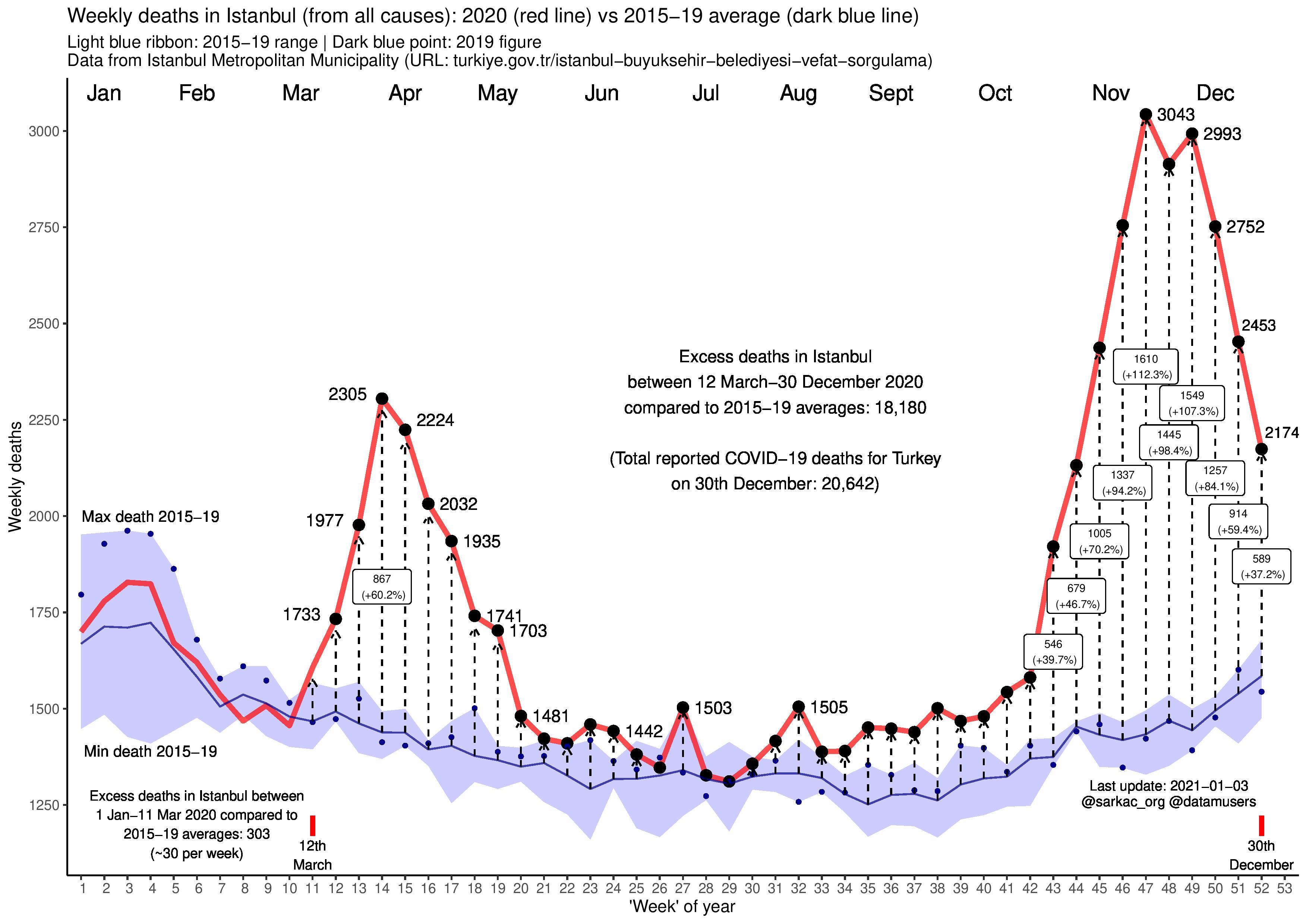
Figure showing excess ‘all-cause’ mortality in Istanbul (Turkey-wide data currently not available) in 2020 compared to 2015-19 averages – up to and including 30th December. We see a sharp increase in the number of excess deaths from week 11 onwards (i.e. 12th March onwards) – the week when the SARS-CoV-2 outbreak seems to have really took off in Istanbul. Reported number of total COVID-19 deaths on 30th December for Turkey was 20,642 (Reported number of total COVID-19 deaths on 25th October for Istanbul was 3,253 – last update; source: Ministry of Health/Sağlık Bakanlığı). But between 12th March and 30th December, we estimate excess deaths in Istanbul alone to be ~18,180 (NB: excess deaths were ~30 per week between 1st January and 12th March). Our estimate most likely points to either/both (i) an underestimation of deaths directly caused by COVID-19 and/or (ii) excessive deaths indirectly related to the current COVID-19 epidemic in Turkey. Both reasons deserve an extensive investigation by the media. Important notes: This figure will be updated and shared on my Twitter feed every few weeks until the end of 2020 (the commentary below – posted 25th May 2020 – will not be updated). The current (red line) plot finishes on the 52nd ‘week’ (i.e. 7-day interval) of 2020 which corresponds to 30th December, but the figures were updated on the 3rd January 2021 because the data provided by Istanbul Metropolitan Municipality is being updated retrospectively – which stabilises after ~7 days. Further details on Istanbul’s death figures can be found here (Mayor of Istanbul’s statement and additional analysis carried out by Financial Times’ analysts) – including details about the initial confusion on whether these figures are ‘burials in Istanbul’ or ‘all deaths in Istanbul’. Plot wholly generated using the ggplot2 library in R.
Prominent newspapers in Turkey (e.g. Cumhuriyet, BirGün, duvaR, T24 – with >1M followers)have picked up on our analysis (incl. commentaries such as: Sınırlı veri, sınırsız pandemi)
Commentary/discussion (25/05/2020)
Excess ‘all-cause mortality’ (that is, deaths from all causes – not just COVID-19) is probably the most informative statistic when comparing countries as there is no standard in reporting COVID-19 deaths between countries (e.g. differential PCR-based testing accuracy, cause of death coded differently e.g. dying with vs due to COVID-19). Premature deaths are also the ultimate outcome to prevent* and easy to measure – making it less likely to be affected by measurement error. Excess all-cause mortality comparisons have their own caveats when comparing all the countries in the world as many countries aren’t transparent even in this regard (e.g. isolated and/or autocratic countries). However, we can still access reliable data from plenty of developed and developing countries – including cities with relatively autonomous local governments (e.g. Istanbul) in countries known to have ‘transparency’ issues.
All-cause mortality statistics can be very useful for acountry/government to analyse how good it is tackling the multi-factorial challenges posed by the epidemic. As is shown in the above figure, analysing excess all-cause mortality will point us to deaths directly and indirectly related to the SARS-CoV-2 epidemic in Turkey. The indirect reasons include (not exhaustive): (i) people being scared to go to hospitals when they should have (and therefore died and not tested), and (ii) when they do, they may not have received the treatment they otherwise would have got due to insufficient number of beds, doctors/nurses.
I really like this figure by the Office of National Statistics (ONS; United Kingdom) as it can be very informative in preventing further unnecessary deaths. An analysis like this can point us to the indirect causes of excess deaths due to the epidemic. For example, there seems to be more people dying of Dementia/Alzheimer disease in England in April 2020 compared to the previous years, thus the causes of this spike should be further looked into (e.g. is it misdiagnosis or due to insufficient treatment?). There also seems to be less dying because of ischaemic heart disease, which probably means some of those who would have died in 2020 because of heart disease died due to COVID-19 – which makes sense as most who have died from COVID-19 were >65 aged men. Turkey (and all countries) should also make this data available. Image source: ons.gov.uk
We should note that (i) 2020’s Istanbul is a relatively less lively city than 2015-19’s Istanbul (e.g. less traffic on the roads and people on the streets) as there have been varying lockdown measures in the last couple of months, and (ii) we do not have access to Turkey-wide data to estimate what the total excess death figure in Turkey is. In our analysis we calculate excess deaths in Istanbul by comparing 2020’s results with 2015-10 averages. So, it is possible that the excess deaths are even higher in Istanbul (and most metropolitan cities around the world). This is something the Turkish government needs to be transparent and open to suggestions/improvement about. They clearly need help but only transparency can ensure that there is minimal unnecessary deaths.
The reasons behind excess deaths and whether the government could have done something about them should also be factored into whether a government is successful or not as very high excess all-cause mortality figures will show that they have tried to tackle this multidimensional problem using narrow-minded approaches. Especially the media need to ask the right questions (e.g. why is Turkey-wide data not available? what are the causes of these excess deaths? what is being done about them? who are advising the Turkish government?).
Aside from current excess deaths, long-term strategies should also be carefully taken – as although current excess deaths maybe low now for some countries (possibly including Turkey – we don’t know for sure), it may end up being as bad as other ‘poorly’ performing countries come the end of 2020 (with the additional ‘double whammy’ of destroying the economy of the country due to stricter lockdown measures). I therefore do not share the view of many academics who are repeatedly calling some countries ‘very successful’ as I think it’s too early to call any country ‘successful’ now. For me, there can only be ‘unsuccessful’ countries at the moment (e.g. Brazil seems to be a clear example of this – unless there are huge changes in policy by the government).
Finally, I value this exercise as I don’t think the media in Turkey is doing a good job of looking into what is causing these additional deaths. I will stop contributing to these analyses once I feel this issue is being properly looked in to by the government and the media**.
I am open to suggestions and criticism regarding these analyses. I am also happy – with appropriate attribution – for anyone to use the figure or the contents of this blog post (including direct Turkish translations).
Thanks for reading!
The official Covid-19 death toll worldwide is above 440,000
But in 27 countries alone, the BBC found at least 130,000 more excess deaths during the pandemic that were not directly attributed to coronavirus
— A. Mesut Erzurumluoğlu (@mesuturkiye) May 25, 2020
Footnotes:
*If I was to provide an extreme example just to prove the point, imagine if whole of the UK was infected (e.g. due there were no lockdowns imposed or the lockdowns didn’t work at all, no education of the public regarding the spread) but there was no deaths from COVID-19 in the country because of world-class treatment provided to all those who were hospitalised, then we could safely say that the UK government/country was very successful. And vice-versa, if the total number of cases was only 100,000 in the whole country but all 100,000 died, then we could easily say – although the lockdowns etc. have worked – that government/country did a terrible job of handling the epidemic.
**There is criticism from some of my Turkish followers on why I’m not doing a similar analysis for the UK (my country of residence). However, similar – and better – analyses have been/are being carried out by scientists and the media professionals for the UK. Needless to say, the media, academia/intelligentsia and civil society in the UK is (i) more inquisitive, and (ii) have considerably more ‘know-how’ than their Turkish counterparts.
PS: Turkish version of the figure will appear on Sarkaç’s Twitter page (@sarkac_org) and blog every week – without the above commentary, as this is solely mine and does not necessarily reflect the views of Sarkaç.
PPS: I’m very concerned about a lack of preparation for an impending (large) earthquake in/near Istanbul. Combining this with more people being at home due to the epidemic, I fear the worst. The government and media must get on this matter as soon as possible.
It is not the strongest of the species that survives, nor the most intelligent that survives. It is the one that is most adaptable to change – attributed to Charles Darwin
“How did you get accepted to Cambridge?”
I saw a tweet a while ago which said something along the lines of: “If you’ve been asked the same question three times, you need to write a blog post about it”. I get asked about how I got my current postdoc job at the University of Cambridge all the time. Therefore, I decided to write this document to provide a bit of a backstory as I did many things over the years which – with a bit of luck – contributed to this ‘achievement’.
It is a long document but hopefully it will be worth reading in full for all foreign PhD students, newPostdocs and undergraduates who want an introduction to the world of academia in the UK. I wish I could write it in other languages (for a Turkish version click here) to make it as easy as I can for you, but I strived to use as less jargon as possible. Although there is some UK-specific information in there, the document is mostly filled with general guidance that will be applicable to not just foreign students or those who want to study in the UK, but all PhD students and new Postdocs.
I can only hope that there are no errors and every section is complete and fully understandable but please do contact me for clarifications, suggestions and/or criticism. I thank you in advance!
To make a connection between academia in the UK and the quote attributed to Darwin above, I would say being very clever/intelligent is definitely an advantage in academia but it is not the be-all and end-all. Learning to adapt with the changing landscape (e.g. sought-after skills, priorities of funders and PIs), keeping a good relationship with your colleagues and supervisors, and being able to sell yourself is as, if not more important. Those who pay attention to this side of academia usually make things easier for themselves.
I hope the below document helps you reach the places you want to reach:
A really useful document for UK PhD students – particularly those from abroad. It's Mesut's personal take, focused on genepi, but there is some really useful stuff here. https://t.co/V4sEy5vXMQ
Twitter’da gördüm sanırım: “Aynı soru sana üç defa sorulduysa bir blog yazısı yazma vakti gelmiştir”e benzer bir cümleydi. Ben de “Cambridge Üniversitesi’ne nasıl kabul aldın?” ve benzeri sorularla pek çok defa karşılaştıktan sonra birşeyler karalamaya karar verdim. Leicester Üniversitesi’nde çalışırken bunun onda biri dahi sorulmamıştı 😉
Doktoraöğrencilerine, doktorayı yeni bitirenlere ve akademik kariyer düşünen gençlere yönelik uzun bir doküman hazırladım. Az da olsa ingilizce terimler kullandım ama merak eden herkes okuyabilsin diye elimden geldikçe azaltmaya çalıştım (Not: iyi derecede ingilizce bilmeyenlerin iyi üniversitelere girmesi, hasbel-kader girdiyse de oralarda tutunması zor).
Okuyacağınız herşey benim şahsi düşüncelerim ve hiçbirine katılmak zorunda değilsiniz. Eminim yazdıklarımda hatalar ve eksikler olacaktır; bunları da bana bildirirseniz dökümanı hep beraber geliştirmiş oluruz. Katkıda bulunanlara da bir şekilde değineceğim. Şimdiden teşekkürler!
Darwin’e atfedilen yukarıda paylaştığım hakikat dolu sözle bir bağlantı kuracak olursam, evet, bir akademisyen için çok akıllı/zeki olmak bir avantajdır. Ama oyunun kurallarını (örneğin ‘arkadaşlarım/hocalarımla aramı nasıl iyi tutarım?‘, ‘iyi makale nasıl yazılır?‘, ‘nasıl fon getiririm?‘i) öğrenmek ve onlara göre adapte olmak da en az o kadar önemli – özellikle akademide oldugu gibi ‘oyun’un kuralları devamlı degişiyorsa… İşin bu kısımlarına da vakit harcayın.
Aşağıdaki dökümanda “Doktora sürecinde nelere dikkat etmeliyim?”, İngiltere’de akademik kariyer opsiyonları, “CV ve ‘Personal statement’ nasıl hazırlanır?“, ‘mülakat anı, öncesi ve sonrası neler yapmalıyım?‘, tez yazarken dikkat edilecekler, makale yazarken dikkat edilecekler ve prosedür, “Hocanızla ilişkiniz nasıl olmalı?” gibi konularda bilgiler ve tavsiyelerim bulunuyor. Umarım yardımcı olur. İlgileneceğini düşündüğünüz arkadaşlarınıza da yollarsanız sevinirim.
Ben de soranlara "akademik eğitim ve araştırma kariyerimle ilgili geriye dönüp baktığımda, hep kritik anlarda dört ayak üzerine düşmüşüm" diyorum
Doktora ve sonrası tanıştığım arkadaş ve Hocalarımın birçoguyla samimiyim – işim düşse ya da referans istesem anında yardımcı olurlar https://t.co/l2KcyPnxwk
Rafşan Çelik’le Cambridge Üniversitesinde Akademisyen Olmak ve İngiltere’de Yaşam, Kültür ve Akademik Hayat uzerine (Instagram üzerinden*) söyleşi yaptık (3:38’de başlıyor).
Doktora arayan arkadaşlar 'Britanya’da okumak/yaşamak' adlı blog yazımdan "Anladıgım kadarıyla Ingiltere’de burslu kabul almak biraz zor"la başlayan soruya verdiğim cevabı okuyup sonra yukarıda paylaştığım dokümanı bakabilirler – böylece daha yararlı olurhttps://t.co/qzFTK0FYWA
İngiltere'de üniversitelerde bu aralar 'REF' (Research Excellence Framework) sezonu. Her 7 yılda bir İngiliz hükümeti üniversitelere belli kriterlere göre milyonlarca pound para veriyor. Bu seferki 2021'de karara bağlanacak. #ingiltere#doktora#phd#cambridge#oxford
Ingiltere’de üniversiteler – genel kurallara uyma dışında – devletten bağımsızdır. Örneğin hepsi kendi fonunu kendi bulur, yani büyük bir şirket gibi işlerler. Fakat en büyük fon 7 senede bir devletten gelir – üniversitelerin başarı seviyesine göre. Bu da onunla ilgili bir Tweet zinciri
Full house! olan bu sıcak, serbest ve samimi toplantı için teşekkür. Toplantı sonrası, Cambridge Üniversitesi'nden genç akademisyen Mesut Erzurumluoğlu'nun @mesuturkiye "İngiltere'de Akademik Kariyer"yazısı herkese dağıtıldı:https://t.co/iimDL0FkrQ
Kıymetli Prof. Hikmet Geçkil Hocamın da bu dokümanı tavsiye ettiğini gördüm ve mutlu oldum. Umarım faydalı olmuştur
Hocam bu kaynak için teşekkür etmek istiyorum, gerçekten çok faydalı. Ağustosta detaylıca okudum, CVmi ve supportive statement ımı ona göre duzenledikten sonraki başvurularimdan bir kabul aldım, bir de Oxford'tan interview offer aldım.
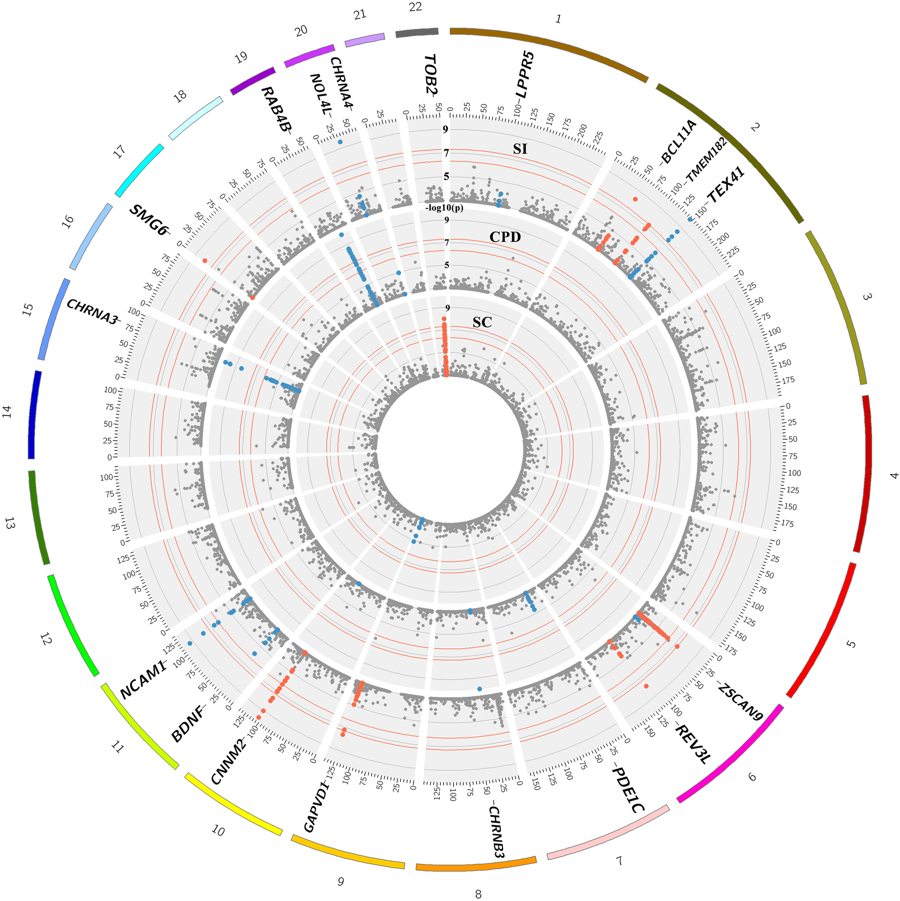
A ‘Circos’ plot (with three concentric circular ‘Manhattan’ plots) presenting results from our latest genetic association study of smoking behaviour – showing some (not all) regions in our genome that are associated with smoking behaviour (Erzurumluoglu, Liu, Jackson et al, 2019). SI: Smoking initiation – whether they smoke or not; CPD: Cigarettes per day – how many cigarettes do they smoke per day; SC: Smoking cessation – whether they’ve stopped smoking after starting. Labels in the outer circle show the name of the nearest gene to the identified variants. X-axis: Genomic positions of the variants in the human genome (chromosome numbers, 1-22, in the outer circle), Y-axis: Statistical significance of the genetic variants in this study – higher the peak, greater the significance. Red peaks are the newly identified regions in the genome, and the blue ones were identified by previous groups. Image source: Molecular Psychiatry
I believe that all scientists should be bloggers and that they should spare some thought and time to explain their research to interested non-scientists without using technical jargon. This is going to be my attempt at one; hopefully it’ll be a nice and short read.
We’ve just published a paper in one of the top molecular psychiatry journals (well, named Molecular Psychiatry 🙂 ) where we tried to identify genetic variants that (directly or indirectly) affect (i) whether a person starts smoking or not, and once initiated, (ii) whether they smoke more. The paper is titled: Meta-analysis of up to 622,409 individuals identifies 40 novel smoking behaviour associated genetic loci. It is ‘open access’ so anyone with access to the internet can read the paper without paying a single penny.
If you can understand the paper, great! If not, I will now try my best to explain some of the key points of the paper:
Why is it important?
Smoking causes all sorts of diseases, including respiratory diseases such as chronic obstructive pulmonary disease (which causes 1 in 20 of all deaths globally; more stats here) and lung cancer – which causes ~1 in 5 of all cancer deaths (more stats here). Therefore understanding what causes individuals to smoke is very important. A deeper understanding can help us develop therapies/interventions that help smokers to stop and have a massive impact on reducing the financial, health and emotional burden of smoking-related diseases.
Genes and Smoking? What!?
There are currently around fifty genetic variants that are identified to be associated with various smoking behaviours and we identified 40 of them in our latest study, including two on the X-chromosome which is potentially very interesting. There are probably hundreds more to be found*. So, it’s hard to comprehend but yes, our genes – given the environment– can affect whether we start smoking or not, and whether we’ll smoke heavier or not. This is not to say our genes determine whether we smoke or not so that we can’t do anything about it.
There are three main take-home messages:
1- I have to start by re-iterating the “given the environment” comment above. If there was no such thing as cigarettes or tobacco in the world, there would be no smoking. If none of our friends or family members smoked, we’re probably not going to smoke no matter what genetic variants we inherit. So the ‘environment’ you’re brought up in is by far the most important reason why you may start smoking.
2- I have to also underline the term “associated“. What we’re identifying are correlations so we don’t know whether these genetic variants are directly or indirectly affecting the smoking behaviour of individuals – bearing in mind that some might be statistical artefacts. Some of the genetic variants are more apparently related to smoking than others though: for example, variants in genes coding for nicotine receptors cause them to function less efficiently so more nicotine is needed to induce ‘that happy feeling‘ that smokers get. Other variants can directly or indirectly affect the educational attainment of an individual, which in turn can affect whether someone smokes or not. I’d highly recommend reading the ‘FAQ’ by the Social Science Genetic Association Consortium (link below) which fantastically explains the caveats that comes with these types of genetic association studies.
3- Last but not least, there are many (I mean many!) non-smokers who have these genetic variants. I haven’t got any data on this but I’m almost 100% sure that all of us have at least one of these variants – but a large majority of people in the world (~80%) don’t smoke.
Closing remarks
To identify these genetic variants, we had to analyse the genetic data of over 620k people. To then identify which genes and biological pathways these variants may be affecting, we queried many genetic, biochemical and protein databases. We’ve been working on this study for over 2 years.
Finally, this study would not be possible (i) without the participants of over 60 studies, especially of UK Biobank – who’ve contributed ~400k of the total 622k, and (ii) without a huge scientific collaboration. The study was led by groups located at the University of Leicester, University of Cambridge, University of Minnesota and Penn State University – with contribution by researchers from >100 different institutions.
It will be interesting to see what, if any, impact these findings will have. We hope that there will be at least one gene within our paper that turns out to be a target for an effective smoking cessation drug.
Meta-analysis of up to 622,409 individuals identifies 40 novel smoking behaviour associated genetic loci – by Erzurumluoglu, Liu and Jackson et al https://t.co/vTxzjOPlpm
*in fact we know that there is another paper in press that has identified a lot more associations than we have
Great to see this published today in Molecular Psychiatry. A huge team effort, using data from 60 studies and @uk_biobank, to further our understanding of the biology behind #tobacco#addiction. https://t.co/0sGD3Q40yr
Ben 12 yaşındayken (2000) ailecek İngiltere'ye taşındık ve ingilizcem neredeyse sıfırdı. Bunu duyan (Karen Holman adında) Sınıf Öğretmenim, kendimi evimde hissedeyim diye tüm arkadaşlarıma Türkçe cümleler dağıtmış. Sınıfa girer-girmez arkadaşlarımın hepsi bana "Hoşgeldin" dediler





 An ordinary blog by an ordinary bloke
