by Dr A. Mesut Erzurumluoğlu | Principal Bioinformatician at Bicycle Therapeutics (formerly at Boehringer Ingelheim, and Univs. of Cambridge, Leicester & Bristol) – blogging since 2006. All views mine unless stated otherwise
It is not the strongest of the species that survives, nor the most intelligent that survives. It is the one that is most adaptable to change – attributed to Charles Darwin
“How did you get accepted to Cambridge?”
I saw a tweet a while ago which said something along the lines of: “If you’ve been asked the same question three times, you need to write a blog post about it”. I get asked about how I got my current postdoc job at the University of Cambridge all the time. Therefore, I decided to write this document to provide a bit of a backstory as I did many things over the years which – with a bit of luck – contributed to this ‘achievement’.
It is a long document but hopefully it will be worth reading in full for all foreign PhD students, newPostdocs and undergraduates who want an introduction to the world of academia in the UK. I wish I could write it in other languages (for a Turkish version click here) to make it as easy as I can for you, but I strived to use as less jargon as possible. Although there is some UK-specific information in there, the document is mostly filled with general guidance that will be applicable to not just foreign students or those who want to study in the UK, but all PhD students and new Postdocs.
I can only hope that there are no errors and every section is complete and fully understandable but please do contact me for clarifications, suggestions and/or criticism. I thank you in advance!
To make a connection between academia in the UK and the quote attributed to Darwin above, I would say being very clever/intelligent is definitely an advantage in academia but it is not the be-all and end-all. Learning to adapt with the changing landscape (e.g. sought-after skills, priorities of funders and PIs), keeping a good relationship with your colleagues and supervisors, and being able to sell yourself is as, if not more important. Those who pay attention to this side of academia usually make things easier for themselves.
I hope the below document helps you reach the places you want to reach:
A really useful document for UK PhD students – particularly those from abroad. It's Mesut's personal take, focused on genepi, but there is some really useful stuff here. https://t.co/V4sEy5vXMQ
Many of today’s scientists (incl. myself a lot of the time) have probably lost touch with some of the central tenets of being a scientist – instead titles, number of published papers and grant money brought in becoming more important than the societal impact of their publications and how much they contributed to human knowledge. A shoddy paper published in Nature/Science/Cell (especially if cited/talked about a lot) carries far more weight than a solid paper in a less glamorous journal. An academic who brings in grant money – doesn’t matter if he/she wastes it on shoddy or average research – is far more important (i.e. they will be promoted and bring in further funding easier as they already brought in some before) than one who chooses to concentrate on producing solid research but struggles to bring in money e.g. due to a lack of funding in their specific field or publishing papers in non-glamorous journals due to ‘non-exciting’ results as they didn’t add a spin to their conclusions (click here for other examples). Some of the papers published in prestigious journals in my field would not have been accepted if the senior authors of the same papers were the reviewers – many seem to apply a less stringent criteria to their own papers. The relationship between editors and some senior scientists is also opaque which is ultimately damaging to science. Image source:naturalphilosophy.orgHell for academics and researchers (NB: The list is loosely ordered and is not an exhaustive one). Of course, inspired by Dante’s Nine levels/layers/circles of Hell
A few months ago, I spent almost a week trying to replicate a published “causal” association which had received >500 citations in the last 5 years. My aim was to provide a better effect estimate and to do this, I used two different datasets, one with similar and another with a larger sample size. However, both of my analyses returned null results (i.e. no effect of exposure on outcome). Positive controls were carried out to make sure the analysis pipeline was working correctly. Ultimately, I moved on to other ‘more interesting’ projects as there was no point spending time writing a paper that was probably going to end up in a ‘not-so-prestigious’ journal and never going to get >500 citations or be weighted heavily when I apply for grants/fellowships.
Consequently, inadvertently I contributed to publication bias on this issue – and no other analyses on the subject matter were published since the original publication, so I am sure others have found similar results and chose not to publish.
State of academia (very generally speaking): Really talented and successful people working like slaves for unimportant academic titles and average salaries. What’s worse is that the job market is so fierce that most are perfectly happy(!) to just get on with their ‘jobs‘ and do what they’ve always been doing (Note: this is my first attempt at drawing using Paint 🙂 )
However, I have changed my mind about publishing null/negative results after encountering Russell, Wittgenstein and others’ long debates on proving ‘negative’ truths/facts (and in a nutshell, how hard it is to prove negatives – which should make it especially important to publish conclusive null findings). These giants of philosophy thought it was an important issue and spent years structuring their ideas but here I am, not seeing my conclusive null results worthy of publication. I (and the others who found similar results) should have at least published a preprint to right a wrong – and this sentiment doesn’t just apply to the scientific literature. I also think academics should spend some time on social media to issue corrections to common misconceptions in the general public.
Recommended podcast on philosophy: from the pre-Socratic period to the master himself (incl. Plato & Aristotle), from Islamic Golden Age (e.g. Avicenna, Averroes) to Aquinas, Descarte, Kant…https://t.co/fFeS6YnQtL
This also got me thinking about my university education: I was not taught any philosophy other than bioethics during my undergraduate course in biological sciences (specialising in Genetics in the final year). I am now more convinced than ever that ‘relevant’ philosophy (e.g. importance of publishing all results, taking a step back and revisiting what ‘knowledge’ is and how to attain ‘truth’, how to construct an argument1, critical thinking/logical fallacies, what is an academic’s intellectual responsibility?) should be embedded and mandatory in all ‘natural science’ courses. This way, I believe future scientists and journal editors would appreciate the importance of publishing negative/null results more and allow well-done experiments to be published in ‘prestigious’ journals more. This way, hopefully, less published research findings are going to be false2.
References/Further reading:
Think Again I: How to Understand Arguments (Coursera MOOC)
Ioannidis JPA. Why Most Published Research Findings Are False. PLoS Med. 2(8): e124 (2015)
How Life Sciences Actually Work: Findings of a Year-Long Investigation (Blog post)
A gross generalisation but unfortunately there is some truth behind this table – and it’s not even a comprehensive list (e.g. gatekeepers, cherry picking of results). Incentives need to change asap – and more idealists are needed in academic circles!
*the title comes from the fact that today’s natural scientists would have been called ‘natural philosophers’ back in the day
Önemli not (13/04/20): Evrim teorisine inanan, daha doğrusu, çok kuvvetli delillerin olduğunu gören/ögrenen/bilen, bir müslüman (ilgilenenler için ‘Neden ve nasıl bir müslümanım?’ bölümü en altta) ve bilim insanı olarak bu yazıyı Şubat 2018’de (bugün yazsam biraz farklı bir dil kullanırdım ama) evrime ve evrim teorisine inanmayan müslümanlar için paylaştım. Fazla genetik terim kullanmadan, herşeyi kendimce basitleştirdim (önerilere açığım)… Teknik bilgi ve detay isteyenler en yeni evrimsel biyoloji kitap ve makalelerini okumalı. İngilizce bilenler zaten benim yazımdan ziyade direkt Richard Dawkins’in ‘The Greatest Show on Earth: The Evidence for Evolution’ kitabını okusun.
Baştan sona (dipnotlar da dahil) okumayanlar lütfen cevap yazmasın çünkü özellikle giriş kısmı fazla basitleştirildiğinden yanlış anlaşılabilir.
‘Tree of life’ (Hayat ağacı) – karşılaştırmalı DNA analizi yapılarak oluşturulmuş bir figür. İnsanlar (Homo sapiens) ‘Opisthokonts/Animals’ grubunun içinde, çünkü genomumuz ve hücrelerimiz en çok onlarınkine benziyor. Hatta bize genetik olarak en yakın türlerden biri olan şempanzelerle genetik dizilişlerimiz çok yüksek oranda benzerlik gösteriyor ve bizdeki genlerin >%90′ının aşağı-yukarı aynısı onlarda da var. Ayrıca virüsten bakteriye, bitkilerden insana kadar her canlının aynı genetik malzeme/aparat/kod olan DNA’yı kullanıyor olması hala kafamın almadığı birşey ve bu – tek bir Yaratıcının olduğuna inancımı güçlendirmekle beraber – her canlının evrimsel bir ‘aile’nin bir bireyi olduğunu da kanıtlıyor (Image source URL: evolution-textbook.org)
Nerede okudum hatırlamıyorum fakat “bir soru sana üç kez sorulduysa artık blog yazısı yazma vakti gelmiştir” gibi birşey okumuştum birkaç ay önce. Hoşuma gitmişti ve “ben de zamanım oldukça böyle yapmaya çalışacağım” diye kendi kendime karar vermiştim.
Genetik mezunu olduğum ve şimdiki araştırmalarımda da insan genetiğiyle* ilgilendiğim için neredeyse her tanıştığım (özellikle islami camiadan) insan bana evrimden bahsediyor ve fikrimi soruyor. Belki de 30-40 defa aşağı-yukarı aynı şeyleri söyledim son birkaç sene içinde. Birçoğu cevabımı beğenmeyip bir daha yanıma yaklaşmadı ama olsun 😊 Önemli değil. Insanlara kendimi beğendirmeye çalışmayı yıllar önce bıraktım. Insanların da biraz başka fikirlere açık olması, “benim bildiklerim de belki yanlış olabilir” diyebilmesi lazım ama neyse; konumuz bu değil…
Evrim teorisi ve İslam dini/Tanrı inancı konusunda söylenecek çok şey olsa da kısaca fikirlerimi buraya dökmek istiyorum. Önce bilim dunyasındaki gözlemlerimi sıralayacağım, sonra da kendi fikirlerimi ekleyeceğim:
Gözlemlerime göre Avrupa’da biyoloji ve fizikle ilgilenen bilim insanları arasında evrim teorisine hiç inanmayanların sayısı belki de binde bir. Bunların hemen hemen hepsi evrim teorisini çok mantıklı buluyor ve (benim gibi) aralarında Tanrı’ya inananları dahi Tanrı’nın ilk canlıyı yarattıktan sonra diğer milyonlarca türü evrim mekanizmasını kullanarak yaratmış olabileceğine inanıyorlar. Evrim teorisini mantıklı bulmalarının sebebi ise “İslami” kesimden birçok kez duyduğum “vicdanlarında doğruyu biliyorlar ama nefislerine yenilmişler” gibi saçma-sapan bir sebepten dolayı değil, farklı metotlarla elde edilmiş tonlarca datayı analiz ettikten sonra (bir ’empiricist’ olarak) teorinin doğruluğuna gerçekten inanmalarıdır.
Bilimsel bir teoriyi yıkmanın yolları belli – yine bilimle. Ve korkmayın sizden, benden daha akıllı insanlar da bu teoriyi yıkmak ya da geliştirmek adına her tür soruyu sordular ve deneyi yaptılar. Fakat Evrim teorisi bu bilimsel ‘saldırılardan’ daha da güçlü çıktı.
Basit bir şekilde ‘Evrim’ nedir (sağ-alttaki)? Ne değildir (sağ–üstteki)? Bütün canlılarla – maymunlarla da – akrabayız ama maymundan gelmedik! Figurde de görüldüğü gibi evrim teorisine göre ortak bir atamız vardı (Source: matthewbonnan.wordpress.com). (Not: ‘Harun Yahya’ grubunun ‘Atlas of Creation/Yaratılış atlası’ adlı bir kitabı vardı ve daha 20’nci sayfada fecaat bir evrimsel ‘ara form’ tanımı vardı orada – tabi yanlış olduğunu genetik okuduktan sonra anladım: evrim varsa, sözde bir denizyıldızı başka bir balık türüne dönüşmeliydi. Ondan esinlenerek ekledim bu figürü çünkü gençken benim de tüm bilim insanlarına karşı güvenimi sarstı bu tarz kitaplar)
Bu konudaki fikirlerime gelince; öncelikle bilim öğrendikçe bize çocukluktan dayatılan (8., 9. ve 10. yüzyıldan kalma ortodoks Sünni) din anlayışının hayat ve hakikatin karşısında bayağı basit kaldığını daha net görüyor insan. Basit bir örnek olarak: itikadi olarak Ehl-i Sünnet mezheplerden biri sayılan Eşariliğin ilk ortaya çıktığı 10. yüzyıl Irak’ına gelecekten bir (müslüman) bilim insanı gelip “Hocam aslında doğmadan çocuğun cinsiyetini öğrenebiliriz, çünkü Y-kromozomu belirliyor bir çocuğun erkek ya da kız olacağını(Allah’ın yarattığı bir mekanizma bu!)” dese ve buna karşılık “sus kafir! sadece Allah bilir ve belirler herşeyi!” cevabı verilse (ve sonra da “itikadi bozuk!” ya da “fitne yayıyor!” diye taşlansa) herhalde şaşırmayız birçoğumuz. Başka (basit ve yukarıdakinden farklı) bir örnek de ‘dünyanın ve içindekilerinin sadece bizim için yaratılmış olması’. ‘Dünya’ (biyolojik manada) kesinlikle sadece ‘bizim için’ yaratılmamış, biz dünyaya adapte olmuşuz: oksijenin az olduğu dönemde dünyada insan yoktu mesela (sonradan ortaya çıktık); ormanda iki gece yalnız kalsak bizi parçalayacak veya zehirleyecek hayvan ve böcek dolu etraf – bakteri/virus/mantar türlerini saymaya bile gerek yok; kulaklarımız bile ses dalgalarını toplayabilmek için çanak anten şeklinde; örnekleri uzatmaya gerek yok… Demek istediğim, o dönemlerde (mezhep imamları gibi) ameli ve itikadi mezhepleri/sistemleri ortaya atan/geliştiren insanlar çok değerli olsalar da bugün artık ‘mızrak çuvala sığmaz oldu’. Bilimin bulduğu-bulacağı şeylere gözümüzü kapatarak bir yere varamayız – bu mantık nihai olarak Allah’ı ve sünnetini daha iyi anlamamıza engel olacaktır.
Evrim teorisi de (ortodoks Sünni) din anlayışımızı temelden sarsan buluşlardan birisi. Bilmeyenler için biraz açıklamaya çalışacağım bu blog yazımda: öncelikle “mikro” evrimin (tırnak içerisinde yazıyorum çünkü ‘mikro/makro’ diye bir ayrım yapılmıyor bilim çevrelerinde – ama insanlar böyle ikiye ayırınca daha iyi anlıyorlar) gözle dahi görülebilen bir olgu olduğunu söyleyerek başlamak istiyorum. Görsek de görmesek de (görmek istemesek de) her tür genetik olarak evrilir ve nihai olarak yaşadığı ortama adapte olur – adapte olmak zorunda yoksa tür zamanla yok olur. Basit bir örnek olarak insanlarda cilt rengi kullanılabilir: Siyahi insanlar nasıl yaşadıkları ortamlara (Afrika’nın güneşine) adapte olmuşlarsa, beyaz insanlar da kendi (az güneşli) ortamlarına adapte olmuşlardır. Bu basit şekliyle evrimdir. Örnek olsun diye: ilk atamız (bizim inancımıza göre Hz. Adem**) belki de siyahiydi. Fakat zamanla (belki binlerce sene sonra) soyundan gelen insanların genlerinde doğuştan cilt renklerini değiştiren mütasyonlar oluştu ve on binlerce yıllık zamandan sonra bembeyaz, simsiyah ve arası tonlarda insanlar ortaya çıkıverdi dünyanın dört bir yanında (detay). Fakat bu tarz evrim illa başka türlere yol açacak anlamına gelmez. Bu örnekte olduğu gibi siyahisi de, beyazı da (ve arası tonlardakiler de) insan. Başka bir örnek olarak geçen senenin grip aşısının bu sene işe yaramamasının sebebi de ‘mıkro’ evrim (mekanizma: Antigenic drift).
İlk Darwin’in bilimsel bir çerçeveye oturttuğu, sonraki 150 yılda daha da geliştirilen ve güçlenen ‘Evrim teorisi’ ise bu ve buna benzer gözlemleri kullanıp işi birkaç adım öteye taşıyor (“mikro” evrimden “makro” evrime). Çok basitleştirerek (avamca; ‘doğal seleksiyon’, ‘mütasyon’, ‘genetik kayma’, ‘gen akışı’ gibi teknik terimlere girmeden) söylersem, diyorki “nispeten böyle kısa zaman dilimlerinde (binlerce senede) bile evrim kendisini gösterebiliyorsa, milyonlarca (hatta milyarlarca) senede başka türlerin ortaya çıkmasına da sebep olabilir. Öyleyse ilk yaşam formlarının ortaya çıktığı ~3.5 milyar sene öncesinden başlayıp bugünlere doğru gelen hızlandırılmış bir film izleyebilsek, şu anda gözlemlediğimiz her canlı türünün o (bakteri gibi tek hücreli) tek atadan evrimleşerek meydana geldigini görecegiz.” Bu hipotezi desteklemek için sadece bir örnek verecek olursam: Bir kara parçası olarak ~88 milyon sene önce Hindistan altkıtasından fiziki olarak ayrılan Madagaskar adasında bulunan on binden fazla bitki türünün %90‘ından fazlasının dünyanın başka hiçbir yerinde bulunmamasının sebebi (“makro”) evrimdir – yani uzun zaman (milyonlarca yıl) boyunca genetik karışım olmadığı için Madagaskar’a adapte olan bambaşka türler oluşmuş.
Şimdi gördügümüz ya da çoktan yok olmuş milyonlarca tür arasındaki ilişkilerin tartışmaya açık spesifik tarafları olsa da – ki elinize düzgün bir evrimsel biyoloji (evolutionary biology) kitabı/makalesi alsanız bunları sıralarlar – bilimsel bir şekilde evrim teorisine toptan karşı çıkmak imkansız hale gelmiştir. Hatta bir adım öteye gidersem, evrim teorisine artık hakikat gözüyle bakan bilim insanı sayısı böyle bakmayandan kat kat daha fazla (“aslında simülasyonda yaşıyoruz” vs. diyenleri de katıyorum bu ikinci gruba). Batıda üst düzey bilim insanlarıyla hemdem olmamışlar için yazıyorum: Bu insanların çoğu inanılmaz akıllı ve açık görüşlü insanlar – hiçbiri laf olsun diye ‘evrimci’ olmuyor. Yazdıkları makaleleri anlamaya kalksak çoğumuzun ilk paragrafta başı ağrır. Fakat genellersem “Orta Doğulular” (ya da müslümanlar) olarak komplo teorilerini çok seviyoruz ve çok kaliteli insanları dahi karalamayı ve aşağı çekmeyi becerebiliyoruz. İnternette bir sürü komplo teorisi yayan sitelerde görebileceğiniz gibi “aslında Tanrı’nın var olduğunu biliyorlar ama ruhlarını Şeytan’a satmışlar; ondan evrim teorisini insanlara pompalıyorlar” tarzı palavralara inanan çok maalesef.
Bilim insanları ellerindeki bulgulara göre evrim teorisine inanıyorlar ve bu teoriyi bir “bilimsel model” olarak kullanıyorlar. Ayrıca Darwin’in 1859’da ilk defa ortaya attığı ‘Evrim teorisi’ de zamanla tabir-i caizse ‘evrilmiştir’ ve bugüne kadar yapılan genetik, paleontolojik, biyokimyasal çalışmalarla bambaşka bir hal almıştır. Yani ‘Harun Yahya’ ve benzeri sözdebilimci/bilim düşmanı grupların sık yaptıgı gibi “Darwin yerle bir edildi!” deyip bunu “evrim teorisi yerle bir edildi!” anlamına getirenlere kanmayın. İngilizler atalarına büyük saygı gösterirler ve Darwin’in ~150 sene önce söylediği birçok şeyin şimdi yanlış olduğu bilinse de, müthiş bir bilim adamı ve biyolojinin her alanına katkısı çok büyük olduğundan, sonraki bilim insanları saygılarından birçok önemli buluşu hala Darwin’e atfeder. Bu yüzden evrimsel genetik alanındaki gelişmeleri fazla takip edemeyen birisine de evrim teorisi sanki hala Darwin’in söylediği versiyonuyla kalmış gibi görünebilir. Evrim teorisi her zamankinden daha güçlü ve neredeyse yıkılmaz (bilimsel) surlar arkasında. Evrim teorisinin yanlış çıkması bilim tarihinin açık ara farkla en büyük şoku olur – bunun için binlerce makalenin yalan/yanlış cıkması gerekir ki böyle birşey imkansız, çünkü bu araştırmaları yapan sadece bir insan ya da grup degil; onlarca farklı ülkeden, yüzlerce farklı alandan (genetik, paleontoloji, veri bilimi, biyokimya) uzman yayınlıyor bu makaleleri.
Evrimi tam anlamayanların en büyük hatalarından biri de türlerin devamlı daha da kompleksleşmesi ve “mükemmelleşmesi” gerektigidir. Böyle birşey yok. Sadece bir örnek olarak Pandalarla ilgili bu (ingilizce) videoyu izleyin. Sadece Panda bile bizim “mükemmellik” anlayışımızla Allah’ın “mükemmellik” anlayışının çok farklı oldugunu gösteriyor. Panda da farklı bir “sanat” ama düz bir insan olarak baktıgımızda (haşa!) hataları çok: tüm gün bambu yiyor ama doğru düzgün sindiremiyor bile. Bu yüzden tüm gün yemek yemek ve kaka yapmak zorunda. Fazla enerjisi olmadığı için de yemek yemenin dışında günlerini uykuda geçiriyorlar.
Ben de yaklaşık on senedir genetik alanındayım ve genetikle ilgili okuduğum akademik makale/kitap sayısı bini geçmiştir. 18 yaşında, Türk insanının birçoğu gibi, evrime kesinlikle inanmayan birisi olarak çıktığım bu yolda, şimdi otuzuna dayanmış ama evrim teorisinin (çok çok yüksek ihtimalle: %99.999…) doğru olduğuna inanan birisi olarak devam ediyorum. Bunları söylerken de beş vakit namazını kılan ve Allah’ın varlığına tüm kalbiyle inanan birisi olarak söylüyorum. Bu konuda degiştigimi de söylemekten hiç gocunmuyorum. Banal olacak ama insan devamlı öğrenmeli ve inançlarını yeni bilgiler doğrultusunda sorgulamalı. Ama insanların çoğu “benim inançlarım doğru çıkmalı!” gözlügüyle bakıyor olaylara ve yanlış olma ihtimalini dahi düşünmek istemiyor – çünkü “bugüne kadar bildiklerim (büyük ihtimalle) yanlışmış” deme cesareti çok az insanda var. Benim öyle bir derdim yok; olmadı.
Evrim teorisi konusunda neden böyle düşündüğümün sebeplerini de kısaca sayarsam: Birincisi, Allah bizi (bilimle, fosillerle vs.) kandırmaya çalışmaz. Ikincisi, ne Kuran’da ne de hadiste, ilk insanların (Hz. Adem ve Havva’nın) yaratılışıyla ilgili mahiyetini tam olarak bilmediğimiz detaylar bulunsa da, insandan önceki canlılarla ilgili neredeyse hiçbir şey yok. Popülasyon genetiği alanındaki araştırmalara göre (modern) insanlar son 150-200 bin senedir bu dünyadalar. İlk canlıların ~3.5 milyar sene önce ortaya çıktığı göz önünde bulundurulursa, insanların dünyada bulunma süreleri bazı türlere nispeten çok kısadır. Eskiden olup da şimdi aramızda bulunmayan bir sürü canlının fosili bulundu (dinazorlar, trilobitler, Neandertallar gibi) – ve eldeki milyonlarca fosile bakıldığında, en geçmiş zamandan şimdiye doğru bir film şeridi gibi canlıları izleyebilsek, ilk canlıların gittikçe daha türlü hale geldiğini ve çogunun kompleksleştiklerini göreceğiz***. Din konusunda uzman değilim fakat bununla ilgili de hiçbir ayet veya hadise rastlamadım (yani “Allah milyarlarca sene önce tek hücreli canlıları yarattı; sonra şunları; sonra da dinazorları…” gibi. Bilen varsa yazsın lütfen). Bütün bunları ve evrim teorisini destekleyen bulguları**** birleştirince Allah’ın bildiğimiz-bilmediğimiz tüm canlı türlerini evrimi kullanarak yaratmış olduğuna inananlardanım.
Benim bir bilim insanı olarak amacım hakikati araştırmaktır – her insanın da böyle olması lazım ama çoğumuz bir şeye inandık mı hakikate dahi gözümüzü kapatıyoruz. Bilime gözünü kapatan, Allah’ın en önemli eserlerinden biri olan ‘kainat kitabı’na da gözünü kapatmıştır. Bilim insanlarının yaptığı gibi sorgulamadan, araştırmadan, diğer uzmanların sordukları sorular üzerine samimane kafa yormadan “benim dediğim doğru!” diyen her insan tam anlamıyla zırcahildir, kibir abidesidir – ve kibir Allah’ın en sevmediği hasletlerden biridir. Allah (kibirsiz) sorgulayan insanları sever; insan sadece sorgulayarak ‘tahkiki iman’a ulaşır.
Ben öğrendiklerim ışığında artık şu noktadayım: Allah tüm türleri (species) evrimle yaratmışsa da şaşırmam; (çok gizemli bir şekilde) direkt yaratmışsa da. Ama (“eviren”in O olduğunu varsayarsak) birinci senaryonun ikincisine nazaran çok daha güzel; akla ve Sünnetullah’a da daha uygun olduğu kanaatindeyim*****. Çünkü ~14 milyar sene önce kainat yaratılıp, bundan ~10 milyar sene sonra dünyadaki ilk canlıya hayat “üflendikten” ve (DNA, metabolizma, algılama gibi) gerekli biyolojik mekanizmalar verildikten sonra evrimle herşey yine Allah’ın akıl sır erdiremediğimiz yüce planı ve koyduğu kurallar içinde/sebep-sonuç dairesinde işlemeye devam ediyor.
Evrim teorisine inanmıyorsanız alternatif teorinizin ne olduğunu düşünmeniz lazım. Bana göre en fazla iki alternatif teoriniz olabilir: Alternatif teori 1: Tüm türler dünyanın yaşamaya elverişli hale gelmesinden, yani ~3.5 milyar yıldan beri varlar ve aynı kalmışlar. Örneğin şempanzeler, tüm dinazor türleri, insan, tüm bakteri turleri, tüm bitki türleri vs. hep vardı ve aynı kaldılar. Fakat bu ‘teori’yi yapılan araştırmalar ve bulunan fosiller desteklemiyor. Görünen, bugünkü türlerin çoğunun sonradan ortaya çıktığıdır – özellikle de çok hücreli canlıların (bkz: canlı türlerinin ortaya çıkma kronolojisi – aşagıda). Alternatif teori2: Evrim sadece diğer canlı türleri için vardı ve insan çok (çok!) sonradan dünyaya ‘ışınlandı’. Bu ‘teori’nin de sorunu, ana yazımda da belirttiğim gibi, DNAmızın birçok hayvan ve canlıyla çok yüksek benzerlikler göstermesi. Ayrıca modern insana benzer, Neandertaller ve Denisovalılar gibi çok yakın insan türlerinden aldıgımız DNA da cabası – atalarımız Afrika’dan çıktıktan sonra onlarla çiftleşmiş ve bugün Afrikalıların dışında neredeyse her millette %1-2 arası Neandertal ve Denisovalı DNAsı var. İnsan biyolojik, fizyolojik ve genetik olarak diğer canlılardan çok farklı bir yaratık olsaydı, bu tarz çiftleşmeler imkansız olmalıydı – ama değiliz!
Uzadı… Kısaca özetlemek gerekirse söylemek istediğim haddini bilen ve gerçeğin peşinde olan bir insan, bilim insanlarının saf olmadığını, çoğumuzdan daha akıllı olduklarını, (bundan bahsetmek bile utanç verici ama) komplo teoricilerin bize anlattığı gibi “aslında biliyorlar ama Şeytan’a hizmet ediyorlar” gibi bir durumun olmadığını bilmesi gerekir. Bilim modellerle ilerler ve biyoloji alanında şu andaki en iyi ‘bilimsel model’ de evrim teorisidir. Ben dahi evrim teorisini kullanarak ilk defa ya da az görülen mutasyonların proteinler üzerindeki etkilerini tahmin etmeye çalışıyorum ve kullandığım algoritmaların başarı oranı %80’lerin üzerinde.
Umarım kendimi anlatabilmişimdir. Bu konu/hamur daha çok su götürür; bu yüzden burada bırakıyorum. Bu arada insanların evrime inanıp-inanmaması beni çok ilgilendirmiyor – yazıyı entelektüel bir sorumluluk olarak gordügüm için yazdım – fakat evrim teorisi düşmanlıgı insanları bilim insanı düşmanlığına, sonra da tamamen bilim karşıtı olmaya doğru ittiğini gözümle gördüm kaç defa (ben de gençken kısmen bu gruptaydım). Böyle insanlar sonra aşı karşıtı, ve ya homeopati ve ‘düz dünya’ gibi saçmalıkların savunucusu oluyorlar. Bunu engellemek için ben de kendi çapımda bana düşeni yapmak istedim******.
Belki ilginç gelmiştir ama yazımda ateizm’den hiç bahsetmedim. Çünkü evrim teorisiyle ateizm farklı şeyler. Ateizm, tanrının olmadığına dair bir inanış, evrim teorisi ise – yukarıda bahsettiğim gibi “tüm canlıların ilk atası”nın ortaya çıkmasından sonra – şu anda dünyada bulunan milyarlarca türün neden ve nasıl ortaya çıktığını açıklamaya çalışan bilimsel bir teori/model/mekanizmadır. Her evrim teorisine inanan ateist değildir çünkü evrim teorisinin dogru olup-olmamasının Allah’ın varlığıyla bir alakası yoktur – aynı dünyanın küre olup-olmamasının da bir alakası olmaması gibi*******. Ayrıca, ateizm evrim teorisinden önce de vardı. Yarın birgün (sanmıyorum ama) evrim teorisi yanlış çıkarsa – örneğin 3.5 milyar senelik bir hayvan fosili bulunursa – ateizm yine var olacak – çünkü ateistlerin Tanrı’nın varlığına inanmamalarının en önemli sebepleri bilimselden ziyade felsefidir (birkaç örnek: neden bu kadar çok kötülük/hastalık/şiddet var? Tanrı varsa, neden saklanıyor? dinler/dindarlarda bulunan bazı hurafeler; mutlak kadir, ezeli ve ebedi bir Tanrı anlayışını “mantıksız” bulmaları). Evet; bugün ateistlerin çoğu evrim teorisine inanıyor ve bunu inanışlarını desteklemek için kullanıyorlar gibi görünüyor ama hepsi değil. Örneğin Çin’de neredeyse ülkenin tamamı ateist/Budist ama evrim teorisini gerçekten anlayanların sayısı nispeten çok azdır. Ateistlerin bakış açısını çok önemli bir ateistin perspektifinden öğrenmek isterseniz Prof. Richard Dawkins’in ‘God Delusion’ kitabını tavsiye ederim. Müslümanlar olarak bizlerin Allah’ın varlığına dair kullandığı her argümana (kendilerine göre) mantıklı cevapları var ama hepsi tartışmalı tabi.
Son olarak, benim müslüman olarak kalmamın sebebi bilim değil, Efendimiz (Sav)’in hayatı ve Kuran-ı Kerim’dir. Bugünün (her dinden) dindarlarının paçozluk ve cehaletini görünce, Efendimiz’i doğru bir şekilde tanımayan bir insanın ateist veya din düşmanı olmasını da kesinlikle yadırgamıyorum.
Okuduğunuz için teşekkür ederim. Yorumlarınızı bekliyorum…
Dipnotlar
*Şu anda Leicester Üniversitesinde (İngiltere) bir Genetik Epidemiyolog olarak çalışıyorum ve grup olarak insanlarda akciger fonksiyonunu ve kronik obstrüktif akciger hastalığını (KOAH) genetik olarak araştırıyoruz. Elimize yüzbinlerce insanın genetik ve fenotipik (yaş, cinsiyet, sigara içiyor mu?) datası geçiyor ve bu bilgileri “süper bilgisayarlar” aracılığıyla istatistiki modellere tabi tutarak (“fit” ederek) hangi genlerin iyi bir akciğer fonksiyonu veya KOAH için önemli olabileceğini bulmaya çalışıyoruz. Umuyoruz ki yaptığımız buluşlar ileride insanlara faydalı bir ilaçla sonuçlansın. Detaylari bu iki yazimda okuyabilirsiniz: Bir bilim ve genetik reklamı & Searching for “Breathtaking” genes. Literally!
**Allah, (150-200 bin sene önce dünyada yaşayan) Homo sapiens‘lerin (modern insanların) arasından ikisine Hz. Adem ve Havva’nın ruhunu ‘üflemiş’ olabilir. Bu benim için şaşırtıcı olmaz. Çünkü, objektif olarak karşılaştırdığımızda, modern insanları Neandertaller (Homo neanderthalensis) ve Denisovalılar (Denisova hominins) gibi diğer insan türlerinden, ve şempanze gibi genetik olarak yakın hayvanlardan ayıran faktörün genler ve biyolojiden çok aradaki ilim farkı olduğunu görüyoruz. Meleklerin Allah’a “Orada bozgunculuk yapacak ve kan dökecek birisini mi yaratacaksın?” sözü bu şekilde de manidar oluyor – çünkü modern insana (Homo sapiens) benzer yaratıklar da birbirlerinin kanını dökmüşlerdi.
****İngilizce bilenlere Richard Dawkins’in “The Greatest Show on Earth: The Evidence for Evolution” kitabını ve yukarıdaki “What is the evidence for evolution?” videosunu tavsiye ederim.
*****Allah bir insanı bile yaratmaya karar verdiğinde o insanı dünyaya ‘ışınlamıyor’. Anne rahminde ~9 ay geçiriyor; sonrasında da belki 20-25 yaşına kadar kendi başına bir ‘birey’ olmuyor o insan. Herşey bir süreç sonucunda yaratılıyor.
******Uydurma bir senaryo çizmek istiyorum: Örneğin, 1920’lerde yaşıyoruz… Bilim fazla ilerlememiş ve büyük bir veba salgını var. Milyonlarca insan ölüyor ve bütün imamlar hutbelerinde: “Bu işlediğiniz günahlardan dolayı Allah’ın bize gönderdiği bir beladır; çekeceksiniz başka çaresi yok!” diyor. Bir bilim insanı da çıkıp “Hayır; benim gözlemlerime göre büyük ihtimal bunun sebebi farelerden bulaşan gözle göremediğimiz birşey. Araştırmam lazım!” dese ve karşılıgında da “Ne demek yani; Allah göndermedi mi bunu? Bu adam Allah’a şirk koşan sapık bir kafirdir!” damgası yese kaçımız – “kafir” damgası yeme ve toplumdan dışlanma pahasına – o bilim insanının tarafında yer alırdık? Evrim’deki gibi ortada herkesin gözle dahi görebildiği birşey var: veba hastalığı. Fakat mekanizma olarak biri “Allah istedi; oldu“, diğeri ise “(Allah istedi/istemiş olabilir – bunu objektif olarak bilemem/kanıtlayamam – fakat) bunun biyolojik sebebi bir bakteridir” diyor.
*******Fakat ‘din anlayışımız’la bir alakası vardır. Eğer din anlayışın “dünya düzdür” diyorsa, tonlarca somut bilimsel delille küre olduğu ıspatlanmış dünyanın küre olup-olmadığını değil, din anlayışını gözden geçirmen/sorgulaman lazım.
Eldeki bulgulara göre, canlı türlerinin ortaya çıkma kronolojisi (Source: bbc.co.uk)
PS: Yıllar önce evrim teorisi ve ateizmle ilgili görüşlerimi 2009’da önce Leicester Üniversitesi öğrencilerinin hazırladığı bir gazetede, sonra da (daha uzun bir şekilde) “God of Science” adlı yazımda paylaşmıştım. O günler ateizm’le ilgili söylediklerimin çoğuna hala katılsam da, evrim teorisi konusunda tamamen değişmişim 🙂 Bunu da gururla söylüyorum. Maalesef sorgulayanların sevilmediği, dogmatik bir milletiz. Hakikatin peşinde koşmanın ve bilimin önemini anlarsak, Allah’ı daha iyi tanıyacağımızı düşünüyorum.
PPS: Yazıyı paylaştığım günün (bugün 12 Şubat’ın) dünyada “Darwin günü” olması da ayrı bir tesadüf/tevafuk.
Ek 1 (18/05/2019): Konuyla ilgili bir Twitter zinciri (thread)
Evrim teorisini anlatma konusunda başarılı bulduğum bir video daha
Kısaca ‘Neden ve nasıl bir müslümanım?’ (ama >%10 da agnostiğim) (Not: önem sırasına göre sıralanmadı)
1- (Tek) Tanrının varlığını (biliyormuş gibi) ‘hissediyor’ olmam
Özellikle baba olduktan sonra bu duygu çok arttı. Oğlumun geçtiği her aşamayı izledim ve bir insanın/canlının nasıl açıklanamaz bir mucize olduğunu gözlerimle gördüm.
(Not: Bu sebep bazen – karşılaştığım olaylar sonrasında az ya da çok – sarsılıyor ama hala önemli bir sebep benim için)
2- İslam dininin özünde çok güzel ve (alternatiflerine göre) özel bir din olması: a) Öncelikle, senin bir yaratıcın var; ona karşı mütevazı ol (Allah’a şirk koşma!) – herşeyi ondan iste (aciz bir mahluk olduğun için de mütevazı ol). b) Kısa ömrünüzde güzel işler yapmaya çalışın; sorumluluk sahibi olun (emri bil maruf, nehyi anil munker); imtihan dünyasındasın: yaptıklarından da yapmadıklarından da sorguya çekileceksin. c) Kesinlikle başkalarının hakkına girme; Allah affedicidir ama her kuluna (fakir-zengin, ünlü-ünsüz farketmiyor) çok değer veriyor – bu yüzden kendi hakkını affetse bile onların hakkını senden alacak. d) Sorgulamaya (tahkiki iman taklidi imandan daha efdal) ve ilim/bilim öğrenmeye (Kıyamet günü, âlimlerin mürekkebi şehitlerin kanından ağır gelir – Hadis) teşvik ediyor. e) Allah’ın “esma-ül hüsnası” (Halim, Rahman, Rahim, Selam gibi) sadece iyilik, sevgi ve affetme temelli değil, (Adil, Kahhar, Kabıd gibi) adalet, zorluk ve ceza temelli isimlerden de oluşuyor. Ayrıca, Batın ve Hakim isimleri de evren ve hayatın – bazı kısımları hoşumuza gitse de gitmese de – neden böyle gizemli, hatta anlaşılmaz ve hakikatinin araştırmaya değer olduğunun bir emaresi…
3- Kuran’daki bazı – bana göre direkt ilahi olduğu belli olan – ayetler: Peygamberi eleştiren/ikaz eden ayetler; “Kulları içinde ancak âlimler, Allah’ı gerektiği tarzda tazim ederler” (Fatir, 28); “İnsan, emek ve gayretinin neticesinden başka şey elde edemez” (Necm, 39); “O, insanı bir damladan yarattı. Fakat bir de bakarsın ki Rabbine apaçık bir hasım oluvermiş!” (Nahl, 4); “Allah size, emanetleri/işi ehline vermenizi ve insanlar arasında hükmettiğinizde adaletle hüküm vermenizi emreder” (Nisa, 58); “O insana kalemle yazmayı öğretendir” (Alak, 4) gibi ayetler…
Direkt ilahi olduğunu düşündüğüm bir ayet daha: Bakara 260. Hz. Ibrahim gibi ‘ulu’l azm’ bir peygamberin bile Allah’tan kalbini mütmain etmesini istemesi ve bu olayın Kuran’da yer alması çok gizemli ve derin bir ayet.
4- Birçok duygusal ya da mantıksal sebep: örneğin, a) İslam’ın yok olmamış ya da Afrika’da birkaç kabilenin inandığı bir din olmaması önemli; b) önceki büyük dinleri ve peygamberleri tasdikliyor (ya da tamamen yalanlamıyor) olması – onların da “ileride gelecek bir peygambere” işaret etmesi (örnek); c) İslamı, Hz. Muhammed gibi doğruluğu (örneğin – Duha suresinde de bahsedildiği üzere – bir süre vahiylerin kesilmesini hiçbir menfi sebeple açıklayamam) ve adaletiyle bilinenve davasına tüm kalbiyle inanmış bir peygamberin (örneğin, günde en az 5 vakit namaz ve her yıl en az bir ay oruç tutmayı hiçbir menfi sebeple açıklayamam), Hz. Ali, Hz. Ömer, Hz. Hamza, Hz. Halid bin Velid gibi ‘kimseye eyvallahı olmayan’, zamanının çok önünde ve (kendi alanlarında) başarılı figürlerin temsil etmesi de inancımın güçlenmesine katkıda bulunuyor. d) Ayrıca, Hz. Muhammed’in ‘veda hutbesi’ni verdikten ve Kuran tamamlandıktan kısa bir süre sonra vefat etmesi de önemli bir delil benim için.
5- Ateizm’in temeli olan Materyalizm’in – bana göre – bazı olguları hiçbir zaman açıklayamayacak olması: Örneğin felsefede ‘Emergent properties’ (ortaya çıkan yeni özellikler) diye bilinen olgu – mesela Hamlet, Savaş ve Barış, Karamazov Kardeşler gibi şaheserlerin yazılmasını hangi fizik kuralı ile açıklayabilirsiniz? Futbolun kuralları nereden geldi? Ortada ‘kreatif’ (ve bana göre Doğa bilimleriyle hiçbir zaman anlayamayacağımız) birşey var. İnsan şuurunun – her ne kadar fiziki alemle (beyin aracılığıyla) bağlantısı olsa da – hiçbir zaman nöroloji, kimya, algoritmalarla vs. tamamen açıklanamayacağına (ve kontrol edilemeyeceğine) inanıyorum. Yani Determinizm’e inanmıyorum; bir yöne meyilli olsak da özgür bir irademizin olduğuna inanıyorum. Ayrıca, şuurun – mahiyetini anlamadığım bir şekilde – ‘tanrısal/metafiziksel’ bir olgu olduğuna inanıyorum.
6- Herkes söylediği için artık banal oldu fakat (bizim ilmimize kıyasen, fizik, matematik, biyoloji, kimya bilgisi) sonsuz bir ilim sahibi bir zaatın anca bu kainatı yaratabileceğine inanıyorum. Bu da Islam’daki (herşeyi bilen, herşeye kadir) ‘Allah’ (‘The God’) tanımına uyuyor.
Fakat gördüğünüz gibi yukarıda saydığım nedenlerin bazıları duygusal, bazıları da mantıksal – ama hiçbiri bilimsel değil! Bunu da kabul ediyorum; agnostik kısmım da buradan geliyor. Kafamdaki birçok sorunun** cevabını bilmiyorum; çok araştırdım; sordum; bildiğini iddia edenlerin de bilmediğini üzülerek gördüm. Şunu da belirtmem lazım: insan hayatın gizemleri karşısında bazen sadece ‘bakakalıyor’. Her zaman yeni şeyler öğreniyor, gözlemliyor ve hayretler içerisinde kalıyorum. Aklımın almadığı konularda haddimi bilip, susuyorum – asla kesin konuşmamaya dikkat ediyorum ama sorgulamaya ve araştırmaya devam ediyorum.
Ayrıca – yazının başında da belirttiğim gibi – eskiden kalma İslam anlayışının da yeni bilgiler karşısında yetersiz kaldığını görüyorum*. ‘Yeni’ fikirlere ve – daha da önemlisi – cesur ilim/bilim insanlarına ihtiyaç olduğunu düşünüyorum.
Varoluşsal sancılar çekiyorum bazı geceleri – özellikle ölüm ve sonrası kafamı çok kurcalıyor. Vefat edenlerden hiçbir bilgi/geri dönüş al(a)mamamız da canımı çok sıkıyor. Orneğin, rahmetli veya başka sevdiklerimiz/saydıklarımız ne yapıyor acaba? Hiç ‘somut’ (?!) bilgisi olan var mı? Son birkaç haftada rahmetli dedemi, Isaac Newton, Cem Karaca, Barış Manço, Sokrat, Muhammad Ali, Robin Williams, Steve Irwin (liste uzun…) gibi farklı insanları da düşündüm – belki saatlerce… Görüşmelerim ve kişisel araştırmalarım sonuçsuz kaldı – tatmin edici birşey çıkmadı. Ondan bir de buradan yazmak istedim – ulaşanlara şimdiden teşekkürler
Dipnot (Kısacaneden müslümanım?)
*İslam, bugünkü (ve belki de son 600-700 yıldır) yaşandığı haliyle (kadınlara, gayrimüslimlere, azınlıklara, bilim ve felsefeye bakışıyla) evrensel bir din değil. Fakat bazı ayetlerin bile sonradan neshedildiğini göz önünde bulundurursak, fanatikler/bağnazlar tarafından sık kullanılan birçok (sahih) hadisin de sonraki hadis/sünnetlerle neshedildiğine inanıyorum. Bu yüzden bir hadis ya da ayeti kullanıp, evrensel değerlere ya da bugünkü bilime ters argümanlar üretenlere:
1- “Bu ayetin sebeb-i nüzulü neydi?” ya da “bu hadis söylendiği dönemdeki/esnadaki şartlar/kontekst neydi?”, ve
2- “O ayet/hadisten sonra bu ayet/hadisle çelişen başka bir ayet/hadis indi mi?”
diye soruyorum. Cevap veremeyenleri de kâle almıyorum…
Özellikle veda hutbesi benim için birçok konuda mihenk taşıdır, çünkü, Efendimizin (sav) en son sözlerindendir ve bugün için bile (cinsiyet ve ırk eşitliği, sosyal ve hukuki adalet, barış içinde yaşama gibi konularda) evrensel mesajlarla doludur.
Fakat şunu da unutmamak lazım: Peygamber dahi ‘zamanının çocuğuydu‘; bu yüzden insanlığın ondan alacağı çok önemli ahlaki, sosyal ve siyasi ders ve ilhamlar olsa da genetik/moleküler biyoloji, paleontoloji, kuantum fizik, kimya, astronomi, elektronik, programlama gibi alanlardaki bilimsel ve teknolojik gelişmelere “Kur’an ve Peygamber bu konularda fazla birşey söylemedi” diye göz kapamak veya önemsememek büyük bir cehalet ve insana verilen potansiyele ihanettir.
**Bazı örnekler: ‘Kader’ nedir? ‘Özgür’ irademiz var mı? Cevap ‘hayır’sa, imtihanın mantığı nedir? Cevap evetse, psikolojik sorunları olan veya (demanslı insanlar gibi) beyninde hasar oluşan insanları nasıl açıklarız? Çocuk ölümleri? Elektrik, insulin, internet, evrim teorisi (ve fosiller), quantum fiziği, aşılar (liste uzun…) gibi çok büyük buluşları peygamberlerin yapmaması ya da tartışmamasındaki hikmet nedir?
Addendum (01/02/16): I now fully believe in the theory of evolution. As you will read below, I had my doubts when I was a teenager/young adult mostly because I wasn’t sure about what the theory was claiming but with accumulating knowledge, my stance on the theory of evolution has totally changed over the years – however, my stance on Atheism hasn’t (changed too much). I still believe in a omnipotent, omniscient, omnipresent God – who works in mysterious (and sometimes painful) ways that we can only partially understand. This piece will remain in my blog as I’d like to observe my evolution throughout the years. (Not: Türkçe bilenler ‘Müslüman bir genetikçi olarak evrim teorisi hakkında görüşlerim‘ adlı yazımı okuyabilirler)
Introduction: Religion v Evolution
There seems to be fierce debates going on all fronts about ‘religion v evolution’ for the last few decades, whether on a TV show, a conference, a gathering etc; since the issue attracts the most audience I guess… The evolutionist side is usually presented/defended by an atheist expert of a certain area of natural sciences (usually a biologist or a physicist) whereas the religious side by a Christian priest or some primary school teacher who doesn’t have a clue about what the opposition is talking about; with no or little in-depth knowledge in evolution, genetics or even any area of science. This makes the whole thing biased, unfair and to put it into one word ‘worthless’. Surely there should be a scientist on the other side too! One could argue some these TV channels are being controlled by atheists and/or anti-theists but this is not within the scope of this post; that could be a subject for another one…
Inevitably of course, after the allotted time is over, the result: ‘religion’ as a whole is humiliated and seem like all of them are false and constitute of a few deceived followers just like the one defending it; whereas the scientist seems to be talking the truth, only the truth and nothing but the truth!
Which definitely is not true… Yes it must be accepted that scientists generally speak with concrete and/or empirical evidence but not when it comes to the matter of evolution of life. In this post I will touch on a few of the famous points atheists use to ‘eliminate’ the claims of the opposition and appear to intellectually defeat them – and I’ll share my verdict on these points also.
Most famous points are the stories and verses in the Bible which contradict scientific evidence such as the belief of Christians (even though that it differs between the thousands of denominations within Christianity) that the Universe was created around six thousand years ago; which is proved to be wrong by modern science when we have dinosaur and other ancient organisms’ fossils which have lived millions of years ago, proof that even the Earth is older than the above mentioned figure let alone the universe (age of universe is thought to be around 13-14 billion years). For any person with common sense of course, if the Bible (or any book) was the word of God; even a single mistake in it will put doubts into people’s minds about its validity as surely the All-wise, All-knowing God should know everything that has happened (as He did them!) and report it accurately…
Atheists sometimes use philosophical questions to silence; for example if God is All-mercy and All-good (just as some Christians state), how come there is so much suffering and destruction? Why did he create evil and the Devil? If God is just, why does a child molester go to Heaven just because he believes? These are questions that have always troubled Christians; this is because the Bible does not provide convincing answers to these questions. As a result these unanswered questions and/or unconvincing answers have led many open minded people to atheism (unfortunately!). But one fundamental point here; is Christianity the only existing religion? For example there are other Abrahamic religions such as Islam (1.5 billion followers) and Judaism (20 million). Then; there are several religions which believe in Karma and reincarnation like Buddhism (375 million) and Hinduism (850 million) which should also be considered (follower counts from here)…
To start off my *current opinions, it is not unreasonable to say that no one can ever declare with full conviction that ‘God doesn’t exist’ because for one to make this bold claim they have to prove to us that they understand everything about everything that exists (let alone the universe), looked everywhere in and outside (with instruments which can detect every single presence) within this existence, or have died and then resurrected and reported that there is no Hell or Heaven, then maybe one will have the right to speak up about the non-existence of God in the concrete sense. But in contrary atheists (especially ones who are scientists) seem to impose a Godless world view and present their beliefs as facts, which cannot be acceptable no matter who you are, scientist or a random person off the street.
My belief is that scientists who propagate atheism are adapting science and/or use science as a disguise to suit and support their materialistic ideology which holds that the only thing that exists is matter. People can believe whatever they want to believe but should not make science a toy or a play-ground of ideologies and must only present facts. One must also understand that believing that life on earth came to being as a series of coincidences requires a bigger faith than believing that a creator was involved during it’s creation. In this sense, atheism could also be classified as a religion. I could use a simple example – using some basic scientific knowledge and mathematics – to present how much faith is required for one to believe that every living thing came alive as a series of coincidences: Let’s have a look at the probability of an average sized protein (made up of ~500 amino acids) forming on it’s own – which requires an amino acid sequence to be completely and correctly arranged (assuming that there is a trial and error mechanism in nature); however I must state the following calculations do require some scientific understanding of how a protein is formed in order to fully comprehend what is going on…
*I am always learning and changing, and some of the things I wrote here may even be wrong – but please read until the end and take note of the bits you feel are reasonable
There are 20 different amino acids, so there is 1 in 20 chance for the correct amino acid to be chosen; For 500 amino acids:
(1/20) to the power of 500 = 10 to the power of -650 (minus)
Correct sequence doesn’t cause a functional protein either! All the amino acids have to be of the L type (other is D) isomer:
(1/2) to the power of 500 = 10 to the power of -150
Amino acids need to bond by a peptide bond at the right place, which complicates the matters
So as a result we get: 10 to the power of -800 as the probability of a single average sized protein to be formed by chance again; again assuming that there is a trial and error mechanism in nature… 10 to the power of -800 is so low (see calculations above) that it is considered ‘improbable’ in statistics (probabilities below 10 to the power of -50 are considered as just theoretical probabilities and not observed in the natural world).
Of course a protein can do **nothing by itself and only a scientist knows how complex an organism is, whether it is made of a single or several cells. Even one of the smallest known free living bacterium, Mycoplasma genitalium (single celled) has 100’s of different proteins. I acknowledge there are many assumptions in this crude calculation, but it serves to show the impossibility of a ‘living’ organism (which replicates and has a metabolism) to form by chance. Now to make matters more realistic, our body is made up of 50 to 100 trillion cells (this number is so large that, if you were to try counting from one, you would die before reaching it). I write these probabilities just to show that believing in ToE is also a ‘faith’ on it’s own. These are only a few of the impossibilities of using the Theory of Evolution (ToE) to try and explain how life on earth began which are not even touched onto by atheist scientists. This is not the way scientists should work and all improbabilities must be acknowledged… Although there are some who try to address these improbabilities (by using how large the universe is and how many galaxies there are etc.), these are mere attempts to give some credibility to their ‘faith’. What if I said that creation of ‘life’ from non-living matter is impossible (0 chance) without divine intervention, who can disprove me? How do you put a probability on ‘abiogenesis’ when we’ve actually never encountered one and don’t have the slightest clue about (apart from a few far-fetched theories)? Therefore – although I’ve used it above with the protein and organism examples – I do not see ‘the probabilities arguments’ as good answers when the ‘origin of life’ is discussed by the atheist party.
Moving on… Atheists (large proportion of them being materialists) also deny the existence of the soul; then one would ask: what is the difference between the dead and the living body just a split second before the death of a person? Have we ever observed dead material come alive? No! Why not? Surely if abiogenesis was something that is relatively common and easy to carry out, we should keep observing it happen all the time. Without God giving life to a living organism, there can be no life; and in the case of conscious beings like us, it is the soul which is the biggest stumbling block to materialism.
I believe in the existence of a God and science increases my faith because I believe that science can only validate the true religion and nullify the false ones; but we must respect the fact that everyone has the right to believe in any religion without compulsion, including atheism! To finalize my opinion in this sense, a debate between knowledgeable atheists and creationists will last forever because we know too little and it is going to come down to a matter of beliefs (with varying degrees of evidence which is never going to reach 100%), so no one has the right to impose their beliefs on the opposition as truth; so atheists must stop tweaking science and selectively reporting to backup their claims and only present facts as facts and theories as theories; and creationists must never try to act like they know everything and they have the right to condemn unbelievers to Hell fire! It is becoming clearer that respect and dialogue is the most needed thing at the moment…
I and many believers in God would have a lot to say in an atheist v creationist debate whether in scientific and/or philosophical grounds but I believe a debate is not the solution but the cause of segregation which is the last thing we need at present! So through dialogue and discussion I will present my ‘beliefs’ and ‘backing evidence’; and everybody is free to present theirs…
**In fact a protein cannot be without other proteins; without protein there can be no DNA; without DNA there can be no protein; without RNA there is no protein; without ribosomes there is no protein; without ATP there is no protein; without mitochondria there is no protein; and the list can go on forever… In short, without a whole cell, there is no protein – but there can be no cell without protein!
NB: The title of this post comes from my belief that God created the natural laws (thus science) therefore He is also the ‘God of science’. He wants us to discover the universe through science and therefore learn about His majestic attributes
Spontaneous Generation
Today if one was to open any biology textbook, the first thing he/she would see is the cell theory which states that “cells can only come from pre-existing cells” for which there is a consensus and not a single evidence is there against it. In 1864, Louis Pasteur – the founder of the cell theory said that he proved to the world that spontaneous generation of organisms from mud, ponds etc was a myth. Thousands of experiments were done after that date by (materialist) scientists to disprove him but they haven’t been able to get anywhere near a living organism even with the technology of today. This finding coupled with the Big Bang theory (widely accepted) laid the foundations to the collapse of materialism, which is founded on the notion of “matter had always existed and will exist forever”.
The first version of the ToE was published (by Charles Darwin) at a time when people believed that spontaneous generation was a recurring phenomena and knew nothing about genetics and the complexity of a single cell let alone a whole organism. Of course with the discovery of these fields the initial version of the theory was put to the ground. Some atheist/materialist scientists were not happy with this of course, but could not come up with other theories which could give scientific backing to their ideologies, so they decided to revise the evolutionary theory with the addition of ‘mutations’. They published everything they could find as evidence to make themselves more acceptable within the public. This can be proved because anything that gives evidence towards the theory is welcomed with open arms; for example “the Piltdown man” which is one of the biggest hoaxes of all time was presented at the British Museum as “the proof that man came from apes” for 40 years (yes forty!). By the way, no evidence against the theory are published in top journals/newspapers; or are ridiculed before reaching a wider audience.
~50 million year old fossil of mite attached to an ant’s head – preserved in amber
Atheist scientists today have given up on the idea that DNA could have formed by chance, so they moved on to the “RNA world” idea because it has the ability to self replicate itself, but this is also in vain because RNA is very unstable and it will degrade within a day even in the best of conditions. So with science strongly suggesting that abiogenesis (life arising from non living material) is impossible, the evolution theory – which is built on materialistic foundations, fails in the first step. Moving on to mutations – which brings about change in the genome of organisms, have been observed to be harmful a large proportion of the time and the ones which seem harmless do not bring about much change (e.g. in humans: changes their hair colour, eye colour etc). Even a single mutation at a critical loci can cause death of an organism let alone several happening at once, so this can in no way give evidence for or explain that everything arose from a single common ancestor. The “irreducibly complex” organs like the eye, ear etc within most organisms refutes the “gradually evolving organs” argument of the theory. The soul, intelligence of humans (why isn’t there a single organism which is anywhere near as intelligent as us?) etc I am not going to even touch upon. As you can see there is not much left of the theory when you take these into account which can explain how life originated and all the species in the world arose. But why is it still being widely propagated? Since I am not an atheist I cannot fully explain it but if I was one, I would have to believe in it since there is no alternative. Which is the point I want to get at: It is not science which causes people to become atheists, it is the atheists who lead some of the science today. We forget that atheism has existed even before ToE… They are not homogeneous in their beliefs also (e.g. some atheists believe: “we are just over-evolved and vain products of the razor-edge tip of trillion-billion-to-one random evolution battles in a universe that has an infinite number of deals at the table. We were one of the winners!” Another atheist may not agree with this statement).
By the way, I also believe that all life is connected but through a single Creator (who has coded our DNA) not through a common ancestor (the latter is the claim of ToE proponents). This is not to say ‘evolution’ (i.e. ‘micro-evolution’) is not a fact, it is; but the ‘Theory’ of evolution is not (which requires ‘macro-evolution’)! There is a big difference; and one should always make the distinction: ToE and evolution are not the same things. I can believe in evolution (i.e. microevolution – terms which are used interchangeably) but not in ToE. Please read on these subjects and see how macro-evolution requires ‘massive’ jumps in the evolutionary sense which is totally against the notion of ToE itself! I heard many state that the ‘tree of life‘ proves ToE, but they’re forgetting that one is bound to come up with a phylogenetic tree if they use something that is common in all organisms just like DNA (and small sub-unit rRNA sequences) – Any algorithm is bound to connect them!
Tree of Life – We’re all connected through DNA, however it doesn’t prove that we all descended from a common ancestor. Multiple origins of life (with God creating them) seems more likely to me as ‘enough’ time hasn’t passed for all the variety/traits to have been evolved – bacteria evolve very quickly and we have been observing them for centuries. None have become species of another kingdom, all stayed as bacteria (Image source URL: http://www.bbc.co.uk)
So what do I believe as the ’causer’ of people to become atheists? At the core, it is ‘ego-centric’ philosophy (and related philosophical questions)!
People have always been troubled with questions like why do good people suffer? Why can’t we see God? Who created God? Why does a child molester go to Heaven because he believes in Jesus? Where is justice? The list against Christianity-centric arguments can go on forever – and none of these questions are convincingly answered in Christianity, which is why most (converted) atheists are former Christians… But again as I stated in the first part; Christianity is not the only religion in the world. Bearing in mind that there thousands of denominations within Christianity too…
Moving on to myself, I believe that I believe in a religion which has not contradicted ‘facts’ of modern science since this day as well as giving convincing answers to the philosophical questions which pop into mind; But because I believe that everyone’s beliefs should be respected, stating it here would make this writing biased. Everyone has the right to believe what they want to believe, even atheism! What I want is, warn people about the wrong propaganda such as ‘science disproving the existence of God’, prevent people becoming atheists straight after they find scientific mistakes in their religion; and hopefully encourage them to look into other religions… People should not give up their belief in God because of the wrong teachings of one religion; not all religions are the same… God has made himself known many times, but people have distorted his messages…
Science is an authentic area and an “authentic” religion should not contradict it; which is why I believe it can be used as an outer source when comparing two religions. Science can only give evidence for the true religion and against the wrong ones, because it is God who created Science – Creator of (wonderful, mindblowing) Science!
Genetics and the ‘Test of Life’
The modern ToE which is founded on the notion that all species we see today have come from a single common ancestor is accepted and used by atheist scientists to strengthen their ideology. Thus they try to lead people who believe in God into thinking that science has disproved their faiths; but as any open minded (and sincere) person who critically analyses the arguments put forward should accept that statistical analysis of the (im)probabilities involved, observable ‘design’ in all organisms (even eyelashes amaze me!), intelligence of humans, the fine tuning of the universe (e.g. Anthropic Principle) and planets are strong arguments against the idea that random events (or “accidents” as many call them!) could have led to all we see today (start by looking at yourself in the mirror).
However I also believe that only science can be used to argue against the theory of “evolution from single ancestor”, thus stating verses from the Bible, Quran, Torah or any other book will not mean anything in the eyes of the scientific community (rightly so!); in other words, scientific theories can only be disproven by science. Here I will touch upon a few more scientific facts (in addition to the ones above mentioned) which are stumbling blocks against this theory; also to make it more understandable I will only use scientific facts about us humans.
We are made up of 50 to 100 trillion cells each of size (approx.) 10 micrometers (think of a millimetre, then divide it by 100). What is astonishing is that each has nearly 2 metres of DNA; sincerely thinking even if the most skilled person was combined with the best of machines, he/she would still not be able to pack this amount of DNA into a single cell the way it is packed in there (seechromatin packaging for further info); not forgetting that the cell needs thousands of other organelles apart from the nucleus (where the DNA is packed) in order to function. Just storing this genetic information is not of any use, it must also be accessible by enzymes (DNA and RNA Polymerases) in order for the genetic code to be translated so that the cell and the organism can carry on with its essential life processes. A sincere person should accept that there is supremely intelligent design involved in the packaging of the DNA (seealso:the processes of Transcription/Translation)…
Moving on to our eyesight; our eyes have been specifically designed not just to make us ‘see’ but also to make our lives more convenient. Humans have the ability to see only within the visible spectrum which covers waves with a wavelength between 390 and 700 nanometers (i.e. visual spectrum). What makes these numbers special is that (with current knowledge), if we were to see waves with longer or shorter wavelengths we would not be able to see the beauty (as in the current sense of colours we perceive) of the creatures around us to full extent due to interference from ultraviolet (UV), infrared (e.g. from heat), radio waves etc which are abundant all around us (when they collide with matter). Another property that should be considered about the eye is the resolution. If we were to see objects or organisms nearer to each other than what we observe now, this would enable us to see bacteria living on the top of other peoples skins, the apple we eat, the air etc, which would make life a misery. To say that nature (via random mutations) ‘thought and designed’ this delicate system would (or should) be laughed at. We can observe that nature does not think nor design anything; but God All-mighty and All-Powerful (whom we cannot comprehend due to our shortcomings) can. The eye is surely a gift from the designer of the universe and living things, whether one thinks this this designer is God (I think it is!), aliens or someone (who has obtained great power) from the future. The same thinking process could be used for the ear too, because if we were to hear waves shorter or of longer wavelengths than our norms, then we would start hearing a background noise from the pumping of our heart, the rotation of our Earth etc again making our life a not a very happy one.
The attention paid to details in organisms also point towards an intelligent designer. Just one example amongst millions of biological pathways/systems/organs which could be used, the eyelashes are a good one to think about. Our eyelashes serve the purpose of protecting our eyes from dust and small particles (also gives our eyes a more beautiful look). They are of a certain length, thickness, curl and frequency which serves its purpose perfectly; because if any of these parameters were different than what they are now, they would have to be shortened each time because they would tangle each time we blink our eyes, causing some blockage of our view while also affecting our concentration, making it a nuisance. I have not touched upon the fact that they stop growing after reaching the ‘perfect’ length. If they grow less than usual, then they wouldn’t serve their purpose. As you can see even an eyelash could lead a person to the Designer. There is no way in my mind that even eyelashes could have evolved, let alone an organism as a whole. ToE is a mere attempt at explaining how certain traits may have come about but can never explain the fine tuning which exists in every single biological pathway of every single organism.
Even one impossible step in any of the arguments of a theory is enough to prove the theory wrong, but the “theory of evolution” has many; and this post (has and) will touch upon a few (without much detail, many books can be and have been written about each point). Evolutionist scientists never talk about how the first organism and its genome came to being; it is just assumed to exist (see ‘living organism‘ for further info); because without DNA, there can be no evolution in the genetic sense. The biggest evidence they use is the phenotypic similarities between apes and humans to suggest that they have a recent ancestor; but what they do not (want to) see is that humans are bipedal whereas apes are quadripedal (with four legs). It is obvious that humans are more complex than apes so according to this theory we are more “evolved” than our ancestors (who were meant to be apes) so we must have arose later than them; thus our ancestor must have been quadripedal. Can this be possible and does it make sense? Analysing the pros and cons of each will give clues about the answer of this question. Being bipedal, looking at it from a physical point of view is of no use because we cannot run like a cheetah or swing in trees like monkeys; so being quadripedal is more advantageous. Also fossil records do not show any intermediates showing the “evolution” from a quadripedal skeletal structure to a bipedal (or vice-versa) one (i.e. half quadripedal-half bipedal). It is also impossible for an intermediate form to exist because it is mechanically highly energy inefficient for such an organism to exist (e.g. walking with a hunchback). Don’t forget that evolution is blind do these thus intermediates had to have been highly suited to their environments each time (and era) to be able pass on their ‘favourable’ traits (as ToE predicts).
Another hypothesis is the idea that the ancestors of organisms living on land came from the sea. Again scientific knowledge can be used to disprove this side of the theory because in order for a transition to occur, a kidney, a lung system, a sense of thirst (because fish do not feel thirsty, this is very important for land dwelling organisms), a skeletal system strong enough to lift the organism and enable locomotion etc must exist at the same time. To suggest that these systems came into being instantaneously (or have an urge to evolve together in a short time through future sight) is nonsense; also to say that these evolved gradually does not make sense when the fish are already covered by (nearly) unlimited amount of food and nutrients compared to the ones on land and they will have died out if they cannot adapt to the new environment straight away (according to ToE, millions of years had to pass for these organs to form).
Using arguments such as “more than 99% of all species that have ever lived on Earth are now extinct. Therefore God does not exist” also assumes that the ToE is correct as each species we see today should have had an ancestor which had to have been extinct due to natural selection. I do not believe in ToE nor do I believe that the figure of 99% is anywhere near the correct answer (real answer should be derived empirically using the fossil records). Of course some species have become extinct (very well known example: dinosaurs) but there could be many reasons why God may have wiped them off the Earth – we may be able to come up with our own conclusions but God knows best…
Finally if evolution was the cause of all speciation today, then we should have surely seen animals, bugs, bacteria etc, as or nearly as intelligent as us because intelligence is always an advantage for an organism so why don’t we observe any? An intelligent fish has more chance of survival than a less intelligent one so we should be seeing very clever ones (according to “natural selection” which is one of the pillars of ToE), which is not the case today. This fact alone can give evidence that the neo-Darwinist theory is highly likely to be wrong. We do not hear any of the above points that are touched upon in the news because the media (as well as universities) cannot face like backlash that they will receive.
In this post I have mostly argued against atheism. I have not touched on other beliefs such as ones which involves believing in many Gods (i.e. polytheistic religions). Our answer again comes from the sciences. Genetics has proven to be a stumbling block for polytheistic religions. It has shown that the Creator who created humans has also created trees, bacteria, animals, fungi, viruses… DNA is what makes us all ‘relatives’; and the One who created DNA has created all living things. Therefore our answer lies in One, not several (i.e. polytheism).
The only aim of this post is to show that science should never be used to try and disprove God; that will only harm science not God! Scientists should not impose their ideologies to their students as ‘science’ and ‘truth’! It happened many times during my studies and I cannot respect that as I (and all the students) are there to learn science not ideologies. Again stressing that everybody has the right to believe to what they want…
To finalise, I believe that we were created by a single all-powerful and knowing God. Because taking into account the complexity within an atom let alone the universe, creation as we see requires this type of a God (not several gods/goddesses). He sent mankind to this world to test (see some verses below, this explains why bad things happen to all of us) and give them the chance to develop themselves and understand his attributes (consequently deserve His love and Heaven). Come to think of it; the average length of life is about 70 years; and 20-30 years of it passes by childhood and old age, third of the remaining goes by sleeping which, leaves us with very less. In this little time we have left for ourselves, instead of trying to become rich or famous, everyone must make it their main aim to find the meaning of life and the true religion… Life is a wonderful thing but it is not ever lasting; the afterlife is!
Few verses from the Holy Quran (about Life being a Test)…
– Every creature will taste death. We test you with both good and evil as a trial; and one day you will be returned to Us. (Qur’an, 21:35)
– Do people assume that they will be left (to themselves) by saying ‘We believe!’ and will not be tested? We tested those before them so that Allah would know the truthful and the liars. (Qur’an, 29:2-3)
Debate or Dialogue?
In debates between atheists and creationists, they seem to follow a pattern quite different from usual debates. Under normal circumstances, both sides present their cases and then refute the oppositions claims; but in the former type of debates something unusual happens: the creationist side talks first and the atheist always answers back according to what the other has said; so there is no presentation being made about why atheism is more correct than theism. Atheists always finish their sentences by saying that there is “not enough evidence that there is a God”. However the creationist could also say “there is not enough evidence against the existence of God” which would be equally true. “What is your evidence that proves there is no God?” and “Why are you so sure that you’re correct?”. This is the place where things get stuck but at the end of the debate, a standing ovation is given (mostly) to the atheist. Why? Is it because they did not lose the debate? Or just because it is easier to get away with arguing against the presence of God? Because when asking for evidence, they usually mean something ’empirical’ which can only be done with apparatus made by material which exists on Earth. How do you provide ‘positivist’ and ’empirical’ evidence for a being who is not made up of matter (i.e. God).
After all these debates, the atheists stay atheists and creationists stay the same; due to both sides not convincing each other, not even a single bit. This shows that debates are not the way forward and a new approach should be taken: dialogue. Dialogue is simply trying to understand why the other believes in this way and try to find common grounds if possible. May be there is a lack of knowledge – usually for the creationist I admit, but this could be true for both sides; or due to certain taboos imposed on them during early life – again could be true for both sides (not just for creationists). However I have to say that I do not like the idea of atheists trying to ‘prove’ that God does not exist at each opportunity, when they cannot provide any concrete evidence to demonstrate what they are saying. When they should be saying “I believe there is no god and here’s some evidence I present”, they say “there is no god and it is unscientific”. This is the exactly opposite of what atheists ask from creationists; respect/tolerance for their beliefs! Respect/tolerance should be mutual.
As a believer in God, I think that everything and anything that is around us could lead us to God and the true religion. After all we have science – which is an authentic source; we have history, again an authentic source; and the information gained from these fields could rule out all the false religions, made up myths and lead us to truth. For example if a religion believes that smoking is good for your health, then we can deduce from the knowledge gained from science that this religion is a fraud and manufactured by people – probably by those who want to gain respect from smoking or make money off tobacco sales. While saying all this, if one still wants to believe that smoking is good for them then we have to respect (maybe ‘tolerate’ is a better word) the choice they are making; not meaning that we should not carry on warning them.
Coming back to what I said about “everything and anything” leading us to God, there are many examples which have caught my attention during my studies and personal experiences, which have made me say “this cannot be done without a creator/designer” and increased my faith in God.
Firstly I realised that atheist evolutionists assume that an operating system (e.g. Windows) exists within organisms which recognise a certain DNA sequence (e.g. AATTCGA) as coding for a certain protein, which has been worked out as the amino acid code (or genetic code); but what is not thought on is how that operating system came into being (who is the coder?). To make what I said more clearly; as I press the keys on my keyboard, certain values appear on the screen. To make an analogy, ToE argues that a book can arise from random pressing of the keyboards. I respect that belief but a great assumption is made: that pressing the keyboard corresponds to certain letters – but who coded this? For example if you are using MS Office Word to write a book, then you know that Microsoft are the coders of this operating system. So moving on from the analogy; who coded the genetic code? Why does UAG code for stop (or AUG for start and methionine etc)? To re-iterate: For those who know how to code, if I was to type in something like:
for line in input_file:
line = line.replace(‘\n’, ”)
record = line.split(‘,’)
ensg_col = record[0]
output_file.write(str(ensg_col) + ‘\n’)
in Notepad and try executing it, nothing would happen unless I execute it using a programming language which understands this language (i.e. Python). Someone had to write Python (Guido van Rossum in this case). Something to think about… To make this matter clearer, there are great examples in this link: DNA seen through the eyes of a coder (although written by believers of ToE).
Moving on to the miracles of our body; another example is going to be the sperm (see Sperm), which is the male gamete. The sperm’s main parts are its head, midpiece and its tail. In the head, are the genetic information and the acrosome which contains enzymes needed to digest the ovum. In the midpiece, mitochondria are included, which generates ATP (i.e. energy) for the sperm to travel with the help of its tail. Out of the hundreds of questions that can come to mind, a few of them would be: How does the sperm know that it has to travel a long way so that it is equipped with enough mitochondria and a tail? How does the sperm know that it will encounter the egg membrane and is needed to be digested (and equip itself with appropriate enzymes)? Without an intelligent designer (who designed both the male and female genitalia) none of the answers given to these questions would make sense.
Then there is the phenomenon of chromosome packaging as aforementioned; which is a complex phenomenon in the level of impossible-to-comprehend involving packing of 2 metres of DNA (in humans) into a sphere with diameter of 5µm (micrometer, 10-6), while also organising it such that essential parts of the genome can still be accessed for use by enzymes to support the cell and organism. The DNA is first wound around structures called nucleosomes; then these nucleosomes form solenoid-like structures and the process is carried on with the formation of loops within loops; finally giving rise to the metaphase chromosome, which resembles the shape of X with the help of a scaffold being formed and the loops of DNA being wound around it. There are massive chapters/theses written just about this part of DNA packaging and I leave it to you to decide how can the DNA be packaged in such a way without any intellectual intervention at it’s creation. Although not touched on in this post, the inactivation of the X chromosome for dosage compensation in females is another highly improbable mechanism that requires many miracles in order to be explained by ToE (please see X inactivation and dosage compensation – and judge for yourself). All this would have seen like magic if we were to magnify what is going on with microscopes (more powerful than electron microscope, which is the best we have at the moment). God is presenting his power, knowledge and art all at the same time – He wants us search for him, learn about him and acknowledge his great attributes.
Chromosome packaging. Not design? 2 metres of DNA packed in 6 micrometers of space
Another one to think about… The angle of our nostrils which diverts exhaled air coming from the lungs is another miracle and a notable presentation of the care that the Designer has for us. This exhaled air is full of moisture and it would have left the top side of our lips (where the moustache forms) wet all the time leading to irritation. But what we observe is the incredible use of geometry: our nostrils are neither too vertical or horizontal. The former would cause irritation as aforementioned, whereas the latter would cause us dust, dirt and strong wind to blow through our nose and cause repeated blockage and chronic inflammation.
One miraculous life story that stayed in my mind is the Yucca moth, which shares an amazing bond with the Yucca plant (see this article titled the Most Wonderful Case of Fertilisation). The plant needs the moth for pollination but the moth needs only to eat the nectar from the plant. Even though it is not her job, the female moth gathers pollen into a ball and carries it in her mouth to another Yucca plant; enters the flower and deposits pollen ball on the stigma. It then pierces the ovary wall and lays eggs in the Yucca ovary; finally, she climbs up to the anthers and collects pollen, ready to repeat process in a new flower. However the grubs develop and eat only 20% of seeds; the grubs then chew out of the ovary, drop to ground and pupate until Yucca flowers again. This is taught as a ‘mutually beneficial’ contract signed between the two species (mutualism); which I find to be nonsense – since taking a decision like that would require intelligence from both sides and the co-evolution of complex behaviours which are passed on through their genes (but this is what atheist scientists agree on, representing a clear example of how ideology shapes their thinking). I see this as God’s mercy being manifested in these species for us humans to ponder upon)!
To conclude, science is an authentic source which tries to observe what happens in the material world and tries to come up with explanations and it can only be complementary with religion and not against it since they generally try to answer different things, with the latter trying to understand the metaphysical world and the meaning of life. As aforementioned science can be a great resource to understand the characteristics of God All Mighty; and distinguish his true message from artefacts and myths!
I personally respect some atheists as they are people who did not accept something just because their parents have told them to believe in them; but the struggle to find the truth must not end after they have left their inherited religion, but truth-seeking must go on until death (e.g. by looking into different religions as well); and this goes for everyone. People must also be sincere about whether “truth” is what they want/desire, or want “what they want/desire” to be the truth.
Finally I’d like to write why I chose to believe in God and the religion which I believe to be the right one:
1- I looked in the mirror, contemplated and concluded that I had to be designed by an All-Knowing (from atoms to genetics to the Earth to the cosmos) and All-Powerful (with the power to manipulate all matter and beyond) being.
2- Then I checked to see the God of which religion(s) fits this category.
3- Finally I read about the life of the messenger(s) who brought the message:
i – Was he deemed trustworthy at the time
ii – Was he successful in conveying the message to the rich, the poor, the scholars, people of all sorts
iii – Did he (or they) believe in his own message (e.g. how much sacrifice did he make)?
iv – The strength of the message (e.g. language used, no of followers, comparison to known scientific and historical facts, is this likely to be the word of God or the words of a man)
v – Did he ask for worldly gains because of his Prophethood?
vi – Prophecies made and did they come true
I believe everybody should have their own method for finding the truth. However one has to go out looking for it in order to find it. Highly unlikely that it will find you without your perseverance…
Final words
I am not against the ToE being used as a ‘model’ in genetics (and other sciences) to make ^predictions and ultimately facilitate our understanding of our genomes (and other species). However I am against the use of ToE being used as evidence against God’s existence, as it clearly cannot provide any evidence (as discussed in this post). I realise that all sciences require a model to work on; and genetics is no different. We do not have the same rigorous arguments about the ‘atom’ model for example, although it is not completely true. Nobody has seen how an atom looks like however, the current model does a pretty good job when carrying out predictions thus it will stay that way until it falls apart under further scrutiny. The same is going to be true of ToE. Until a better theory replaces it, ToE will be taught as ‘the real deal’. Since ‘God made everything’ cannot be a scientific model which can be tested via our materialistic means, ToE should remain as the current theory in genetics – until a more refined version takes its place…
^SIFT, Polyphen and FATHMM are three examples of mutation effect prediction algorithms which utilise multiple alignments from different species and make predictions about how ‘deleterious’ a mutation is – which is very important to our understanding of our genomes
2- Harun Yahya, Collapse of Evolution (available at http://harunyahya.com/list/type/1/name/Books/) – There are some fundamental mistakes in this book (especially their understanding of the ‘Theory of Evolution’ and ‘intermediate fossils’) but as a whole does present some good arguments
9- Bucaillism: Movement to relate modern science with religion
#These two books are important in terms of observing what a modern atheist has to believe in order for the neo-Darwinistic ToE to be ‘true’. Shutting your eyes to the existence of God leads you to believe in thousands of fairy tale-like theories (especially on the origin of life, coevolution and macroevolution – see video below) and impossible/improbable events (which is the word atheists usually use when describing ‘creationists’, but it is more appropriate for them in my opinion).
NB: I do not agree with all the things written in the references/books I’ve written above, but they do provide some good arguments against the ‘materialistic’ explanation of life (i.e. ToE).
PS: Sorry for this long and largely unstructured article but there is a lot to say about evolution and ToE; and it is very easy to get carried away and lose the plot. I may also have done the exactly that in several instances. I would be very happy to discuss the topic with anyone whose interested. Please see About me page for contact details…
Some scientists (not science!) lie/tweak for atheist purposes
A little part of this post was published in The Ripple, University of Leicester’s student newspaper – when I was a undergraduate student there (2007-2011).
Ben 12 yaşındayken (2000) ailecek İngiltere'ye taşındık ve ingilizcem neredeyse sıfırdı. Bunu duyan (Karen Holman adında) Sınıf Öğretmenim, kendimi evimde hissedeyim diye tüm arkadaşlarıma Türkçe cümleler dağıtmış. Sınıfa girer-girmez arkadaşlarımın hepsi bana "Hoşgeldin" dediler


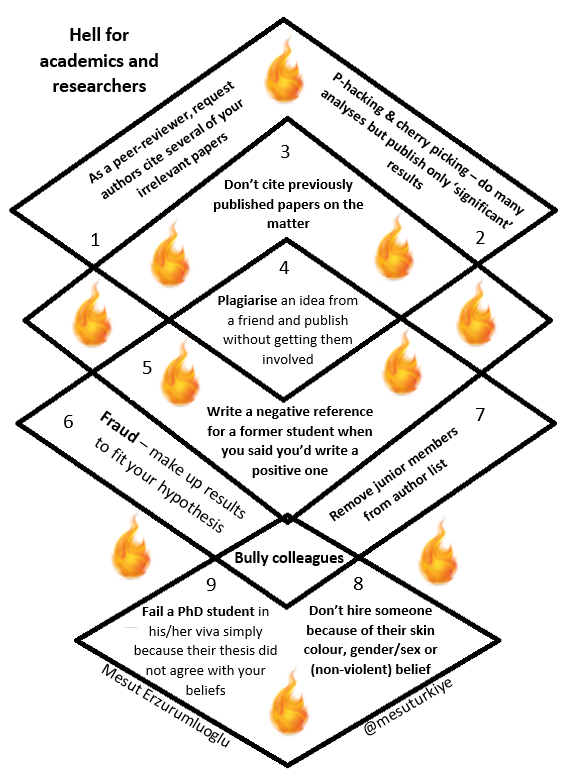


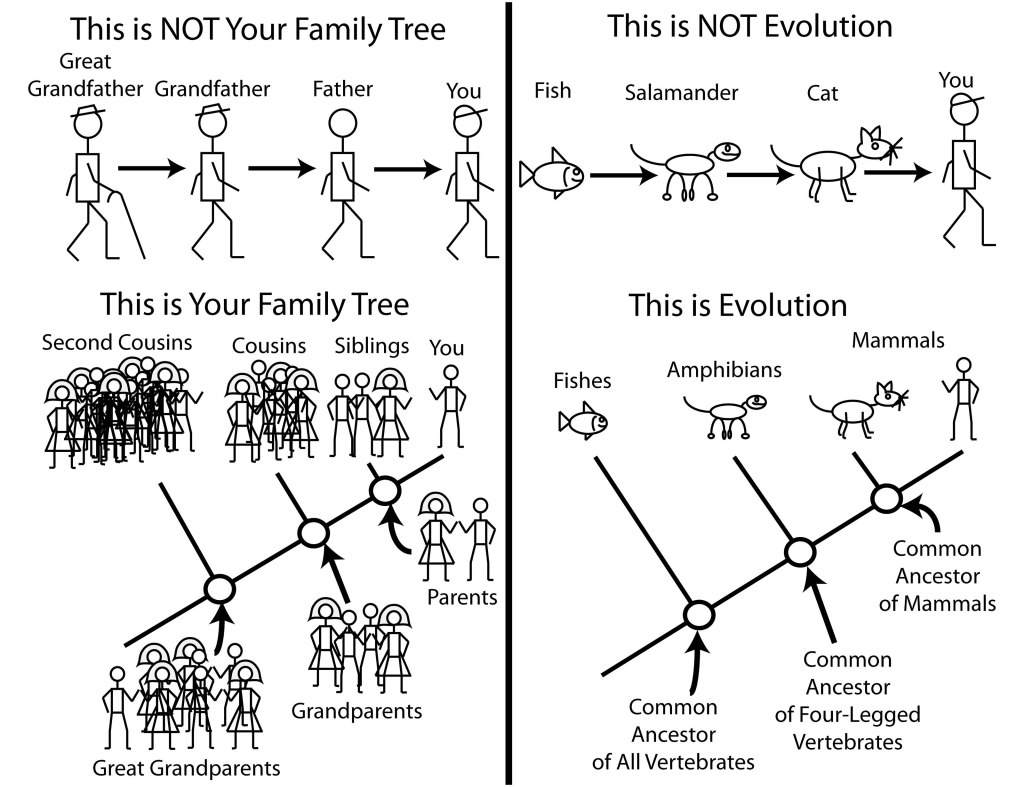

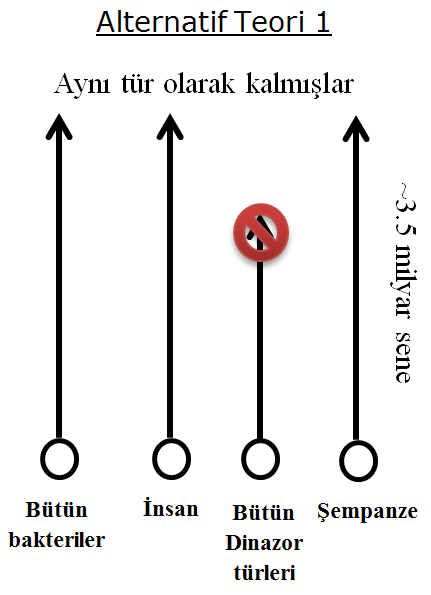
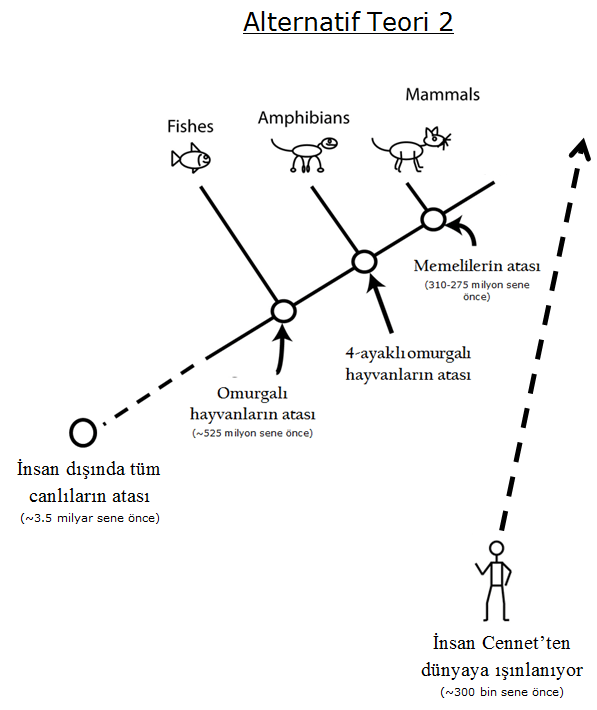
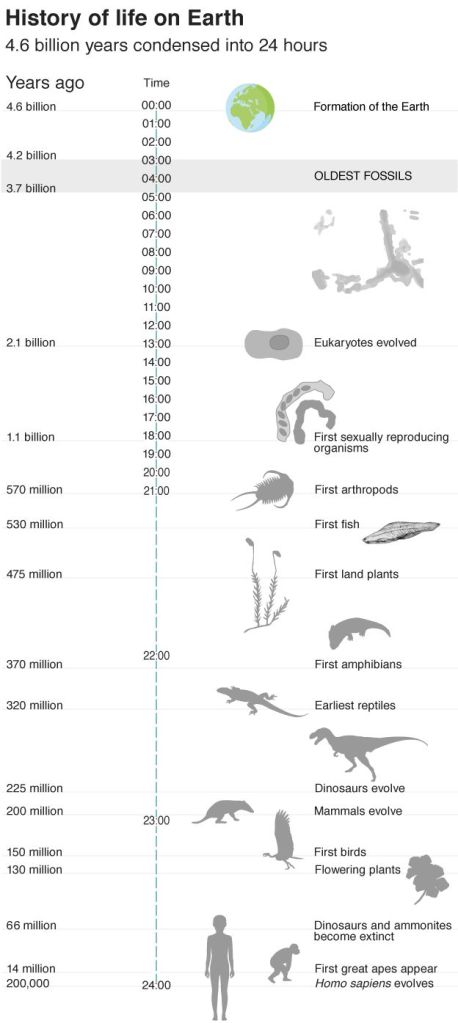

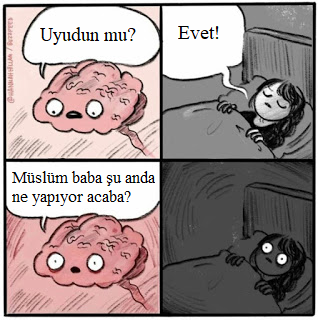

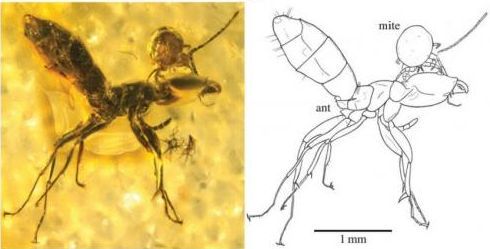
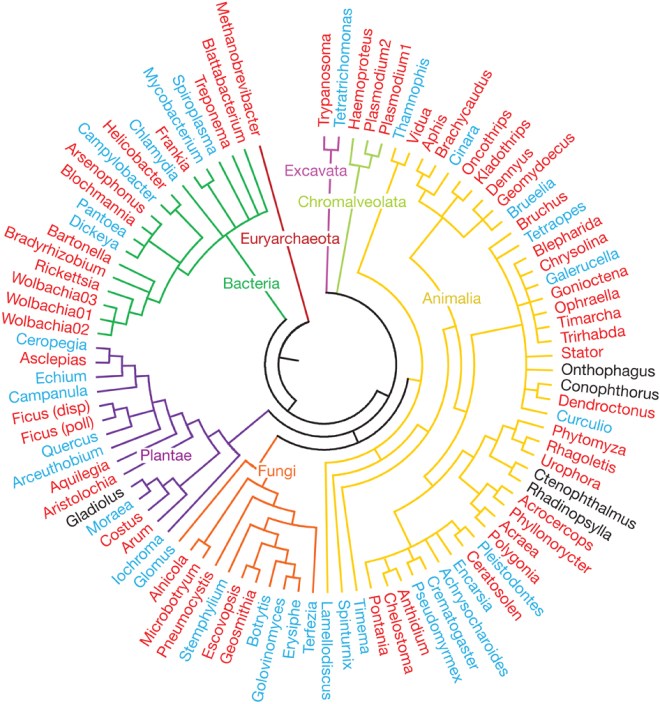


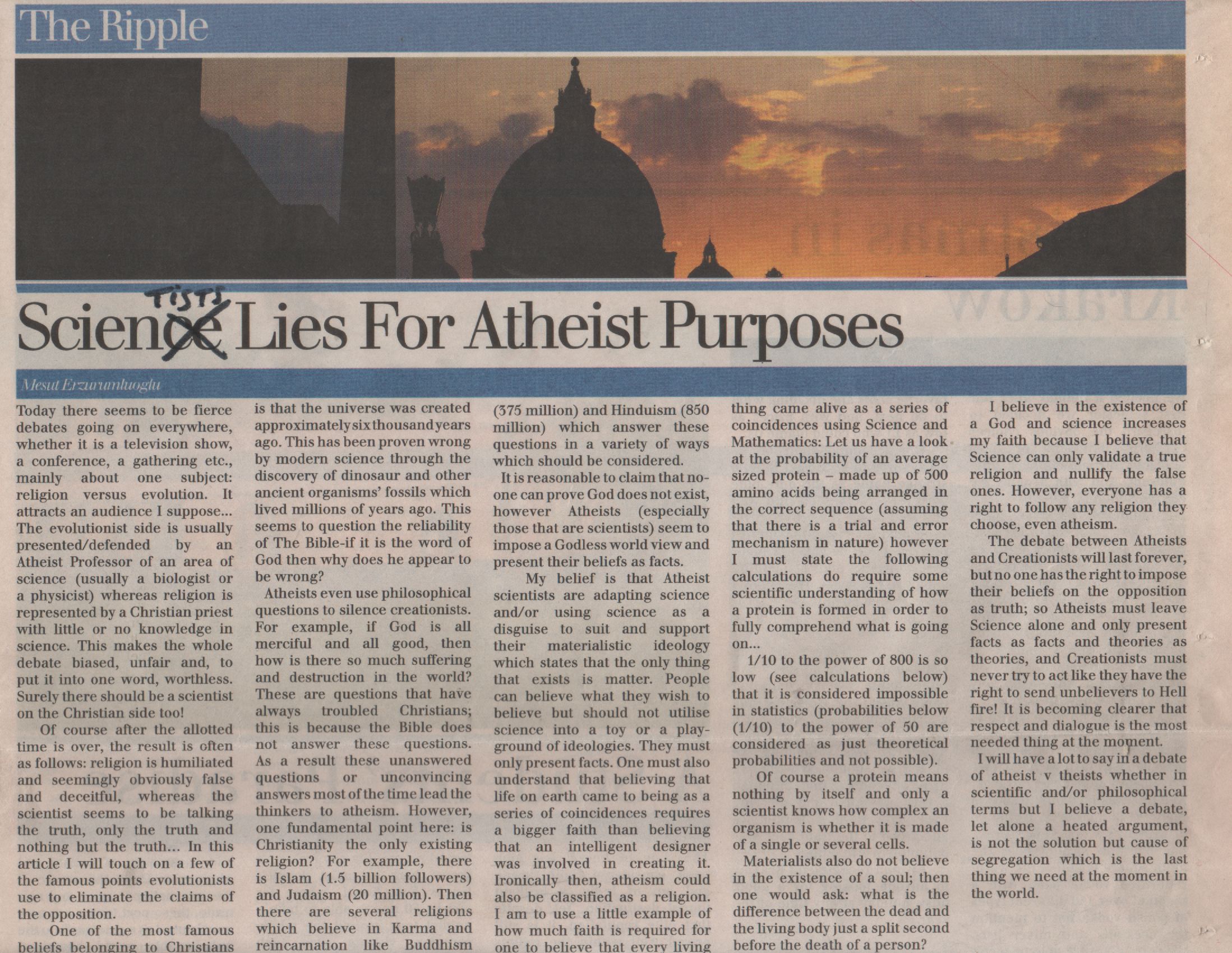

 An ordinary blog by an ordinary bloke