by Dr A. Mesut Erzurumluoğlu | Principal Bioinformatician at Bicycle Therapeutics (formerly at Boehringer Ingelheim, and Univs. of Cambridge, Leicester & Bristol) – blogging since 2006. All views mine unless stated otherwise
BBC news article published on the 18th March 2018. According to the article, men with low sperm counts are at a higher risk of disease/health problems. However, this is unlikely to be a causal relationship and more likely to be a spurious correlation. May even turn out to be the other way round due to “reverse causality”, a bias we encounter a lot in epidemiological studies. The following sounds more plausible (to me at least!): “Men with disease/health problems are likely to have low sperm counts” (likely cause: men with health problems tended to smoke more in general and this caused low sperm counts in those individuals).
As an enthusiastic genetic epidemiologist (keyword here: epidemiologist), I try to keep in touch with the latest developments in medicine and epidemiology. However, it is impossible to read all articles that come out as there is a lot of epidemiology and/or medicine papers published daily (in fact, too much!). For this reason, instead of reading the original academic papers (excluding papers in my specific field), I try to skim read from reputable news outlets such as the BBC, The Guardian and Medscape (mostly via Twitter). However, health news even in these respectable media outlets are full of wrong and/or oversensationalised titles: they either oversensationalise what the scientist has said or take the word of the scientist they contact – who are not infallible and can sometimes believe in their own hypotheses too much.
It wouldn’t harm us too much if the message of an astrophysics related publication is misinterpreted but we couldn’t say the same with health related news. Many people take these news articles as gospel truth and make lifestyle changes accordingly. Probably the best example for this is the Andrew Wakefield scandal in 1998 – where he claimed that the MMR vaccine caused autism and gastro-intestinal disease but later investigations showed that he had undeclared conflicts of interest and had faked most of the results (click here for a detailed article in the scandal). Many “anti-vaccination” (aka anti-vax) groups used his paper to strengthen their arguments and – although now retracted – the paper’s influence can still be felt today as many people, including my friends, do not allow their children to be vaccinated as they falsely think they might succumb to diseases like autism because of it.
The first thing we’re taught in our epidemiology course is “correlation does not mean causation.” However, a great deal of epidemiology papers published today report correlations (aka associations) without bringing in other lines of evidence to provide evidence for a causal relationship. Some of the “interesting ones” amongst these findings are then picked up by the media and we see a great deal of news articles with titles such as “coffee causes cancer” or “chocolate eaters are more successful in life”. There have been instances when I read the opposite in the same paper a couple of months later (example: wine drinking is protective/harmful for pregnant women). The problem isn’t caused only due to a lack of scientific method training on the media side, but also due to health scientists who are eager to make a name for themselves in the lay media without making sure that they have done everything they could to ensure that the message they’re giving is correct (e.g. triangulating using different methods). As a scientist who analyses a lot of genetic and phenotypic data, it is relatively easier for me to observe that the size of the data that we’re analysing has grown massively in the last 5-10 years. However, in general, we scientists haven’t been able to receive the computational and statistical training required to handle these ‘big data’. Today’s datasets are so massive that if we take the approach of “let’s analyse everything we got!”, we will find a tonne of correlations in our data whether they make sense or not.
To provide a simple example for illustrative purposes: let’s say that amongst the data we have in our hands, we also have each person’s coffee consumption and lung cancer diagnosis data. If we were to do a simple linear regression analysis between the two, we’d most probably find a positive correlation (i.e. increased coffee consumption means increased risk of lung cancer). 10 more scientists will identify the same correlation if they also get their hands on the same dataset; 3 of them will believe that the correlation is worthy of publication and submit a manuscript to a scientific journal; and one (other two are rejected) will make it past the “peer review” stage of the journal – and this will probably be picked up by a newspaper. Result: “coffee drinking causes lung cancer!”
However, there’s no causal relationship between coffee consumption and lung cancer (not that I know of anyway :D). The reason we find a positive correlation is because there is a third (confounding) factor that is associated with both of them: smoking. Since coffee drinkers smoke more in general and smoking causes lung cancer, if we do not control for smoking in our statistical model, we will find a correlation between coffee drinking and lung cancer. Unfortunately, it is not very easy to eliminate such spurious correlations, therefore health scientists must make sure they use several different methods to support their claims – and not try to publish everything they find (see “publish or perish” for an unfortunate pressure to publish more in scientific circles).
A figure showing the incredible correlation between countries’ annual per capita chocolate consumption and the number of Nobel laureates per 10 million population. Should we then give out chocolate in schools to ensure that the UK wins more Nobel prizes? However, this is likely not a causal relationship as it makes more sense that there is a (confounding) factor that is related to both of them: (most likely) GDP per capita at purchasing power parity. To view even quirkier correlations, I’d recommend this website (by Tyler Vigen). Image source: http://www.nejm.org/doi/full/10.1056/NEJMon1211064.
As a general rule, I keep repeating to friends: the more ‘interesting’ a ‘discovery’ sounds, the more likely it is to be false.
Hard to explain why I think like this but I’ll try: for a result to sound ‘interesting’ to me, it should be an unexpected finding as a result of a radical idea. There are just so many brilliant scientists today that finding unexpected things is becoming less and less likely – as almost every conceivable idea arises and is being tested in several groups around the world, especially in well researched areas such as cancer research. For this reason, the idea of a ‘discovery’ has changed from the days of Newtons and Einsteins. Today, ‘big discoveries’ (e.g. Mendel’s pea experimets, Einstein’s general relativity, Newton’s law of motion) have given way to incremental discoveries, which can be as valuable. So with each (well-designed) study, we’re getting closer and closer to cures/therapies or to a full understanding of underlying biology of diseases. There are still big discoveries made (e.g. CRISPR-Cas9 gene editing technique), but if they weren’t discovered by that respective group, they probably would have been discovered within a short space of time by another group as the discoverers built their research on a lot of other previously published papers. Before, elite scientists such as Newton and Einstein were generations ahead of their time and did most things on their own, but today, even the top scientists are probably not too ahead of a good postdoc as most science literature is out there for all to read in a timely manner (and more democratic compared to the not-so-distant past) and is advancing so fast that everyone is left behind – and we’re all dependent on each other to make discoveries. The days of lone wolves is virtually over as they will get left behind those who work in groups.
To conclude, without carefully reading the scientific paper that the newspaper article is referring to – hopefully they’ve included a link/citation at the bottom of the page! – or seeking what an impartial epidemiologist is saying about it, it’d be wise to take any health-related finding we read in newspapers with a pinch of salt as there are many things that can go wrong when looking for causal relationships – even scientists struggle to make the distinction between correlations and causal relationships.
Amy Cuddy’s very famous ‘Power posing’ talk, which was the most watched video on the TED website for some time. In short, she states that if you give powerful/dominant looking poses, this will induce hormonal changes which will make you confident and relieve stress. However, subsequent studies showed that her ‘finding’ could not be replicated and she that did not analyse her data in the manner expected of a scientist. If a respectable scientist had found such a result, they would have tried to replicate their results; at least would have followed it up with studies which bring other lines of concrete evidence. What does she do? Write a book about it by bringing in anecdotal evidence at best and give a TED talk as if it’s all proven – as becoming famous (by any means necessary) is the ultimate aim for many people; and many academics are no different. Details can be found here. TED talk URL: https://www.ted.com/talks/amy_cuddy_your_body_language_shapes_who_you_are
PS: For readers interested in reading a bit more, I’d like to add a few more sentences. We should apply the below four criteria – as much as we can – to any health news that we read:
(i) Is it evidence based? (e.g. supported by a clinical trial, different experiments) – homeopathy is a bad example in this regard as they’re not supported by clinical trials, hence the name “alternative medicine” (not saying they’re all ineffective and further research is always required but most are very likely to be);
(ii) Does it make sense epidemiologically? (e.g. the example mentioned above i.e. the correlation observed between coffee consumption and lung cancer due to smoking);
(iii) Does it make sense biologically? (e.g. if gene “X” causes eye cancer but the gene is only expressed in the pancreatic cells, then we’ve most probably found the wrong gene)
(iv) Does it make sense statistically? (e.g. was the correct data quality control protocol and statistical method used? See figure below for a data quality problem and how it can cause a spurious correlation in a simple linear regression analysis)
Wrong use of a statistical (linear regression) model. If we were to ignore the outlier data point at the top right of the plot, it becomes easy to see that there is no correlation between the two variables on the X and Y axes. However, since this outlier data point has been left in and a linear regression model has been used, the model identifies a positive correlation between the two variables – we would not have seen that this was a spurious correlation had we not visualised the data.
Genetik alanının genel olarak alt-dalları. 15-20 yıl önceki “Genetik”le şimdiki genetik çok farklı ve bir sürü alt-dala ayrıldı. Belki de son 10-15 yılda ortaya çıkan Genetik Epidemiyoloji alanında çalışan ve bütün günü bilgisayar başında geçen bir araştırmacı olarak ben de “genetikçi”yim, tüm günü laboratuvarda geçen ve fare genetiği üzerine çalışan bir araştırmacı da. Not: Yazının genetikle ilgili bölümüne geçmek isterseniz direk “Bu girişten sonra asıl meselemiz olan “genetiğin reklamına” dönecek olursak…” diye başlayan kısma geçin.
Türk (ve Britanyalı) bir bilim insanı olarak halkımızın bilimle fazla ilgilenmemesine çok kızıyorum. Hatta akademisyenlerin/araştırmacıların dahi fen bilimleri ve/ya da sosyal bilimlerden çok siyasetle içli-dişli olması beni çıldırtıyor ve ülkem adına ümidimi kaybediyorum. Fakat kendi kendime “bir bilim insanı olarak bunun değişmesi için neler yapıyorum?” diye düşündüğümde haftada bir gün birkaç Türk gence özel fen/matematik/ingilizce dersi vermenin ve sağda-solda gençlere verdiğim konuşmaların dışında fazla birşey aklıma gelmiyor. Bunun üzerine “belki bir-iki kişi okur/çocuklarıyla paylaşır” düşüncesiyle bilimin her türlüsünün, özellikle de genetiğin reklamını yapan bir blog yazısı yazmaya karar verdim. Genel olarak bilim üretmenin önemi üzerine fikirlerimi sunduktan sonra, kendi alanım olan Genetik/Genetik Epidemiyoloji’ye doğru bir geçiş yapacağım. Kendim de nispeten genç ve daha yolun başında olduğum için (yaş 30) sözlerim daha çok lisans öğrencisi ve üniversite-öncesi yaşlardaki arkadaşlara yönelik olacak; hızlıca yazdığımdan daha olgun okurlarım için çiğ bir yazı olarak görünebilir. Ayrıca, istediğimden uzun bir yazı oldu maalesef. Isterseniz sonraki iki paragrafı okumadan direk “Bu girişten sonra asıl meselemiz olan “genetiğin reklamına” dönecek olursak…” diye başlayan kısma geçin.
Belki sıkıcı, yavan ve klişelerle dolu olacak ama önemli gördüğüm bir girişle başlayayım: Tüm gün siyaset, futbol/dizi ve komplo teorileri hakkında konuşan milletlerin, tüm insanlığı geçtim, kendi ülkelerine dahi bir fayda sunmaları imkansız. Bu milletler bir süre ülkenin kendi yeraltı/üstü kaynaklarından faydalanıp, onları tükettikten sonra, her alanda dışa bağımlı olmak zorunda kalırlar. Maalesef, Türkiye de bu konuda epey bir yol kaydetmiş durumda: Teknoloji, tıp ve diğer önemli bilim alanları adına çok birşey üretmediğimizden dolayı, hemen hemen her ilaç, teknoloji ve sistem/bilgiyi dışarıdan ithal ediyoruz. Haliyle belki 5 liraya üretilen elektronik eşya/sistem/ilacı 100 liraya satın alıyoruz. Ayrıca, o kadar para harcamamıza rağmen, “know-how”, yani bir işi düzgün bir şekilde yapabilme ve daha da geliştirebilme özelliğini de kazanamıyoruz. İşler böyle gittiği sürece de ilelebet fahiş fiyatlar ödemek zorunda kalacağız. Devlet insanına ve bilime (research & development) yatırım yapmadığından, ülkenin ekonomik olarak alım gücü zayıfladığı an, büyük krizler kapıdan içeri girecek ve normalden de daha büyük tavizler vermeden, bir sürü maddi-manevi sıkıntı çekilmeden ve on yıllar kaybedilmeden aşılamayacak. Özellikle biriken borçlarla gelecek nesillerin emekleri ve imkanları çalınacak. Bilimin önemine en güzel örnek iki tane dünya savaşı geçirip, ikisinde de düşman tarafından dümdüz edilmiş Almanya’nın nispeten kısa bir sürede kendine gelmesi ve şu anda dunyanın en büyük teknoloji, ilaç ve bilim üreten ülkesi olması – çünkü (dünyanın her yerinden gelmiş) bilim insanlarını baş üstünde tutan bir millet. Tüm dünya ekonomik krizle boğuşsa dahi, kendi başına ayakta kalabilecek belki de tek ülke. Bilim insanlarına atalarının yaptığı hataları analiz ettirdikten sonra, aynı hataları tekrarlamadan yollarına devam etmişler. Hem sosyal olarak, hem de teknolojik olarak gelişmişler. “Bizim atalarımız hata yapmaz” bağnazlığından kurtulup (örnek: Kemalisti de, Islamcısı da, Ulkücüsü de tiksindirici şekilde geri kafalı bu konuda), bu savaşları çıkaran ve ülkeyi her türlü krize sokan nesillere ise lanet okuyorlar. Almanya o günlerde olanlardan dolayı hala bazı ülkelere tazminat ödüyor. Biz de ise başımıza ülke olarak gelen olaylar bilimsel olarak araştırılmadığından tarih hep tekerrür ediyor – hep aynı hatalar, aynı krizler…
‘Bilimsel tartışma’ ve ‘Avamın tartışması’na basit bir örnek. “Bilimsel tartışma nasıl yapılır?” bilmeyen bir insanın hayata bakışıyla, bilmeyen arasındaki farkı az/çok ortaya koyuyor…
Bunları yazmamın sebebi ise eğer bilim insanı olmanın çok da önemli olmadığını düşünüyorsan, yanıldığını hatırlatmak içindir – her ne kadar da arkadaşlarının hepsi futbolcu olmak istese ya da etrafındaki insanlar tüm gün futbol/dizi hakkında konuşsa da… Bana göre bilim insanları dünyanın en çok ihtiyacı olduğu grup. Büyüdüğünde bakarsın: değerin Türkiye’de anlaşılmazsa, Amerika, Almanya, Ingiltere gibi dünyanın en gelişmiş ülkelerindeki gruplar değerini bilecektir. Gelişmiş dünyada her zaman iş bulabilecek bir insan olacaksın. Hele bir de her akademik grubun ihtiyacı olan bir yeteneğe sahipsen (fen bilimleri için genel bir örnek: ‘big data’ analiz/data science, sağlam istatistik bilgisi). Bu fırsatı başka hiçbir iş alanında kolay kolay bulamazsın. Ayrıca dünyaya ve hayata karşı bakışın ise çoğu insandan daha farklı ve kapsamlı olacak. Bu ise bana göre bir insanda paha biçilmez bir özellik. Hayatta sadece bilim insanlarının gördügü düzen ve desenler var ve bunların en azından bir kısmını görmeden ömür tüketmek çok büyük bir kayıp. Bu konuyu önceden paylaştığım Entelektüeller neden sevilmezler?, Din, bilim ve bilim adamları ve Duya duya gına geldi arkadaş gibi yazılarıma havale ediyorum. Özetle, ileride bir “bilim insanı” olmanızı tavsiye ediyorum.
Bir insanda 50-100 trilyon (100,000,000,000,000) hücre var (bunların %90’ı bakteri) ve inanılmaz bir şekilde, bir ignenin ucundan bile onlarca kat küçük olan (insan) hücrelerinin her birinin içinde yaklaşık 2 metre uzunluğunda DNA bulunuyor. Image source: fenogretmeni.net
Bu girişten sonra asıl meselemiz olan “genetiğin reklamına” dönecek olursak: ben çocukken genetik “geleceğin mesleği”ydi. İşin garibi şu anda da geleceğin meslekleri arasında yer alıyor. Fakat ufak bir farkla: ben çocukken, “çocukken” dediğim de daha 15 sene öncesi, genetik alanı çok genel olarak “insan genetiği/klinik genetik”, “model organizma ve hayvan/bitki genetiği” ve “adli genetik” olarak üçe ayrılıyordu ve çoğunlukla genetik denince akla beyaz önlüklü, laboratuvarda çalışan ve ufak tüplerde bazı sıvılar karıştırıp bunları değişik jellere yerleştiren insanlar akla geliyordu. Şimdi ise laboratuvarda çalışan insanlar hala olsa da, artık genel olarak laboratuvardaki işler kolaylaştığından, beyinden daha çok el mahareti önemli hale geldi ve tabir-i caizse, bu tarz “ayak işlerini” çoğunlukla akademisyen/araştırmacı olmayan “teknisyen”ler yapıyor. Akademisyenler/araştırmacılar ise asıl beyin gerektiren işlerle uğraşıyorlar ve her işlerini artık bilgisayarda hallediyorlar. Örneğin ben DNA fingerprinting’in (DNA parmak izinin) bulunduğu Leicester Üniversitesi’nde Kronik Obstrüktif Akciğer Hastalığı (KOAH) üzerine çalışan bir Genetik Epidemiyologum ve kariyerim boyunca, doktora projemin ufak bir bölümü dışında hiç laboratuvarda çalışmadım – laboratuvarda çalışmayı da hiç sevmedim. Şu anda bir araştırma görevlisi (Postdoctoral Research Associate) olarak günlük işim yüzbinlerce insanın genetik (kişi başı milyonlarca mutasyona/genetik varyanta tekabül ediyor) ve (kişinin yaş, cinsiyet, sigara içip-içmediği gibi) fenotipik datasını “süper bilgisayar”ları kullanarak istatistiki olarak analiz etmek. Bu sayede insanları KOAH’a meyilli hale getiren genleri ve varyantları tespit etmeye ve bulduğumuz genlerin arasından biri “bir KOAH ilacına netice verir mi?” diye araştırmaya çalışıyoruz. Ayrıca yaptığımız analizlerden ne çıkacağı belli olmadığı için her sabah işe kalktığımda “ya Hu yine mi iş?” diye iç geçirmiyorum. Bir buluş yaptığımız zaman ileride insanlara bir ilaç olarak dönebileceğini düşünmek ise insanı manevi olarak mutlu ediyor. Genetik Epidemiyoloji alanı, diger alanlar gibi, çok hızlı ilerlediğinden belki her hafta ses getiren bir makale çıkıyor ve onları okuyunca insanın içi açılıyor ve geleceğe dair bazı hastalıkların tamamen tedavi edilebilmesi adına umudu artıyor.
Bir ‘Circos’ çizimi (Circos plot). Teknik detaylara fazla girmeden, bu çizimde genomumuzda hangi bölgelerin KOAH tanısı için kullanılan FEV1, FVC ve FEV1/FVC’yle istatistiki olarak korelasyon gösterdigini görebiliyoruz. Çizimde bulunan her nokta – milyonlarca var – DNA’mızda bir varyanta tekabül ediyor ve noktalar yüksekse, orada bulunan genlere (isimleri dış dairede) sonraki araştırmalarımızda öncelik veriyoruz.
Bunları anlatmamın sebebi ise, diyelimki, lisede notların iyi ve üniversitede genetiği kazanma hakkı kazandın ama “kariyer olarak genetiği sevecek misin?” tam bilmiyorsun. Şimdiden sana seveceğini söyleyebilirim. Çünkü ilk figürde de göreceğin gibi genetik o kadar büyük bir alana dönüştüki Avrupa ve Amerika’da artık birçok üniversitenin Genetik departmanı Biyoloji departmanından ayrı. “Saf genetik” diye bir alan artık yok denebilir – çünkü genetiğin bir sürü birbirinden çok uzak alt-dalı (sub-field) oluştu. Bu yüzden ben de “genetikçiyim” dediğimde aslında işin kolayına kaçıyorum demektir. Genetik alanını bilen birisi bana “tamam da; genetikte hangi alandasın?” diye sorar çünkü başka bir “genetikçi”yle çok farklı konuları çalışıyor, çok farklı teknikler kullanıyor olabiliriz. Bu yüzden genetiği seçtikten sonra kendi kendine düşünmeli ve şimdi sıralayacağım alt-dallardan birine doğru ilerlemelisin:
Eğer, daha çok çocuk yaştayken ortaya çıkan, Kistik fibroz (Cystic fibrosis) ve Akdeniz atesi (Mediterranean fever) gibi 100% genetik hastalıklar üzerine çalışmalar yürütmek istersen Klinik Genetik* (Clinical Genetics) alanını düşünebilirsin;
Benim şimdi yaptığım gibi kanser, diyabet, obezite, KOAH gibi daha kompleks (hem genetik, hem sigara/alkol/hava kirliliği gibi çevresel etkenlerin önemli olduğu) hastalıkları çalışmak ve potansiyel olarak milyonlarca insanın hayatına katkı sağlama fikri hoşuna gidiyorsa Genetik Epidemiyoloji;
CSI (Crime Scene Investigation) dizisindeki gibi cinayetlerin çözümünde yer almak istiyorsan Adli genetik (Forensic genetics);
İnsanlık tarihini etkileyen eski caglardaki büyük savaşlar, göçler gibi olayları genetik ve tarihsel olarak çalışmak istiyorsan Popülasyon genetiği (Population genetics);
İnsanlar üzerinde genetik deneylere izin verilmediği için insanlardaki bazı gen/protein/biological pathway’lerin üzerine çalışmak adına (insana genetik olarak en cok benzeyen hayvanlar olan) maymun, (fizyolojik olarak insanlara çok benzedikleri ve maymunlar üzerinde calışmaya nazaran daha ucuz ve etiksel oldukları için) fare/sıçan (murine), yuvarlak kurt (nematode), sirkesineği (Drosophila melanogaster) ya da zebrabalığı (developmental biology/gelişim biyolojisi) genetiği;
Bakteriler ve menenjit gibi bakteriyel enfeksiyonları çalışma adına Bakteri genetiği (Bacterial genetics);
Virüsler ve grip virüsü gibi virüslerle ilgili enfeksiyonlarını çalışma adına Virüs genetiği (Viral genetics);
Mantarlar ve kandidiaz gibi enfeksiyonları çalışma adına Mantar genetiği (Fungal genetics);
Bitkiler üzerine çalışmak ve/ya da insan nüfusu arttığı için ileride yemek bulmanın problem olmaması adına bitkilerin verimliliğini arttırmak istiyorsan Bitki genetiği (Plant genetics);
Eski canlılar üzerine çalışmalar yürütmek istersen Paleogenetik (Palaeogenomics);
Canlıların evrimi üzerine çalışmak istersen (ilk figürde olmayan) Evrimsel genetik (Evolutionary genetics)
Çok büyük genetik dataların en iyi şekilde analiz edilmesini ve anlaşılmasını kolaylaştırmak istersen Biyoistatistik (Biostatistics) ya da
Biyoenformatik (Bioinformatics)
alanlarında çalışabilirsin. Ayrıca, yeni dönemde (büyük ihtimalle bu sistemi bulanlara Nobel kazandıracak) CRISPR-Cas9 tekniğiyle insan genlerini dahi editlemeye/düzenlemeye başlayacaklar ve bir sürü hastalığı meydana getiren mutasyonları insanların genomlarından silecekler. Klonlamadan, kök hücre teknolojilerinden, gen terapilerinden, epigenetikten vs. hiç bahsetmedim bile. Yukarıda bahsettiğim her alt-dalda inanılmaz gelişmeler oluyor ve bu yüzden bana göre genetik alanı içinde her tür insanın beğeneceği bir alt-alan bulunabilir. Bulamıyorsan, iyi araştırmıyorsun demektir.
Bu yazımda “genetikçi” (aslında genetik epidemiyolog) olduğum için genetiğin alt-dalları üzerine detaylar verdim ve reklamını yaptım ama yukarıda söylediklerim artık birçok sosyal bilim ve fen bilimi için de geçerli**. Fakat büyük devletler genetik ve biyokimya alanına çok büyük paralar akıttığı için iş ve çalışacak proje bulma sıkıntısı çekmeyeceksiniz.
Umarım biraz fedakarlık yapıp, bilim insanı olmaya karar verirsiniz; çünkü halkımızın siyasetin kısır döngüsünden kurtulmasını bana göre ancak bilim insanları ve entelektüeller sağlayabilir. Ama binde birlerden yüzde birlere çıkması ve onlara karşı bakış açısının değişmesi ve önemlerinin artması lazım. Tabi genetik alanına girmeye karar verirseniz ekstradan mutlu olurum. Umuyorumki fikir dünyanızın gelişmesiyle doğrudan etrafınızdaki insanlara ve öğrencilerinize; yazdığınız kaliteli makalelerle ise tüm insanlığa faydanız dokunacak.
Gelecek sorulara vs. göre bu tarz yazıları yazmaya devam etmek istiyorum. Okuduğunuz için teşekkür ederim.
DNA’yla ilgili ilginç anektodlar (‘DNA by the numbers’ by Life Technologies)
*Doktoramda Suudi Arabistan’daki akraba evlilikleri üzerine çalışmıştım ve yaptığım çalışmalar daha çok Klinik genetik alanına katkı sağlamıştı. Şimdi ise Genetik Epidemiyoji alanındayım. Makalelerime Google Scholar hesabımdan bakabilirsiniz.
Epidemik haline gelebilecek hastalıklar. Bunların herhangi birine çare buldugumuz vakit, milyonlarca insanın hayatını kurtarmış olacagız. (‘Emerging Threats’ graphic by Nature. Source URL: http://www.nature.com/news/how-to-beat-the-next-ebola-1.18114)
Önemli not (13/04/20): Evrim teorisine inanan, daha doğrusu, çok kuvvetli delillerin olduğunu gören/ögrenen/bilen, bir müslüman (ilgilenenler için ‘Neden ve nasıl bir müslümanım?’ bölümü en altta) ve bilim insanı olarak bu yazıyı Şubat 2018’de (bugün yazsam biraz farklı bir dil kullanırdım ama) evrime ve evrim teorisine inanmayan müslümanlar için paylaştım. Fazla genetik terim kullanmadan, herşeyi kendimce basitleştirdim (önerilere açığım)… Teknik bilgi ve detay isteyenler en yeni evrimsel biyoloji kitap ve makalelerini okumalı. İngilizce bilenler zaten benim yazımdan ziyade direkt Richard Dawkins’in ‘The Greatest Show on Earth: The Evidence for Evolution’ kitabını okusun.
Baştan sona (dipnotlar da dahil) okumayanlar lütfen cevap yazmasın çünkü özellikle giriş kısmı fazla basitleştirildiğinden yanlış anlaşılabilir.
‘Tree of life’ (Hayat ağacı) – karşılaştırmalı DNA analizi yapılarak oluşturulmuş bir figür. İnsanlar (Homo sapiens) ‘Opisthokonts/Animals’ grubunun içinde, çünkü genomumuz ve hücrelerimiz en çok onlarınkine benziyor. Hatta bize genetik olarak en yakın türlerden biri olan şempanzelerle genetik dizilişlerimiz çok yüksek oranda benzerlik gösteriyor ve bizdeki genlerin >%90′ının aşağı-yukarı aynısı onlarda da var. Ayrıca virüsten bakteriye, bitkilerden insana kadar her canlının aynı genetik malzeme/aparat/kod olan DNA’yı kullanıyor olması hala kafamın almadığı birşey ve bu – tek bir Yaratıcının olduğuna inancımı güçlendirmekle beraber – her canlının evrimsel bir ‘aile’nin bir bireyi olduğunu da kanıtlıyor (Image source URL: evolution-textbook.org)
Nerede okudum hatırlamıyorum fakat “bir soru sana üç kez sorulduysa artık blog yazısı yazma vakti gelmiştir” gibi birşey okumuştum birkaç ay önce. Hoşuma gitmişti ve “ben de zamanım oldukça böyle yapmaya çalışacağım” diye kendi kendime karar vermiştim.
Genetik mezunu olduğum ve şimdiki araştırmalarımda da insan genetiğiyle* ilgilendiğim için neredeyse her tanıştığım (özellikle islami camiadan) insan bana evrimden bahsediyor ve fikrimi soruyor. Belki de 30-40 defa aşağı-yukarı aynı şeyleri söyledim son birkaç sene içinde. Birçoğu cevabımı beğenmeyip bir daha yanıma yaklaşmadı ama olsun 😊 Önemli değil. Insanlara kendimi beğendirmeye çalışmayı yıllar önce bıraktım. Insanların da biraz başka fikirlere açık olması, “benim bildiklerim de belki yanlış olabilir” diyebilmesi lazım ama neyse; konumuz bu değil…
Evrim teorisi ve İslam dini/Tanrı inancı konusunda söylenecek çok şey olsa da kısaca fikirlerimi buraya dökmek istiyorum. Önce bilim dunyasındaki gözlemlerimi sıralayacağım, sonra da kendi fikirlerimi ekleyeceğim:
Gözlemlerime göre Avrupa’da biyoloji ve fizikle ilgilenen bilim insanları arasında evrim teorisine hiç inanmayanların sayısı belki de binde bir. Bunların hemen hemen hepsi evrim teorisini çok mantıklı buluyor ve (benim gibi) aralarında Tanrı’ya inananları dahi Tanrı’nın ilk canlıyı yarattıktan sonra diğer milyonlarca türü evrim mekanizmasını kullanarak yaratmış olabileceğine inanıyorlar. Evrim teorisini mantıklı bulmalarının sebebi ise “İslami” kesimden birçok kez duyduğum “vicdanlarında doğruyu biliyorlar ama nefislerine yenilmişler” gibi saçma-sapan bir sebepten dolayı değil, farklı metotlarla elde edilmiş tonlarca datayı analiz ettikten sonra (bir ’empiricist’ olarak) teorinin doğruluğuna gerçekten inanmalarıdır.
Bilimsel bir teoriyi yıkmanın yolları belli – yine bilimle. Ve korkmayın sizden, benden daha akıllı insanlar da bu teoriyi yıkmak ya da geliştirmek adına her tür soruyu sordular ve deneyi yaptılar. Fakat Evrim teorisi bu bilimsel ‘saldırılardan’ daha da güçlü çıktı.
Basit bir şekilde ‘Evrim’ nedir (sağ-alttaki)? Ne değildir (sağ–üstteki)? Bütün canlılarla – maymunlarla da – akrabayız ama maymundan gelmedik! Figurde de görüldüğü gibi evrim teorisine göre ortak bir atamız vardı (Source: matthewbonnan.wordpress.com). (Not: ‘Harun Yahya’ grubunun ‘Atlas of Creation/Yaratılış atlası’ adlı bir kitabı vardı ve daha 20’nci sayfada fecaat bir evrimsel ‘ara form’ tanımı vardı orada – tabi yanlış olduğunu genetik okuduktan sonra anladım: evrim varsa, sözde bir denizyıldızı başka bir balık türüne dönüşmeliydi. Ondan esinlenerek ekledim bu figürü çünkü gençken benim de tüm bilim insanlarına karşı güvenimi sarstı bu tarz kitaplar)
Bu konudaki fikirlerime gelince; öncelikle bilim öğrendikçe bize çocukluktan dayatılan (8., 9. ve 10. yüzyıldan kalma ortodoks Sünni) din anlayışının hayat ve hakikatin karşısında bayağı basit kaldığını daha net görüyor insan. Basit bir örnek olarak: itikadi olarak Ehl-i Sünnet mezheplerden biri sayılan Eşariliğin ilk ortaya çıktığı 10. yüzyıl Irak’ına gelecekten bir (müslüman) bilim insanı gelip “Hocam aslında doğmadan çocuğun cinsiyetini öğrenebiliriz, çünkü Y-kromozomu belirliyor bir çocuğun erkek ya da kız olacağını(Allah’ın yarattığı bir mekanizma bu!)” dese ve buna karşılık “sus kafir! sadece Allah bilir ve belirler herşeyi!” cevabı verilse (ve sonra da “itikadi bozuk!” ya da “fitne yayıyor!” diye taşlansa) herhalde şaşırmayız birçoğumuz. Başka (basit ve yukarıdakinden farklı) bir örnek de ‘dünyanın ve içindekilerinin sadece bizim için yaratılmış olması’. ‘Dünya’ (biyolojik manada) kesinlikle sadece ‘bizim için’ yaratılmamış, biz dünyaya adapte olmuşuz: oksijenin az olduğu dönemde dünyada insan yoktu mesela (sonradan ortaya çıktık); ormanda iki gece yalnız kalsak bizi parçalayacak veya zehirleyecek hayvan ve böcek dolu etraf – bakteri/virus/mantar türlerini saymaya bile gerek yok; kulaklarımız bile ses dalgalarını toplayabilmek için çanak anten şeklinde; örnekleri uzatmaya gerek yok… Demek istediğim, o dönemlerde (mezhep imamları gibi) ameli ve itikadi mezhepleri/sistemleri ortaya atan/geliştiren insanlar çok değerli olsalar da bugün artık ‘mızrak çuvala sığmaz oldu’. Bilimin bulduğu-bulacağı şeylere gözümüzü kapatarak bir yere varamayız – bu mantık nihai olarak Allah’ı ve sünnetini daha iyi anlamamıza engel olacaktır.
Evrim teorisi de (ortodoks Sünni) din anlayışımızı temelden sarsan buluşlardan birisi. Bilmeyenler için biraz açıklamaya çalışacağım bu blog yazımda: öncelikle “mikro” evrimin (tırnak içerisinde yazıyorum çünkü ‘mikro/makro’ diye bir ayrım yapılmıyor bilim çevrelerinde – ama insanlar böyle ikiye ayırınca daha iyi anlıyorlar) gözle dahi görülebilen bir olgu olduğunu söyleyerek başlamak istiyorum. Görsek de görmesek de (görmek istemesek de) her tür genetik olarak evrilir ve nihai olarak yaşadığı ortama adapte olur – adapte olmak zorunda yoksa tür zamanla yok olur. Basit bir örnek olarak insanlarda cilt rengi kullanılabilir: Siyahi insanlar nasıl yaşadıkları ortamlara (Afrika’nın güneşine) adapte olmuşlarsa, beyaz insanlar da kendi (az güneşli) ortamlarına adapte olmuşlardır. Bu basit şekliyle evrimdir. Örnek olsun diye: ilk atamız (bizim inancımıza göre Hz. Adem**) belki de siyahiydi. Fakat zamanla (belki binlerce sene sonra) soyundan gelen insanların genlerinde doğuştan cilt renklerini değiştiren mütasyonlar oluştu ve on binlerce yıllık zamandan sonra bembeyaz, simsiyah ve arası tonlarda insanlar ortaya çıkıverdi dünyanın dört bir yanında (detay). Fakat bu tarz evrim illa başka türlere yol açacak anlamına gelmez. Bu örnekte olduğu gibi siyahisi de, beyazı da (ve arası tonlardakiler de) insan. Başka bir örnek olarak geçen senenin grip aşısının bu sene işe yaramamasının sebebi de ‘mıkro’ evrim (mekanizma: Antigenic drift).
İlk Darwin’in bilimsel bir çerçeveye oturttuğu, sonraki 150 yılda daha da geliştirilen ve güçlenen ‘Evrim teorisi’ ise bu ve buna benzer gözlemleri kullanıp işi birkaç adım öteye taşıyor (“mikro” evrimden “makro” evrime). Çok basitleştirerek (avamca; ‘doğal seleksiyon’, ‘mütasyon’, ‘genetik kayma’, ‘gen akışı’ gibi teknik terimlere girmeden) söylersem, diyorki “nispeten böyle kısa zaman dilimlerinde (binlerce senede) bile evrim kendisini gösterebiliyorsa, milyonlarca (hatta milyarlarca) senede başka türlerin ortaya çıkmasına da sebep olabilir. Öyleyse ilk yaşam formlarının ortaya çıktığı ~3.5 milyar sene öncesinden başlayıp bugünlere doğru gelen hızlandırılmış bir film izleyebilsek, şu anda gözlemlediğimiz her canlı türünün o (bakteri gibi tek hücreli) tek atadan evrimleşerek meydana geldigini görecegiz.” Bu hipotezi desteklemek için sadece bir örnek verecek olursam: Bir kara parçası olarak ~88 milyon sene önce Hindistan altkıtasından fiziki olarak ayrılan Madagaskar adasında bulunan on binden fazla bitki türünün %90‘ından fazlasının dünyanın başka hiçbir yerinde bulunmamasının sebebi (“makro”) evrimdir – yani uzun zaman (milyonlarca yıl) boyunca genetik karışım olmadığı için Madagaskar’a adapte olan bambaşka türler oluşmuş.
Şimdi gördügümüz ya da çoktan yok olmuş milyonlarca tür arasındaki ilişkilerin tartışmaya açık spesifik tarafları olsa da – ki elinize düzgün bir evrimsel biyoloji (evolutionary biology) kitabı/makalesi alsanız bunları sıralarlar – bilimsel bir şekilde evrim teorisine toptan karşı çıkmak imkansız hale gelmiştir. Hatta bir adım öteye gidersem, evrim teorisine artık hakikat gözüyle bakan bilim insanı sayısı böyle bakmayandan kat kat daha fazla (“aslında simülasyonda yaşıyoruz” vs. diyenleri de katıyorum bu ikinci gruba). Batıda üst düzey bilim insanlarıyla hemdem olmamışlar için yazıyorum: Bu insanların çoğu inanılmaz akıllı ve açık görüşlü insanlar – hiçbiri laf olsun diye ‘evrimci’ olmuyor. Yazdıkları makaleleri anlamaya kalksak çoğumuzun ilk paragrafta başı ağrır. Fakat genellersem “Orta Doğulular” (ya da müslümanlar) olarak komplo teorilerini çok seviyoruz ve çok kaliteli insanları dahi karalamayı ve aşağı çekmeyi becerebiliyoruz. İnternette bir sürü komplo teorisi yayan sitelerde görebileceğiniz gibi “aslında Tanrı’nın var olduğunu biliyorlar ama ruhlarını Şeytan’a satmışlar; ondan evrim teorisini insanlara pompalıyorlar” tarzı palavralara inanan çok maalesef.
Bilim insanları ellerindeki bulgulara göre evrim teorisine inanıyorlar ve bu teoriyi bir “bilimsel model” olarak kullanıyorlar. Ayrıca Darwin’in 1859’da ilk defa ortaya attığı ‘Evrim teorisi’ de zamanla tabir-i caizse ‘evrilmiştir’ ve bugüne kadar yapılan genetik, paleontolojik, biyokimyasal çalışmalarla bambaşka bir hal almıştır. Yani ‘Harun Yahya’ ve benzeri sözdebilimci/bilim düşmanı grupların sık yaptıgı gibi “Darwin yerle bir edildi!” deyip bunu “evrim teorisi yerle bir edildi!” anlamına getirenlere kanmayın. İngilizler atalarına büyük saygı gösterirler ve Darwin’in ~150 sene önce söylediği birçok şeyin şimdi yanlış olduğu bilinse de, müthiş bir bilim adamı ve biyolojinin her alanına katkısı çok büyük olduğundan, sonraki bilim insanları saygılarından birçok önemli buluşu hala Darwin’e atfeder. Bu yüzden evrimsel genetik alanındaki gelişmeleri fazla takip edemeyen birisine de evrim teorisi sanki hala Darwin’in söylediği versiyonuyla kalmış gibi görünebilir. Evrim teorisi her zamankinden daha güçlü ve neredeyse yıkılmaz (bilimsel) surlar arkasında. Evrim teorisinin yanlış çıkması bilim tarihinin açık ara farkla en büyük şoku olur – bunun için binlerce makalenin yalan/yanlış cıkması gerekir ki böyle birşey imkansız, çünkü bu araştırmaları yapan sadece bir insan ya da grup degil; onlarca farklı ülkeden, yüzlerce farklı alandan (genetik, paleontoloji, veri bilimi, biyokimya) uzman yayınlıyor bu makaleleri.
Evrimi tam anlamayanların en büyük hatalarından biri de türlerin devamlı daha da kompleksleşmesi ve “mükemmelleşmesi” gerektigidir. Böyle birşey yok. Sadece bir örnek olarak Pandalarla ilgili bu (ingilizce) videoyu izleyin. Sadece Panda bile bizim “mükemmellik” anlayışımızla Allah’ın “mükemmellik” anlayışının çok farklı oldugunu gösteriyor. Panda da farklı bir “sanat” ama düz bir insan olarak baktıgımızda (haşa!) hataları çok: tüm gün bambu yiyor ama doğru düzgün sindiremiyor bile. Bu yüzden tüm gün yemek yemek ve kaka yapmak zorunda. Fazla enerjisi olmadığı için de yemek yemenin dışında günlerini uykuda geçiriyorlar.
Ben de yaklaşık on senedir genetik alanındayım ve genetikle ilgili okuduğum akademik makale/kitap sayısı bini geçmiştir. 18 yaşında, Türk insanının birçoğu gibi, evrime kesinlikle inanmayan birisi olarak çıktığım bu yolda, şimdi otuzuna dayanmış ama evrim teorisinin (çok çok yüksek ihtimalle: %99.999…) doğru olduğuna inanan birisi olarak devam ediyorum. Bunları söylerken de beş vakit namazını kılan ve Allah’ın varlığına tüm kalbiyle inanan birisi olarak söylüyorum. Bu konuda degiştigimi de söylemekten hiç gocunmuyorum. Banal olacak ama insan devamlı öğrenmeli ve inançlarını yeni bilgiler doğrultusunda sorgulamalı. Ama insanların çoğu “benim inançlarım doğru çıkmalı!” gözlügüyle bakıyor olaylara ve yanlış olma ihtimalini dahi düşünmek istemiyor – çünkü “bugüne kadar bildiklerim (büyük ihtimalle) yanlışmış” deme cesareti çok az insanda var. Benim öyle bir derdim yok; olmadı.
Evrim teorisi konusunda neden böyle düşündüğümün sebeplerini de kısaca sayarsam: Birincisi, Allah bizi (bilimle, fosillerle vs.) kandırmaya çalışmaz. Ikincisi, ne Kuran’da ne de hadiste, ilk insanların (Hz. Adem ve Havva’nın) yaratılışıyla ilgili mahiyetini tam olarak bilmediğimiz detaylar bulunsa da, insandan önceki canlılarla ilgili neredeyse hiçbir şey yok. Popülasyon genetiği alanındaki araştırmalara göre (modern) insanlar son 150-200 bin senedir bu dünyadalar. İlk canlıların ~3.5 milyar sene önce ortaya çıktığı göz önünde bulundurulursa, insanların dünyada bulunma süreleri bazı türlere nispeten çok kısadır. Eskiden olup da şimdi aramızda bulunmayan bir sürü canlının fosili bulundu (dinazorlar, trilobitler, Neandertallar gibi) – ve eldeki milyonlarca fosile bakıldığında, en geçmiş zamandan şimdiye doğru bir film şeridi gibi canlıları izleyebilsek, ilk canlıların gittikçe daha türlü hale geldiğini ve çogunun kompleksleştiklerini göreceğiz***. Din konusunda uzman değilim fakat bununla ilgili de hiçbir ayet veya hadise rastlamadım (yani “Allah milyarlarca sene önce tek hücreli canlıları yarattı; sonra şunları; sonra da dinazorları…” gibi. Bilen varsa yazsın lütfen). Bütün bunları ve evrim teorisini destekleyen bulguları**** birleştirince Allah’ın bildiğimiz-bilmediğimiz tüm canlı türlerini evrimi kullanarak yaratmış olduğuna inananlardanım.
Benim bir bilim insanı olarak amacım hakikati araştırmaktır – her insanın da böyle olması lazım ama çoğumuz bir şeye inandık mı hakikate dahi gözümüzü kapatıyoruz. Bilime gözünü kapatan, Allah’ın en önemli eserlerinden biri olan ‘kainat kitabı’na da gözünü kapatmıştır. Bilim insanlarının yaptığı gibi sorgulamadan, araştırmadan, diğer uzmanların sordukları sorular üzerine samimane kafa yormadan “benim dediğim doğru!” diyen her insan tam anlamıyla zırcahildir, kibir abidesidir – ve kibir Allah’ın en sevmediği hasletlerden biridir. Allah (kibirsiz) sorgulayan insanları sever; insan sadece sorgulayarak ‘tahkiki iman’a ulaşır.
Ben öğrendiklerim ışığında artık şu noktadayım: Allah tüm türleri (species) evrimle yaratmışsa da şaşırmam; (çok gizemli bir şekilde) direkt yaratmışsa da. Ama (“eviren”in O olduğunu varsayarsak) birinci senaryonun ikincisine nazaran çok daha güzel; akla ve Sünnetullah’a da daha uygun olduğu kanaatindeyim*****. Çünkü ~14 milyar sene önce kainat yaratılıp, bundan ~10 milyar sene sonra dünyadaki ilk canlıya hayat “üflendikten” ve (DNA, metabolizma, algılama gibi) gerekli biyolojik mekanizmalar verildikten sonra evrimle herşey yine Allah’ın akıl sır erdiremediğimiz yüce planı ve koyduğu kurallar içinde/sebep-sonuç dairesinde işlemeye devam ediyor.
Evrim teorisine inanmıyorsanız alternatif teorinizin ne olduğunu düşünmeniz lazım. Bana göre en fazla iki alternatif teoriniz olabilir: Alternatif teori 1: Tüm türler dünyanın yaşamaya elverişli hale gelmesinden, yani ~3.5 milyar yıldan beri varlar ve aynı kalmışlar. Örneğin şempanzeler, tüm dinazor türleri, insan, tüm bakteri turleri, tüm bitki türleri vs. hep vardı ve aynı kaldılar. Fakat bu ‘teori’yi yapılan araştırmalar ve bulunan fosiller desteklemiyor. Görünen, bugünkü türlerin çoğunun sonradan ortaya çıktığıdır – özellikle de çok hücreli canlıların (bkz: canlı türlerinin ortaya çıkma kronolojisi – aşagıda). Alternatif teori2: Evrim sadece diğer canlı türleri için vardı ve insan çok (çok!) sonradan dünyaya ‘ışınlandı’. Bu ‘teori’nin de sorunu, ana yazımda da belirttiğim gibi, DNAmızın birçok hayvan ve canlıyla çok yüksek benzerlikler göstermesi. Ayrıca modern insana benzer, Neandertaller ve Denisovalılar gibi çok yakın insan türlerinden aldıgımız DNA da cabası – atalarımız Afrika’dan çıktıktan sonra onlarla çiftleşmiş ve bugün Afrikalıların dışında neredeyse her millette %1-2 arası Neandertal ve Denisovalı DNAsı var. İnsan biyolojik, fizyolojik ve genetik olarak diğer canlılardan çok farklı bir yaratık olsaydı, bu tarz çiftleşmeler imkansız olmalıydı – ama değiliz!
Uzadı… Kısaca özetlemek gerekirse söylemek istediğim haddini bilen ve gerçeğin peşinde olan bir insan, bilim insanlarının saf olmadığını, çoğumuzdan daha akıllı olduklarını, (bundan bahsetmek bile utanç verici ama) komplo teoricilerin bize anlattığı gibi “aslında biliyorlar ama Şeytan’a hizmet ediyorlar” gibi bir durumun olmadığını bilmesi gerekir. Bilim modellerle ilerler ve biyoloji alanında şu andaki en iyi ‘bilimsel model’ de evrim teorisidir. Ben dahi evrim teorisini kullanarak ilk defa ya da az görülen mutasyonların proteinler üzerindeki etkilerini tahmin etmeye çalışıyorum ve kullandığım algoritmaların başarı oranı %80’lerin üzerinde.
Umarım kendimi anlatabilmişimdir. Bu konu/hamur daha çok su götürür; bu yüzden burada bırakıyorum. Bu arada insanların evrime inanıp-inanmaması beni çok ilgilendirmiyor – yazıyı entelektüel bir sorumluluk olarak gordügüm için yazdım – fakat evrim teorisi düşmanlıgı insanları bilim insanı düşmanlığına, sonra da tamamen bilim karşıtı olmaya doğru ittiğini gözümle gördüm kaç defa (ben de gençken kısmen bu gruptaydım). Böyle insanlar sonra aşı karşıtı, ve ya homeopati ve ‘düz dünya’ gibi saçmalıkların savunucusu oluyorlar. Bunu engellemek için ben de kendi çapımda bana düşeni yapmak istedim******.
Belki ilginç gelmiştir ama yazımda ateizm’den hiç bahsetmedim. Çünkü evrim teorisiyle ateizm farklı şeyler. Ateizm, tanrının olmadığına dair bir inanış, evrim teorisi ise – yukarıda bahsettiğim gibi “tüm canlıların ilk atası”nın ortaya çıkmasından sonra – şu anda dünyada bulunan milyarlarca türün neden ve nasıl ortaya çıktığını açıklamaya çalışan bilimsel bir teori/model/mekanizmadır. Her evrim teorisine inanan ateist değildir çünkü evrim teorisinin dogru olup-olmamasının Allah’ın varlığıyla bir alakası yoktur – aynı dünyanın küre olup-olmamasının da bir alakası olmaması gibi*******. Ayrıca, ateizm evrim teorisinden önce de vardı. Yarın birgün (sanmıyorum ama) evrim teorisi yanlış çıkarsa – örneğin 3.5 milyar senelik bir hayvan fosili bulunursa – ateizm yine var olacak – çünkü ateistlerin Tanrı’nın varlığına inanmamalarının en önemli sebepleri bilimselden ziyade felsefidir (birkaç örnek: neden bu kadar çok kötülük/hastalık/şiddet var? Tanrı varsa, neden saklanıyor? dinler/dindarlarda bulunan bazı hurafeler; mutlak kadir, ezeli ve ebedi bir Tanrı anlayışını “mantıksız” bulmaları). Evet; bugün ateistlerin çoğu evrim teorisine inanıyor ve bunu inanışlarını desteklemek için kullanıyorlar gibi görünüyor ama hepsi değil. Örneğin Çin’de neredeyse ülkenin tamamı ateist/Budist ama evrim teorisini gerçekten anlayanların sayısı nispeten çok azdır. Ateistlerin bakış açısını çok önemli bir ateistin perspektifinden öğrenmek isterseniz Prof. Richard Dawkins’in ‘God Delusion’ kitabını tavsiye ederim. Müslümanlar olarak bizlerin Allah’ın varlığına dair kullandığı her argümana (kendilerine göre) mantıklı cevapları var ama hepsi tartışmalı tabi.
Son olarak, benim müslüman olarak kalmamın sebebi bilim değil, Efendimiz (Sav)’in hayatı ve Kuran-ı Kerim’dir. Bugünün (her dinden) dindarlarının paçozluk ve cehaletini görünce, Efendimiz’i doğru bir şekilde tanımayan bir insanın ateist veya din düşmanı olmasını da kesinlikle yadırgamıyorum.
Okuduğunuz için teşekkür ederim. Yorumlarınızı bekliyorum…
Dipnotlar
*Şu anda Leicester Üniversitesinde (İngiltere) bir Genetik Epidemiyolog olarak çalışıyorum ve grup olarak insanlarda akciger fonksiyonunu ve kronik obstrüktif akciger hastalığını (KOAH) genetik olarak araştırıyoruz. Elimize yüzbinlerce insanın genetik ve fenotipik (yaş, cinsiyet, sigara içiyor mu?) datası geçiyor ve bu bilgileri “süper bilgisayarlar” aracılığıyla istatistiki modellere tabi tutarak (“fit” ederek) hangi genlerin iyi bir akciğer fonksiyonu veya KOAH için önemli olabileceğini bulmaya çalışıyoruz. Umuyoruz ki yaptığımız buluşlar ileride insanlara faydalı bir ilaçla sonuçlansın. Detaylari bu iki yazimda okuyabilirsiniz: Bir bilim ve genetik reklamı & Searching for “Breathtaking” genes. Literally!
**Allah, (150-200 bin sene önce dünyada yaşayan) Homo sapiens‘lerin (modern insanların) arasından ikisine Hz. Adem ve Havva’nın ruhunu ‘üflemiş’ olabilir. Bu benim için şaşırtıcı olmaz. Çünkü, objektif olarak karşılaştırdığımızda, modern insanları Neandertaller (Homo neanderthalensis) ve Denisovalılar (Denisova hominins) gibi diğer insan türlerinden, ve şempanze gibi genetik olarak yakın hayvanlardan ayıran faktörün genler ve biyolojiden çok aradaki ilim farkı olduğunu görüyoruz. Meleklerin Allah’a “Orada bozgunculuk yapacak ve kan dökecek birisini mi yaratacaksın?” sözü bu şekilde de manidar oluyor – çünkü modern insana (Homo sapiens) benzer yaratıklar da birbirlerinin kanını dökmüşlerdi.
****İngilizce bilenlere Richard Dawkins’in “The Greatest Show on Earth: The Evidence for Evolution” kitabını ve yukarıdaki “What is the evidence for evolution?” videosunu tavsiye ederim.
*****Allah bir insanı bile yaratmaya karar verdiğinde o insanı dünyaya ‘ışınlamıyor’. Anne rahminde ~9 ay geçiriyor; sonrasında da belki 20-25 yaşına kadar kendi başına bir ‘birey’ olmuyor o insan. Herşey bir süreç sonucunda yaratılıyor.
******Uydurma bir senaryo çizmek istiyorum: Örneğin, 1920’lerde yaşıyoruz… Bilim fazla ilerlememiş ve büyük bir veba salgını var. Milyonlarca insan ölüyor ve bütün imamlar hutbelerinde: “Bu işlediğiniz günahlardan dolayı Allah’ın bize gönderdiği bir beladır; çekeceksiniz başka çaresi yok!” diyor. Bir bilim insanı da çıkıp “Hayır; benim gözlemlerime göre büyük ihtimal bunun sebebi farelerden bulaşan gözle göremediğimiz birşey. Araştırmam lazım!” dese ve karşılıgında da “Ne demek yani; Allah göndermedi mi bunu? Bu adam Allah’a şirk koşan sapık bir kafirdir!” damgası yese kaçımız – “kafir” damgası yeme ve toplumdan dışlanma pahasına – o bilim insanının tarafında yer alırdık? Evrim’deki gibi ortada herkesin gözle dahi görebildiği birşey var: veba hastalığı. Fakat mekanizma olarak biri “Allah istedi; oldu“, diğeri ise “(Allah istedi/istemiş olabilir – bunu objektif olarak bilemem/kanıtlayamam – fakat) bunun biyolojik sebebi bir bakteridir” diyor.
*******Fakat ‘din anlayışımız’la bir alakası vardır. Eğer din anlayışın “dünya düzdür” diyorsa, tonlarca somut bilimsel delille küre olduğu ıspatlanmış dünyanın küre olup-olmadığını değil, din anlayışını gözden geçirmen/sorgulaman lazım.
Eldeki bulgulara göre, canlı türlerinin ortaya çıkma kronolojisi (Source: bbc.co.uk)
PS: Yıllar önce evrim teorisi ve ateizmle ilgili görüşlerimi 2009’da önce Leicester Üniversitesi öğrencilerinin hazırladığı bir gazetede, sonra da (daha uzun bir şekilde) “God of Science” adlı yazımda paylaşmıştım. O günler ateizm’le ilgili söylediklerimin çoğuna hala katılsam da, evrim teorisi konusunda tamamen değişmişim 🙂 Bunu da gururla söylüyorum. Maalesef sorgulayanların sevilmediği, dogmatik bir milletiz. Hakikatin peşinde koşmanın ve bilimin önemini anlarsak, Allah’ı daha iyi tanıyacağımızı düşünüyorum.
PPS: Yazıyı paylaştığım günün (bugün 12 Şubat’ın) dünyada “Darwin günü” olması da ayrı bir tesadüf/tevafuk.
Ek 1 (18/05/2019): Konuyla ilgili bir Twitter zinciri (thread)
Evrim teorisini anlatma konusunda başarılı bulduğum bir video daha
Kısaca ‘Neden ve nasıl bir müslümanım?’ (ama >%10 da agnostiğim) (Not: önem sırasına göre sıralanmadı)
1- (Tek) Tanrının varlığını (biliyormuş gibi) ‘hissediyor’ olmam
Özellikle baba olduktan sonra bu duygu çok arttı. Oğlumun geçtiği her aşamayı izledim ve bir insanın/canlının nasıl açıklanamaz bir mucize olduğunu gözlerimle gördüm.
(Not: Bu sebep bazen – karşılaştığım olaylar sonrasında az ya da çok – sarsılıyor ama hala önemli bir sebep benim için)
2- İslam dininin özünde çok güzel ve (alternatiflerine göre) özel bir din olması: a) Öncelikle, senin bir yaratıcın var; ona karşı mütevazı ol (Allah’a şirk koşma!) – herşeyi ondan iste (aciz bir mahluk olduğun için de mütevazı ol). b) Kısa ömrünüzde güzel işler yapmaya çalışın; sorumluluk sahibi olun (emri bil maruf, nehyi anil munker); imtihan dünyasındasın: yaptıklarından da yapmadıklarından da sorguya çekileceksin. c) Kesinlikle başkalarının hakkına girme; Allah affedicidir ama her kuluna (fakir-zengin, ünlü-ünsüz farketmiyor) çok değer veriyor – bu yüzden kendi hakkını affetse bile onların hakkını senden alacak. d) Sorgulamaya (tahkiki iman taklidi imandan daha efdal) ve ilim/bilim öğrenmeye (Kıyamet günü, âlimlerin mürekkebi şehitlerin kanından ağır gelir – Hadis) teşvik ediyor. e) Allah’ın “esma-ül hüsnası” (Halim, Rahman, Rahim, Selam gibi) sadece iyilik, sevgi ve affetme temelli değil, (Adil, Kahhar, Kabıd gibi) adalet, zorluk ve ceza temelli isimlerden de oluşuyor. Ayrıca, Batın ve Hakim isimleri de evren ve hayatın – bazı kısımları hoşumuza gitse de gitmese de – neden böyle gizemli, hatta anlaşılmaz ve hakikatinin araştırmaya değer olduğunun bir emaresi…
3- Kuran’daki bazı – bana göre direkt ilahi olduğu belli olan – ayetler: Peygamberi eleştiren/ikaz eden ayetler; “Kulları içinde ancak âlimler, Allah’ı gerektiği tarzda tazim ederler” (Fatir, 28); “İnsan, emek ve gayretinin neticesinden başka şey elde edemez” (Necm, 39); “O, insanı bir damladan yarattı. Fakat bir de bakarsın ki Rabbine apaçık bir hasım oluvermiş!” (Nahl, 4); “Allah size, emanetleri/işi ehline vermenizi ve insanlar arasında hükmettiğinizde adaletle hüküm vermenizi emreder” (Nisa, 58); “O insana kalemle yazmayı öğretendir” (Alak, 4) gibi ayetler…
Direkt ilahi olduğunu düşündüğüm bir ayet daha: Bakara 260. Hz. Ibrahim gibi ‘ulu’l azm’ bir peygamberin bile Allah’tan kalbini mütmain etmesini istemesi ve bu olayın Kuran’da yer alması çok gizemli ve derin bir ayet.
4- Birçok duygusal ya da mantıksal sebep: örneğin, a) İslam’ın yok olmamış ya da Afrika’da birkaç kabilenin inandığı bir din olmaması önemli; b) önceki büyük dinleri ve peygamberleri tasdikliyor (ya da tamamen yalanlamıyor) olması – onların da “ileride gelecek bir peygambere” işaret etmesi (örnek); c) İslamı, Hz. Muhammed gibi doğruluğu (örneğin – Duha suresinde de bahsedildiği üzere – bir süre vahiylerin kesilmesini hiçbir menfi sebeple açıklayamam) ve adaletiyle bilinenve davasına tüm kalbiyle inanmış bir peygamberin (örneğin, günde en az 5 vakit namaz ve her yıl en az bir ay oruç tutmayı hiçbir menfi sebeple açıklayamam), Hz. Ali, Hz. Ömer, Hz. Hamza, Hz. Halid bin Velid gibi ‘kimseye eyvallahı olmayan’, zamanının çok önünde ve (kendi alanlarında) başarılı figürlerin temsil etmesi de inancımın güçlenmesine katkıda bulunuyor. d) Ayrıca, Hz. Muhammed’in ‘veda hutbesi’ni verdikten ve Kuran tamamlandıktan kısa bir süre sonra vefat etmesi de önemli bir delil benim için.
5- Ateizm’in temeli olan Materyalizm’in – bana göre – bazı olguları hiçbir zaman açıklayamayacak olması: Örneğin felsefede ‘Emergent properties’ (ortaya çıkan yeni özellikler) diye bilinen olgu – mesela Hamlet, Savaş ve Barış, Karamazov Kardeşler gibi şaheserlerin yazılmasını hangi fizik kuralı ile açıklayabilirsiniz? Futbolun kuralları nereden geldi? Ortada ‘kreatif’ (ve bana göre Doğa bilimleriyle hiçbir zaman anlayamayacağımız) birşey var. İnsan şuurunun – her ne kadar fiziki alemle (beyin aracılığıyla) bağlantısı olsa da – hiçbir zaman nöroloji, kimya, algoritmalarla vs. tamamen açıklanamayacağına (ve kontrol edilemeyeceğine) inanıyorum. Yani Determinizm’e inanmıyorum; bir yöne meyilli olsak da özgür bir irademizin olduğuna inanıyorum. Ayrıca, şuurun – mahiyetini anlamadığım bir şekilde – ‘tanrısal/metafiziksel’ bir olgu olduğuna inanıyorum.
6- Herkes söylediği için artık banal oldu fakat (bizim ilmimize kıyasen, fizik, matematik, biyoloji, kimya bilgisi) sonsuz bir ilim sahibi bir zaatın anca bu kainatı yaratabileceğine inanıyorum. Bu da Islam’daki (herşeyi bilen, herşeye kadir) ‘Allah’ (‘The God’) tanımına uyuyor.
Fakat gördüğünüz gibi yukarıda saydığım nedenlerin bazıları duygusal, bazıları da mantıksal – ama hiçbiri bilimsel değil! Bunu da kabul ediyorum; agnostik kısmım da buradan geliyor. Kafamdaki birçok sorunun** cevabını bilmiyorum; çok araştırdım; sordum; bildiğini iddia edenlerin de bilmediğini üzülerek gördüm. Şunu da belirtmem lazım: insan hayatın gizemleri karşısında bazen sadece ‘bakakalıyor’. Her zaman yeni şeyler öğreniyor, gözlemliyor ve hayretler içerisinde kalıyorum. Aklımın almadığı konularda haddimi bilip, susuyorum – asla kesin konuşmamaya dikkat ediyorum ama sorgulamaya ve araştırmaya devam ediyorum.
Ayrıca – yazının başında da belirttiğim gibi – eskiden kalma İslam anlayışının da yeni bilgiler karşısında yetersiz kaldığını görüyorum*. ‘Yeni’ fikirlere ve – daha da önemlisi – cesur ilim/bilim insanlarına ihtiyaç olduğunu düşünüyorum.
Varoluşsal sancılar çekiyorum bazı geceleri – özellikle ölüm ve sonrası kafamı çok kurcalıyor. Vefat edenlerden hiçbir bilgi/geri dönüş al(a)mamamız da canımı çok sıkıyor. Orneğin, rahmetli veya başka sevdiklerimiz/saydıklarımız ne yapıyor acaba? Hiç ‘somut’ (?!) bilgisi olan var mı? Son birkaç haftada rahmetli dedemi, Isaac Newton, Cem Karaca, Barış Manço, Sokrat, Muhammad Ali, Robin Williams, Steve Irwin (liste uzun…) gibi farklı insanları da düşündüm – belki saatlerce… Görüşmelerim ve kişisel araştırmalarım sonuçsuz kaldı – tatmin edici birşey çıkmadı. Ondan bir de buradan yazmak istedim – ulaşanlara şimdiden teşekkürler
Dipnot (Kısacaneden müslümanım?)
*İslam, bugünkü (ve belki de son 600-700 yıldır) yaşandığı haliyle (kadınlara, gayrimüslimlere, azınlıklara, bilim ve felsefeye bakışıyla) evrensel bir din değil. Fakat bazı ayetlerin bile sonradan neshedildiğini göz önünde bulundurursak, fanatikler/bağnazlar tarafından sık kullanılan birçok (sahih) hadisin de sonraki hadis/sünnetlerle neshedildiğine inanıyorum. Bu yüzden bir hadis ya da ayeti kullanıp, evrensel değerlere ya da bugünkü bilime ters argümanlar üretenlere:
1- “Bu ayetin sebeb-i nüzulü neydi?” ya da “bu hadis söylendiği dönemdeki/esnadaki şartlar/kontekst neydi?”, ve
2- “O ayet/hadisten sonra bu ayet/hadisle çelişen başka bir ayet/hadis indi mi?”
diye soruyorum. Cevap veremeyenleri de kâle almıyorum…
Özellikle veda hutbesi benim için birçok konuda mihenk taşıdır, çünkü, Efendimizin (sav) en son sözlerindendir ve bugün için bile (cinsiyet ve ırk eşitliği, sosyal ve hukuki adalet, barış içinde yaşama gibi konularda) evrensel mesajlarla doludur.
Fakat şunu da unutmamak lazım: Peygamber dahi ‘zamanının çocuğuydu‘; bu yüzden insanlığın ondan alacağı çok önemli ahlaki, sosyal ve siyasi ders ve ilhamlar olsa da genetik/moleküler biyoloji, paleontoloji, kuantum fizik, kimya, astronomi, elektronik, programlama gibi alanlardaki bilimsel ve teknolojik gelişmelere “Kur’an ve Peygamber bu konularda fazla birşey söylemedi” diye göz kapamak veya önemsememek büyük bir cehalet ve insana verilen potansiyele ihanettir.
**Bazı örnekler: ‘Kader’ nedir? ‘Özgür’ irademiz var mı? Cevap ‘hayır’sa, imtihanın mantığı nedir? Cevap evetse, psikolojik sorunları olan veya (demanslı insanlar gibi) beyninde hasar oluşan insanları nasıl açıklarız? Çocuk ölümleri? Elektrik, insulin, internet, evrim teorisi (ve fosiller), quantum fiziği, aşılar (liste uzun…) gibi çok büyük buluşları peygamberlerin yapmaması ya da tartışmamasındaki hikmet nedir?
An example output from AutoZplotter using whole-exome sequencing data – used to identify the Primary ciliary dyskinesia causal gene, CCDC151, in Alsaadi and Erzurumluoglu et al, 2014 (read this paper’s story here). The green and red dots correspond to heterozygous and homozygous calls (for the alternative allele), respectively. The continuous blue lines correspond to the probability that the observed sequence of genotypes is not autozygous (e.g. close to zero means likely to be an autozygous region). LRoH: Long runs of homozygosity. NB: This image has been edited to ensure confidentiality/anonymity of the participant. Some LRoHs have been shortened or extended for this reason. If you’re thinking of using an AutoZplotter image in a paper, do not share genome-wide figures but maybe consider using chromosome-wide ones
When analysing whole-exome or whole-genome sequencing (or dense SNP chip) data obtained from consanguineous individuals with a rare Mendelian disease, the disease causal mutation usually lies within an autozygous region (characterised by long runs of homozygosity, LRoH, which are generally >5Mb). Thus checking whether any candidate genes overlap with an LRoH can substantially narrow region(s) of interest. There are several tools which can identify LRoHs such as Plink, AutoSNPa and AgilentVariantMapper. However, they all require their own formats and considerable computational knowledge; and also struggle to identify regions that are shorter than 5Mb. Thus, we wrote AutoZplotter, a user-friendly python script which plots the heterozygosity/homozygosity status of variants in a VCF file to allow for quick visualisation and manual identification of regions that have longer stretches of homozygosity than would be expected by chance.
AutoZplotter accepts the VCF format – which is the standard format for storing genetic variation data from NGS platforms. Image Source URL: bioinf.comav.upv.es
The input format of AutoZplotter is VCF, thus it will be suitable for any type of genetic data (e.g. SNP array, WES, WGS) and from any species.
To download latest version of AutoZplotter, click here (directs to ResearchGate). If you found AutoZplotter helpful in anyway, please cite Erzurumluoglu AM et al, 2015.
References:
Erzurumluoglu AM et al, 2015. Identifying Highly Penetrant Disease Causal Mutations Using Next Generation Sequencing: Guide to Whole Process. BioMed Research International. Volume 2015 (2015), Article ID 923491
Alsaadi MM and Erzurumluoglu AM et al, 2014. Nonsense Mutation in Coiled-Coil Domain Containing 151 Gene (CCDC151) Causes Primary Ciliary Dyskinesia. Human Mutation. Volume 35, Issue 12. Pages 1446–1448
Erzurumluoglu AM et al, 2016. Importance of Genetic Studies in Consanguineous Populations for the Characterization of Novel Human Gene Functions. Volume 80, Issue 3. Pages 187–196
Erzurumluoglu AM, 2015. Population and family based studies of Consanguinity: Genetic and Computational approaches. PhD Thesis. University of Bristol
Breathtaking genes: A ‘Circos’ plot depicting how chronic obstructive pulmonary disease (COPD) has become a global concern – the 3rd biggest killer, defined by poor lung function. Our work shows that many parts of our DNA play a role in our lung health. Peaks in red are newly discovered regions, and the blue ones were previously identified by other groups. Millions of genetic variants from tens of thousands of individuals were analysed in this study. The identified genes will help us understand why some of us have better lung function, and lead to the identification of drug targets of potential relevance to COPD.
A press release was issued by the University of Leicester Press Office on 6 February 2017 about a study that I was also heavily involved in (please click on links below for details):
The study has received a lot of attention from the media, with articles appearing in large media outlets such as BBC News, The Independent and MSN News. If you’re interested in the details, please read the paper published in Nature Genetics.
If interested in reading about the area of Genetic Epidemiology itself, please have a look at my (previously published) blog post about the matter: Searching for “Breath taking” genes. Literally!
Details on Circos plot* (above): FEV1: Forced expiratory lung volume in 1 second; FVC: Forced lung volume capacity; FEV1/FVC: the ratio of the two measurements. Labels in the outer circle show the name of the nearest gene to the newly identified (red) variants. X-axis: Genomic position of variant in genome (chromosome number in the outer circle), Y-axis: Statistical significance of variant in this study (higher the peak the greater the significance).
*The figure is a more artistic version of Figure 1 (Manhattan plot) in the above mentioned academic paper. It did not make it into the final manuscript published in Nature Genetics (6th Feb 2017) as it was found to be “confusing” by one of the reviewers – and the editor agreed. 😦 However, the plot was shortlisted (title: Breathtaking genes) and displayed in the Images of Research exhibition (9th Feb 2017) organised by the University of Leicester. 😉
My role in the Wain et al paper mentioned above: I led the ‘functional follow-up’ of the identified associated variants (e.g. mining eQTL datasets, biological pathway analyses, identify druggable genes, pleiotropy, protein-protein interactions) and appropriately visualise the GWAS results (various Manhattan and Circos plots). I was part of the core bioinformatics team of three in Leicester – alongside Dr. Nick Shrine and Dr. Maria Soler-Artigas.
References:
Wain LV et al., Published online 6th Feb 2017. Genome-wide association analyses for lung function and chronic obstructive pulmonary disease identify new loci and potential druggable targets. Nature Genetics. URL: https://www.nature.com/articles/ng.3787
That when I grow up,
I would help solve the mysteries of the universe;
Inspire youngsters to become selfless individuals;
Discover that Syrian kid who would cure cancer;
Help that Gazan who would bring peace to the world;
And stand side-by-side with the African to make hunger a thing of the past…
But I’ve lost contact;
And my dreams, side-tracked…
Then my conscience says:
Yes! Seize the day!
But, in another way…
Yes! You only live once!
That’s life!
Doesn’t care about what one wants…
Then again – though some choose to leave a legacy,
Most, like me, will be lost in their vanity…
We now know that, through studies carried out by many natural scientists over decades, smoking is a (considerable) risk factor for many cancers and respiratory diseases; but the public ignore these findings and keep smoking, which is where social scientists can help facilitate in getting the message across. Just one example of where the social sciences can have a massive (positive) impact on society. Image taken from stopcancer.support
“Scientists focus relentlessly on the future. Once a fact is firmly established, the circuitous path that led to its discovery is seen as a distraction.” – Eric Lander in the Cell journal (Jan 2016)
As scientists in the ‘natural’ sciences (e.g. genetics, physics, chemistry, geology), we have to make observations in the real world and think of hypotheses and models to make sense of it all. To test our hypotheses, we then have to collect (sufficient amounts of) data and see if the data collected fit the results that our proposed model predicted. Our hypotheses could be described as our ‘prejudice’ towards the data. However, we then have to try and counteract (and hopefully eliminate) our biases towards the data by performing well-designed experiments. If the results backup our predictions, we of course become (very!) happy and try to (replicate and then) publish our results. Even then (i.e. after a paper has been submitted to a journal), there is a lot left to do as the publication process is a long-winded one with many rounds of ‘peer-reviewing’ (an important quality control mechanism), where we have to reply fully to all the questions, suggestions and concerns the reviewers throw at us about the importance of the results, reliability of the data, the methods used, and the language of the manuscript submitted (e.g. are the results presented in an easy-to-understand way, are we over-sensationalising the results?). If all goes well, the published results from the analyses can help us (as the research community) understand the mechanisms behind the phenomenon analysed (e.g. biological pathways relating to disease, underlying mechanism of a new technology) and provide a solid foundation for other scientists to take the work forward.
If the results are not what we expected, a true scientist also feels fortunate and becomes more driven as a new challenge has now been set, igniting the curious side of the scientist; and strives to understand if anything may have gone wrong with the analysis or that whether the hypothesis was wrong. A (natural) scientist who is conscious and aware of the evolution and history of science knows that many discoveries have been made through ‘happy accidents’ (e.g. penicillin, x-ray scan, microwave oven, post-it notes) since it is in the nature of science to be serendipitous; and that a wrong hypothesis and/or an unexpected result can also lead to a breakthrough. Hopefully without losing any of our excitement, we go back to square one and start off with a brand new hypothesis (NB: the research paradigm in some fields is also changing, with ‘hypothesis-free’ approaches already been, and are being developed). This process (i.e. from generating the hypothesis to data collection to analysis to publication of results) usually takes years, even with some of the brightest people collaborating and working full-time on a research question.
“The first time you do something, it’s science.The second time, it’s engineering.A third time, it’s just being a technician.I’m a scientist. Once I do something, I do something else.” – Cliff Stoll in his TED talk (Feb 2006)
Natural scientists take great pride in exploring nature (living and non-living) and the laws that govern it in a creative, objective and transparent way. One of the most important characteristics of publications in the natural sciences is repeatability of the methods and replication of the results. I do not want to paint a picture where everything is perfect with regards to the literature in the natural sciences, as there has always been, and will be, problems in the way some research questions have been tackled (e.g. due to poor use of statistical methods, over-sensationalisation of results in lay media, fraud, selective reporting, sad truth of ‘publish or perish’, unnecessary number of co-authors on papers). However science evolves through mistakes, being open-minded about accepting new ideas and being transparent about the methods used. Natural scientists are especially blessed with regards to there being many respectable journals (with relatively high impact factors, 2 or more reviewers involved in the peer-reviewing process) in virtually all fields within the natural sciences, where a large number of great scientific papers are published; and these have clearly (positively) affected the quality of life of our species (e.g. increasing crop yield, facilitating understanding of diseases and preventive measures, curative drugs/therapies, underlying principles of modern technology).
I wrote all the above to come to the main point of this post: I believe the abovementioned ‘experiment-centric’ (well-designed, statistically well-powered), efficient (has real implications) and reliable (replicable and repeatable) characteristics of the studies carried out within the natural sciences should be made more use of in (and probably become a benchmark for) the social sciences. There should be a more stringent process before a paper/book is published similar to the natural sciences, and a social scientist must work harder (than they are doing at current) to alleviate their own prejudices before starting to write-up for publication (and not get away with papers which are full of speculation and sentences containing “may be due/related to”). I am not even going to delve into the technicalities of some of the horrendously implemented statistical methods and the bold inferences/claims made as a result of them (e.g. correlations/associations still being reported as ‘causation’, P-values of <0.05 used as 'proof').
Of course there are great social scientists out there who publish some policy-changing work and try to be as objective as a human being can possibly be, however I have to say that (from my experience at least!) they seem to be a great minority in an ocean of bad sociologists. Social sciences seem (to me!) to be characterised by subjective, incoherent and inconsistent findings (e.g. due to diverse ideologies, region-specific effects, lack of collaboration, lack of replication); and a comprehensive quality control mechanism does not seem to be in place to prevent bad literature from being published. A sociologist friend had once told me “you can find a reference for any idea in the social sciences”, which I think sums up the field's current state for me in one sentence.
“The scientist is not a person who gives the right answers, he’s one who asks the right questions.” – Claude Lévi-Strauss, an anthropologist (I would humbly update it as “The scientist is not necessarily a person who gives the right answers, but one who asks the right questions”)
Social sciences should not be the place where ones who could not (get the grades and/or) be successful in the natural sciences go to and get a (relatively) easier ride; and publish tens of papers/books which go insufficiently peer-reviewed, unread and uncited for life; but get a lecturer post at a university much quicker in relation to a natural scientist. Social scientists should not be any different from natural scientists with regards to the general aspects of research, so they should also spend years (just like most natural scientists) trying to develop their hypotheses and debunk their own prejudices; work in collaboration with other talented social scientists who will guide them in the right way; and be held accountable to a stringent peer-reviewing process before they can claim to have made a contribution (via books/papers) to their respective fields. Instead of publishing loads of bad papers, they should be encouraged to and concentrate on publishing fewer but much better papers/books.
Social sciences have a lot to offer to society (see the above figure about smoking for an example), but unfortunately (in my opinion) the representatives have let the field down. I believe universities and maybe even the governments all around the world should make it their objective to develop great sociologists by not only engaging them with the techniques used in the social sciences (and its accompanying literature), but also by funding them to travel to other laboratories/research institutions and get a flavour of the way natural scientists work.
Addition to post: For an academically better (and much harsher!) criticism of the social sciences than mines, see Roberto Unger’s interview at the Social Science Bites website (click on link).
Moon landing – a momentous achievement of mankind, and the natural sciences (and engineering)
PS: I must state here that I have vastly generalised about the social sciences; and mostly cherry picked and pointed out the negative sides. However every sociologist knows within them whether they really are motivated to find out the truth about sociological phenomena; and are not just in it for the respect that being an academic brings, or for the titles (e.g. Dr., Prof.). I personally have many respectable sociologist friends/colleagues myself (including my father) who are driven to understand and dissect sociological problems/issues and look for ways to solve real-life problems. They give me hope in that sense…
PPS: I am not an expert in the natural sciences nor in the social sciences. Just sharing my (maybe not so!) humble opinions on the subject matter as I get increasingly frustrated with the lack of quality I observe throughout the social sciences. Many of my friends/colleagues in the social sciences would attest to some or all of the things I stated above (gathering from my personal communications). I value the social sciences a lot and want it to live up to its potential in making our communities better…
Difference between the lung of a COPD patient and an unaffected one. Image taken from the NHLBI website (one of the leading institutes in providing information on various diseases; click on image to access the source)
Many of us will either suffer or have a relative/friend who suffers from a disease called Chronic Obstructive Pulmonary Disease (COPD, click on link for details) which is a progressive respiratory disease characterised by decreasing lung function (struggling to inhale/exhale air, irreversible airflow obstruction), very likely accompanied by chronic infections. COPD has a prevalence of over 2% in the UK population (corresponding to approx. 1 million in the UK, probably a lower bound estimate due to many undiagnosed cases; this figure is approx. 16 million in the USA) and is currently the third biggest killer in the world (only behind cancers and heart-related diseases) – costing the lives of millions (in the USA alone, number of deaths attributed to COPD is over 100 thousand); and the health services, billions of pounds.
Contrary to the well-known genetic disorders such as Cystic Fibrosis and Huntington’s disease, which are diseases caused entirely by a person’s genetic makeup and caused by mutations in a single gene, COPD is a (very!) complex disease with many genes and environmental factors (e.g. smoking, pollutants) contributing to the development/progression of the disease. This complexity makes it much harder to dissect the causes and find potential (genetic) targets for cures or therapies. However, we do know that smoking is by far the biggest risk factor with up to 90% of those who go on to develop clinically significant COPD being smokers. But only a minority (<25%) of all smokers develop COPD, indicating the strong role genetics can play in the progression of this disorder. Also not all COPD patients are smokers (up to 25% in some populations), indicating that – at least in some patients – genetics can play a rather determining role. I must stress that all the statistics I provide here can vary considerably from population to population due to different lifestyles and genetic backgrounds.
I – together with a large group of collaborators – search for genetic predictors of lung function, which helps us to identify which individuals are more likely to develop the disease and potentially understand the underlying biology/pathology of respiratory diseases such as COPD and asthma, and related traits such as smoking behaviour. To do this, we carry out what is called a genome-wide association study (GWAS, click on link for details), where we obtain the genetic data (millions of data points) from tens of thousands of COPD (or asthma) patients and ‘controls’ (people with normal lung function). To ensure that our results are not biased by different ethnicities, life styles and related individuals, we collect all the relevant information about the participants and make sure that we control for them in the statistical models that we use. GWASs have been extremely successful in the identification of successful targets for other diseases and have led to the field of Genetic Epidemiology (GE, click on link for details) to come to the fore of population-based medicine. GE requires extensive understanding of Statistics (needed to make sense of the very large datasets), Bioinformatics (application of computer software to the management of large biological data), Programming (needed to change data formats, manage very large data), Genetics (needed for interpretation of results) and Epidemiology (branch of medicine which deals with how often diseases occur in different groups of people, and why); thus requires inter-disciplinary collaborations.
GWAS results are traditionally presented with a Manhattan plot (due to its resemblance of the city’s skyline) where the genetic variants corresponding to the dots above the top grey line (representing P-values less than 5e-8 i.e. 0.00000005) are usually followed up with additional studies to validate their plausibility. Image taken from Wikipedia (click on image to access source)
The inferences we make from these studies can shed light in to which genes and biological pathways play key roles in causing COPD. We then follow up these newly identified genes and pathways to analyse whether there are molecules which could be used to target these and be potential drugs for treating COPD patients. Our results can be of immense help to Pharmaceutical companies (and ultimately to patients), as many clinical trials initiated without genetic line of evidence have failed, costing the public and these companies billions of pounds.
As smoking is the biggest risk factor for respiratory diseases like COPD, I am – also with the contribution of many collaborators – in the process of analysing whether some people are more likely to start smoking, stop after starting, and smoke more than usual when they start smoking. The results can have huge implications as many people struggle to stop smoking, and when they do, research suggests that up to 90% (figure differs between populations) of them start to smoke again within the first year after quitting. Smoking is not only a huge contributor to the risk of developing COPD, but also to lung (biggest killer amongst all cancers), mouth, throat, kidney, liver, pancreas, stomach and colon cancer (not an exhaustive list). In the UK alone, these cancers cause the slow and painful death of tens of thousands, alongside a huge psychological and financial burden on the families and public resources.
The “lung” and the short of it (stealing a phrase thought up by my colleagues at the University of Leicester, click on link to see who they are) is that COPD is a disease that is going to affect many of us, and any useful finding which leads to cures and/or therapies could increase the life years of COPD patients and affect the lives of thousands of people directly, and millions indirectly (e.g. families of COPD sufferers, cost to the NHS). Finding targets to help people stop smoking can potentially have even bigger implications as many continue to smoke, despite huge efforts and funding allocated to smoking prevention and cessation.
A nice TED talk about the world of Data science and Genetic Epidemiology
Laws regarding first-cousin marriage around the world. Navy blue: First-cousin marriage legal. Light Blue: Allowed with restrictions or exceptions. Yellow: Legality dependent on religion or culture. Red: Statute bans first-cousin marriage. Pink: Banned with exceptions. Dark Red: Criminal offense. Grey: No available data. The image has been released into the public domain by the author (URL: http://en.wikipedia.org/wiki/Cousin_marriage).
The answer is (studying) consanguinity (i.e. unions between relatives such as first-cousin marriages); and one cannot understand the complexity of the issue (and make ‘informed’ decisions) without reading the literature of these five apparently unconnected fields. It is fair to say that there is a degree of hostility towards consanguineous marriages in Western societies. However this perception is usually attained without in-depth knowledge on the genetic effects of consanguinity. In short, consanguinity per se (i.e. on its own) does not cause a disorder, but rather it increases the probability of an autosomal recessive disorder (which require two copies of the same) causal mutation to be in a homozygous state (i.e. possess two copies of the same mutation). When this happens both copies of the genes we inherited from our parents do not function properly.
Unions between individuals who are second-cousins or closer are considered ‘consanguineous’ in clinical genetics. Consanguineous families with diseases have been studied thoroughly by clinical geneticists for the last two-three decades – and this has allowed for identification of many disease causal genes. However, studying consanguineous populations as a whole rather than ‘cherry picking’ families with disease can offer much more for better understanding our genome and therefore finding new targets for preventive and curative medicine. Many genes in our genome still have unknown functions and we have merely scratched the surface in terms of their interactions. I hypothesise that assigning a function to the thousands of remaining genes will only be feasible if consanguineous populations are studied as a whole (i.e. also including families without disease to the studies) and I therefore carry out theoretical studies to estimate the sample size needed and how many genes will be completely ‘knocked-out’ if these studies were to be carried out. This approach proposes a ‘paradigm shift’ in clinical genetics.
Global prevalence of consanguineous unions. Consanguinity has deep roots in many cultures and it is impossible to interfere/intervene from the outside without first understanding why people engage in cousin marriages. Image source URL: http://www.consang.net/
Consanguineous unions occur very rarely in Western countries for a variety of sociological (e.g. cultural, negative media coverage) and statistical reasons (e.g. smaller families means fewer cousins at similar age), but the complete opposite is true in certain regions of the world where union of kin is seen as the default choice. Conservative estimates predict that approximately one-sixth of the world’s population (a figure of 1.1 billion is proposed by the Geneva International Consanguinity Workshop Report) live in highly consanguineous regions; and also another one-sixth falls into the ‘unknown’ category – reflecting the need for further research. Historically, consanguineous unions were also common amongst the elite in the UK (up to mid-19th century, including Charles Darwin), the Pharaohs and the Royal families of Europe (e.g. Habsburgs).
Views of main religions towards consanguineous marriages. NB: Where first-cousin marriages are allowed, lower levels of consanguinity are also allowed. Image Source: Copy-pasted from my own PhD thesis
The increase in the probability of a mutation being homozygous will depend on the level of relatedness between the parents. For example, approximately 6.25% of mutations are expected to be homozygous in the offspring of first cousins. This figure would be (near) 0% in the offspring of outbred individuals. Genetically, this is the main difference between union of kin and union of unrelated individuals. We all have many disease-causal mutations in our genomes (but in heterozygous state, i.e. one normal copy and one mutated copy) and different kinds of mutations are out there in all populations. However because these mutations will be very rare or are unique to you or your family, they do not get to meet their counterpart when you have offspring with an unrelated individual. Therefore the mutation’s homozygous effects are never observed. This is why rare autosomal recessive disorders are almost always seen in consanguineous offspring.
This difference in homozygosity levels is also one of the main reasons behind the necessity of studying consanguineous individuals and populations. These studies can turn unfortunate events (e.g. disorder in families) to a great use for medical sciences. Not only will identifying a disease-causal mutation help with diagnostics, they can enable scientists to understand what certain genes do and help us understand why the gene causes that disease. Rare instances can be highly informative about preventable outcomes relevant to the whole population. For example, had more notice been taken in the 1980s of the proof which familial hypercholesterolemia provided for the causal role of cholesterol in coronary heart disease (CHD), high cholesterol intake would have been better addressed for the nation a decade sooner. To provide numbers, CHD is still the UK’s biggest killer causing over 80 thousand deaths a year, thus paying more attention to information that was coming from studies of consanguineous unions could have saved thousands of lives just in this single case.
Given the advancements in genetic diagnostics (e.g. huge decreases in costs of DNA sequencing), screening for all known mutations will become feasible in the near future for everybody – and identifying disease-causal mutations will become even more useful for all of us. Our genomes are constantly being mutated and my approach will enable a much broader understanding of our genome by observing these mutations’ homozygous effects. Finally, rather than discourage (See link for an example) consanguineous marriages totally (not feasible in the foreseeable future due to many socio-economic and cultural reasons), for those willing to marry a cousin, screening for previously identified mutations will help these couples take more informed decisions.
Factors influenced by consanguinity and culture. Image Source: Copy-pasted from my own PhD thesis (hence the Figure 1.10)
PS: Whilst the media is mostly responsible for portraying consanguinity the way they understand (and with more contrast added on of course), they could be forgiven as the genetic effects of consanguinity is not fully understood amongst geneticists either, especially in the field of complex trait genetics – thus the extra incentive for studying them.
Primary ciliary dyskinesia (PCD) is a rare disease that affects tiny, hair-like structures (called cilia) that line the airways. Respiratory cilia carry mucus (which contains inhaled dust and bacteria) toward the throat to be coughed/sneezed out of the body (or digested). In PCD patients, these cilia do not perform their job properly thus allow bacteria and dust to stay in your airways and cause chronic respiratory diseases/infections.
Cross‐sections of respiratory cilia in (A) control (non affected) and (B) CCDC151 mutated proband. Image from Alsaadi and Erzurumluoglu et al (2014, Human Mutation)
We, at the Bristol Genetic Epidemiology Lab (BGEL, University of Bristol, UK), discovered a new Primary ciliary dyskinesia (PCD) causal gene (collaborating with colleagues from the King Saud University, Saudi Arabia).
I, on the 27th of November 2013 – whilst analysing the DNA sequencing data obtained from our participants – discovered the c.925G>T:p.[E309*] mutation in a homozygous state (i.e. two copies of the mutation) within the CCDC151 gene of one of our PCD affected participants. The CCDC151 gene was a great candidate as indicated by previous animal studies, however was not observed as a ‘causal gene’ in PCD affected individuals.
Once this mutation emerged as a clear candidate, we then followed it up by further phenotyping, and bioinformatics and wet-lab studies; and this finding was eventually published more than a year later (i.e. December 2014 issue) in the very respectable clinical genetics journal ‘Human Mutation’ (manuscript sent: 2nd Jun 2014^).
Please see the paper (Alsaadi and Erzurumluoglu et al, 2014. DOI: 10.1002/humu.22698) and the supplementary files for further details on the methods used and full list of co-authors.
Author Contributions:
AME wrote the manuscript (with guidance from SR, TRG and INMD). AME carried out in silico and wet-lab analyses. INMD and MMA led the study; and together with SR, KKA, PAIG and TRG, provided guidance throughout study and also commented on the manuscript. MMA carried out diagnosis and obtained consent from family. ACA, MM, HZO and MMA led the collection and processing of EM images for cilia. PAIG and AME performed DNA extraction, quantification and other DNA quality control procedures. All authors approved final version of manuscript.
^Now we know that another group (Hjeij et al, 2014) had submitted a paper with similar findings (albeit with additional animal models) to the journal AJHG a week before us (23rd May 2014). Although both groups identified CCDC151 to be a PCD causal gene independently, subsequent citations have all been directed to their paper – reflecting the critical importance of publishing before anyone else.
Ben 12 yaşındayken (2000) ailecek İngiltere'ye taşındık ve ingilizcem neredeyse sıfırdı. Bunu duyan (Karen Holman adında) Sınıf Öğretmenim, kendimi evimde hissedeyim diye tüm arkadaşlarıma Türkçe cümleler dağıtmış. Sınıfa girer-girmez arkadaşlarımın hepsi bana "Hoşgeldin" dediler
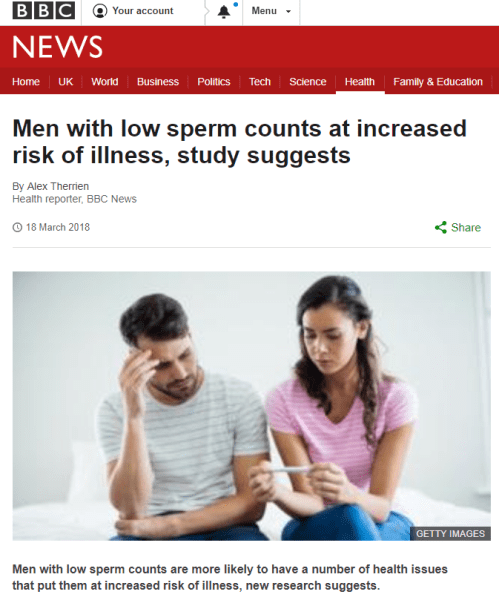
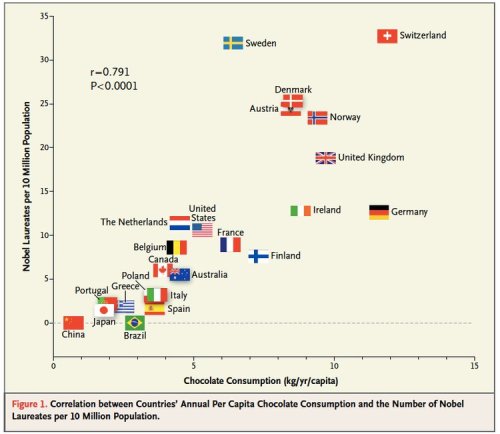


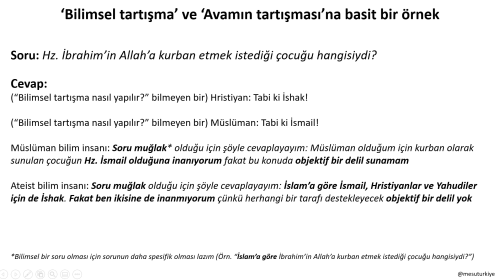


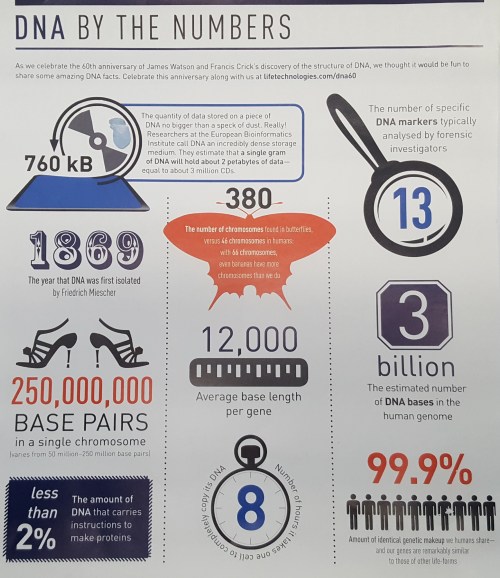


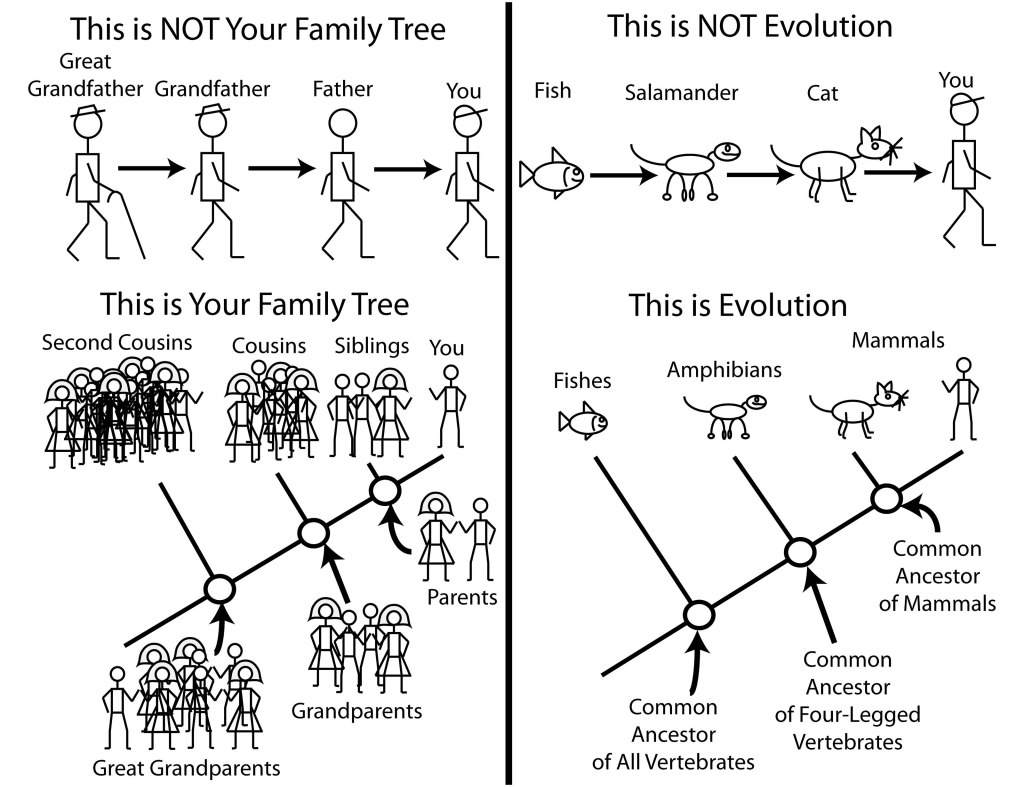

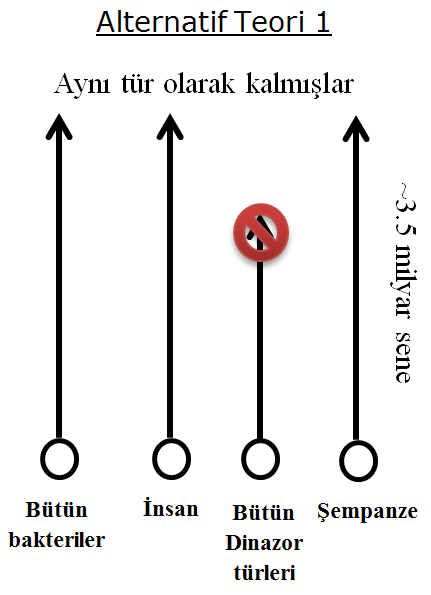
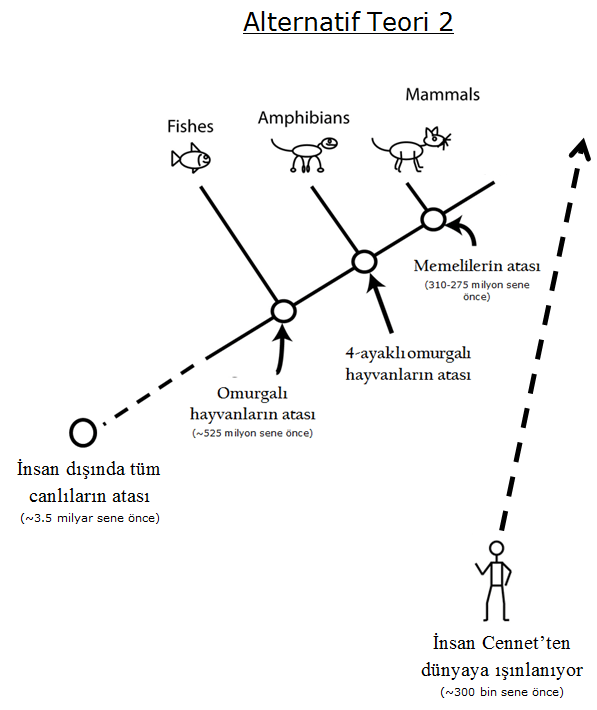
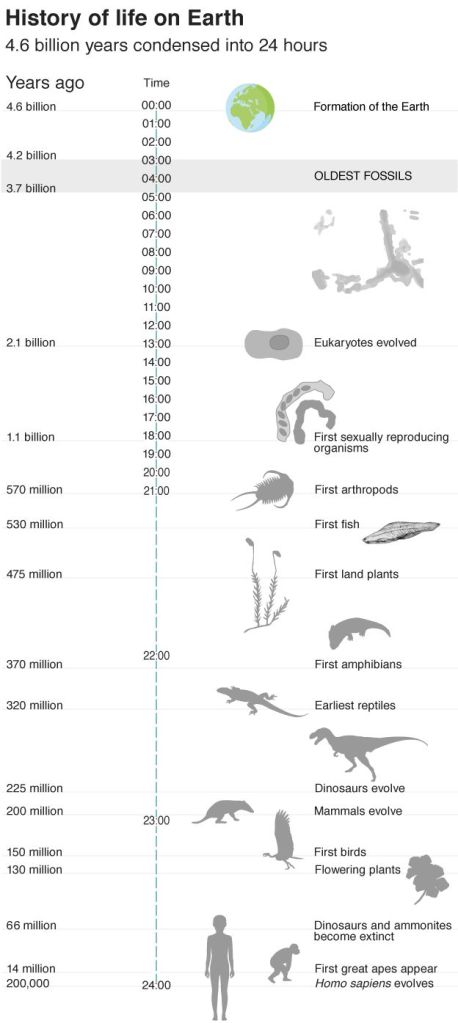


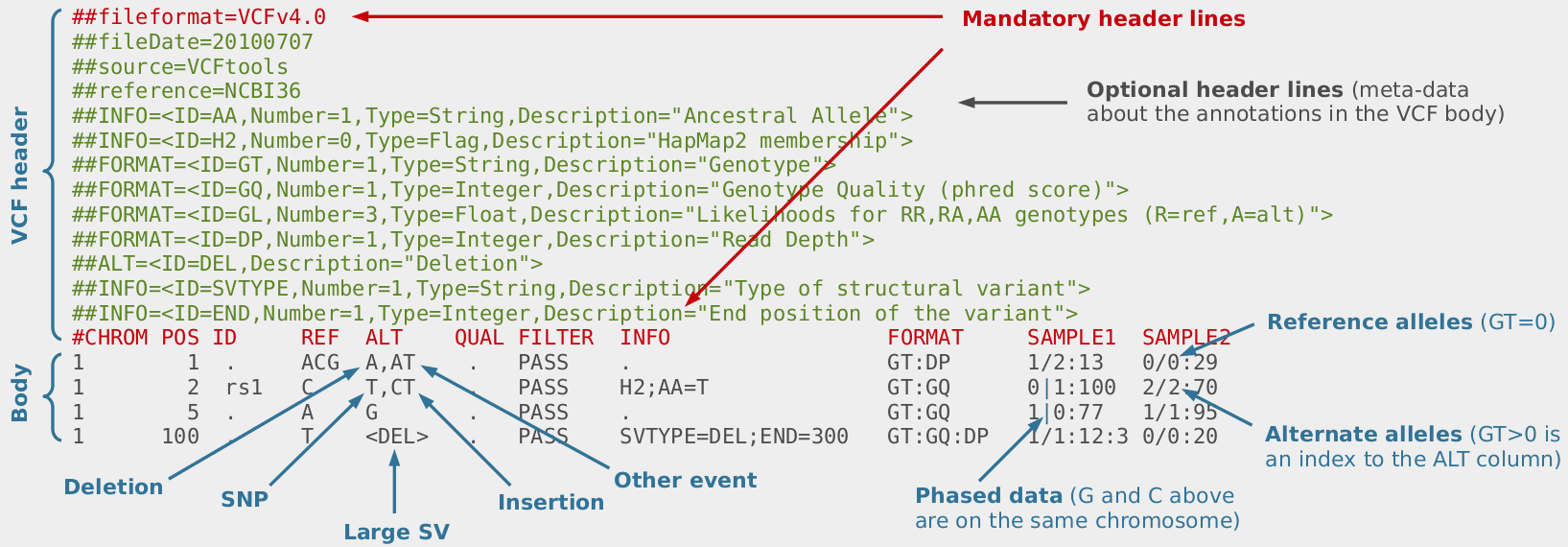


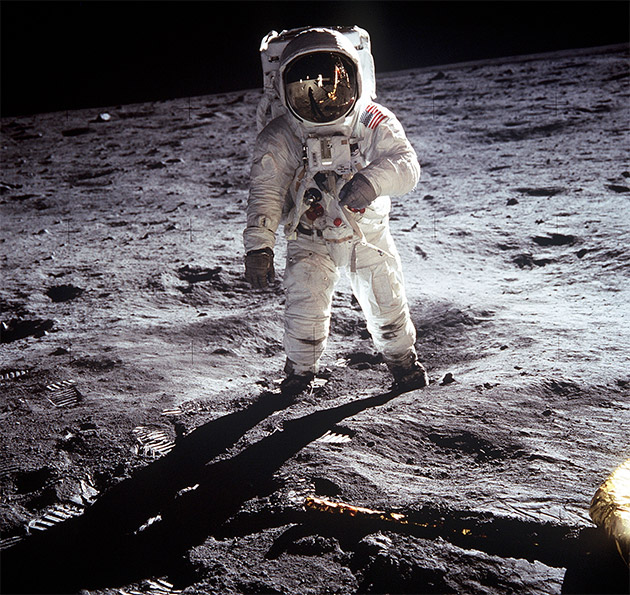
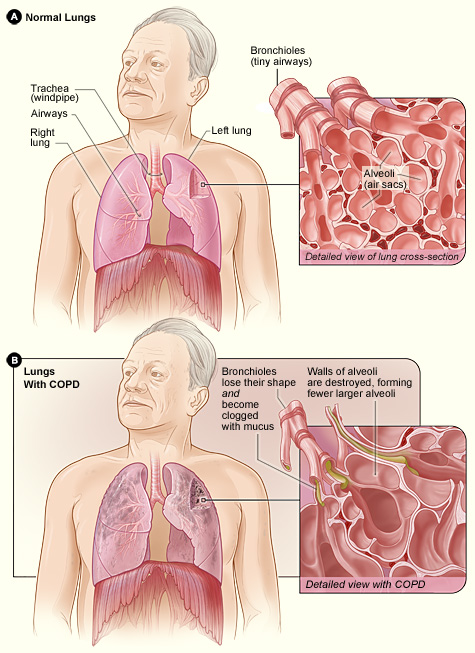


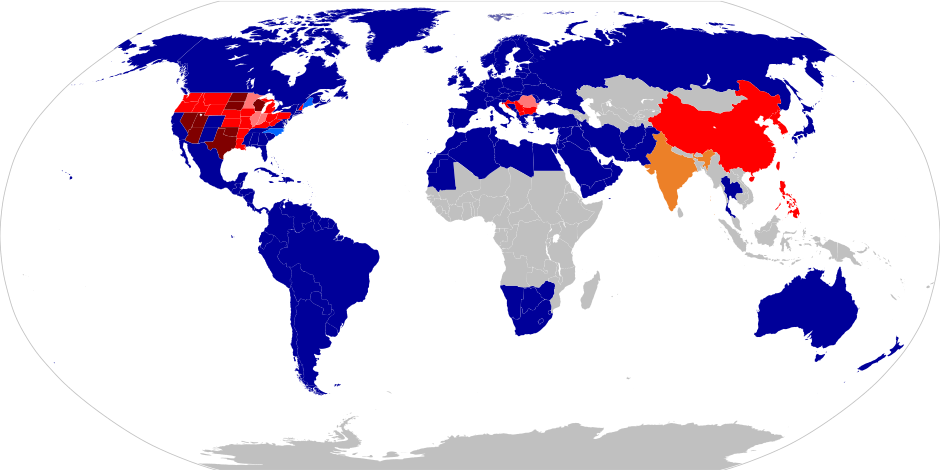


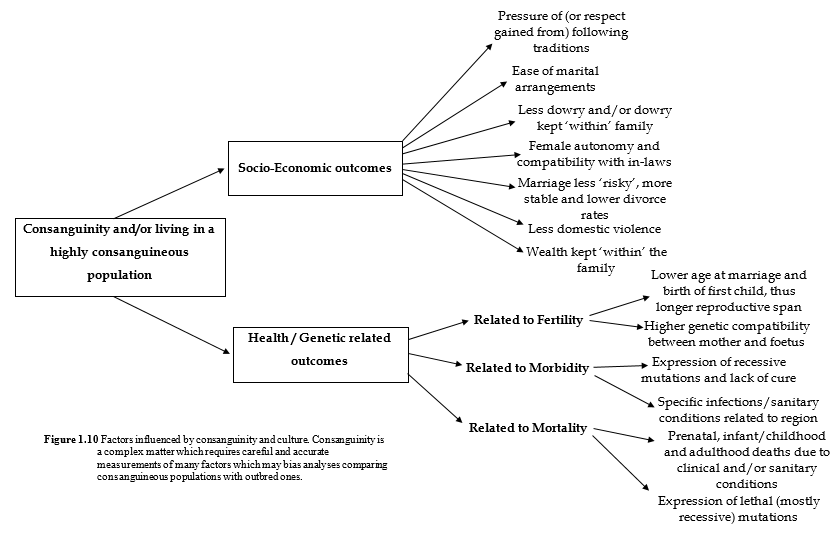
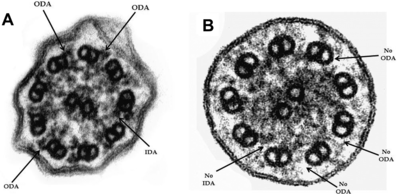
 An ordinary blog by an ordinary bloke