by Dr A. Mesut Erzurumluoğlu | Principal Bioinformatician at Bicycle Therapeutics (formerly at Boehringer Ingelheim, and Univs. of Cambridge, Leicester & Bristol) – blogging since 2006. All views mine unless stated otherwise
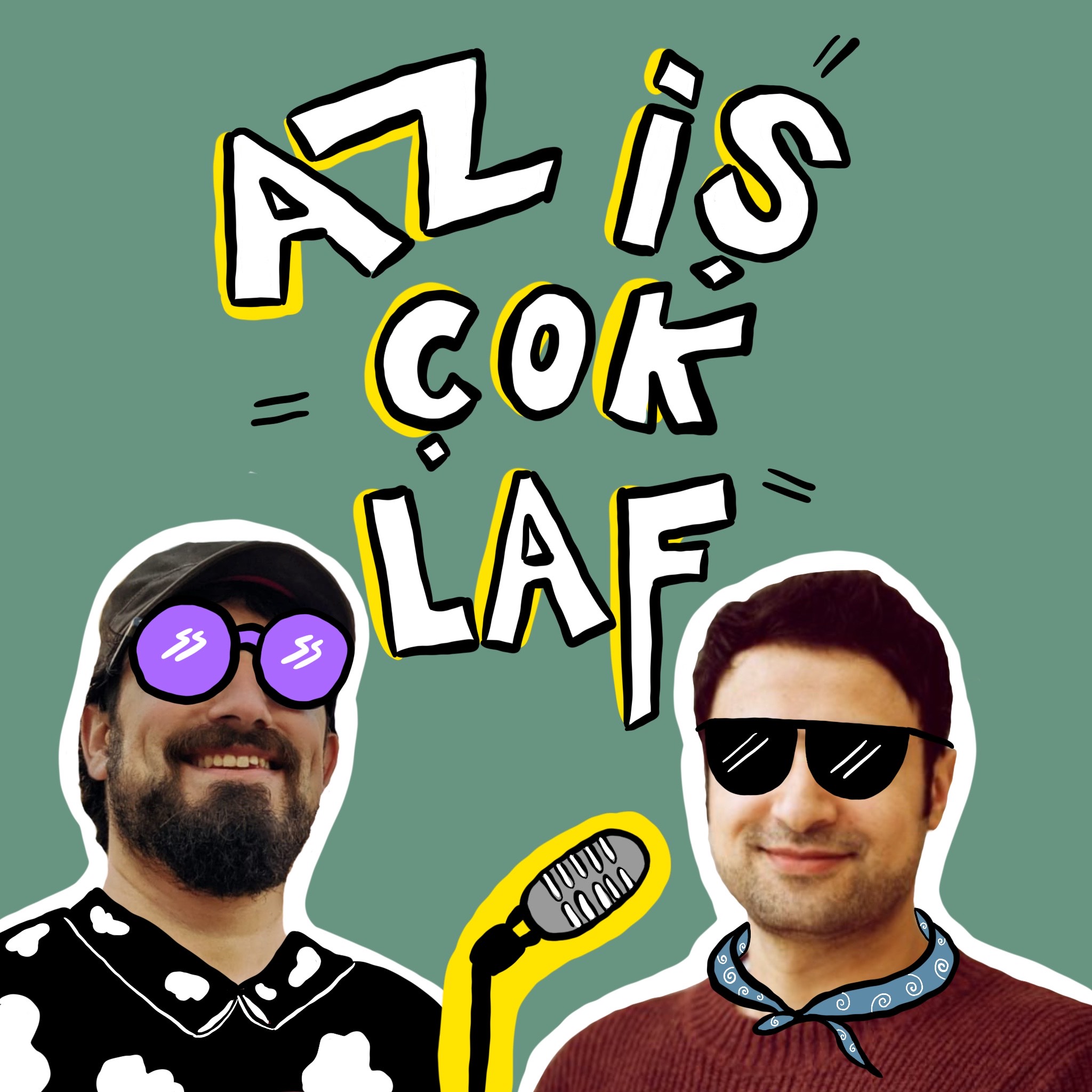
Gönül muhabbet ister podcast bahane! 🙂 Genelde, başarılı, bilgilive ‘cool’ insanlarla hafif konularda muhabbet ediyoruz. Twitter’da #AzIsCokLaf hashtagini kullanarak öneride bulunabilirsiniz. (Not: Yavaş konuştuğumuzu düşündüğünüz bölümlerde Spotify ya da Youtube’un 1.2x hızlandırma özelliğini kullanabilirsiniz)
Az İş Çok Laf – Bölüm 7: “Nasıl başardım?” – Tarık Gönen (22/12/20)
Bu bölümde blogunda (link: http://siirimemnu.blogspot.com/) paylaştığı şiirleriyle sosyal medyada ünlenen Tarık Gönen’le şiirlerinin arka planı, hayalleri ve hayat felsefesi hakkında konuştuk
Bu bölümde (YouTube ve Instagram’da toplamda 200 binden fazla takipçisi olan)Beyza Yaman’la İngiltere’deki yeni hayatı, influencer ve hukukçu kimlikleri arasındaki çatışmaları ve hayalleri hakkında konuştuk
Podcast’te kullanılan terminoloji:
1- Guilty pleasure (‘gilti plejı’ diye okunur): Toplumun çoğunluğunca hoş/kaliteli bulunmayan bir film, şarkı ya da kitap gibi şeylerden hoşlanma (örneğin: milletten gizlice dinlediğiniz şarkılar sizin ‘guilty pleasure’ınızdır)
2- Fun fact (‘fon feakt’ gibi okunur): Bir konu hakkında ilginç bir bilgi
Bu bölümde Univ. of East Anglia’da Doçent (Assoc. Prof) olan ve liderlik ve kreatif düşünce alanlarında uzman olan Dr Fahri Karakaş’la yeni dünya, kreatif düşün(ebil)me ve akademik hayat hakkında konuştuk
Bu bölümde Bilkent Universitesi Endüstri mühendisliği mezunu ve arkadaşları arasında ‘futbol almanağı‘ olarak tanınan Kerem Aydın’ı ağırladık ve hayat hikayesi, futbol izlemenin faydaları ve kendisini en çok etkileyen futbol maçları ve futbolcular hakkında konuştuk
(Not: Mesut’un bu bölümde bahsettiği ‘Futboldan çok şey öğrendim’ (Haziran 2015) yazısını okumak için tıklayın)
Podcast’te kullanılan terminoloji:
1- Fun fact (‘fon feakt’ gibi okunur): Bir konu hakkında ilginç bir bilgi
Bu bölümde Mesut’un 25 Kasım’da attığı (aşağıdaki) tweetin Türkiye sosyal medyasında en çok ‘like’ alan tweetlerden biri olması ve (Cezmi Kalorifer, Saykodeli paylaşımlar gibi milyon+ takipçili) ünlü Instagram hesapları tarafından da paylaşılmasının muhtemel nedenlerini ve Maradona’nın vefatının bize hatırlattığı diğer üzücü ünlü vefatlarını konuştuk
Ben 12 yaşındayken (2000) ailecek İngiltere'ye taşındık ve ingilizcem neredeyse sıfırdı. Bunu duyan (Karen Holman adında) Sınıf Öğretmenim, kendimi evimde hissedeyim diye tüm arkadaşlarıma Türkçe cümleler dağıtmış. Sınıfa girer-girmez arkadaşlarımın hepsi bana "Hoşgeldin" dediler
Gönül muhabbet ister podcast bahane! 🙂 Genelde, başarılı, bilgili ve ‘cool’ insanlarla hafif konularda muhabbet ediyoruz. Twitter’da #AzIsCokLaf hashtagini kullanarak öneride bulunabilirsiniz. (Not: Yavaş konuştuğumuzu düşündüğünüz bölümlerde Spotify ya da Youtube’un 1.2x hızlandırma özelliğini kullanabilirsiniz)
Az İş Çok Laf – Bölüm 0: Tarihe meyyal halimiz neden?– Fikri Çiçek (28/11/20)
Bu bölümde, Minnesota Üniversitesinde Tarih alanında tam burslu doktora yapanFikri’ye tarihçiler için pandemi döneminin nasıl geçtiğini, neden (ÖSS’de derece yapmasına rağmen) tarih seçtiğini ve gençlere tavsiyelerini sordum. En sonda da podcast tavsiyelerimizi paylaştık. (Not: Bölümün başlığını Fikri seçti – ‘meyyal’in ne olduğunu bile bilmiyordum ben 😀 )
Bu bölümde Mesut’un 25 Kasım’da attığı (aşağıdaki) tweetin Türkiye sosyal medyasında en çok like alan tweetlerden biri olmasının nedenlerini ve Maradona’nın vefatının bize hatırlattığı diğer üzücü ünlü vefatlarını konuştuk
Ben 12 yaşındayken (2000) ailecek İngiltere'ye taşındık ve ingilizcem neredeyse sıfırdı. Bunu duyan (Karen Holman adında) Sınıf Öğretmenim, kendimi evimde hissedeyim diye tüm arkadaşlarıma Türkçe cümleler dağıtmış. Sınıfa girer-girmez arkadaşlarımın hepsi bana "Hoşgeldin" dediler
Gönül muhabbet ister podcast bahane! 🙂 Genelde, başarılı, bilgilive ‘cool’ insanlarla hafif konularda muhabbet ediyoruz. Twitter’da #AzIsCokLaf hashtagini kullanarak öneride bulunabilirsiniz. (Not: Yavaş konuştuğumuzu düşündüğünüz bölümlerde Spotify ya da Youtube’un 1.2x hızlandırma özelliğini kullanabilirsiniz)
I worked on rare genetic diseases during my PhD and looked for novel disease causal genes – which I was lucky enough to find1. I also became familiar with the state of rare disease therapeutics: there over 7,000 rare diseases for which only %5 have therapies2. A large majority of rare diseases are neglected by Pharma companies most probably as the market is not as big as it is for common diseases (e.g. obesity, diabetes, COPD). Thus, when I was approached by an old family friend out of the blue and told that his 11 month-old son was a spinal muscular atrophy (SMA) type 1 patient, I straight away thought “the child probably has no hope“.
I did not mention the lack of therapies for rare diseases to my friend and did some research about SMA – a severe neuromuscular disorder where many patients die before the age of two. I was surprised to see that there was an apparently effective ‘cure’: Zolgensma, a gene therapy/drug that Novartis are offering for ~$2.1 million – the world’s most expensive drug at present. Although the drug is FDA and EMA approved, the NHS does not offer the drug at the moment as it has not been reviewed by the NICE committee – which thoroughly reviews all credible drugs and advises the NHS on whether to offer it to UK patients or not.
As we saw that quite a few parents ran successful crowdfunding campaigns and got their children to have the therapy, we decided to do the same (Metehan’s Gofundme page). As the crowdfunding campaign gathered pace, I was sent a tonne of emails – including the academics listed below – asking how Novartis can charge such a price for one drug. While we understand that this is not just a quest for profits and the price reflects R&D and production costs as well as Zolgensma’s position compared to competitors such as Spinraza (Biogen) – offered by the NHS, which is thought to cost around ~£400,000 per patient (real price unknown due to undisclosed agreement3) for just the first year – we believe that Novartis should provide a breakdown of what the profit margin of Zolgensma is per patient.
While we commend Novartis and other companies for investing in rare diseases and can only hope more would follow suit, disclosing profit margins would be most ethical thing to do, which in turn can provide a room for negotiation for patients, and low and middle-income countries (LMIC).
Dr A. Mesut Erzurumluoglu, Research Associate/Genetic Epidemiologist (MRC Epidemiology Unit, University of Cambridge)
Signed by:
Dr Zeynep Hulya Gumus, Assistant Professor of Genetics and Genomic Sciences (Icahn School of Medicine, Dept. of Genetics and Genomics)
Dr Sevinc Ercan, Associate Professor of Biology (New York University, Faculty Director of Diversity, Equity and Inclusion)
Prof. Cem Say, Professor of Computer Science (Bogazici University, Dept. of Computer Science)
Tambuyzer, E. et al. Therapies for rare diseases: therapeutic modalities, progress and challenges ahead. Nature Reviews Drug Discovery19, 93-111 (2020).
Ben 12 yaşındayken (2000) ailecek İngiltere'ye taşındık ve ingilizcem neredeyse sıfırdı. Bunu duyan (Karen Holman adında) Sınıf Öğretmenim, kendimi evimde hissedeyim diye tüm arkadaşlarıma Türkçe cümleler dağıtmış. Sınıfa girer-girmez arkadaşlarımın hepsi bana "Hoşgeldin" dediler




 An ordinary blog by an ordinary bloke