by Dr A. Mesut Erzurumluoğlu | Principal Bioinformatician at Bicycle Therapeutics (formerly at Boehringer Ingelheim, and Univs. of Cambridge, Leicester & Bristol) – blogging since 2006. All views mine unless stated otherwise
BBC news article published on the 18th March 2018. According to the article, men with low sperm counts are at a higher risk of disease/health problems. However, this is unlikely to be a causal relationship and more likely to be a spurious correlation. May even turn out to be the other way round due to “reverse causality”, a bias we encounter a lot in epidemiological studies. The following sounds more plausible (to me at least!): “Men with disease/health problems are likely to have low sperm counts” (likely cause: men with health problems tended to smoke more in general and this caused low sperm counts in those individuals).
As an enthusiastic genetic epidemiologist (keyword here: epidemiologist), I try to keep in touch with the latest developments in medicine and epidemiology. However, it is impossible to read all articles that come out as there is a lot of epidemiology and/or medicine papers published daily (in fact, too much!). For this reason, instead of reading the original academic papers (excluding papers in my specific field), I try to skim read from reputable news outlets such as the BBC, The Guardian and Medscape (mostly via Twitter). However, health news even in these respectable media outlets are full of wrong and/or oversensationalised titles: they either oversensationalise what the scientist has said or take the word of the scientist they contact – who are not infallible and can sometimes believe in their own hypotheses too much.
It wouldn’t harm us too much if the message of an astrophysics related publication is misinterpreted but we couldn’t say the same with health related news. Many people take these news articles as gospel truth and make lifestyle changes accordingly. Probably the best example for this is the Andrew Wakefield scandal in 1998 – where he claimed that the MMR vaccine caused autism and gastro-intestinal disease but later investigations showed that he had undeclared conflicts of interest and had faked most of the results (click here for a detailed article in the scandal). Many “anti-vaccination” (aka anti-vax) groups used his paper to strengthen their arguments and – although now retracted – the paper’s influence can still be felt today as many people, including my friends, do not allow their children to be vaccinated as they falsely think they might succumb to diseases like autism because of it.
The first thing we’re taught in our epidemiology course is “correlation does not mean causation.” However, a great deal of epidemiology papers published today report correlations (aka associations) without bringing in other lines of evidence to provide evidence for a causal relationship. Some of the “interesting ones” amongst these findings are then picked up by the media and we see a great deal of news articles with titles such as “coffee causes cancer” or “chocolate eaters are more successful in life”. There have been instances when I read the opposite in the same paper a couple of months later (example: wine drinking is protective/harmful for pregnant women). The problem isn’t caused only due to a lack of scientific method training on the media side, but also due to health scientists who are eager to make a name for themselves in the lay media without making sure that they have done everything they could to ensure that the message they’re giving is correct (e.g. triangulating using different methods). As a scientist who analyses a lot of genetic and phenotypic data, it is relatively easier for me to observe that the size of the data that we’re analysing has grown massively in the last 5-10 years. However, in general, we scientists haven’t been able to receive the computational and statistical training required to handle these ‘big data’. Today’s datasets are so massive that if we take the approach of “let’s analyse everything we got!”, we will find a tonne of correlations in our data whether they make sense or not.
To provide a simple example for illustrative purposes: let’s say that amongst the data we have in our hands, we also have each person’s coffee consumption and lung cancer diagnosis data. If we were to do a simple linear regression analysis between the two, we’d most probably find a positive correlation (i.e. increased coffee consumption means increased risk of lung cancer). 10 more scientists will identify the same correlation if they also get their hands on the same dataset; 3 of them will believe that the correlation is worthy of publication and submit a manuscript to a scientific journal; and one (other two are rejected) will make it past the “peer review” stage of the journal – and this will probably be picked up by a newspaper. Result: “coffee drinking causes lung cancer!”
However, there’s no causal relationship between coffee consumption and lung cancer (not that I know of anyway :D). The reason we find a positive correlation is because there is a third (confounding) factor that is associated with both of them: smoking. Since coffee drinkers smoke more in general and smoking causes lung cancer, if we do not control for smoking in our statistical model, we will find a correlation between coffee drinking and lung cancer. Unfortunately, it is not very easy to eliminate such spurious correlations, therefore health scientists must make sure they use several different methods to support their claims – and not try to publish everything they find (see “publish or perish” for an unfortunate pressure to publish more in scientific circles).
A figure showing the incredible correlation between countries’ annual per capita chocolate consumption and the number of Nobel laureates per 10 million population. Should we then give out chocolate in schools to ensure that the UK wins more Nobel prizes? However, this is likely not a causal relationship as it makes more sense that there is a (confounding) factor that is related to both of them: (most likely) GDP per capita at purchasing power parity. To view even quirkier correlations, I’d recommend this website (by Tyler Vigen). Image source: http://www.nejm.org/doi/full/10.1056/NEJMon1211064.
As a general rule, I keep repeating to friends: the more ‘interesting’ a ‘discovery’ sounds, the more likely it is to be false.
Hard to explain why I think like this but I’ll try: for a result to sound ‘interesting’ to me, it should be an unexpected finding as a result of a radical idea. There are just so many brilliant scientists today that finding unexpected things is becoming less and less likely – as almost every conceivable idea arises and is being tested in several groups around the world, especially in well researched areas such as cancer research. For this reason, the idea of a ‘discovery’ has changed from the days of Newtons and Einsteins. Today, ‘big discoveries’ (e.g. Mendel’s pea experimets, Einstein’s general relativity, Newton’s law of motion) have given way to incremental discoveries, which can be as valuable. So with each (well-designed) study, we’re getting closer and closer to cures/therapies or to a full understanding of underlying biology of diseases. There are still big discoveries made (e.g. CRISPR-Cas9 gene editing technique), but if they weren’t discovered by that respective group, they probably would have been discovered within a short space of time by another group as the discoverers built their research on a lot of other previously published papers. Before, elite scientists such as Newton and Einstein were generations ahead of their time and did most things on their own, but today, even the top scientists are probably not too ahead of a good postdoc as most science literature is out there for all to read in a timely manner (and more democratic compared to the not-so-distant past) and is advancing so fast that everyone is left behind – and we’re all dependent on each other to make discoveries. The days of lone wolves is virtually over as they will get left behind those who work in groups.
To conclude, without carefully reading the scientific paper that the newspaper article is referring to – hopefully they’ve included a link/citation at the bottom of the page! – or seeking what an impartial epidemiologist is saying about it, it’d be wise to take any health-related finding we read in newspapers with a pinch of salt as there are many things that can go wrong when looking for causal relationships – even scientists struggle to make the distinction between correlations and causal relationships.
Amy Cuddy’s very famous ‘Power posing’ talk, which was the most watched video on the TED website for some time. In short, she states that if you give powerful/dominant looking poses, this will induce hormonal changes which will make you confident and relieve stress. However, subsequent studies showed that her ‘finding’ could not be replicated and she that did not analyse her data in the manner expected of a scientist. If a respectable scientist had found such a result, they would have tried to replicate their results; at least would have followed it up with studies which bring other lines of concrete evidence. What does she do? Write a book about it by bringing in anecdotal evidence at best and give a TED talk as if it’s all proven – as becoming famous (by any means necessary) is the ultimate aim for many people; and many academics are no different. Details can be found here. TED talk URL: https://www.ted.com/talks/amy_cuddy_your_body_language_shapes_who_you_are
PS: For readers interested in reading a bit more, I’d like to add a few more sentences. We should apply the below four criteria – as much as we can – to any health news that we read:
(i) Is it evidence based? (e.g. supported by a clinical trial, different experiments) – homeopathy is a bad example in this regard as they’re not supported by clinical trials, hence the name “alternative medicine” (not saying they’re all ineffective and further research is always required but most are very likely to be);
(ii) Does it make sense epidemiologically? (e.g. the example mentioned above i.e. the correlation observed between coffee consumption and lung cancer due to smoking);
(iii) Does it make sense biologically? (e.g. if gene “X” causes eye cancer but the gene is only expressed in the pancreatic cells, then we’ve most probably found the wrong gene)
(iv) Does it make sense statistically? (e.g. was the correct data quality control protocol and statistical method used? See figure below for a data quality problem and how it can cause a spurious correlation in a simple linear regression analysis)
Wrong use of a statistical (linear regression) model. If we were to ignore the outlier data point at the top right of the plot, it becomes easy to see that there is no correlation between the two variables on the X and Y axes. However, since this outlier data point has been left in and a linear regression model has been used, the model identifies a positive correlation between the two variables – we would not have seen that this was a spurious correlation had we not visualised the data.
18 Mart 2018’de BBC’de çıkmış bir sağlık haberi. Haberin başlığına göre “sperm sayısı düşük olan erkeklerin sağlık problemleri yaşama riski daha yüksek”. Fakat gerçekte olan büyük ihtimalle tam tersi: Sağlık problemleri yaşayan erkeklerin genel olarak sperm sayısı daha düşük. Epidemiyolojide buna “reverse causality” (ters nedensellik) diyoruz ve analizlerimizde çok sık karşılaşıyoruz.
Bir Genetik Epidemiyolog olarak (anahtar kelime: epidemiyolog) tıpla ilgili önemli gelişmeleri takip etmeye çalışıyorum. Fakat bu günlerde tıp ve epidemiyoloji alanında o kadar çok ‘buluş’ yapılıyor ki çıkan her habere yetişmek imkansız. Bu yüzden BBC, The Guardian, The Times gibi saygıdeğer haber kaynaklarına odaklanıyorum. Işin kötüsü, bu haber kanallarında dahi çıkan haberlerin çoğunun verdiği ana mesaj çoğu zaman yanlış ya da abartılı: ya analizi yapan bilim insanlarına fazla güveniyorlar ya da bilim insanlarının kendilerine söylediklerini daha sansasyonel hale getiriyorlar.
Belki astrofizik alanında yapılan bir buluş ile ilgili bir haberin doğru olup-olmaması bizi fazla etkilemez ama sağlığımızı ilgilendiren bir ‘buluş’un yanlış çıkması için aynı şeyi söyleyemeyiz. Insanlar bu haberleri okuyup, ona göre kendi hayatlarında değişimlere gidebiliyorlar. Bu tarz haberlerin belki de en etkilisi 1998’de tıp alanındaki en ünlü dergi olan The Lancet’de çıkan bir makaleyle ilgiliydi (Wakefield et al, 1998). Makaleye göre, özetle, MMR (measles, mumps, and rubella) aşısının test edildiği 12 çocuğun hepsinde de otizm, davranış bozuklukları, bağırsak problemleri gibi sorunlar ortaya çıkmıştı. Çalışma tüm dünyada haber olmuş ve MMR aşısına karşı kampanya başlatılmıştı. Bu sadece MMR aşısına değil, tüm aşılara dini (“kaderci”) ya da başka sebeplerden dolayı (“organik yaşam” savunucuları gibi) karşı çıkan grupların işini kolaylaştırdı ve bu “anti-vaxxer” (aşı karşıtı) gruplar her mecrada argümanlarını bu makaleyle güçlendirdiler. Fakat sonraki bilimsel ve adli araştırmalarla bu çalışmayı yürüten Andrew Wakefield’ın aşı karşıtı gruplardan para aldığı ve sonuçların neredeyse tamamını kendisinin uydurduğu ortaya çıktı (daha detaylı bir analiz için tıklayın). Gerçek, özellikle bilim alanında, eninde sonunda ortaya çıkıyor fakat iş işten geçmiş olabiliyor bazen. Bu makaleninin etkileri toplum nazarında bugün dahi devam ediyor ve bir sürü aile çocuklarına bu tarz korkulardan dolayı aşı (vaccination) yapılmasına izin vermiyor.
Bize epidemiyolojide öğrettikleri ilk şey: “correlation does not mean causation” (korelasyon, sebep-sonuç ilişkisi olduğu anlamına gelmez). Fakat bugünlerde tıp ve epidemiyoloji alanında ‘buluş’ adı altında bir sürü korelasyon (correlation) yayınlanıyor. Bunların arasında ilginç ve çok okunacak olanları gazeteciler yakalıyor ve “kahve içmek kansere yol açıyor”, “çikolata yiyenler daha başarılı” ve benzeri başlıklı haberler yayınlıyorlar. Birkaç gün sonra tam tersi bir haber okuduğumuz da oluyor (“kahve içmek kanseri engelliyor!” gibi). Bu tarz haberlerin yayılmasında gazetecilerin suçu olduğu gibi, bilim insanlarının da suçu var. Sıkıntı şu: bilim insanlarının elindeki datalar son 5-10 yılda inanılmaz bir hızla büyüdü ama bilim insanları dahi genel olarak bu büyümeye data analizi açısından yetişemedi. Datalar çok büyük olduğundan, hipotezsiz, data analizi ve “causal inference” (nedensel çıkarım) uzmanlığınız olmadan “dur şunu da analiz edeyim!” dediğiniz zaman, istemediğiniz kadar korelasyon buluyorsunuz.
Örnek olarak: diyelim ki datanızdaki tonlarca verinin arasında kişilerin kahve içme oranı ve akciğer kanseri teşhisi de var. Eğer basit bir istatistiki korelasyon (örneğin: linear regression) analizi yapacak olursak, büyük ihtimalle ikisi arasında anlamlı bir korelasyon bulacağız. Bu korelasyonu sadece siz değil, benzer dataya bakan 10 kişi daha bulacak; bunlardan belki 3’ü bu korelasyonun gerçek olduğuna inanacak ve bir makale yazacak; 1’i de makaleyi gönderilen derginin “peer review” (birkaç bilim insanı tarafından değerlendirme) aşamasından geçirip, yayınlayacak – ve büyük bir ihtimalle ilginç bir ‘buluş’ olarak her yerde haber olacak: “kahve içmek akciğer kanserine yol açıyor!”
Gerçekte ise kahve içmeyle akciğer kanseri arasında hiçbir sebep-sonuç ilişkisi yok. Bulduğumuz korelasyonun sebebi bu ikisiyle de – yani kahve içmek ve akciger kanseriyle – bağlantılı üçüncü bir (confounding) faktörün olması: sigara içmek. Kahve içenler genelde daha fazla sigara içiyorlar ve sigara içmek de akciğer kanserine sebep olduğu için, eğer istatistiki modelimize kişinin sigara içme oranını da eklemezsek, kahve içmeyle akciğer kanseri arasında istatistiki olarak güçlü bir korelasyon buluruz. Maalesef bu tarz sebep-sonuç ilişkisi göstermeyen korelasyonların önüne geçmek ve elimine etmek kolay değil; bu yüzden bilim insanlarının daha dikkatli olması ve yaptıkları her “buluş”u başka bilimsel yöntemlerle desteklemeden yayınlamaması gerekiyor.
Figür, ülkelerdeki çikolata tüketim oranıyla ülkenin toplamda kazandığı Nobel ödülü sayıları arasındaki inanılmaz korelasyonu gösteriyor. O zaman bu “buluş”a bakıp, Türkiye’deki herkese çikolata yedirmeye başlamak lazım – malum ülke olarak sadece iki Nobel ödülümüz var. Fakat bu korelasyonun (büyük ihtimalle) muhtemel en büyük sebebi, çikolata tüketimiyle, Nobel ödülü sayılarını etkileyen üçüncü bir faktörün olması: GDP per capita at purchasing power parity (satın alma paritesi). Bulunan daha ilginç korelasyonlara bakmak için tıklayın. Image source: http://www.nejm.org/doi/full/10.1056/NEJMon1211064.
Konuyu daha fazla uzatmadan genel bir prensip olarak şunu rahatlıkla söyleyebilirim: bir buluş kulağa ne kadar ilginç ve sansasyonel geliyorsa, yanlış olma ihtimali de o derece yüksektir.
Biraz zor olacak ama neden böyle düşündüğümü kısaca izah etmem gerekirse: bir buluşun bana ‘ilginç’ gelmesi için, o buluşun o konuda bilinenlerden çok farklı birşey olması lazım. Böyle bir buluş yapmak günümüzde bir hayli zor çünkü artık bilim insanı sayısı eskiden olduğu gibi az değil; artık binlerce bilim insanı bir konu üzerinde çalışıyor olabilir (örnek: kanser). Artık her tür fikir/hipotez, birçok grupta aynı anda ortaya çıkabiliyor ve test ediliyor. Bundan dolayı birkaç haftada bir ‘buluş’ yapılıyor denebilir – ama eskiye nazaran alanını on yıllarca ileri taşıyan değil, ‘inkremental’ buluşlar bunlar. Belki son ufak adımı bir grup/insan diğerlerinden önce atıyor ve bu yüzden alanlarında ‘büyük buluşu yapan kişi/grup’ diye anılıyorlar. Oysa belki 3-5 ay sonra başka bir grup büyük ihtimalle aynı buluşu yapacaktı. Eskiden Newton ya da Einstein gibi elit bilim insanları zamanlarının çok ilerisinde olabiliyorlardı, çünkü etrafta fazla bilim insanı yoktu ve bilim bu kadar hızlı ilerlemiyordu.
Son olarak, bu tarz haberleri okurken biraz ihtiyatlı olmakta fayda var ve bu çalışmalara bakıp hayatımızda değişiklikler yapmadan önce, eğer anlıyorsak, araştırma metotlarına bakmamız lazım – ya da epidemiyolojiden ve “causal inference”dan iyi anlayan (yani doğru soruları sorabilen) birisine danışmamız lazım.
Amy Cuddy’nin “power posing” konuşması, en çok izlenen TED talk. Kısaca, “eğer güçlü görünen pozlar verirseniz, kendinize güveniniz artar” diyor bu konuşmasında. Fakat sonraki bilimsel analizler bunun doğru olmadığını ve Amy Cuddy’nin analiz metotlarının bir bilim ınsanından beklenmeyecek kadar zayıf olduğunu gösteriyor. Detaylar için tıklayın. TED talk source: https://www.ted.com/talks/amy_cuddy_your_body_language_shapes_who_you_are
PS (post-script/dipnot): Konuyla ilgilenenler için ekstradan bir-iki paragraf daha karalayayım istedim. Sağlık alanında yapılan bir buluş (i) delil/deney bazlı (evidence-based) ve (ii) epidemiyolojik, istatistiki ve biyolojik olarak mantıklı olmalı. Bir ‘buluş’la ilgili haberi okuduktan sonra “ya evet, mantıklı” demeden önce elimizden geldiğince “bu 4 konuda tatmin edici mi?” diye sorgulamamız lazım. Kriterlere örnek vermek gerekirse:
“Evidence-based” dedik. Bunlara en güzel karşıt örnekler “homeopati/alternatif tıp” olarak adlandırdığımız “ilaç/kürler”. Bunların hepsini toptancı bir yaklaşımla “kesinlikle etkisiz” diye çöpe atmamak lazım fakat çoğu alternatif tıp savunucusunun “belge” olarak sunduğu şeyler kulaktan dolma bilgiler: “Kaynımın şu hastalığı vardı; şu Hoca bir bitki karışımı verdi ve hastalığı geçti” gibi. (Bilinmeyen bir sebepten dolayı) bir kişinin hastalığı geçiyor, 10 kişininki geçmiyor; ve sadece bu hastalığı geçen kişininki kulaktan kulağa yayılıyor, reklamı yapılıyor. Bilim insanlarının daha bilmediği/araştırması gereken çok şey var fakat bir ilaç “klinik deneme”den (clinical trial) geçmeden önce onun efektif olduğunu, yani gerçekten de bir çare olduğunu belgelemek çok zor.
“Epidemiyolojik olarak mantıklı olmalı” dedik: Yukarıda bahsettiğim kahve, sigara ve akciger kanseri örneğinden tonlarca var hayatta. Kendimize, “bu korelasyona sebep olabilecek 3.ncü bir faktör var mı?” diye sormalıyız.
“Biyolojik olarak mantıklı olmalı” dedik: “X geni gırtlak kanseri yapıyor” diye bir haber/makale okudunuz ama bu “X” geni sadece ayağımızdaki bazı hücrelerde aktifse, büyük ihtimalle yanlış bir haber/sonuç.
“Istatistiki olarak mantıklı olmalı” dedik: Çok basit bir örnek olarak aşağıdaki figüre bakınız. Basit bir linear regression analiziyle bu iki veri arasında bir korelasyon buluruz. Fakat datayı visualise/plot ettiğimiz zaman, aslında korelasyon çıkmasının sebebinin en üstteki “outlier”dan (aykırı gözlemden) dolayı olduğunu görebiliyoruz. Burada bir data “temizleme” problemi ve yanlış bir istatistiki modelin kullanıldığını görebiliyoruz. Böyle bir plot çizmesek, bu korelasyonun yanlış olduğunu göremezdik.
Yanlış bir linear regression (doğrusal regresyon) metot kullanımı. Kendi başına en uçta duran noktayı görmezden gelirsek, X ve Y eksenindeki veriler arasında hiçbir korelasyonun olmadığını çok rahat bir şekilde görüyoruz. Fakat o problemli veri silinmediğinden ve yanlış bir şekilde linear regression metodu kullanıldığından, aralarında sanki pozitif bir korelasyon varmış gibi bir çizgi çizilmiş.
Laws regarding first-cousin marriage around the world. Navy blue: First-cousin marriage legal. Light Blue: Allowed with restrictions or exceptions. Yellow: Legality dependent on religion or culture. Red: Statute bans first-cousin marriage. Pink: Banned with exceptions. Dark Red: Criminal offense. Grey: No available data. The image has been released into the public domain by the author (URL: http://en.wikipedia.org/wiki/Cousin_marriage).
The answer is (studying) consanguinity (i.e. unions between relatives such as first-cousin marriages); and one cannot understand the complexity of the issue (and make ‘informed’ decisions) without reading the literature of these five apparently unconnected fields. It is fair to say that there is a degree of hostility towards consanguineous marriages in Western societies. However this perception is usually attained without in-depth knowledge on the genetic effects of consanguinity. In short, consanguinity per se (i.e. on its own) does not cause a disorder, but rather it increases the probability of an autosomal recessive disorder (which require two copies of the same) causal mutation to be in a homozygous state (i.e. possess two copies of the same mutation). When this happens both copies of the genes we inherited from our parents do not function properly.
Unions between individuals who are second-cousins or closer are considered ‘consanguineous’ in clinical genetics. Consanguineous families with diseases have been studied thoroughly by clinical geneticists for the last two-three decades – and this has allowed for identification of many disease causal genes. However, studying consanguineous populations as a whole rather than ‘cherry picking’ families with disease can offer much more for better understanding our genome and therefore finding new targets for preventive and curative medicine. Many genes in our genome still have unknown functions and we have merely scratched the surface in terms of their interactions. I hypothesise that assigning a function to the thousands of remaining genes will only be feasible if consanguineous populations are studied as a whole (i.e. also including families without disease to the studies) and I therefore carry out theoretical studies to estimate the sample size needed and how many genes will be completely ‘knocked-out’ if these studies were to be carried out. This approach proposes a ‘paradigm shift’ in clinical genetics.
Global prevalence of consanguineous unions. Consanguinity has deep roots in many cultures and it is impossible to interfere/intervene from the outside without first understanding why people engage in cousin marriages. Image source URL: http://www.consang.net/
Consanguineous unions occur very rarely in Western countries for a variety of sociological (e.g. cultural, negative media coverage) and statistical reasons (e.g. smaller families means fewer cousins at similar age), but the complete opposite is true in certain regions of the world where union of kin is seen as the default choice. Conservative estimates predict that approximately one-sixth of the world’s population (a figure of 1.1 billion is proposed by the Geneva International Consanguinity Workshop Report) live in highly consanguineous regions; and also another one-sixth falls into the ‘unknown’ category – reflecting the need for further research. Historically, consanguineous unions were also common amongst the elite in the UK (up to mid-19th century, including Charles Darwin), the Pharaohs and the Royal families of Europe (e.g. Habsburgs).
Views of main religions towards consanguineous marriages. NB: Where first-cousin marriages are allowed, lower levels of consanguinity are also allowed. Image Source: Copy-pasted from my own PhD thesis
The increase in the probability of a mutation being homozygous will depend on the level of relatedness between the parents. For example, approximately 6.25% of mutations are expected to be homozygous in the offspring of first cousins. This figure would be (near) 0% in the offspring of outbred individuals. Genetically, this is the main difference between union of kin and union of unrelated individuals. We all have many disease-causal mutations in our genomes (but in heterozygous state, i.e. one normal copy and one mutated copy) and different kinds of mutations are out there in all populations. However because these mutations will be very rare or are unique to you or your family, they do not get to meet their counterpart when you have offspring with an unrelated individual. Therefore the mutation’s homozygous effects are never observed. This is why rare autosomal recessive disorders are almost always seen in consanguineous offspring.
This difference in homozygosity levels is also one of the main reasons behind the necessity of studying consanguineous individuals and populations. These studies can turn unfortunate events (e.g. disorder in families) to a great use for medical sciences. Not only will identifying a disease-causal mutation help with diagnostics, they can enable scientists to understand what certain genes do and help us understand why the gene causes that disease. Rare instances can be highly informative about preventable outcomes relevant to the whole population. For example, had more notice been taken in the 1980s of the proof which familial hypercholesterolemia provided for the causal role of cholesterol in coronary heart disease (CHD), high cholesterol intake would have been better addressed for the nation a decade sooner. To provide numbers, CHD is still the UK’s biggest killer causing over 80 thousand deaths a year, thus paying more attention to information that was coming from studies of consanguineous unions could have saved thousands of lives just in this single case.
Given the advancements in genetic diagnostics (e.g. huge decreases in costs of DNA sequencing), screening for all known mutations will become feasible in the near future for everybody – and identifying disease-causal mutations will become even more useful for all of us. Our genomes are constantly being mutated and my approach will enable a much broader understanding of our genome by observing these mutations’ homozygous effects. Finally, rather than discourage (See link for an example) consanguineous marriages totally (not feasible in the foreseeable future due to many socio-economic and cultural reasons), for those willing to marry a cousin, screening for previously identified mutations will help these couples take more informed decisions.
Factors influenced by consanguinity and culture. Image Source: Copy-pasted from my own PhD thesis (hence the Figure 1.10)
PS: Whilst the media is mostly responsible for portraying consanguinity the way they understand (and with more contrast added on of course), they could be forgiven as the genetic effects of consanguinity is not fully understood amongst geneticists either, especially in the field of complex trait genetics – thus the extra incentive for studying them.
Please be aware of the fallacies you commit when constructing an argument – and likewise spot them when the opposition is using them against you. Constructing a completely valid argument is one of the hardest things and therefore requires sincerity, practice and knowledge. The former reason is important as committing fallacies can be an easy ‘exit strategy’ from a debate – and can win you the argument in the eyes of an uninformed/uneducated audience.
For those of you looking for real-life examples of the fallacies below, I’m sure you can observe them very frequently in political debates – and therefore can improve your ‘valid’ debating skills by not emulating them.
NB: I have always been against ‘useless’ debates (e.g. Science v Religion, Islam v Christianity) and more in favour of dialogue. However I do recognise that debates are sometime a must for human intellect to evolve, especially in natural and social sciences.
PS: There are also other biases which we probably all have – and all need to be rectified before we can reach our full potential as ‘open-minded’ human beings. See below:
Biases which affect our decisions in a negative way
Peace is the only way forward – for both sides! (source URL: www.israellycool.com)
A few hate-driven Palestinians (or whoever they are) fire rockets to Israel aiming to kill their citizens. Israel has the right to find and punish them (and only them!). However, what Israel does is go out and kill civilians (including many children and women) in return by using weapons of mass destruction. Now tell me what the difference is between Israel (a state) and those few brainless radicals. I really can’t see the difference in the way they act. Surely a state has to act differently than a bunch of terrorists! We must be against anyone, any group and any state who kills civilians! It doesn’t matter who they are or what they claim to represent! Terrorism (and killing civilians) has no religion or ideology!
Graffiti in Bristol, UK – Palestinian people deserve freedom, peace and independence just like Israel
Belfast International Peace Murals
Both sides must take a long hard look at themselves. As long as these atrocities carry on (on both sides) and we keep turning a blind eye, there’ll never be peace in the Middle East; and therefore the World. For peace to ever become sustainable, inter-faith and inter-cultural dialogue is a must! People must learn and agree to disagree! I do not want to see one more life ending prematurely due to terrorism (by radical groups or by states) – on both the Palestinian and the Israeli side; or any other side! One life is one too many!
Hate can blind us all, thus we can’t see the good sides of others. The media/NGOs need to put more emphasis on dialogue and universal ethics
There is a great deal of suspicion about consanguineous unions in the world. Whether this suspicion relies on health issues or not, we still have to be aware of possible genetic effects of consanguinity on heritable disorders and socio-cultural impacts.
Consanguinity itself does not make an individual “sick,” but it affects the probability of an autosomal recessive disorder (which requires two copies of the same mutation) if there is such a mutation which runs within the family (with the word “if” emphasized). Consanguinity should be regarded as a complex issue due to socio-economic factors and health concerns.
In clinical genetics, unions between individuals who are second cousins or closer are considered “consanguineous” (inbreeding coefficient, F=0.0156). Incestuous unions (e.g. brother-sister, father-daughter) will not be included in the description of consanguinity in this article, and are obviously outlawed in every society and faith.
Speaking from a statistical geneticist’s perspective, consanguinity affects the probabilities of certain genotypes occurring in offspring.
This is a conversation which is known to be have happened between Yahya efendi (a well-known Islamic scholar of the time; ‘Efendi’ means ‘respected master’ in Turkish) and Sultan Suleiman ‘The Magnificent’ (Ottoman sultan):
During Sultan Suleiman’s reign, the Ottomans were undoubtedly ‘the superpower’ at the time. However he was also curious about the future of the state (I do not like calling the Ottomans an ’empire’ so I will keep calling them ‘state’) and wonders whether the Ottomans will also decline just like all the other great civilisations, states and/or empires before it.
He always asked scholars for their opinions if he had a question, so he took the matters to Yahya efendi through his messengers. Some time later he received an answer through his messenger and it was very short:
Oh Sultan, “I don’t care” is the answer
The Sultan was shocked. However he knew that Yahya efendi was a man of wisdom, so he travelled to his place to learn the meaning of his answer.
Brother, please do take my question seriously. I am curious about the answer.
Another short answer from Yahya efendi:
Oh my Sultan. How can I ignore you? I did give you an answer. And it was “I don’t care”
However the Sultan still couldn’t make sense of his answers.
I still don’t understand
Well my Sultan. Whenever corruption, oppression/cruelty and thievery runs loose within a society; and the ones who see it turn a blind eye towards them and say “I don’t care”, this will be end of that state and society.
Great lessons to be learnt from the past… I hope the politicians in our countries take notice; if they ‘care’ that is!
Our eyes have become blurred with distractions. We lost touch with the realities of this life. Note: Scroll down for the English version of this post
Hayatın anlamını araştıran/sorgulayanların çoğu zaman, dinleri ve Allah’ı tamamen yalanlayanlardan olmasını anlamıyorum; gerçekten anlamıyorum!
Soylemeliyim ki hiçbir zaman bulamayacaksınız; egonuzu (nefsinizi) yenip/dizginleyip, Hakk’ın (c.c.) önünde eğilmediginiz surece! Biraz sert bir cevap gibi gelebilir ama gerçek bu. Samimiyetle O(c.c.)’nu bulmak istersek, ben Allah’ın bize ‘doğru yol’u gosterecegine inanıyorum. Buna siz de inanın!
Shakespeare, Tolstoy, Dostoyevsky, Dickens, Orwell’i okumak/anlamak için harcadıgımız zamanın onda birini Allah’ı (şimdilik varlıgına inanın ya da inanmayın) tanımaya/anlamaya harcasak da ondan sonra kararımızı versek.
Bir köpek dahi sahibini tanıyorsa, insan kendisini yaratandan geleni hayli hayli tanır. Kendi tecrübemden konuşuyorum. Kuran’a bakın; ve size (herkesinki farklı) tesir edecek öyle ayetler karşınıza çıkacak ki “işte bu kitap beni Yaratan’dan gelmiş!” dedirtecek!
Ek: İşe nasıl bir mucize ve ne kadar önemli birisi oldugunu tefekkür ederek başlayabilirsin. Ben de (beni etkileyen) bir örnekle yardımcı olmaya çalışayım: Mesela senin gibi bir insan dünya tarihinde olmadı; olmayacak! Eşsiz bir insansın! Allah seni (evet sadece seni!) yaratmak için annenle babanı tanıştırdı ve kalplerini birbirlerine ısıttı. Annenin 300 küsür yumurtasının arasında, babanın da milyarlarca spermi arasında seni yaratacak kombinasyonu seçti. Aynı şey, anne-baban ve dede-ninelerin için de gecerli… Onların anne-babası için de… Onlardan önceki nesiller içinde… Bu halkada bir tane eksik veya degişim olsaydı, sen olmayacaktın!
Ek 2: Arzu ederseniz ‘Evrim teorisi‘ (ingilizce) ve ‘hayat gayem‘le ilgili yazdıgım eski yazılarıma da göz gezdirebilirsiniz…
People who’ve asked me “what is the meaning of life?” had one thing in common: Outright denial of all religions and (any idea of a) God
This is what I can’t understand; I really can’t!
Most of the time, any answer I gave would be thrown back at me with distaste. Sorry but – as a friend whose willing to help you – I’ll tell you what I believe and try backing them up with as much evidence (which convinces me) as possible, but it is up to you to be convinced or not. I don’t have the power to tune anybody’s heart or mind…
For me: Without religion, there’s no* meaning to life! Otherwise life just becomes: “You live because you were born; you had no choice!”
“Life was just an accident and your sperm happens to be the (un)lucky one out of the zillions that your father produced – also the same applies to your father; and his father… You just have to put up with it.”
Having no sense of meaning in life is why many people who have no belief in God and the afterlife commit suicide or waste their life (e.g. drugs, night life, gambling, games); and the one’s who don’t, live in constant fear of death – especially when they get older…
There can only be one “true” religion in the world – others will have no, some or a lot of truth in it but can’t be the “true religion”; and everybody has to make it their primary aim to find it! We spend hours reading Orwell, Shakespeare, Tolstoy, Dostoevsky’s works (rightly so! they can teach us a lot) but rarely do we look at the books which have (trying to word it as an objective person) “supposedly” been sent to us by God himself. Why aren’t we curious about them? How many of them have we read?
The true religion has to answer all reasonable philosophical questions which come to mind, whilst not contradicting scientific and historical facts… Also this doesn’t mean that we must “like” the answers that are given. Truth almost always hurts.
I believe I’ve found it and it has stood the test of time, however what convinces me may not convince you/others. Therefore everyone’s on their own conquest to find the truth and the true religion – the thing that will give our lives a meaning.
Please see my post God of Science for a few arguments on the existence of God (and the wrong belief that current scientific knowledge in genetics is incompatible with God). Happy to discuss any points…
*Read Albert Camus and other ‘existentialist’ philosophers (e.g. Sartre, Nietzsche) if you don’t believe me – they were atheists and believed that life had no meaning, so try(!) enjoying it while lasts…
There are as many ways to Paradise as there are human souls – Rumi
PS: There is a school of thought which believes that we’re made up of life, soul and body. Thus as long as we’re alive, the soul is tied to the body (via life). This can explain why we become unconscious (and ‘blackout’) when we faint. However when we die, we will not be unconscious as the ‘tie’ that is life (as we understand it) does not exist anymore. Thus the soul is free to travel (and get rid of the shackles/limitations of the body) and meet the Creator. Please read around the idea if interested. Happy to discuss…
PPS: I respect everyone’s beliefs – and lack of it. It is their own life choice at the end of the day! However it would selfish of me not to share/propagate something that I believe is to be true (i.e. belief in the existence of an omniscient and omnipotent God).
Ingiltere’de (ingiliz) arkadaşlarım bana ‘Secret Santa’ (Gizli Noel Baba) adındaki faaliyetlerine katılmamı istediler. Yapılan şey ise bir kagıda adını yazıyorsun ve diger katılan kişilerinde isminin bulundugu bir kutuya atıyorsun. Sonra cekilişte kimin ismi sana cıkarsa, ona gizlice hediye alıyorsun ve o kişi hediyenin kimin tarafından alındıgını bilmiyor (soylemek yasak!). Hediyeler arasında bir ayrım olmasın diye de en baştan kac liralık limit oldugu belirleniyor (mesela 10 sterlin).
Fikir cok guzel ama ruhu yok; insanlara ogretebilecegi cok şey var ama etkisiz. Neden bu isin ‘bizce’ versiyonunu yapmayalım diye duşundum; ve boyle birşeyi kendi aramızda neden mesela ‘Gizli Zeyneller’ olarak yapmayalım? Bu sayede tanışmamıza, birbirimizle hediyeleşmeyi teşvik etmemize ve yaptıgımız iyilikleri gizli tutmamız gerektigini daha iyi anlamamıza vesile olur. Eminim daha cok Zeynel Abidin (r.a.) gibi insanların yetişmesine de vesile olur…
Zeynel-Abidin (r.a.)’la ilgili…
Zeynelabidin (r.a.), Hz. Hüseyin’in (ra) oğlu ve Hz. Ali’nin (ra) torunudur. Fakir ve kimsesizlere yardım konusunda büyük bir gayret gösterirdi. Çok sayıda fakire yardım ettiği halde, ihlas düsturu gereği bunu hiç kimseye fark ettirmezdi. Gece karanlığında sırtında un taşıyarak bunu muhtaçlara yetiştirirdi. Sürekli bu işi yaptığı halde hiç kimse bilemedi. Ancak, vefatından sonra cenazesi yıkanıp sırtındaki nasırlaşmış yerle karşılaşılınca durum öğrenilebildi.
Addendum (01/02/16): I now fully believe in the theory of evolution. As you will read below, I had my doubts when I was a teenager/young adult mostly because I wasn’t sure about what the theory was claiming but with accumulating knowledge, my stance on the theory of evolution has totally changed over the years – however, my stance on Atheism hasn’t (changed too much). I still believe in a omnipotent, omniscient, omnipresent God – who works in mysterious (and sometimes painful) ways that we can only partially understand. This piece will remain in my blog as I’d like to observe my evolution throughout the years. (Not: Türkçe bilenler ‘Müslüman bir genetikçi olarak evrim teorisi hakkında görüşlerim‘ adlı yazımı okuyabilirler)
Introduction: Religion v Evolution
There seems to be fierce debates going on all fronts about ‘religion v evolution’ for the last few decades, whether on a TV show, a conference, a gathering etc; since the issue attracts the most audience I guess… The evolutionist side is usually presented/defended by an atheist expert of a certain area of natural sciences (usually a biologist or a physicist) whereas the religious side by a Christian priest or some primary school teacher who doesn’t have a clue about what the opposition is talking about; with no or little in-depth knowledge in evolution, genetics or even any area of science. This makes the whole thing biased, unfair and to put it into one word ‘worthless’. Surely there should be a scientist on the other side too! One could argue some these TV channels are being controlled by atheists and/or anti-theists but this is not within the scope of this post; that could be a subject for another one…
Inevitably of course, after the allotted time is over, the result: ‘religion’ as a whole is humiliated and seem like all of them are false and constitute of a few deceived followers just like the one defending it; whereas the scientist seems to be talking the truth, only the truth and nothing but the truth!
Which definitely is not true… Yes it must be accepted that scientists generally speak with concrete and/or empirical evidence but not when it comes to the matter of evolution of life. In this post I will touch on a few of the famous points atheists use to ‘eliminate’ the claims of the opposition and appear to intellectually defeat them – and I’ll share my verdict on these points also.
Most famous points are the stories and verses in the Bible which contradict scientific evidence such as the belief of Christians (even though that it differs between the thousands of denominations within Christianity) that the Universe was created around six thousand years ago; which is proved to be wrong by modern science when we have dinosaur and other ancient organisms’ fossils which have lived millions of years ago, proof that even the Earth is older than the above mentioned figure let alone the universe (age of universe is thought to be around 13-14 billion years). For any person with common sense of course, if the Bible (or any book) was the word of God; even a single mistake in it will put doubts into people’s minds about its validity as surely the All-wise, All-knowing God should know everything that has happened (as He did them!) and report it accurately…
Atheists sometimes use philosophical questions to silence; for example if God is All-mercy and All-good (just as some Christians state), how come there is so much suffering and destruction? Why did he create evil and the Devil? If God is just, why does a child molester go to Heaven just because he believes? These are questions that have always troubled Christians; this is because the Bible does not provide convincing answers to these questions. As a result these unanswered questions and/or unconvincing answers have led many open minded people to atheism (unfortunately!). But one fundamental point here; is Christianity the only existing religion? For example there are other Abrahamic religions such as Islam (1.5 billion followers) and Judaism (20 million). Then; there are several religions which believe in Karma and reincarnation like Buddhism (375 million) and Hinduism (850 million) which should also be considered (follower counts from here)…
To start off my *current opinions, it is not unreasonable to say that no one can ever declare with full conviction that ‘God doesn’t exist’ because for one to make this bold claim they have to prove to us that they understand everything about everything that exists (let alone the universe), looked everywhere in and outside (with instruments which can detect every single presence) within this existence, or have died and then resurrected and reported that there is no Hell or Heaven, then maybe one will have the right to speak up about the non-existence of God in the concrete sense. But in contrary atheists (especially ones who are scientists) seem to impose a Godless world view and present their beliefs as facts, which cannot be acceptable no matter who you are, scientist or a random person off the street.
My belief is that scientists who propagate atheism are adapting science and/or use science as a disguise to suit and support their materialistic ideology which holds that the only thing that exists is matter. People can believe whatever they want to believe but should not make science a toy or a play-ground of ideologies and must only present facts. One must also understand that believing that life on earth came to being as a series of coincidences requires a bigger faith than believing that a creator was involved during it’s creation. In this sense, atheism could also be classified as a religion. I could use a simple example – using some basic scientific knowledge and mathematics – to present how much faith is required for one to believe that every living thing came alive as a series of coincidences: Let’s have a look at the probability of an average sized protein (made up of ~500 amino acids) forming on it’s own – which requires an amino acid sequence to be completely and correctly arranged (assuming that there is a trial and error mechanism in nature); however I must state the following calculations do require some scientific understanding of how a protein is formed in order to fully comprehend what is going on…
*I am always learning and changing, and some of the things I wrote here may even be wrong – but please read until the end and take note of the bits you feel are reasonable
There are 20 different amino acids, so there is 1 in 20 chance for the correct amino acid to be chosen; For 500 amino acids:
(1/20) to the power of 500 = 10 to the power of -650 (minus)
Correct sequence doesn’t cause a functional protein either! All the amino acids have to be of the L type (other is D) isomer:
(1/2) to the power of 500 = 10 to the power of -150
Amino acids need to bond by a peptide bond at the right place, which complicates the matters
So as a result we get: 10 to the power of -800 as the probability of a single average sized protein to be formed by chance again; again assuming that there is a trial and error mechanism in nature… 10 to the power of -800 is so low (see calculations above) that it is considered ‘improbable’ in statistics (probabilities below 10 to the power of -50 are considered as just theoretical probabilities and not observed in the natural world).
Of course a protein can do **nothing by itself and only a scientist knows how complex an organism is, whether it is made of a single or several cells. Even one of the smallest known free living bacterium, Mycoplasma genitalium (single celled) has 100’s of different proteins. I acknowledge there are many assumptions in this crude calculation, but it serves to show the impossibility of a ‘living’ organism (which replicates and has a metabolism) to form by chance. Now to make matters more realistic, our body is made up of 50 to 100 trillion cells (this number is so large that, if you were to try counting from one, you would die before reaching it). I write these probabilities just to show that believing in ToE is also a ‘faith’ on it’s own. These are only a few of the impossibilities of using the Theory of Evolution (ToE) to try and explain how life on earth began which are not even touched onto by atheist scientists. This is not the way scientists should work and all improbabilities must be acknowledged… Although there are some who try to address these improbabilities (by using how large the universe is and how many galaxies there are etc.), these are mere attempts to give some credibility to their ‘faith’. What if I said that creation of ‘life’ from non-living matter is impossible (0 chance) without divine intervention, who can disprove me? How do you put a probability on ‘abiogenesis’ when we’ve actually never encountered one and don’t have the slightest clue about (apart from a few far-fetched theories)? Therefore – although I’ve used it above with the protein and organism examples – I do not see ‘the probabilities arguments’ as good answers when the ‘origin of life’ is discussed by the atheist party.
Moving on… Atheists (large proportion of them being materialists) also deny the existence of the soul; then one would ask: what is the difference between the dead and the living body just a split second before the death of a person? Have we ever observed dead material come alive? No! Why not? Surely if abiogenesis was something that is relatively common and easy to carry out, we should keep observing it happen all the time. Without God giving life to a living organism, there can be no life; and in the case of conscious beings like us, it is the soul which is the biggest stumbling block to materialism.
I believe in the existence of a God and science increases my faith because I believe that science can only validate the true religion and nullify the false ones; but we must respect the fact that everyone has the right to believe in any religion without compulsion, including atheism! To finalize my opinion in this sense, a debate between knowledgeable atheists and creationists will last forever because we know too little and it is going to come down to a matter of beliefs (with varying degrees of evidence which is never going to reach 100%), so no one has the right to impose their beliefs on the opposition as truth; so atheists must stop tweaking science and selectively reporting to backup their claims and only present facts as facts and theories as theories; and creationists must never try to act like they know everything and they have the right to condemn unbelievers to Hell fire! It is becoming clearer that respect and dialogue is the most needed thing at the moment…
I and many believers in God would have a lot to say in an atheist v creationist debate whether in scientific and/or philosophical grounds but I believe a debate is not the solution but the cause of segregation which is the last thing we need at present! So through dialogue and discussion I will present my ‘beliefs’ and ‘backing evidence’; and everybody is free to present theirs…
**In fact a protein cannot be without other proteins; without protein there can be no DNA; without DNA there can be no protein; without RNA there is no protein; without ribosomes there is no protein; without ATP there is no protein; without mitochondria there is no protein; and the list can go on forever… In short, without a whole cell, there is no protein – but there can be no cell without protein!
NB: The title of this post comes from my belief that God created the natural laws (thus science) therefore He is also the ‘God of science’. He wants us to discover the universe through science and therefore learn about His majestic attributes
Spontaneous Generation
Today if one was to open any biology textbook, the first thing he/she would see is the cell theory which states that “cells can only come from pre-existing cells” for which there is a consensus and not a single evidence is there against it. In 1864, Louis Pasteur – the founder of the cell theory said that he proved to the world that spontaneous generation of organisms from mud, ponds etc was a myth. Thousands of experiments were done after that date by (materialist) scientists to disprove him but they haven’t been able to get anywhere near a living organism even with the technology of today. This finding coupled with the Big Bang theory (widely accepted) laid the foundations to the collapse of materialism, which is founded on the notion of “matter had always existed and will exist forever”.
The first version of the ToE was published (by Charles Darwin) at a time when people believed that spontaneous generation was a recurring phenomena and knew nothing about genetics and the complexity of a single cell let alone a whole organism. Of course with the discovery of these fields the initial version of the theory was put to the ground. Some atheist/materialist scientists were not happy with this of course, but could not come up with other theories which could give scientific backing to their ideologies, so they decided to revise the evolutionary theory with the addition of ‘mutations’. They published everything they could find as evidence to make themselves more acceptable within the public. This can be proved because anything that gives evidence towards the theory is welcomed with open arms; for example “the Piltdown man” which is one of the biggest hoaxes of all time was presented at the British Museum as “the proof that man came from apes” for 40 years (yes forty!). By the way, no evidence against the theory are published in top journals/newspapers; or are ridiculed before reaching a wider audience.
~50 million year old fossil of mite attached to an ant’s head – preserved in amber
Atheist scientists today have given up on the idea that DNA could have formed by chance, so they moved on to the “RNA world” idea because it has the ability to self replicate itself, but this is also in vain because RNA is very unstable and it will degrade within a day even in the best of conditions. So with science strongly suggesting that abiogenesis (life arising from non living material) is impossible, the evolution theory – which is built on materialistic foundations, fails in the first step. Moving on to mutations – which brings about change in the genome of organisms, have been observed to be harmful a large proportion of the time and the ones which seem harmless do not bring about much change (e.g. in humans: changes their hair colour, eye colour etc). Even a single mutation at a critical loci can cause death of an organism let alone several happening at once, so this can in no way give evidence for or explain that everything arose from a single common ancestor. The “irreducibly complex” organs like the eye, ear etc within most organisms refutes the “gradually evolving organs” argument of the theory. The soul, intelligence of humans (why isn’t there a single organism which is anywhere near as intelligent as us?) etc I am not going to even touch upon. As you can see there is not much left of the theory when you take these into account which can explain how life originated and all the species in the world arose. But why is it still being widely propagated? Since I am not an atheist I cannot fully explain it but if I was one, I would have to believe in it since there is no alternative. Which is the point I want to get at: It is not science which causes people to become atheists, it is the atheists who lead some of the science today. We forget that atheism has existed even before ToE… They are not homogeneous in their beliefs also (e.g. some atheists believe: “we are just over-evolved and vain products of the razor-edge tip of trillion-billion-to-one random evolution battles in a universe that has an infinite number of deals at the table. We were one of the winners!” Another atheist may not agree with this statement).
By the way, I also believe that all life is connected but through a single Creator (who has coded our DNA) not through a common ancestor (the latter is the claim of ToE proponents). This is not to say ‘evolution’ (i.e. ‘micro-evolution’) is not a fact, it is; but the ‘Theory’ of evolution is not (which requires ‘macro-evolution’)! There is a big difference; and one should always make the distinction: ToE and evolution are not the same things. I can believe in evolution (i.e. microevolution – terms which are used interchangeably) but not in ToE. Please read on these subjects and see how macro-evolution requires ‘massive’ jumps in the evolutionary sense which is totally against the notion of ToE itself! I heard many state that the ‘tree of life‘ proves ToE, but they’re forgetting that one is bound to come up with a phylogenetic tree if they use something that is common in all organisms just like DNA (and small sub-unit rRNA sequences) – Any algorithm is bound to connect them!
Tree of Life – We’re all connected through DNA, however it doesn’t prove that we all descended from a common ancestor. Multiple origins of life (with God creating them) seems more likely to me as ‘enough’ time hasn’t passed for all the variety/traits to have been evolved – bacteria evolve very quickly and we have been observing them for centuries. None have become species of another kingdom, all stayed as bacteria (Image source URL: http://www.bbc.co.uk)
So what do I believe as the ’causer’ of people to become atheists? At the core, it is ‘ego-centric’ philosophy (and related philosophical questions)!
People have always been troubled with questions like why do good people suffer? Why can’t we see God? Who created God? Why does a child molester go to Heaven because he believes in Jesus? Where is justice? The list against Christianity-centric arguments can go on forever – and none of these questions are convincingly answered in Christianity, which is why most (converted) atheists are former Christians… But again as I stated in the first part; Christianity is not the only religion in the world. Bearing in mind that there thousands of denominations within Christianity too…
Moving on to myself, I believe that I believe in a religion which has not contradicted ‘facts’ of modern science since this day as well as giving convincing answers to the philosophical questions which pop into mind; But because I believe that everyone’s beliefs should be respected, stating it here would make this writing biased. Everyone has the right to believe what they want to believe, even atheism! What I want is, warn people about the wrong propaganda such as ‘science disproving the existence of God’, prevent people becoming atheists straight after they find scientific mistakes in their religion; and hopefully encourage them to look into other religions… People should not give up their belief in God because of the wrong teachings of one religion; not all religions are the same… God has made himself known many times, but people have distorted his messages…
Science is an authentic area and an “authentic” religion should not contradict it; which is why I believe it can be used as an outer source when comparing two religions. Science can only give evidence for the true religion and against the wrong ones, because it is God who created Science – Creator of (wonderful, mindblowing) Science!
Genetics and the ‘Test of Life’
The modern ToE which is founded on the notion that all species we see today have come from a single common ancestor is accepted and used by atheist scientists to strengthen their ideology. Thus they try to lead people who believe in God into thinking that science has disproved their faiths; but as any open minded (and sincere) person who critically analyses the arguments put forward should accept that statistical analysis of the (im)probabilities involved, observable ‘design’ in all organisms (even eyelashes amaze me!), intelligence of humans, the fine tuning of the universe (e.g. Anthropic Principle) and planets are strong arguments against the idea that random events (or “accidents” as many call them!) could have led to all we see today (start by looking at yourself in the mirror).
However I also believe that only science can be used to argue against the theory of “evolution from single ancestor”, thus stating verses from the Bible, Quran, Torah or any other book will not mean anything in the eyes of the scientific community (rightly so!); in other words, scientific theories can only be disproven by science. Here I will touch upon a few more scientific facts (in addition to the ones above mentioned) which are stumbling blocks against this theory; also to make it more understandable I will only use scientific facts about us humans.
We are made up of 50 to 100 trillion cells each of size (approx.) 10 micrometers (think of a millimetre, then divide it by 100). What is astonishing is that each has nearly 2 metres of DNA; sincerely thinking even if the most skilled person was combined with the best of machines, he/she would still not be able to pack this amount of DNA into a single cell the way it is packed in there (seechromatin packaging for further info); not forgetting that the cell needs thousands of other organelles apart from the nucleus (where the DNA is packed) in order to function. Just storing this genetic information is not of any use, it must also be accessible by enzymes (DNA and RNA Polymerases) in order for the genetic code to be translated so that the cell and the organism can carry on with its essential life processes. A sincere person should accept that there is supremely intelligent design involved in the packaging of the DNA (seealso:the processes of Transcription/Translation)…
Moving on to our eyesight; our eyes have been specifically designed not just to make us ‘see’ but also to make our lives more convenient. Humans have the ability to see only within the visible spectrum which covers waves with a wavelength between 390 and 700 nanometers (i.e. visual spectrum). What makes these numbers special is that (with current knowledge), if we were to see waves with longer or shorter wavelengths we would not be able to see the beauty (as in the current sense of colours we perceive) of the creatures around us to full extent due to interference from ultraviolet (UV), infrared (e.g. from heat), radio waves etc which are abundant all around us (when they collide with matter). Another property that should be considered about the eye is the resolution. If we were to see objects or organisms nearer to each other than what we observe now, this would enable us to see bacteria living on the top of other peoples skins, the apple we eat, the air etc, which would make life a misery. To say that nature (via random mutations) ‘thought and designed’ this delicate system would (or should) be laughed at. We can observe that nature does not think nor design anything; but God All-mighty and All-Powerful (whom we cannot comprehend due to our shortcomings) can. The eye is surely a gift from the designer of the universe and living things, whether one thinks this this designer is God (I think it is!), aliens or someone (who has obtained great power) from the future. The same thinking process could be used for the ear too, because if we were to hear waves shorter or of longer wavelengths than our norms, then we would start hearing a background noise from the pumping of our heart, the rotation of our Earth etc again making our life a not a very happy one.
The attention paid to details in organisms also point towards an intelligent designer. Just one example amongst millions of biological pathways/systems/organs which could be used, the eyelashes are a good one to think about. Our eyelashes serve the purpose of protecting our eyes from dust and small particles (also gives our eyes a more beautiful look). They are of a certain length, thickness, curl and frequency which serves its purpose perfectly; because if any of these parameters were different than what they are now, they would have to be shortened each time because they would tangle each time we blink our eyes, causing some blockage of our view while also affecting our concentration, making it a nuisance. I have not touched upon the fact that they stop growing after reaching the ‘perfect’ length. If they grow less than usual, then they wouldn’t serve their purpose. As you can see even an eyelash could lead a person to the Designer. There is no way in my mind that even eyelashes could have evolved, let alone an organism as a whole. ToE is a mere attempt at explaining how certain traits may have come about but can never explain the fine tuning which exists in every single biological pathway of every single organism.
Even one impossible step in any of the arguments of a theory is enough to prove the theory wrong, but the “theory of evolution” has many; and this post (has and) will touch upon a few (without much detail, many books can be and have been written about each point). Evolutionist scientists never talk about how the first organism and its genome came to being; it is just assumed to exist (see ‘living organism‘ for further info); because without DNA, there can be no evolution in the genetic sense. The biggest evidence they use is the phenotypic similarities between apes and humans to suggest that they have a recent ancestor; but what they do not (want to) see is that humans are bipedal whereas apes are quadripedal (with four legs). It is obvious that humans are more complex than apes so according to this theory we are more “evolved” than our ancestors (who were meant to be apes) so we must have arose later than them; thus our ancestor must have been quadripedal. Can this be possible and does it make sense? Analysing the pros and cons of each will give clues about the answer of this question. Being bipedal, looking at it from a physical point of view is of no use because we cannot run like a cheetah or swing in trees like monkeys; so being quadripedal is more advantageous. Also fossil records do not show any intermediates showing the “evolution” from a quadripedal skeletal structure to a bipedal (or vice-versa) one (i.e. half quadripedal-half bipedal). It is also impossible for an intermediate form to exist because it is mechanically highly energy inefficient for such an organism to exist (e.g. walking with a hunchback). Don’t forget that evolution is blind do these thus intermediates had to have been highly suited to their environments each time (and era) to be able pass on their ‘favourable’ traits (as ToE predicts).
Another hypothesis is the idea that the ancestors of organisms living on land came from the sea. Again scientific knowledge can be used to disprove this side of the theory because in order for a transition to occur, a kidney, a lung system, a sense of thirst (because fish do not feel thirsty, this is very important for land dwelling organisms), a skeletal system strong enough to lift the organism and enable locomotion etc must exist at the same time. To suggest that these systems came into being instantaneously (or have an urge to evolve together in a short time through future sight) is nonsense; also to say that these evolved gradually does not make sense when the fish are already covered by (nearly) unlimited amount of food and nutrients compared to the ones on land and they will have died out if they cannot adapt to the new environment straight away (according to ToE, millions of years had to pass for these organs to form).
Using arguments such as “more than 99% of all species that have ever lived on Earth are now extinct. Therefore God does not exist” also assumes that the ToE is correct as each species we see today should have had an ancestor which had to have been extinct due to natural selection. I do not believe in ToE nor do I believe that the figure of 99% is anywhere near the correct answer (real answer should be derived empirically using the fossil records). Of course some species have become extinct (very well known example: dinosaurs) but there could be many reasons why God may have wiped them off the Earth – we may be able to come up with our own conclusions but God knows best…
Finally if evolution was the cause of all speciation today, then we should have surely seen animals, bugs, bacteria etc, as or nearly as intelligent as us because intelligence is always an advantage for an organism so why don’t we observe any? An intelligent fish has more chance of survival than a less intelligent one so we should be seeing very clever ones (according to “natural selection” which is one of the pillars of ToE), which is not the case today. This fact alone can give evidence that the neo-Darwinist theory is highly likely to be wrong. We do not hear any of the above points that are touched upon in the news because the media (as well as universities) cannot face like backlash that they will receive.
In this post I have mostly argued against atheism. I have not touched on other beliefs such as ones which involves believing in many Gods (i.e. polytheistic religions). Our answer again comes from the sciences. Genetics has proven to be a stumbling block for polytheistic religions. It has shown that the Creator who created humans has also created trees, bacteria, animals, fungi, viruses… DNA is what makes us all ‘relatives’; and the One who created DNA has created all living things. Therefore our answer lies in One, not several (i.e. polytheism).
The only aim of this post is to show that science should never be used to try and disprove God; that will only harm science not God! Scientists should not impose their ideologies to their students as ‘science’ and ‘truth’! It happened many times during my studies and I cannot respect that as I (and all the students) are there to learn science not ideologies. Again stressing that everybody has the right to believe to what they want…
To finalise, I believe that we were created by a single all-powerful and knowing God. Because taking into account the complexity within an atom let alone the universe, creation as we see requires this type of a God (not several gods/goddesses). He sent mankind to this world to test (see some verses below, this explains why bad things happen to all of us) and give them the chance to develop themselves and understand his attributes (consequently deserve His love and Heaven). Come to think of it; the average length of life is about 70 years; and 20-30 years of it passes by childhood and old age, third of the remaining goes by sleeping which, leaves us with very less. In this little time we have left for ourselves, instead of trying to become rich or famous, everyone must make it their main aim to find the meaning of life and the true religion… Life is a wonderful thing but it is not ever lasting; the afterlife is!
Few verses from the Holy Quran (about Life being a Test)…
– Every creature will taste death. We test you with both good and evil as a trial; and one day you will be returned to Us. (Qur’an, 21:35)
– Do people assume that they will be left (to themselves) by saying ‘We believe!’ and will not be tested? We tested those before them so that Allah would know the truthful and the liars. (Qur’an, 29:2-3)
Debate or Dialogue?
In debates between atheists and creationists, they seem to follow a pattern quite different from usual debates. Under normal circumstances, both sides present their cases and then refute the oppositions claims; but in the former type of debates something unusual happens: the creationist side talks first and the atheist always answers back according to what the other has said; so there is no presentation being made about why atheism is more correct than theism. Atheists always finish their sentences by saying that there is “not enough evidence that there is a God”. However the creationist could also say “there is not enough evidence against the existence of God” which would be equally true. “What is your evidence that proves there is no God?” and “Why are you so sure that you’re correct?”. This is the place where things get stuck but at the end of the debate, a standing ovation is given (mostly) to the atheist. Why? Is it because they did not lose the debate? Or just because it is easier to get away with arguing against the presence of God? Because when asking for evidence, they usually mean something ’empirical’ which can only be done with apparatus made by material which exists on Earth. How do you provide ‘positivist’ and ’empirical’ evidence for a being who is not made up of matter (i.e. God).
After all these debates, the atheists stay atheists and creationists stay the same; due to both sides not convincing each other, not even a single bit. This shows that debates are not the way forward and a new approach should be taken: dialogue. Dialogue is simply trying to understand why the other believes in this way and try to find common grounds if possible. May be there is a lack of knowledge – usually for the creationist I admit, but this could be true for both sides; or due to certain taboos imposed on them during early life – again could be true for both sides (not just for creationists). However I have to say that I do not like the idea of atheists trying to ‘prove’ that God does not exist at each opportunity, when they cannot provide any concrete evidence to demonstrate what they are saying. When they should be saying “I believe there is no god and here’s some evidence I present”, they say “there is no god and it is unscientific”. This is the exactly opposite of what atheists ask from creationists; respect/tolerance for their beliefs! Respect/tolerance should be mutual.
As a believer in God, I think that everything and anything that is around us could lead us to God and the true religion. After all we have science – which is an authentic source; we have history, again an authentic source; and the information gained from these fields could rule out all the false religions, made up myths and lead us to truth. For example if a religion believes that smoking is good for your health, then we can deduce from the knowledge gained from science that this religion is a fraud and manufactured by people – probably by those who want to gain respect from smoking or make money off tobacco sales. While saying all this, if one still wants to believe that smoking is good for them then we have to respect (maybe ‘tolerate’ is a better word) the choice they are making; not meaning that we should not carry on warning them.
Coming back to what I said about “everything and anything” leading us to God, there are many examples which have caught my attention during my studies and personal experiences, which have made me say “this cannot be done without a creator/designer” and increased my faith in God.
Firstly I realised that atheist evolutionists assume that an operating system (e.g. Windows) exists within organisms which recognise a certain DNA sequence (e.g. AATTCGA) as coding for a certain protein, which has been worked out as the amino acid code (or genetic code); but what is not thought on is how that operating system came into being (who is the coder?). To make what I said more clearly; as I press the keys on my keyboard, certain values appear on the screen. To make an analogy, ToE argues that a book can arise from random pressing of the keyboards. I respect that belief but a great assumption is made: that pressing the keyboard corresponds to certain letters – but who coded this? For example if you are using MS Office Word to write a book, then you know that Microsoft are the coders of this operating system. So moving on from the analogy; who coded the genetic code? Why does UAG code for stop (or AUG for start and methionine etc)? To re-iterate: For those who know how to code, if I was to type in something like:
for line in input_file:
line = line.replace(‘\n’, ”)
record = line.split(‘,’)
ensg_col = record[0]
output_file.write(str(ensg_col) + ‘\n’)
in Notepad and try executing it, nothing would happen unless I execute it using a programming language which understands this language (i.e. Python). Someone had to write Python (Guido van Rossum in this case). Something to think about… To make this matter clearer, there are great examples in this link: DNA seen through the eyes of a coder (although written by believers of ToE).
Moving on to the miracles of our body; another example is going to be the sperm (see Sperm), which is the male gamete. The sperm’s main parts are its head, midpiece and its tail. In the head, are the genetic information and the acrosome which contains enzymes needed to digest the ovum. In the midpiece, mitochondria are included, which generates ATP (i.e. energy) for the sperm to travel with the help of its tail. Out of the hundreds of questions that can come to mind, a few of them would be: How does the sperm know that it has to travel a long way so that it is equipped with enough mitochondria and a tail? How does the sperm know that it will encounter the egg membrane and is needed to be digested (and equip itself with appropriate enzymes)? Without an intelligent designer (who designed both the male and female genitalia) none of the answers given to these questions would make sense.
Then there is the phenomenon of chromosome packaging as aforementioned; which is a complex phenomenon in the level of impossible-to-comprehend involving packing of 2 metres of DNA (in humans) into a sphere with diameter of 5µm (micrometer, 10-6), while also organising it such that essential parts of the genome can still be accessed for use by enzymes to support the cell and organism. The DNA is first wound around structures called nucleosomes; then these nucleosomes form solenoid-like structures and the process is carried on with the formation of loops within loops; finally giving rise to the metaphase chromosome, which resembles the shape of X with the help of a scaffold being formed and the loops of DNA being wound around it. There are massive chapters/theses written just about this part of DNA packaging and I leave it to you to decide how can the DNA be packaged in such a way without any intellectual intervention at it’s creation. Although not touched on in this post, the inactivation of the X chromosome for dosage compensation in females is another highly improbable mechanism that requires many miracles in order to be explained by ToE (please see X inactivation and dosage compensation – and judge for yourself). All this would have seen like magic if we were to magnify what is going on with microscopes (more powerful than electron microscope, which is the best we have at the moment). God is presenting his power, knowledge and art all at the same time – He wants us search for him, learn about him and acknowledge his great attributes.
Chromosome packaging. Not design? 2 metres of DNA packed in 6 micrometers of space
Another one to think about… The angle of our nostrils which diverts exhaled air coming from the lungs is another miracle and a notable presentation of the care that the Designer has for us. This exhaled air is full of moisture and it would have left the top side of our lips (where the moustache forms) wet all the time leading to irritation. But what we observe is the incredible use of geometry: our nostrils are neither too vertical or horizontal. The former would cause irritation as aforementioned, whereas the latter would cause us dust, dirt and strong wind to blow through our nose and cause repeated blockage and chronic inflammation.
One miraculous life story that stayed in my mind is the Yucca moth, which shares an amazing bond with the Yucca plant (see this article titled the Most Wonderful Case of Fertilisation). The plant needs the moth for pollination but the moth needs only to eat the nectar from the plant. Even though it is not her job, the female moth gathers pollen into a ball and carries it in her mouth to another Yucca plant; enters the flower and deposits pollen ball on the stigma. It then pierces the ovary wall and lays eggs in the Yucca ovary; finally, she climbs up to the anthers and collects pollen, ready to repeat process in a new flower. However the grubs develop and eat only 20% of seeds; the grubs then chew out of the ovary, drop to ground and pupate until Yucca flowers again. This is taught as a ‘mutually beneficial’ contract signed between the two species (mutualism); which I find to be nonsense – since taking a decision like that would require intelligence from both sides and the co-evolution of complex behaviours which are passed on through their genes (but this is what atheist scientists agree on, representing a clear example of how ideology shapes their thinking). I see this as God’s mercy being manifested in these species for us humans to ponder upon)!
To conclude, science is an authentic source which tries to observe what happens in the material world and tries to come up with explanations and it can only be complementary with religion and not against it since they generally try to answer different things, with the latter trying to understand the metaphysical world and the meaning of life. As aforementioned science can be a great resource to understand the characteristics of God All Mighty; and distinguish his true message from artefacts and myths!
I personally respect some atheists as they are people who did not accept something just because their parents have told them to believe in them; but the struggle to find the truth must not end after they have left their inherited religion, but truth-seeking must go on until death (e.g. by looking into different religions as well); and this goes for everyone. People must also be sincere about whether “truth” is what they want/desire, or want “what they want/desire” to be the truth.
Finally I’d like to write why I chose to believe in God and the religion which I believe to be the right one:
1- I looked in the mirror, contemplated and concluded that I had to be designed by an All-Knowing (from atoms to genetics to the Earth to the cosmos) and All-Powerful (with the power to manipulate all matter and beyond) being.
2- Then I checked to see the God of which religion(s) fits this category.
3- Finally I read about the life of the messenger(s) who brought the message:
i – Was he deemed trustworthy at the time
ii – Was he successful in conveying the message to the rich, the poor, the scholars, people of all sorts
iii – Did he (or they) believe in his own message (e.g. how much sacrifice did he make)?
iv – The strength of the message (e.g. language used, no of followers, comparison to known scientific and historical facts, is this likely to be the word of God or the words of a man)
v – Did he ask for worldly gains because of his Prophethood?
vi – Prophecies made and did they come true
I believe everybody should have their own method for finding the truth. However one has to go out looking for it in order to find it. Highly unlikely that it will find you without your perseverance…
Final words
I am not against the ToE being used as a ‘model’ in genetics (and other sciences) to make ^predictions and ultimately facilitate our understanding of our genomes (and other species). However I am against the use of ToE being used as evidence against God’s existence, as it clearly cannot provide any evidence (as discussed in this post). I realise that all sciences require a model to work on; and genetics is no different. We do not have the same rigorous arguments about the ‘atom’ model for example, although it is not completely true. Nobody has seen how an atom looks like however, the current model does a pretty good job when carrying out predictions thus it will stay that way until it falls apart under further scrutiny. The same is going to be true of ToE. Until a better theory replaces it, ToE will be taught as ‘the real deal’. Since ‘God made everything’ cannot be a scientific model which can be tested via our materialistic means, ToE should remain as the current theory in genetics – until a more refined version takes its place…
^SIFT, Polyphen and FATHMM are three examples of mutation effect prediction algorithms which utilise multiple alignments from different species and make predictions about how ‘deleterious’ a mutation is – which is very important to our understanding of our genomes
2- Harun Yahya, Collapse of Evolution (available at http://harunyahya.com/list/type/1/name/Books/) – There are some fundamental mistakes in this book (especially their understanding of the ‘Theory of Evolution’ and ‘intermediate fossils’) but as a whole does present some good arguments
9- Bucaillism: Movement to relate modern science with religion
#These two books are important in terms of observing what a modern atheist has to believe in order for the neo-Darwinistic ToE to be ‘true’. Shutting your eyes to the existence of God leads you to believe in thousands of fairy tale-like theories (especially on the origin of life, coevolution and macroevolution – see video below) and impossible/improbable events (which is the word atheists usually use when describing ‘creationists’, but it is more appropriate for them in my opinion).
NB: I do not agree with all the things written in the references/books I’ve written above, but they do provide some good arguments against the ‘materialistic’ explanation of life (i.e. ToE).
PS: Sorry for this long and largely unstructured article but there is a lot to say about evolution and ToE; and it is very easy to get carried away and lose the plot. I may also have done the exactly that in several instances. I would be very happy to discuss the topic with anyone whose interested. Please see About me page for contact details…
Some scientists (not science!) lie/tweak for atheist purposes
A little part of this post was published in The Ripple, University of Leicester’s student newspaper – when I was a undergraduate student there (2007-2011).
Ben 12 yaşındayken (2000) ailecek İngiltere'ye taşındık ve ingilizcem neredeyse sıfırdı. Bunu duyan (Karen Holman adında) Sınıf Öğretmenim, kendimi evimde hissedeyim diye tüm arkadaşlarıma Türkçe cümleler dağıtmış. Sınıfa girer-girmez arkadaşlarımın hepsi bana "Hoşgeldin" dediler
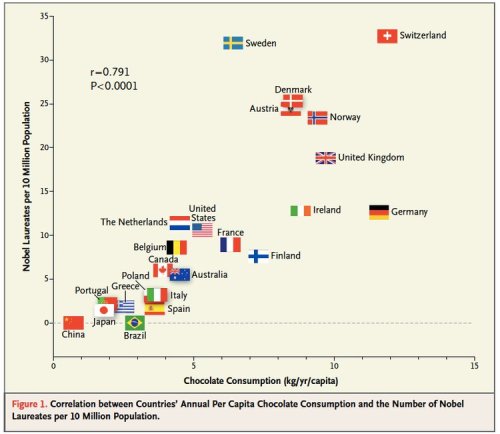



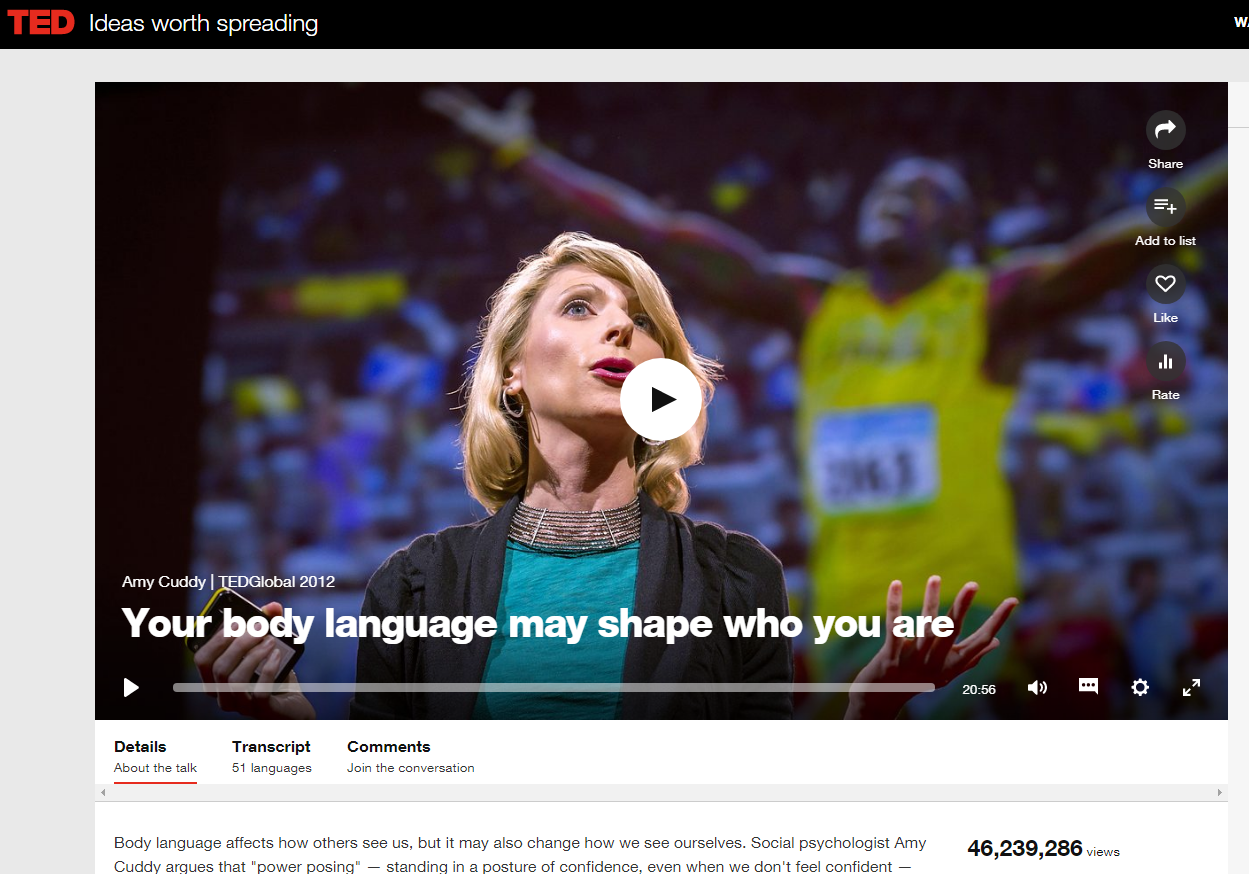

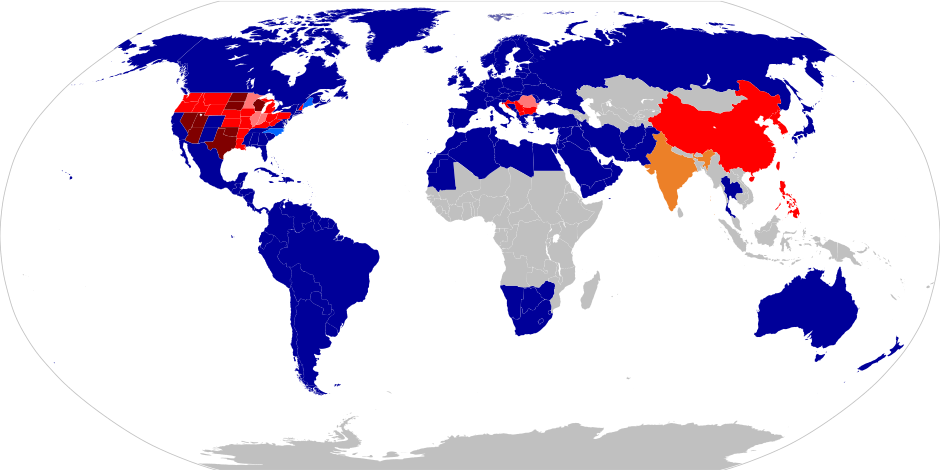


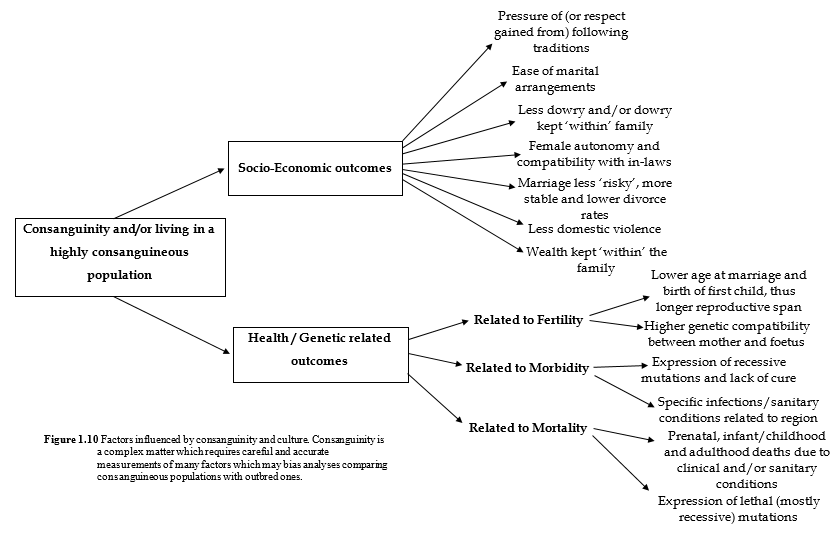

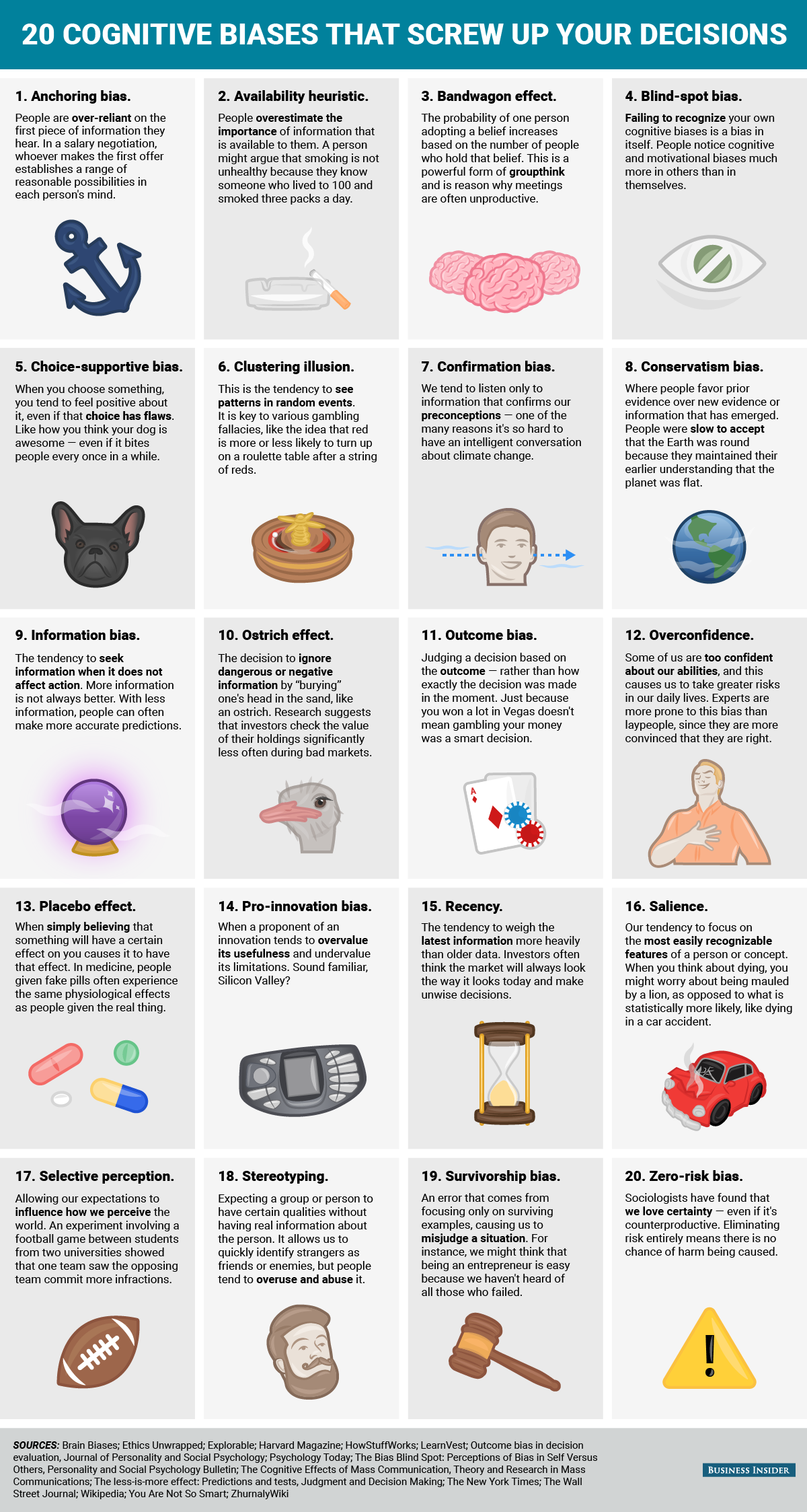





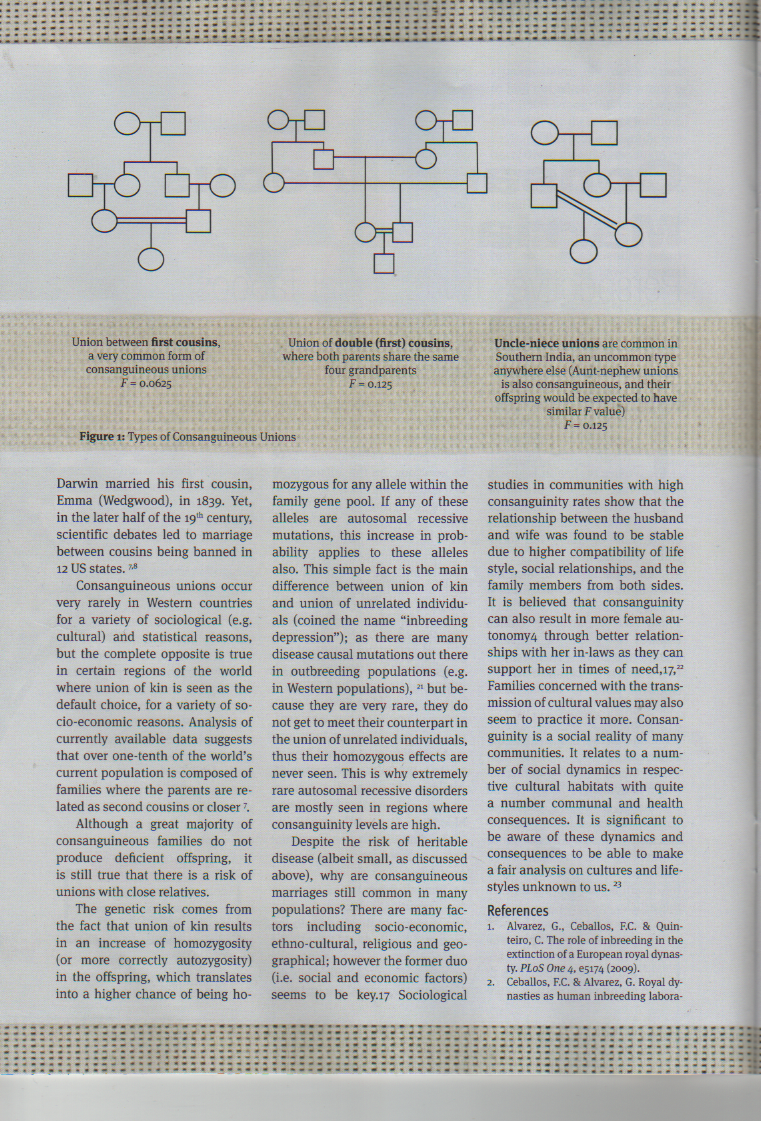


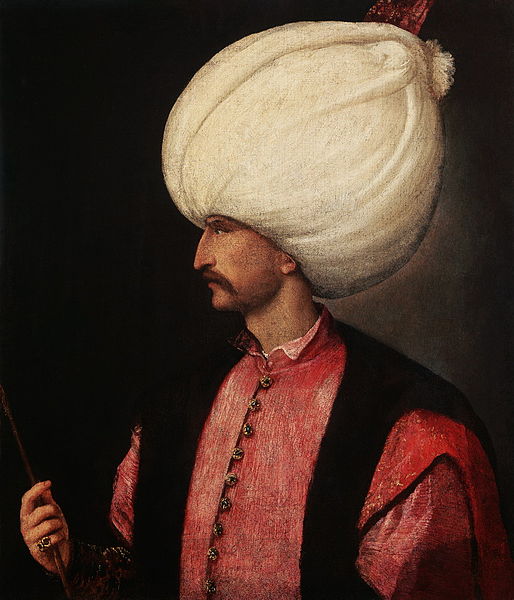

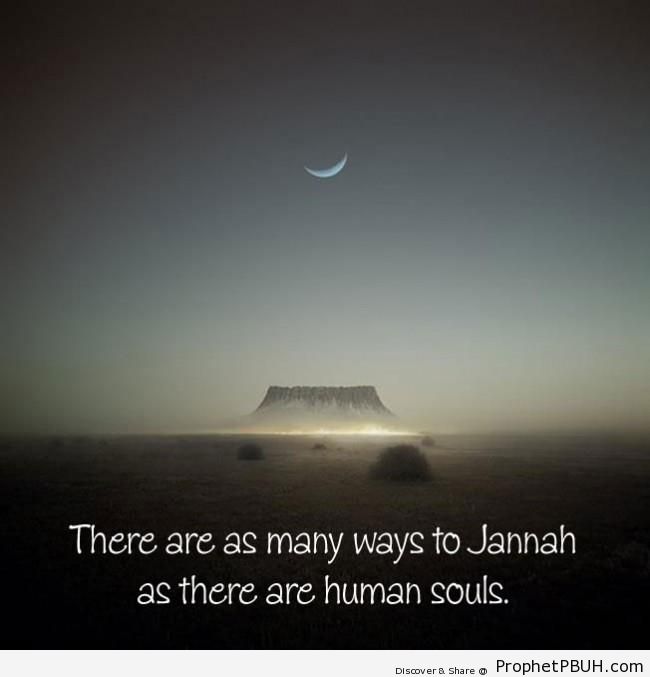


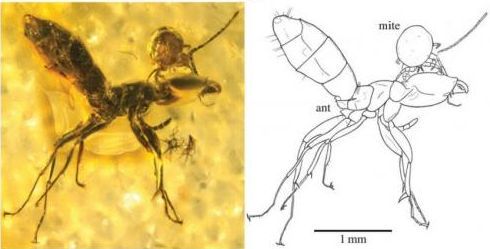
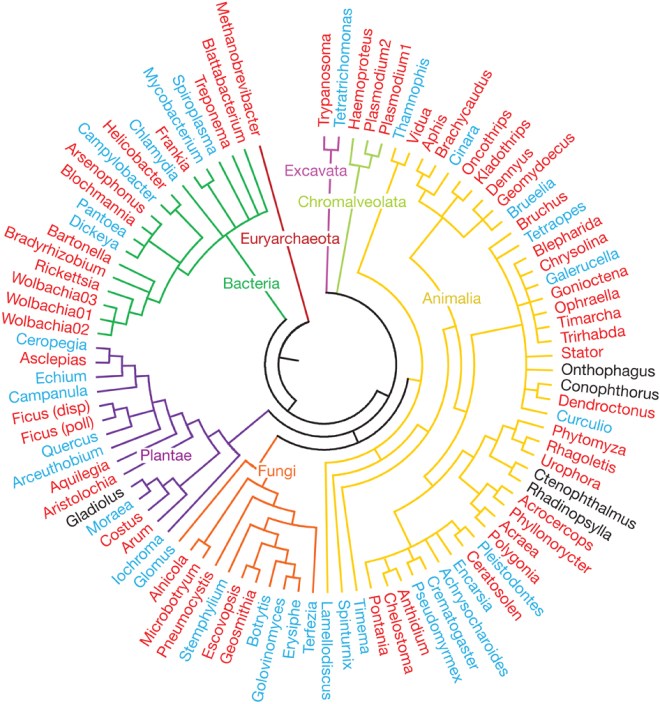


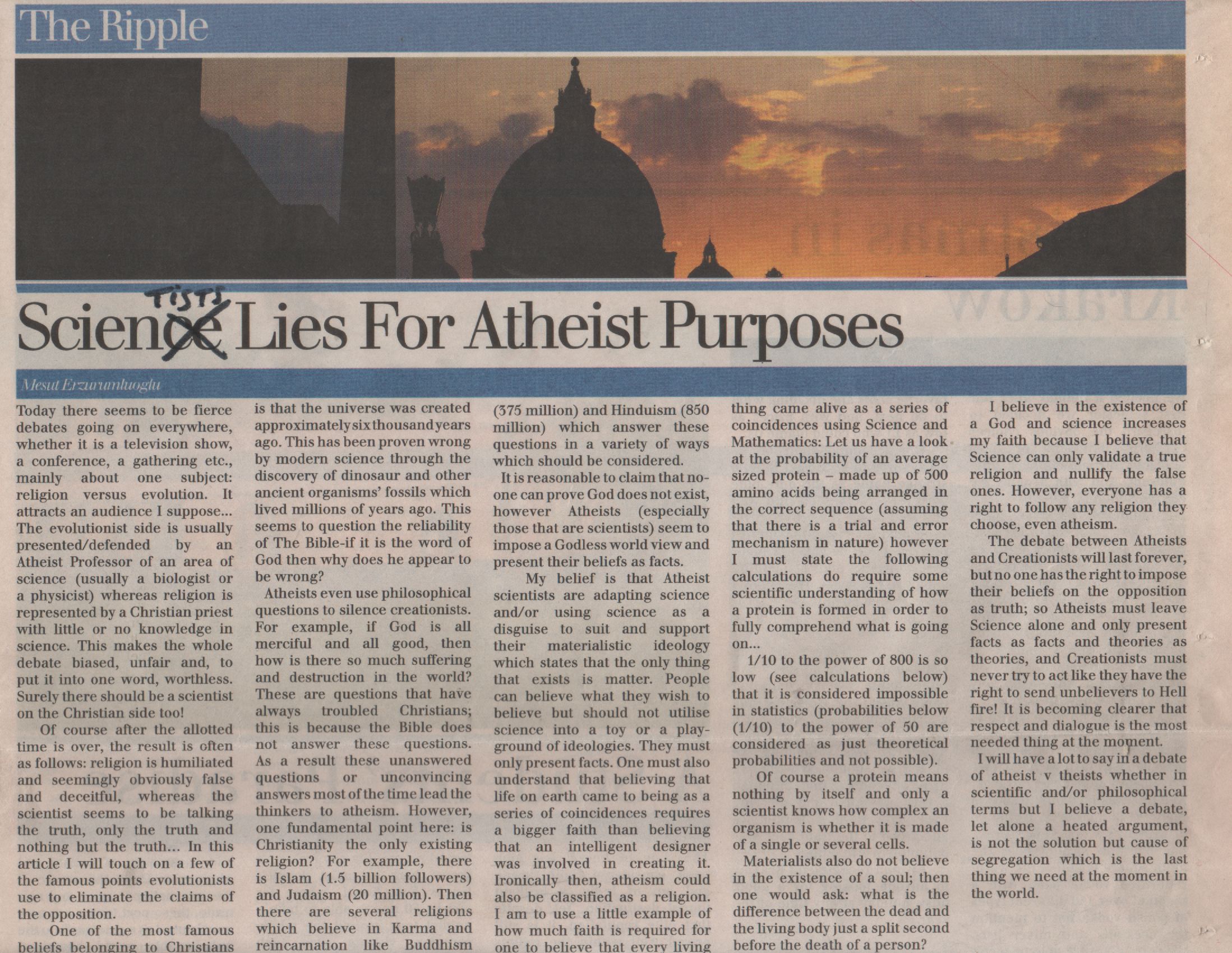
 An ordinary blog by an ordinary bloke