Feeds:
Posts
Comments

Posts Tagged ‘phd’

evolution_of_intellectual_freedom_cham_phdcomics

Source URL: PhD Comics

Figuratively speaking, what is the ‘worth’ of a certain academic? Between two academics, which one has had more positive academic impact than the other? How do you rank academics? And award grants, promotion, tenure etc. to the best* ones?

I’m not going to answer these questions but would like to chip in with some food for thought and suggestions.

Well; one may say: “It’s easy! Just compare their h-index and total no of citations!

This may be an effective way to go about answering the question. Surely someone with an h-index of 30 has had more positive academic impact than someone with let’s say an h-index of 15 – and is the better candidate?

Maybe – that is if all things are equal regarding the way citations and the h-index works i.e. if both academics:

  • are in similar fields – as papers in certain fields receive more citations overall than papers in other fields,
  • are in similar stages in their careers – as comparing an early-career postdoc with an established “Prof.” wouldn’t be fair,
  • have similar numbers of first/equal-first or last author papers – as an academic with many middle-authorships can have excessively inflated h-indexes,
  • have similar number of co-authors – as it may be easier to be listed as a co-author in some fields than others and/or mean that more people will be presenting and citing the paper as their own, and
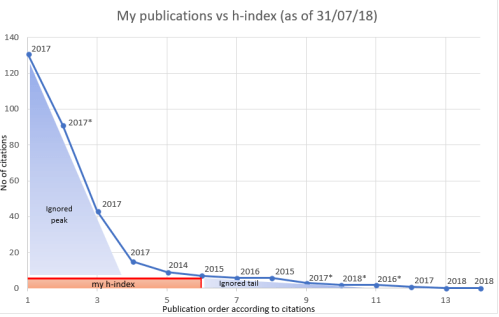
  • have a similar distribution of citations across the papers – as the h-index ignores highly influential papers and the total citations can be highly influenced by even just one of these (see figure below).

I may have missed other factors, but I think these are the main ones (please add a comment below).
mesut_erzurumluoglu_h-index_academic_2018

Calculating my h-index: Although problematic (discussed here), the h-index has become the standard metric when measuring the academic output of an academic. It is calculated by sorting the publications of an academic from most to least cited, then checking whether he/she has h papers with h citations e.g. if an academic has 10 papers with ≥10 citations but not 11 papers with ≥11 citations then their h-index will be 10. It was proposed as a way to summarise the number of publications that an academic has and their academic impact (via citations) with a single number. The above citation counts were obtained from my Google Scholar page

As of 31st July 2018, I have 14 published papers – including 5 as first/equal-first author – under my belt. I have a total citation count of 316 and an h-index of 6 (225 and 5 respectively, when excluding publications marked with an asterisk in the above figure). It is fair to say that these numbers are above average for a 29-year-old postdoc. But even I’m not content with my h-index – and many established academics are definitely right not to be. I’ll try and explain why: the figure above shows the citation distribution of my 14 publications sorted by the ‘number of times cited’ from the left (highest) to right (lowest). One can easily see that the h-index (red box) captures only a small portion of the general picture (effectively, 6 x 6 i.e. 36 citations) and ignores the peak (>6 on the y-axis) and tail (>6 on the x-axis) of the publication-citation distribution. I have also included the publication year of each paper and added an asterisk (*) against the publications where I haven’t provided much input e.g. I have done almost nothing for the Warren et al (2017) paper but it constitutes almost a third of my total citations (90/316)**. The ‘ignored peak’ contains three highly cited papers to which I have made significant contributions to and the ‘ignored tail’ contains research papers that (i) I am very proud of (e.g. Erzurumluoglu et al, 2015) or (ii) are just published – thus didn’t have the time to accumulate citations. What is entirely missing from this figure are my (i) non-peer-reviewed publications (e.g. reports, articles in general science magazines), (ii) correspondence/letters to editor (e.g. my reply to a Nature News article), (iii) blog posts where I review papers or explain concepts (e.g. journal clubs), (iv) shared code/analysis pipelines, (v) my PhD thesis with potentially important unpublished results, (vi) other things in my CV (e.g. peer-review reports, some blog posts) – which are all academia-related things I am very proud of. I have seen other people’s contributions in relation to these (e.g. Prof. Graham Coop’s blog) and thought that they were more useful than even some published papers in my field. These contributions should be incorporated into ‘academic output’ measures somehow.

It is also clear that “just compare their h-index and total no of citations!” isn’t going to be fair on academics that (i) do a lot of high-quality supervision at different levels (PhD, postdoc, masters, undergrad project – which all require different skill sets and arrangements), (ii) spend extra time to make their lectures inspiring and as educative as possible to undergrad and Masters students, (iii) present at a lot of conferences, (iv) do ‘admin work’ which benefits early-career researchers (e.g. workshops, discussion sessions), (v) do a lot of blogging to explain concepts, review papers, and offer personal views on field generally, (vi) have a lot of social media presence (e.g. to give examples from my field i.e. Genetic Epidemiology, academics such as Eric Topol, Daniel MacArthur, Sek Kathiresan take time out from their busy schedules to discuss, present and debate latest papers in their fields – which I find intellectually stimulating), (vii) give a lot of interviews (TV, online media, print media) to correct misconceptions, (viii) take part in public engagement events (incl. public talks), (ix) organise (inter-disciplinary) workshops, (x) inspire youngsters to become academics working for the benefit of humankind, (xi) publish reliable reports for the public and/or corporations to use, (x) provide pro bono consultation, (xi) take part in expert panels and try very hard to make the right decisions, (xii) engage in pro bono work, (xiii) do their best to change bad habits in the academic circles (e.g. by sharing code, advocating open access publications, standing up to unfair/bad decisions whether it affects them or not), (xiv) extensively peer-review papers, (xv) help everyone who asks for help and/or reply to emails… The list could go on but I think I’ll stop there…

I acknowledge that some of the above may indirectly help increase the h-index and total citations of an individual but I don’t think any of the above are valued as much as they should be per se by universities – and something needs to change. Academics should not be treated like ‘paper machines’ until the REF*** submission period, and then ‘cash cows’ that continually bring grant money until the next REF submission cycle starts. As a result, many academics have made ‘getting their names into as many papers as possible’ their main aim – it is especially easier for senior academics, many with a tonne of middle-authorships for which they have done virtually nothing****. This is not how science and scientists should work and universities are ultimately disrespecting the tax payers’ and donors’ money. Some of the above-mentioned factors are easier to quantify than others but thought should go into acknowledging work other than (i) published papers, (ii) grant money brought in, and maybe (iii) appearing on national TV channels.

Unless an academic publishes a ‘hot paper’ as first or corresponding author – which very few have the chance and/or luck to do – and he/she becomes very famous in their field, their rank is usually dictated by the h-index and/or total citations. In fact, many scientists who have very high h-indexes (e.g. because of many middle-author papers) put this figure at the top of their publication list to prove that they’re top scientists – and unfortunately, they contribute to the problem.

People have proposed that contributions of each author are explicitly stated on each paper but this is going to present a lot of work when analysing the academic output of tens of applicants – especially when the number of publications an individual has increases. Additionally, in papers with tens or even hundreds of authors, general statements such as “this author contributed to data analysis” are going to be assigned to many authors without explicitly stating what they did to be included as a co-author – thus the utility of this proposition could also be less than expected in reality.

It’s not going to solve all the problems, but I humbly propose that a figure such as the one above be provided by Google Scholar and/or similar bibliometric databases (e.g. SCOPUS, CrossRef, Microsoft Academic, Loop) for all academics, where the papers for which the respective academic is not the first author are marked with an asterisk. The asterisks could then be manually removed by the respective academic on publications where he/she has made significant contributions (i.e. equal-first, corresponding author, equal-last author or other prominent role) but wasn’t the first author. Metrics such as the h-index and total citations could then become better measures by giving funders/decision makers the chance to filter accordingly.

Thanks for reading. Please leave your comments below if you do not agree with anything or would like to make a suggestion.
academic_worth_researcher_university_mesut_erzurumluoglu

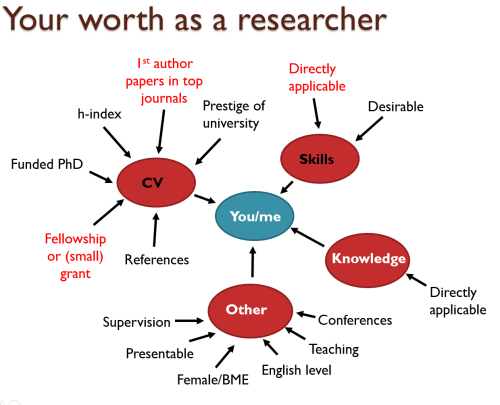
The heuristic that I think people use when calculating the worth of an early career researcher (but generally applies to all levels): ‘CV’ and ‘Skills’ are the two main contributors, with the factors highlighted in red carrying enormous weight in determining whether someone should get the job/fellowship or not. Virtually no one cares about anything that is outside what is written here – as mentioned in the post. Directly applicable: Some technical skill that the funder/Professor thinks is essential for the job; Prestige of university: where you did your PhD and/or undergrad; Funded PhD: whether your PhD was fully funded or not; Female/BME: being female and/or of BME background – this can be an advantage or a disadvantage depending on the regulations/characteristics of the university/panel, as underrepresented groups can be subjected to both positive and negative discrimination. NB: this is a simplified version and there are many factors that affect outcomes such as “who you know” and “being at the right place at the right time“.


Added on 30/10/18: I just came across ‘No, it’s not The Incentives—it’s you‘ by Tal Yarkoni about the common malpractices in academic circles, and I think it’s well worth a read.


*Making sure there’s a gender balance and that academics from BME backgrounds are not excluded from the process – as they’ve usually had to overcome more obstacles to reach the same heights.

**I have been honest about this in my applications and put this publication under “Other Publications” in my CV.

***REF stands for the ‘Research Excellence Framework’, and is the UK’s system for assessing the quality of research in higher education institutions. The last REF cycle finished in 2014 and the next one will finish in 2021 (every 7 years). Universities start planning for this 3-4 years before the submission dates and the ones ranked high in the list will receive tens of millions of pounds from the government. For example, University of Oxford (1st) received ~£150m and University of Bristol (8th) received ~£80m.

****Sometimes it’s not their fault; people add senior authors on their papers to increase their chances of getting them accepted. It’s then human nature that they’re not going to decline authorship. It sounds nice when one’s introduced in a conference etc. as having “published >100 papers with >10,000 citations” – when in reality they’ve not made significant (if any!) contributions to most of them.


PS: I also propose that acknowledgements at the bottom of papers and PhD theses be screened in some way. I’ve had colleagues who’ve helped me out a lot when learning some concepts who then moved on and did not have the chance to be a co-author on my papers. I have acknowledged them in my PhD thesis and would love to see my comments be helpful to these colleagues in some way when they apply for postdoc jobs or fellowships. Some of them did not publish many papers and acknowledgements like these could show that they not only have the ability to be of help (e.g. statistical, computational expertise), but are also easy to work with and want to help their peers.

Read Full Post »

UK-regional-map-562x790
Birleşik Krallık (United Kingdom, UK) Ingiltere (England), Galler (Wales), Iskoçya (Scotland) ve Kuzey Irlanda (Northern Ireland)’dan oluşur. Büyük Britanya (Great Britain) ise Ingiltere, Iskoçya ve Galler’den oluşur. (Not: Spesifik sorusu olanlar bana Twitter ya da emailden ulaşabilirler)

Britanya/Ingiltere’de uzun yıllar yaşamış, bu ülkenin sisteminde yetişmiş ve nispeten başarılı olmuş bir birey olarak bana bu ülkenin egitim sistemi ve yaşam koşullarıyla ilgili çok soru soruluyor. Buralara gelen birçok arkadaşımız da psikolojik ve maddi sorunlarla boguşabiliyor, ya da vize, ingilizce ogrenememe, ingiliz kültürüne alışamama (Ingiliz kültürüne dair gözlemlerim adlı yazıma bakabilirsiniz bu konuda), doktoraları ile ilgili sorunlar yaşayabiliyorlar.

İlginizi çekebilecek bir bilgisel – İngiltere’de “Home fee” okumak için verdiğim mücadeleyle ilgili…

Bir nebze yardımcı olur ümidiyle bana sıkça sorulan soruları burada (oldugu gibi, fazla düzenlemeden) paylaşacagım. Sorunuz burada cevaplanmamışsa, lütfen bana buradan (en altta ‘comment’ atma bolümü var) ya da m.erz@hotmail.com’dan ulaşın; yardımcı olmaya calışayım:

İngiltere’de Doktora/PhD öğrencisiyim. Yakında birinci yıl APG (Advanced Postgraduate Assessment*)’m var. Ne önerirsiniz?

Öncelikle bir Doktora/PhD öğrencisi olduğunuzu unutmayın. PhD, akademik olarak alabileceğiniz en yüksek ünvandır – yani çok önemli bir ünvan. Ingilizler doktorayı bitirdiğinizde, size çalıştığınız spesifik konu/alanda ‘bir uzman’ gözüyle bakacaklar – bu yüzden size şimdiden “uzman olacak potansiyel var mı?” gözüyle bakarlar. Bunun şuurunda olun ve kesinlikle pısırık davranmayın.

APG’ye hazırlanırken (bence) yapmanız gerekenleri kendi tecrübe ve gözlemlerime göre sıralarsam:

1- Herşeyden önce literatüre hakim olun. Spesifik konunuzla ilgili her makale ve kitaptan haberdar olun. “Çok fazla makale var” diyorsanız, spesifik konunuz nedir tam bilmiyorsunuz demektir. (Yıl boyu tembellik yaptıysanız, en son çıkan 1-2 review ya da önemli makaleyi okuyup, tamamen anlamaya çalışın.)

Buna rağmen yine de gözünüzden bir makale kaçmışsa, ve APG’nizde examineriniz “şu makaleden haberin var mı?” diye sorarsa, “yok görmedim” yerine “evet haberim var; print edip masamın üzerine koymuştum. Burdan çıkışta ilk okuyacağım makale olacak” gibi politik cevaplarla geçiştirmeye çalışın.

Bir de examinerlarınızın CV’lerine ya da Google Scholar sayfalarına bakın ki ne gibi makaleler çıkarmışlar haberdar olun.

2- Ingilizlerin çok sevdiğim ve gerçekten de birini ‘judge’ yaparken karakterlerini yansıtan bir deyimi var: “First impression is last impression”  (ilk izlenim, son izlenimdir). Ilk izlenim çok önemli; güler yüzlü olun ve rahat görünmeye çalışın. Heyecanlı olabilirsiniz fakat bunu azaltmanın yolları var. Sunuma başlamadan önce sesinizi odada tanıdık birisiyle konuşarak kalibre edin (hatta bir arkadaşınızdan rica edin, biraz erkenden gelsin sırf bu iş için). O kişiyle konuştukça sesiniz açılacaktır ve nefesinizi daha iyi ayarlamanıza yardımcı olacaktır.

Ayrıca sunumunuza slaytlara değil de, insanların gözünün içine bakarak başlayın. Bu süreci kolaylaştırmak için de aklınızda unutmayacağınız 3-5 basit cümle tutun. Örnek: “Hi everyone. I’m Mesut; and I’m a PhD student working under Prof. Brian studying whether dopamine overexpression causes schizophrenia-like behaviour in mice. In the next 15 minutes or so, I’ll try and present how I’m going to do this. I also have some preliminary results that I’d like to share with you and get your comments on. If at any point you have a question, please do ask“. Sizin rahat (confident) olduğunuzu görünce, examinerlarınız da rahatlayacaktır; ve sonradan ufak-tefek hatalar dahi yapsanız görmezlikten geleceklerdir.

3- Introduction’ı kısa tutun, çünkü examinerlar başkalarının ne yaptığını değil, sizin ne yaptığınızı dinlemek için orada. Fakat alanınıza hakim olduğunuzu göstermeniz önemli (çalıştığınız konu neden önemli? benzer çalışmalar oldu mu? Varsa, senin çalışmanı ayıran nedir?). Güzel bir review/makaleyi örnek alın ve onu 2-3 slaytta anlatın. Sonraki slayt da ise arkadaşlarımızın belki de en az yaptığı şeyi yapın: eski literatürü biraz eleştirin; eksikliklerini, hatalarını bulun ve “ben bu eksiklerden haberdarım” mesajı verin. Bir bilim insanı gibi davranın: eski araştırmalara/buluşlara saygılı ama aynı zamanda eleştirel (critical) yaklaşabilen bir insan gibi…

En başta kendinizi tanıtırken hocanızın da ismini zikrettiniz. Artık bir daha ismini dahi anmayın – ta ki en son slaytınız olan “Acknowledgements” slaytına kadar. Ikide bir hocanızın ismini anmanız ve/ya da teşekkür etmeniz sizi pısırık ve hocasının arkasına saklanan bir öğrenci olarak gösterebilir. Türk mentalitesiyle ikide bir hocanızı övmenizin (“onun sayesinde oldu bunlar“, “hocama çok teşekkür ediyorum“) size hiçbir faydası dokunmayacaktır.

4- Introduction, **Aims & Objectives, Methods, Results ve Discussion slaytlarından sonra birer slaytı da (i) “bu bir senede neler öğrendim?” ve (ii) “bu sene neler yaptım?”a ayırın. Birincisi için, öğrendiginiz “skill”er (programming, wet-lab skills, istatistik vs. gibi), ikincisi icin de (a) bitirdiğiniz kurslar/workshoplar, (b) katıldığınız konferanslar/sunduğunuz posterler, (c) hazırda olan makaleleriniz (submitted/published olmasına gerek yok), (d) katılmayı planladığınız workshop ve conferencelardan bahsedin. Kazandığınız ‘skill’erin doktoranızda size nasıl faydalı olacağından bahsedin.

5- Gelebilecek soruları düşünün. Spesifik soruların dışında çok sık gelen genel sorular: (i) “what do you hope to achieve at the end of your PhD?” – iki cevabınız olsun; biri idealist, diğeri realist; (ii) “how does this help the man on the street?”; (iii) “what are the implications of studying this question?” – mesela önemli bir proteini calışıyorsanız, bunun bir hastalık icin ilaç üretilmesine yol açabileceğini söyleyebilirsiniz.

Çok iyi olan öğrenciler ise gelmesini istedikleri soruları dahi kendileri ayarlayabiliyorlar. Sunumlarında mesela ilgi çekebilecek bir konudan bahsedin ve “isterseniz soru-cevap kısmında daha detaylı anlatabilirim” deyin. Emin olun soracaklardır. Bu sayede sorulacaklardan bir soru azaltmış olursunuz.

Soru-cevap kısmında gerçekten takıldıysanız, “I have no idea” vs. gibi cevaplar vermeyin ya da sessiz-sessiz (kızarıp) durmayın. Gerekirse soruyu onlara geri çevirin: “Of course as a PhD student, I’m still learning; and would value the thoughts of experts like you. You’ve published many papers on schizophrenia before. What do you think?” demeniz daha akıllıca bir opsiyon. Bu da examinerlarınızın CV’lerine önceden bakmış olmanın yararları…

Umarım işinize yarar. Kolaylıklar dilerim.

*First year review ve Probation review olarak da biliniyor.

**’Aim’ ve ‘Objective’ arasındaki farkı ögrenmek/bilmek önemli. Örnegin: Aim “Londra’dan Istanbul’a varmak”sa, “Objective”leriniz (i) Skyscanner.com websitesine girip uygun bir fiyata Londra-Istanbul uçak bileti satın almak, (ii) Evinden Londra’daki havaalanına uygun bir saate otobüs/taksi/tren ayarlamak, (iii) Yola cıkmadan Türk Pasaport’unu yanına almak, (iv) Havaalanına 2 saat erken gelmek ve varınca “check-in” yapmaktır. “Aims and Objectives” slaytı sunumuzun belki de en önemli kısmı.

Yazın İngiltere’de dil okuluna gitmeyi düşünüyorum. Hangi ili seçmemi önerirsiniz? Brighton maddi açıdan uygun gibi duruyor… Ayrıca önerebileceğiniz bir dil okulu var mı? Bir yakınınızın gittiği ve/ya iyi bildiğiniz… Aile yanında kalmak en uygun seçenek gibi duruyor fakat sizin çevrenizde sıkıntı yaşıyanlar oldu mu? Size göre bir insanın aylık yeme-içme masrafı ne kadar olur?

Ben şu anda Leicester’da yaşadıgım icin daha çok bu civardaki dil kurslarından haberdarım. Maddi durumunuzu bilmiyorum ama üniversitelerin ‘intensive’ dil kursları, biraz pahalı olsalar da, çok kaliteli oluyor. Bu intensive kurslar pahalı gelirse, üniversitelerin normal “summer class”ları dahi baska yerlere nazaran daha iyi olabiliyor. Leicester üniversitesinin (konaklama dahil) ‘International Summer School‘ kursuyla kıyaslayıp (fiyat, ders programı vs.), ona göre kararınızı verin bence.

Aile yanında kalacak olmanız ingilizcenizi daha iyi geliştireceksiniz anlamına gelmiyor. Yanında kalacagınız aile işten dolayı yogunsa ve/ya konuşkan olmazsa, yüzlerini dahi göremeyebilirsiniz.

Yemek vs. Orta ve Kuzey Ingiltere’de nispeten ucuz ve zorlarsanız aylık ortalama £150-200’la geçinebilirsiniz. Ama Londra vs. de bunun iki katı rahat gidebilir. Ayrıca belki her gün bir-iki saatiniz metroda/yollarda geçebilir.

Brighton’ı çok bilmiyorum ama turistik bir yer oldugu için yazın konaklama fiyatları tavan yapabilir. Ayrıca Brighton’ın kalitesiz dil kurslarıyla ilgili kötü bir ünü var.

Tabi yazdıklarım çok genel. Aynı şehir içinde dahi fiyatlar ve kalite çok degişebiliyor. Begendiginiz birkaç yere email atıp aklınızda kalan soruları sorabilir, ona göre son kararınızı verebilirsiniz. En geç Nisan/Mayıs’a kadar kursunuzu ayarlamanızda fayda var çünkü yaza dogru hemen hemen her kurs ve aile yanı doluyor. Son dakikaya kalırsa size maddi açıdan çok pahalıya mal olabilir.

Ben İngiltere’de Yüksek Lisans (Master) yapmak istiyorum ama herhangi bir ücret ödemem gerekiyor mu?

Ingiltere’de yüksek lisans/Master’lar ücretli; ve hangi ülkenin vatandaşı oldugunuzun fiyatın belirlenmesinde büyük etkisi var. Avrupa birligi ve Britanya vatandaşlarına daha düşük bir fiyat uygulaması var (yıllık ~£9000 gibi). Yabancılara ise ~£12000 civarında (yıllık). Bu fiyatlar bolümden bolüme ve üniversiteden üniversiteye degişiyor (tıp ve benzeri alanlar çok daha yuksek). Universitenin ‘postgraduate prospectus’larını isteyip bakmak ya da admissions office’e email atıp sormak lazım. QS Top Universities sitesinde bazı genel bilgiler mevcut.

Iyi olan Britanya/ingiltere’de cogu Master programı bir sene (ama iki sene olanlar da var). Findamasters.com ve jobs.ac.uk gibi sitelerde reklamlar oluyor; ama her açılan Master programı da bu sitelerde yayınlanmıyor – bu yuzden direk universitenin sitesine bakmak gerekebilir kendi alanınıza gore.

Ayrıca kira, yemek vs. giderleri yıllık £6-7 bini bulabilir. Londra gibi pahalı şehirleri duşunuyorsanız, bu rakamın üzerine en az bir £3-4 bin daha ekleyin.

Maddi durumunuz yeterliyse, geriye kalan tek sey IELTS skorunuz olacaktır. Cogu üniversite 6-6.5 istiyor.

İngiltere’de üniversite okumak için Türkiye’de uluslararası bakalorya (International Baccalaureate) kapsamında olan bir lisede eğitim görmem zorunlu mu? Yoksa IELTS ve GCE yeterli olacak mıdır? Su an lise öğrencisiyim, İngiltere’de İngiliz Dili ve Edebiyatı bölümünü okumayı planlıyorum. 

Universitelerin en çok ilgilenecekleri kualifikasyonunuz ingilizce yeterliliginiz olacaktır. Normalde IELTS’ten 6 ya da fazlasını alırsanız (ve maddi durumunuz yerindeyse), size çogu bolümün kapısı açılır. Fakat Ingiliz dili ve edebiyatı (ve hukuk) için büyük ihtimal daha yüksek skorlar gerekecektir. Eger IELTS dereceniz nispeten yüksekse (7 gibi), sizi büyük ihtimal direk (lisans) 1’nci sınıfa alırlar. Ama orta seviyeyse (ama yine de en az 6 gerekiyordur ingiliz dili ve edebiyatı icin), o zaman size (bir sene) ‘Foundation’ okumayı şart koşabilirler. Bence başvuruları yapın ve gelecek cevaplara gore pozisyonunuzu belirleyin. Kabul gelirse ne güzel; gelmezse hocalarla emailleşir derdinizi anlatırsınız. Belki bir-iki aylık ‘pre-sessional’ kurstan sonra kabul ederler.

Daha detaylı bilgi isterseniz, üniversitelerin çogunun sitesinde “Turkey” bölümü var (Turkiye’den gelen ögrenciler için). Ornek: Leicester Universitesi le.ac.uk/student-life/international-students/countries-list/europe/turkey ve le.ac.uk/courses/major-in-english-literature-ba

Britanya/Ingiltere’de üniversite okumak ucuz birşey degil. Yabancı ogrenciler (Avrupa birligi dısındakiler) icin fiyatlar senelik £10-15bin arası (tıp ve benzeri alanlar daha da pahalı). Üç yıllık bir kurs için (kira, yemek vs. ile) £60-70binlik masraf demek bu.

Yurtdışına ilk çıkış ve yerleşme bir problem. Biz yaklaşık 10 arkadaş İngiltere’ye gelecegiz. Öncelikli problemimiz ailece yaşayabilecegimiz bir ev bulabilme.

Hoşgeliyorsunuz. Maalesef bir çok arkadaşımız (makul fiyatlarda) kalacak yer bulma sorunu yaşıyor. Biz de bu konuda çok yardımcı olamıyoruz maalesef. Birçok ogrenci grubunun Facebook sayfası var (ornek: University of Leicester Turkish Society), orada duyuru yapabilirsiniz. Bazen buradaki arkadaşlar yazları (ya da kursları bitince) evlerini boşaltıyorlar ve yerlerine kalacak birilerini arıyorlar.

Gruplardan ses çıkmazsa, www.rightmove.co.uk/, www.zoopla.co.uk/ ve www.gumtree.com gibi sitelerden sizlere uygun ‘rent/kira’lık evler aramanız lazım. Bu sitelerdeki evler istediginiz gibi degilse, ajenta/estate agentları da aramanız gerekebilir. Onlara istediginiz tarzdaki evi anlatırsanız (ornek: üniversiteye yakın, 2 odalı, aylık £600), ellerine geçtikçe sizi ararlar (yabancılardan 6 aylık kirayı eve girer girmez isteyebiliyorlar). Acil çözümler için de otel odası tutulabilir, fakat oteller son saniye tutulursa çok pahalı oluyor. Universitelerin de geçici ‘accomodation’ları var fakat onlar da pahalı olabilir. Son çare geçici olarak Booking.com ve Airbnb.com gibi sitelerden ev/otel odası kiralamak.

Bu gibi ülkelerde işin püf noktası her işi çok önceden ayarlamaktır. Lütfen son ana bırakmayın, çünkü ev tutarken kagıt/kürek işleri dahi 1-2 hafta sürebiliyor (bir ay sürenler dahi var). Fazla yardımcı olamadıgım için özür diliyorum.

Anladığım kadarıyla İngiltere’de doktoraya burslu kabul almak biraz zor; eğer vaktiniz varsa, doktora (PhD) başvurum konusunda bana tavsiyede bulunabilir misiniz? Yani “burs alman için şunu yapsan işine yarar“, “dil skorun olmasa da olabiliyor” ya da “deadline’lar genelde şöyle“; “buraları takip etsen çok iyi olur” gibi

Dediğiniz gibi Britanya/İngiltere’de burslu doktora bulmak oldukça zor. Öncelikle ingilizceniniz oldukça iyi bir düzeyde olması lazım (sadece yazım değil, konuşmada da). Bir de açılan pozisyonda/projede ‘background’ınızın iyi olması gerek; sizi rakiplerinizden ayıran özellikleriniz ve somut başarılarınız olmalı.Örneğin kıytırıktan bir makale dahi yazmış olsanız, sizin için büyük avantaj çünkü çogu doktora-öncesi öğrencinin makalesi olmaz.

Şansınızı arttırmak için güzel bir CV ve bir sayfalık ‘Supporting statement’ yazıp, uygun gördügünüz her hocayı ‘spam’leyin (ve kendinizi ‘reject’lere alıştırın) derim. Kısmetin nereden çıkacağı belli olmaz; her yolu denemek lazım. Supporting statement’ta “ben şöyle uçarım; böyle kaçarım“ı yemiyor İngilizler. Bu yüzden somut şeylerle desteklemeniz lazım söylediklerinizi: örnegin “writing skillerim çok iyi” yerine, “şu sayıda makale yazdım” gibi; “şu ‘analysis skilleri’ ögrendim” yerine “şu isimde bir workshop’a katıldım” gibi; “presentation skill’lerim çok iyi” yerine; “şu-şu konferanslarda sunum yaptım” gibi. İngiliz kültürüne dair gözlemlerim adlı yazımın ilgili kısmına bakabilirsiniz bu konuda.

Son olarak, eğer Avrupa Birliği ya da Britanya vatandaşı değilseniz, size verecekleri bursun büyük bir kısmı ‘tuition fee’inize gidecektir (PhD’de ‘Home’ fee: ~£4000; ‘Overseas’ fee: ~£12000). Bunu da düşünmelisiniz.

Doktora burslarını findaphd.com ve jobs.ac.uk gibi sitelerden takip edebilirsiniz. Ben de buralardan bulmuştum doktora bursumu. Ayrıca şu an İngiltere’de bir üniversitede öğrenciyseniz, ‘departmental email’lere de bakmayı ihmal etmeyin. Ben (Leicester Üniversitesi’ndeki) ilk Post-doktoramı, Bristol Üniversitesi’nde doktora yaparken departman-arası gönderilmiş bir emailde gördüm.

Benim (yazıyı yazdığım tarihteki) CV ve Supporting statement örneklerim aşağıda – size uyan kısımlarını uyarlarsınız; benimki bayağı akademik bir versiyon:

mesut_erzurumluoglu_cv_mar_2017

mesut_erzurumluoglu_supporting_statement_postdoc

İngiliz eğitim sisteminden biraz bahsedebilir misiniz?

Ingiliz_egitim_sistemi
En basit şekilde Ingiliz egitim sistemi

Ingiltere’de zorunlu eğitim süresi 11 yıldır (‘Year 11’a kadardır; 15 yaşında mezun olunur). Yukarıdaki tabloyu kısaca özetlersek, ogrenciler 5 yaşındayken okula (1’nci sınıf), 15 yaşında iken GCSE sınavlarına (buna Ingiltere’nin LGS/LYS’si denebilir) başlarlar. GCSE’de aldıkları dersler ve notlara göre ise ‘Sixth form’ college’e girerler (Ingiltere’nin sistemi Türkiye’yle aynı olmasa da, bunlara kabaca ‘lise’ denebilir). GCSE Maths (Matematik), English (Ingilizce) ve Science (Fen) college’lerin en çok önemsedikleri derslerdir. Bu derslerde ‘B’ ve üzeri (en yüksek not ‘A*’, en düşük not ‘G’dir. ‘U’ ise ‘dersten kaldı’ anlamına gelir) alan ögrencilere her bölümün ve kolejin kapısı açılır. College’de ögrenciler çogunlukla 4 ‘A-level’ seçerler; ve yine seçtikleri dersler ve (2 yıl sonunda) bu derslerde aldıkları notlar onlara belli universite ve bölümlerin kapısını açar (örnegin, Cambridge/Oxford’a girmek için başvurdugunuz alanla ilgili olan en az 4 tane A* almak, sonra da bir mülakatdan geçmek gerekiyor. Diger üniversitelerde mülakat yok; sadece notlarına bakıyorlar). Her şey yolunda giderse, bir ögrenci 18 yaşında üniversiteye başlar. Sonrasında yüksek lisans (Master) yapmak isteyenler üniversitede (3 yılın sonunda) en az ‘2.2’, doktora (PhD) yapmak isteyenlerin ise en az ‘2.1’ alması gerekiyor.

Tavsiye edeceğim siteler:

Ucretsiz Ingilizcenizi geliştirmek için: learnenglish.britishcouncil.org

Reel TL/Sterlin kur hesabı için: XE

Burslu ya da ‘self-funded’ PhD/doktora bulmak için: findaphd.com ve jobs.ac.uk/phd

Yüksek lisans/Master kursu bulmak için: findamasters.com ve *jobs.ac.uk

Part-time ya da Full-time iş bulmak için: *jobs.ac.uk, *reed.co.uk, *monster.co.uk ve *indeed.co.uk

Kiralık ev bulmak için: *rightmove.co.uk, *zoopla.co.uk ve *gumtree.com

Kiralık oda/ev bulmak için: *airbnb.com

Otel odası kiralamak için: *booking.com ve *trivago.co.uk

Ucuz uçak biletleri için: *skyscanner.net ve *easyjet.com

Park yeri bulmak için: *justpark.com

Ucuz araba sigortası için: *gocompare.com, *moneysupermarket.com, *comparethemarket.com, *confused.com ve *directline.com

Provisional UK sürücü belgesine başvurmak için: gov.uk/apply-first-provisional-driving-licence

Banka hesabı açmak için gereken belgeler: barclays.co.uk/validid

Ingiltere’de oturum almanın yolları: visabureau.com/uk/indefinite-leave-to-remain.aspx

Ucuz telefon hatları: Lycamobile, Vectone, Lebara ve giffgaff (bir de bu siteye bakın derim: moneysavingexpert.com/phones/cheap-sim-only-contracts)

Dünya üniversite sıralamaları: QS World University Rankings

Okul/kolejlerin performanslarını karşılaştırmak için: Compare School/College Performance

Ingiltere’de gezilecek tarihi yerler için: english-heritage.org.uk

Ucuz otobüs ve tren biletleri için: *uk.megabus.com (otobüs), *crosscountrytrains.co.uk (tren) ve *virgintrains.co.uk (tren) – Eger ögrenci iseniz ve sürekli tren kullanacaksanız, mutlaka 16-25 Railcard‘da da başvurun

Ucuza araba kiralamak için: *Enterprise

Bedava üniversite seviyesinde dersler için: *coursera.org

Etrafınızdaki kazalardan haberdar olmak için: crashmap.co.uk/Search ya da Waze*

*app’ı da var

Ekleme (07/09/2019):

Read Full Post »

The University of Bristol News webpage on the 16th of August 2016. I feel privileged to have had the chance to be the face of the university in an important announcement such as this.

The University of Bristol News webpage on the 16th of August 2016. I feel privileged to have had the chance to be the face of the university in an important announcement such as this.

The University of Bristol has been ranked as 8th in the UK and has risen nine places to 57th in the world in the Academic Ranking of World Universities (ARWU) – its highest ranking in 13 years. ARWU, considered as one of the leading international league tables, assesses more than 1,200 universities every year using six measures and publishes data on the best 500.

For details, go to the University of Bristol News page (link).

The photo used in the news article was shot last year (i.e. 2015) when I was a PhD student at the University of Bristol – as part of a series of ‘photo shoot’s for the postgraduate prospectus.

mesut_erzurumluoglu_bristol_social_community_medicine

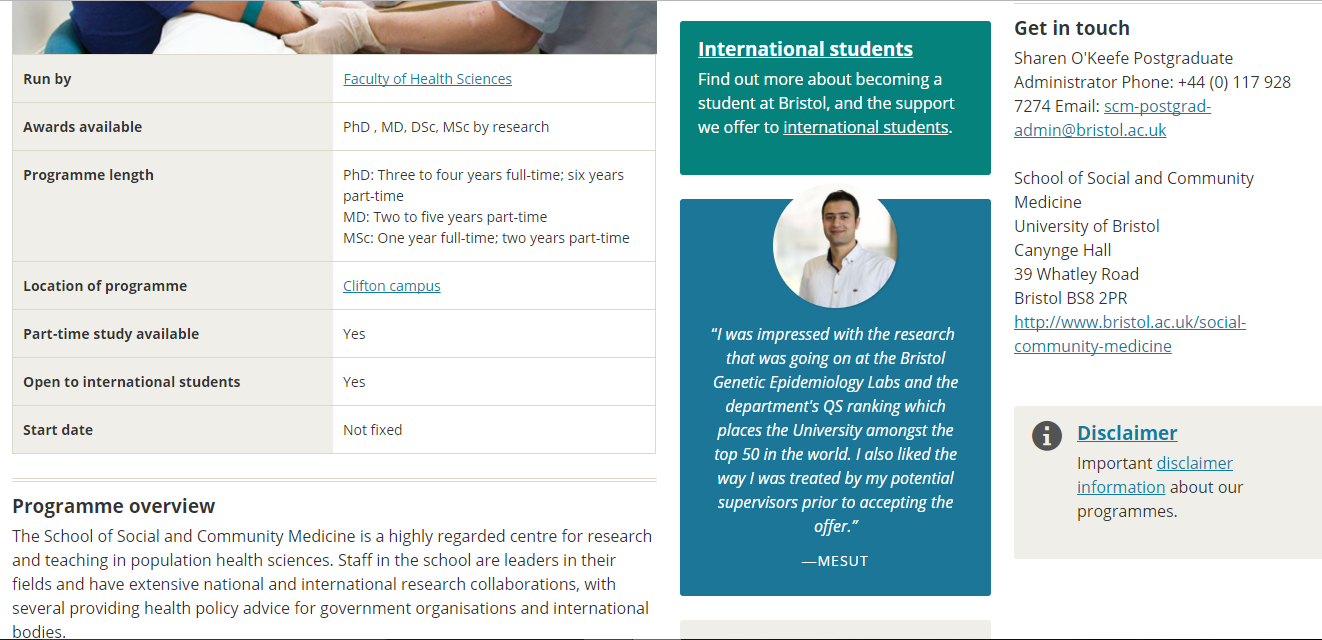
My photo also appeared on the University of Bristol Social and Community Medicine website (2017) with the caption: “I was impressed with the research that was going on at the Bristol Genetic Epidemiology Labs (aka BGEL) and the department’s QS ranking places the University amongst the top 50 in the world. I also liked the way I was treated by my potential supervisors (Dr. Santi Rodriguez, Dr. Tom Gaunt and Prof. Ian Day) prior to accepting the offer”.

PS: I previously interviewed the former Vice-Chancellor of the University of Bristol, Prof. Eric Thomas – for NoS Magazine. The PDF version can be found here

PPS: I’ve also modelled for the University of Leicester undergraduate prospectus (details can be found here) 🙂

Read Full Post »

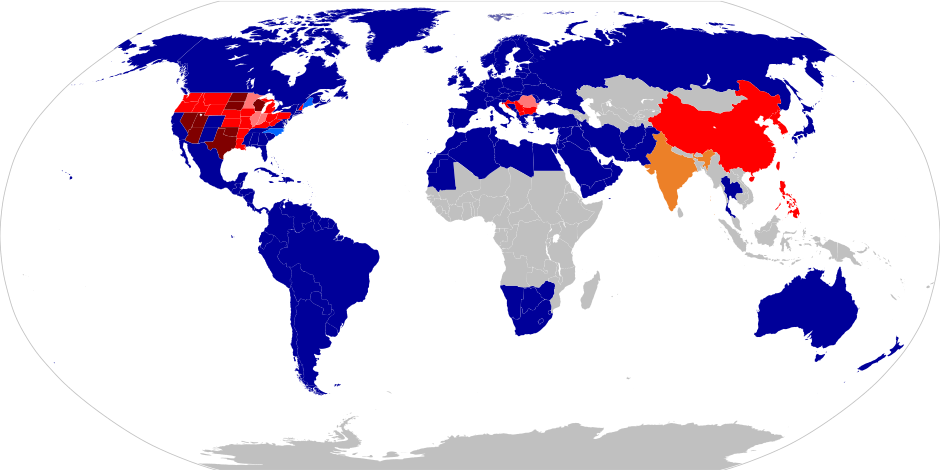
Laws regarding first-cousin marriage around the world. Navy blue: First-cousin marriage legal. Light Blue: Allowed with restrictions or exceptions. Yellow: Legality dependent on religion or culture. Red: Statute bans first-cousin marriage. Pink: Banned with exceptions. Dark Red: Criminal offense. Grey: No available data. The image has been released into the public domain by the author (URL: http://en.wikipedia.org/wiki/Cousin_marriage).

Laws regarding first-cousin marriage around the world. Navy blue: First-cousin marriage legal. Light Blue: Allowed with restrictions or exceptions. Yellow: Legality dependent on religion or culture. Red: Statute bans first-cousin marriage. Pink: Banned with exceptions. Dark Red: Criminal offense. Grey: No available data. The image has been released into the public domain by the author (URL: http://en.wikipedia.org/wiki/Cousin_marriage).

The answer is (studying) consanguinity (i.e. unions between relatives such as first-cousin marriages); and one cannot understand the complexity of the issue (and make ‘informed’ decisions) without reading the literature of these five apparently unconnected fields. It is fair to say that there is a degree of hostility towards consanguineous marriages in Western societies. However this perception is usually attained without in-depth knowledge on the genetic effects of consanguinity. In short, consanguinity per se (i.e. on its own) does not cause a disorder, but rather it increases the probability of an autosomal recessive disorder (which require two copies of the same) causal mutation to be in a homozygous state (i.e. possess two copies of the same mutation). When this happens both copies of the genes we inherited from our parents do not function properly.

Unions between individuals who are second-cousins or closer are considered ‘consanguineous’ in clinical genetics. Consanguineous families with diseases have been studied thoroughly by clinical geneticists for the last two-three decades – and this has allowed for identification of many disease causal genes. However, studying consanguineous populations as a whole rather than ‘cherry picking’ families with disease can offer much more for better understanding our genome and therefore finding new targets for preventive and curative medicine. Many genes in our genome still have unknown functions and we have merely scratched the surface in terms of their interactions. I hypothesise that assigning a function to the thousands of remaining genes will only be feasible if consanguineous populations are studied as a whole (i.e. also including families without disease to the studies) and I therefore carry out theoretical studies to estimate the sample size needed and how many genes will be completely ‘knocked-out’ if these studies were to be carried out. This approach proposes a ‘paradigm shift’ in clinical genetics.

Global prevalence of consanguineous unions. Consanguinity has deep roots in many cultures and it is impossible to interfere/intervene from the outside without first understanding why people engage in cousin marriages. Image source URL: www.consang.net/

Global prevalence of consanguineous unions. Consanguinity has deep roots in many cultures and it is impossible to interfere/intervene from the outside without first understanding why people engage in cousin marriages. Image source URL: http://www.consang.net/

Consanguineous unions occur very rarely in Western countries for a variety of sociological (e.g. cultural, negative media coverage) and statistical reasons (e.g. smaller families means fewer cousins at similar age), but the complete opposite is true in certain regions of the world where union of kin is seen as the default choice. Conservative estimates predict that approximately one-sixth of the world’s population (a figure of 1.1 billion is proposed by the Geneva International Consanguinity Workshop Report) live in highly consanguineous regions; and also another one-sixth falls into the ‘unknown’ category – reflecting the need for further research. Historically, consanguineous unions were also common amongst the elite in the UK (up to mid-19th century, including Charles Darwin), the Pharaohs and the Royal families of Europe (e.g. Habsburgs).

Views of main religions towards consanguineous marriages. NB: Where first-cousin marriages are allowed, lower levels of consanguinity are also allowed. Image Source: Copy-pasted from my own PhD thesis

The increase in the probability of a mutation being homozygous will depend on the level of relatedness between the parents. For example, approximately 6.25% of mutations are expected to be homozygous in the offspring of first cousins. This figure would be (near) 0% in the offspring of outbred individuals. Genetically, this is the main difference between union of kin and union of unrelated individuals. We all have many disease-causal mutations in our genomes (but in heterozygous state, i.e. one normal copy and one mutated copy) and different kinds of mutations are out there in all populations. However because these mutations will be very rare or are unique to you or your family, they do not get to meet their counterpart when you have offspring with an unrelated individual. Therefore the mutation’s homozygous effects are never observed. This is why rare autosomal recessive disorders are almost always seen in consanguineous offspring.

This difference in homozygosity levels is also one of the main reasons behind the necessity of studying consanguineous individuals and populations. These studies can turn unfortunate events (e.g. disorder in families) to a great use for medical sciences. Not only will identifying a disease-causal mutation help with diagnostics, they can enable scientists to understand what certain genes do and help us understand why the gene causes that disease. Rare instances can be highly informative about preventable outcomes relevant to the whole population. For example, had more notice been taken in the 1980s of the proof which familial hypercholesterolemia provided for the causal role of cholesterol in coronary heart disease (CHD), high cholesterol intake would have been better addressed for the nation a decade sooner. To provide numbers, CHD is still the UK’s biggest killer causing over 80 thousand deaths a year, thus paying more attention to information that was coming from studies of consanguineous unions could have saved thousands of lives just in this single case.

Given the advancements in genetic diagnostics (e.g. huge decreases in costs of DNA sequencing), screening for all known mutations will become feasible in the near future for everybody – and identifying disease-causal mutations will become even more useful for all of us. Our genomes are constantly being mutated and my approach will enable a much broader understanding of our genome by observing these mutations’ homozygous effects. Finally, rather than discourage (See link for an example) consanguineous marriages totally (not feasible in the foreseeable future due to many socio-economic and cultural reasons), for those willing to marry a cousin, screening for previously identified mutations will help these couples take more informed decisions.

consanguinity factors culture socio-economic

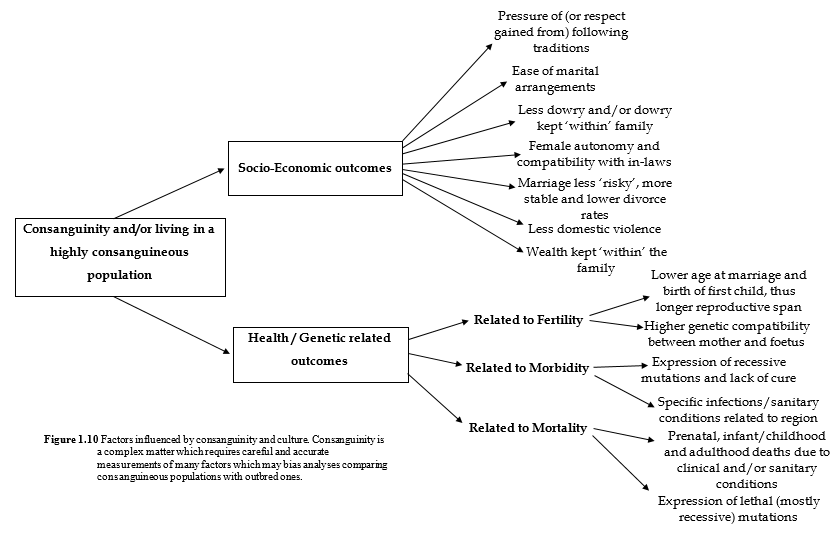
Factors influenced by consanguinity and culture. Image Source: Copy-pasted from my own PhD thesis (hence the Figure 1.10)

Key reference:

A. Mesut Erzurumluoglu, 2016. Population and family based studies of consanguinity: Genetic and Computational approaches. PhD thesis. University of Bristol.

Erzurumluoglu AM et al, 2016. Importance of Genetic Studies in Consanguineous Populations for the Characterization of Novel Human Gene Functions. Annals of Human Genetics, 80: 187–196.


PS: Whilst the media is mostly responsible for portraying consanguinity the way they understand (and with more contrast added on of course), they could be forgiven as the genetic effects of consanguinity is not fully understood amongst geneticists either, especially in the field of complex trait genetics – thus the extra incentive for studying them.

Read Full Post »

“Dün akıllıydım, dünyayı değiştirmek istedim. Bugün bilgeyim, kendimi değiştiriyorum.” Mevlâna Celâleddin-i Rûmî (k.s.)

Bana karşı hüsnü-zan besleyip, kendisini geliştirmek isteyen genç arkadaşlarım arasında bana “gurbette ve bu genç yaşında nasıl böyle başarılı oldun?” diye soranlar oluyor. Kendi fikirleridir; ben de çapım yettigince verdigim cevapları burada paylaşmak istiyorum:

Onlara, başarı konusunda benim direk gayretlerimin dışında – örnegin konu hakkında gerekli kitap/makaleleri okumak, kendine güvenerek, (zor görünse de) işten kaçmamak, işleri aceleye getirmemek, dogru insanlarla çalışmak, senden daha bilgililere saygılı olmak, gece-gündüz çalışmak, organize olmak – elimden birşey gelmedigini, fakat kanaatimce bunların dahi (sürekli) başarı için yeterli olmadıgını söylüyorum.

Bizler, Allah’a inanan insanlar olarak hiçbir zaman (haşa!) Allah’ı ‘denklem dışı’ (ingilizcesi “out of the equation”) bırakamayacagımızı, gayret bizden olsa da başarıyı nasip edenin O olacagını unutmamamız gerektigini söylüyorum… Bunun içinde O’nu hoşnut etmenin, en az yapacagımız *fiili dualar (üstte saydıklarım gibi) kadar önemli oldugunu söylüyorum…

Bu konuda çok ilmi olan (ya da ‘rol model’ olabilecek) bir insan degilim fakat O’nu hoşnut etmenin formülü belli (hepsini çapımız yettigince ihlaslı ve sürekli olacak şekilde): Farz ibadetler; (özellikle büyük) haramlardan kaçınma; kişisel dualarımız; anne-baba-sevenlerimizin duası; etrafımızda Allah rızası için yapılacak işler varsa elimizi taşın altına sokmamız; O’ndan başkasının önünde egilmeme; ‘büyük’ konuşmama/haddini bilme; kanaatkar olmak ve diger insanların hakkına (bilerek) girmemek; maddi/manevi fedakarlıklar yapmamız; her işimizi istişareyle yapmamız; sadece paramızın degil, ilmimizin de zekatını vermemiz; içimizde **kibir-haset-kin duygusu beslemememiz; (mümkün oldugunca) abdestsiz dolaşmama; hem fiziken, hem manen temiz yaşama(ya calışma); işine her zaman Besmele ile başlama (liste daha da uzatılabilir!)… Zor gibi görünüyor; fakat başarıya giden hiç bir yol kolay olmadı, hiç bir zaman olmayacak da!

Cünkü benden daha akıllı, maddi imkanları daha fazla olan veya tanıdıgı daha çok olan nice insanın, ***nasipsiz olmasından dolayı başarısız oldugunu (ya da işlerinin planladıkları gibi gitmedigini) gözlemledim. Anladım (ve gözlemledim) ki bir çogunun ya manevi duasında, ya da fiili duasında sorun var. Aynı hataya bende düşmek istemedim. Cok şükür Allah beni – gerek dogru insanlarla tanıştırarak, gerek hayırlı kapılar açarak tabir-i caizse hep dört ayak üzerine düşürdü; ve hiç utandırmadı! Eminim ki kendi çapım yettigince dogruları yapmayı sürdürdükçe de utandırmayacak!

Evet şu ana kadar hayatımda hangi işe giriştiysem (e.g. akademik, maddi, manevi, sosyal), çok şükür hep başarılı oldum, kimseye muhtaç kalmadım. Bu konuda Allah’a ne kadar şükretsem azdır. Ben kendimin şahsen bu başarıları hakedecek bir insan olmadıgımı çok iyi biliyorum; fakat Allah şahit, gayretliydim. Her işimi dürüst yapmaya ve kendimi hep geliştirmeye çalıştım. Kendime göre ortada yapılması gereken bir iş gördümse, elimi taşın altına soktum. Bedavaya calıştıgım bu işlerde dahi kıskananlar oldu! Ben yinede kalbimde kimseye karşı kötü birşey beslemedim. Bana karşı haset/saygısızlık edenlerle dahi, tartışmaya girmemek için dilimi tuttum. Işime-gücüme baktım. Insanlar (özellikle ögrenci kardeşlerim) kendilerini geliştirsinler diye kendi zamanımdan feragat edip, onlara ders verdim; tezlerini düzelttim; dua ettim; çapım yettigince nasihat ettim. Başkalarının başarılı olmasını istedim; olunca gururlandım, fakat ne yazık ki (ailemi saymazsam, sayısı az birkaç babayigidin dışında) benim başarılarıma sevinen az insan tanıdım. Haset ve kin insanın kendisini yakar-bitirir, o yüzden bu tiplere nefret etmek yerine hep acıdım ve “Allah ıslah etsin” diye dua ettim…

Başarı(lar)dan sonra, bu başarıların daim olması içinde başarıyı nasip edeni hiç bir zaman unutmamamız lazım! “Ne oldum degil, ne olacagım demeli” sözünü aklımızdan çıkarmadan… Ayrıca bizim başarılarımızda agzı dualı anne-baba-sevenlerimizin hiç mi payı yok? Ogretmenlerimizin hiç mi payı yok? Arkadaşlarımızın hiç mi payı yok? Bizim bugünlere gelmemize vesile olan ata-şehit-gazilerimizin hiç mi payı yok? Allah hepsinden ebeden razı olsun! Başarımızı paylaşmak bir erdem degil, onların hakkıdır!

Dua ile…

Hz. Ebubekir (r.a.) efendimiz bu sözü demiş midir bilemiyorum. Saglam bir kaynak bulamadım. Fakat ona yakışır bir sözdür! Ilim peşinde koştugunu iddia eden bizlerde, cahillerin pervasız laflarına, dik duruş sergiledigimiz için
Hz. Ebubekir (r.a.) efendimiz bu sözü demiş midir bilemiyorum. Saglam bir kaynak bulamadım. Fakat ona yakışır bir sözdür! Ilim peşinde koştugunu iddia eden bizlerde, cahillerin pervasız laflarına, dik duruş sergiledigimiz için “dostlar” kaybetmemize, birilerinin el-etek-ayagını öpmedigimiz icin kaçırdıgımız maddi kazançlara aldırış etmeyip, yolumuza hiç momentum kaybetmeden (ömur boyu fedakarca) devam etmemiz gerekiyor! Süphesiz Allah bizleri ihlaslı oldugumuz sürece, utandırmayacaktır!

*Aslında çogumuzun sorunu tembellik. Fakat bu paylaşımda sözlerim (umutsuz vaka olan!) tembellere degil, gayretli oldugu halde başarı nasip olmayanlaraydı… Ayrıca gözlemledigim kadarıyla, burada söylediklerim büyük çogunlukla sadece müslümanlara uygulanabilir. Gayri-müslimlere Allah gayretleri ölçüsünde (dünya namına) başarı vermektedir, fakat (gözlemledigim kadarıyla) aynı denklem müslümanlar için geçerli degildir… Yanlışsam, Allah affetsin! Dogruyu göstersin! Amin!

**Kibir (ve haset) insanı yakar bitirir. Ben insanlara karşı mümkün oldugunca (çapım yettigince) kibirlenmemeye calışıyorum, fakat bir istisnai durum var. Kibirli insanlara karşı kibrin ‘sadaka’ oldugunu Efendimiz (S.a.v) söylüyor. Kalbinde kibir olmadan, zahirde kibirli gözükme… Cünkü kibirli bundan anlar! Sen nezaket gösterdikçe daha da tepene biner; daha da azar!

Hasedin oldugu yerde ise uhuvvet olmaz; uhuvvetin olmadıgı yerde ise (sürekli) başarı olmaz!

***Burada kastettiklerim sadece dünyevi manada her gayreti gösteripte başarılı olamayan müslümanlardır. Hem dünyevi, hem uhrevi manada (çapı yettigince) gayret edipte başarılı olamayanlara ise Allah bu işinde/alanda başarısızlık verse dahi, baska bir işte/alanda daha çok başarı vermek istemektedir. Halk arasında “hayırlısı neyse o olsun!” duası/temennisi bu manada çok anlamlıdır. Evet, insanın bazen gönlünden (hayatının o zaman biriminde) birşey geçer, fakat Allah bizler için daha iyisini hazırlamıştır da haberimiz yoktur! O yüzden bazen başarısızlık, bir mesajdır; ve insan bu mesajı (özellikle istişare yaparak!) dogru okumalıdır!

Hangisiyiz?
Hangisiyiz? Iş ahlakı başka birşey…

Ek: Allah, bizleri gayretli oldugumuz ve birbirimize maddi/manevi sahip çıktıgımız sürece (en büyük sorunumuz!), imtihan icabı biraz sıkıntı çektirse de eninde sonunda hem dünya, hem ahiret’de memnun edecektir! Bundan hiç şüphem yok!

Olaylara uhrevi açıdan bakacak olursak, çogumuz Allah’ın yaptıgımız sevapları ödüllendirip, işledigimiz günahlardan bizi sorguya çekecegini idrak ediyoruz; fakat yapmadıgımız sevapların kötü amel olarak, işlemedigimiz günahların da iyi amel olarak karşımıza çıkacagını unutuyoruz çogu kez… Ortada yapılacak bir iş var ve elimizi taşın altına sokmuyorsak, bunun bir gün karşımıza çıkacagından hiç şüphemiz olmasın!

Ek-2: Bazı insanlara çok iyilik/fedakarlık yaptım, fakat karşılıgında hiç bir vefa görmedim. Yardımdan (yani menfaat bittikten) sonra selam-sabahı kesenler dahi oldu! Ben Allah rızası için yardım ettim veya ettigimi iddia ettim, en azından ettigime inandım! Fakat sürekli almadan vermek Allah’a mahsustur. Hiç birimizde de peygamber feraseti, fedakarlıgı ve iman seviyesi olmadıgı için, böyle durumlar karşısında kalbimizin kırılmaması bazen elde olmuyor. Fakat birkaç kişide gözlemledigim ve hayretler içinde izledigim bir olayı anlatmak isterim: Kendisine yüzlerce pound/sterlin yardım ettigim birisinin, hiç bir yerde bundan bahsettigini görmedim, duymadım; zaten normalde duymakta istemem. Fakat aynı kişinin başkasının nispeten onda birlik yardımını her yerde anlattıgını ve bundan dolayı o kişiyi yere-göge sıgdıramadıgını duyunca, hayıflanmadım degil… Sonra bu tarz olaylar (farklı kişilerle) bir degil, birkaç kez olunca anladım ki, eger ben bir işi Allah rızası için yaptıgımı iddia ediyorsam, Allah belki de sadece kendisinden beklemem gerektigini bana hatırlatıyor; ve bana direk kendisi nimeti vermek istiyor. Başkasına izin vermiyor! Onu anladıgım günden sonra, insanlardan yaptıgım iyilik/fedakarlıklar karşılıgında selam dahi beklemedim. Fakat ben O(c.c.)’ndan bir istediysem, bana on nasip etti! Allah’ın izniyle bu düsturumu sürdürmeyi devam etmek istiyorum… Sizde edin!

Read Full Post »

UBU Staff League Cup 2015 winners ‘Flying Foxes’ team (Left to Right): Chris Z, Esat E, Mesut E, Guillermo B, Adam T, Askhat T. Tom R was also in the team

UBU Staff League Cup 2015 winners
‘Flying Foxes’ team (Left to Right): Chris Z, Esat E, Mesut E, Guillermo B, Adam T, Askhat T. Tom R was also in the team

‘Flying Foxes’ Team: Mesut Erzurumluoglu (Captain), Esat Erzurumluoglu, Tom G Richardson, Askhat Tleuov, Adam JW Trickey, Jie ‘Chris’ Zheng, Guillermo Fernandez Bunster

See link for full details: Mesut and Co win University of Bristol Staff League Cup 2015

Results

Group Stage:

Flying Foxes 7-1 Mighty Midgets (Mesut 3, Guillermo 2, Adam, Tom)

UoB Staff Team 1-2 Flying Foxes (Adam, Guillermo)

Phys Pharm 2-8 Flying Foxes (Mesut 3, Guillermo 2, Adam 2, Tom)

Eintracht Autopiroozeurs 1-1 Flying Foxes (Adam)

Group Standings (top three)

1st: Flying Foxes (10pts), 2nd: UoB Staff Team (9pts), 3rd: E. Autopiroozeurs (7pts)

Final: Galbani Team 2-4 Flying Foxes (Mesut, Esat, Guillermo 2)

Read Full Post »

A collection of “must read” documents provided by the UBU Turkish Society website:

Avoiding plagiarism – Effective note making – Exam stress

How to write a good CV – How to write a Research Proposal

Improving your reading skills – Making the most of lectures

Poster presentations – Referencing & Bibliographies

Revision and exam skills – Using Twitter in research and impact

What is critical reading? – What is critical writing? – Writing a Dissertation

Writing Essays – Writing for Science – Writing Reports


Also see the interview by Prof. Eric Thomas for tips and suggestions on how to be successful (click below to download):

NoS magazine (May 2013) – Interview only

NoS magazine (May 2013) - Interview by Mesut Erzurumluoglu

NoS magazine (May 2013) – Page 1 of Interview with Prof. Eric Thomas

Read Full Post »

Whirling Dervish

Whirling Dervishes are characteristic of Sufism. The saying below from Rumi melts many hearts as well as mine’s. We need his understanding of Islam more than ever!

The great Islamic scholar Mawlana Jalaladdin Rumi once said:

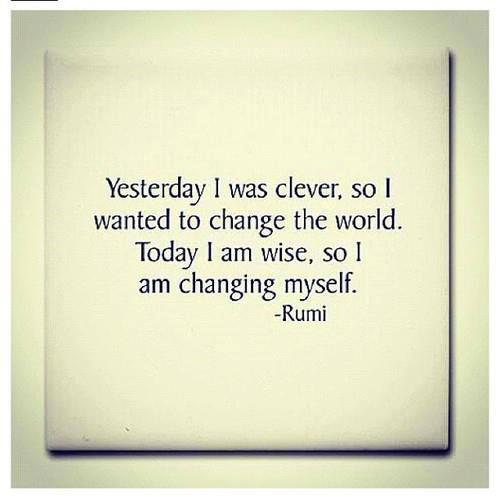
“Yesterday I was clever, so I wanted to change the world. Today I am wise, so I am changing myself”

(Not comparing myself with Rumi in any way) When I was a kid I also used to think I could and had to change the world. However after 25 years of life experience with 21 years of it as a student since the age of 4 (and counting, as a PhD student), I now feel different. It seems like my dreams have become more realistic (or maybe narrowed down, depending on how you look at it)…

So I now say:

“Yesterday, I wanted to change the world. Today, I’m (concentrating on) writing my thesis” 🙂

Read Full Post »

Don’t you worry child

There was a time, when I used to look into my supervisor’s eyes

In a happy lab, I was a king, I had a golden throne

Those days are gone, now the papers are on the wall

I still hear the sound, of the articles that were torn


In the room with the recording tape

That’s where I had my first heartbreak

I still remember how it all changed

My supervisor said:


Don’t you worry, Don’t you worry child

See science can play games on you

Don’t you worry, Don’t you worry now

A Nobel’s waiting for you

Read Full Post »

« Newer Posts