Feeds:
Posts
Comments

Posts Tagged ‘turkish’

UoL TSoc Logo 2016

University of Leicester Turkish Society 2016 logo – Not used for financial gains (all our events are ‘not-for-profit’). However, it will be changed soon as it is an infringement of the University’s own logo (we did not realise at the time the logo was designed).

I am extremely proud to have had the chance to lead the University of Leicester Turkish Society for the 2016 season; and am grateful to the following committee members for their excellent work in organising some great events – especially our annual ‘Turkish Day’ event at the Queens Hall (University of Leicester):

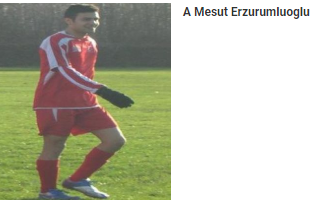
President: A. Mesut Erzurumluoglu
Vice-President: Kevser Sevim
Secretary: Halil Ibrahim Egilmez
Treasurer: Turkan Ozkent
Event coordinator: Ufuk Barmanpek and Yasemin Alpdogan
IT Manager: Muhammet Ziya Komşul

More information about the Turkish Society can be found at the below links:

Website   Facebook   Twitter

Also feel free to contact us at leturkishsociety@gmail.com for any questions/enquiries. Thanks for your continued support!

8th Annual Turkish Day flyer

Our flyer for the 8th Annual Turkish Day (5th May 2016) event – which hundreds of students attended

University of Leicester Turkish Society Turkish Day 2016 (1)

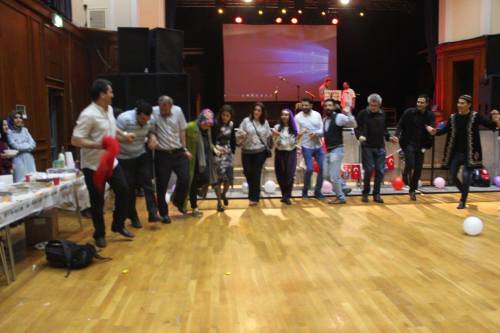
Annual Turkish Day 2016 (05/05/16) – organised by the University of Leicester Turkish Society

University of Leicester Turkish Society Turkish Day 2016 (2)

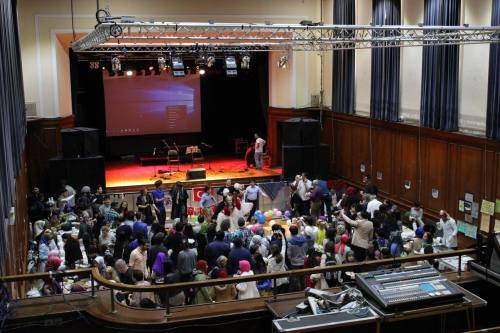
Annual Turkish Day 2016 (05/05/16) – organised by the University of Leicester Turkish Society

Freshers Fair 2016 26-27-09-16 (4)

Freshers Fair 2016 (26/09/16) – Organised by the University of Leicester Student Union

Read Full Post »

King and his Jester jokes are also a common theme in Turkish caricatures

King and Jester jokes/stories are also a common theme in Turkish caricatures. In this example, the jester’s provoking/fooling the king by saying: “you can defeat your enemies blindfolded”.

Turkish sense of humour – just as with most cultures – has been shaped by past events and influential figures. However we Turks do not like to make fun of ourselves (e.g. like the English), therefore we create (semi*)fictional characters and make fun of them. We take ourselves too seriously…

However we still managed to obtain a great sense of humour with all sorts of jokes/funny stories. They include stories/jokes from religious figures such as Nasreddin Hodja, naive and funny figures such as Temel and Dursun, and stingy but funny figures (e.g. People of Kayseri are famous for being successful businessmen but also for being tight with money, therefore these types of jokes are attributed to them).

We also generally – for some reason – hold this belief that a joke should make you think as well as make you laugh, therefore a lot of our jokes have a moral story behind it. Although I am not against the ‘make you think’ part, I believe that the primary aim of a joke is to make you laugh and relax the mind, therefore the focus should be on being funny. Sometimes the primary goal has been forgotten, therefore we have many jokes which do not even make you smile, let alone make you laugh 🙂

You can find English translations of Temel and Dursun jokes, and Nasreddin Hodja stories all over the internet. Google them, or you may wish to click the hyperlinks for some chosen examples…


Less known (in English) are the ‘People of Kayseri’ jokes. A couple of examples are below:

Father and Son

Son asks his father: “Could you lend me 50 lire dad?”

Father replies: “40 lire? What do you need 30 lire for? Isn’t 20 enough? Here’s 10.”

And he takes out a 5 lira note and gives it to his son.

The son goes: “I needed 5 lira anyway…”

Father: “You naughty boy! Nearly had me if I hadn’t given you fake money”

On his death bed

A man from Kayseri is on his death bed. He asks: “My dear wife, are you here?”

Wife: “Yes, right next to you”

Man: “My sons Mehmet and Ahmet, are you here?”

Mehmet and Ahmet: “Yes, father”

Man: “My beautiful daughter Fatma?”

Fatma: “Yes, my dear father”

The man gets up rapidly and shouts furiously: “If you’re all here, who’s looking after the shop!?”


* I say “semi” because it is not hard to see that we have living Temels and Dursuns scattered around the streets. Turkey is a fun place with a plethora of funny (or tragicomic) characters which you can easily observe in daily life. Sometimes as you’re walking to work, you yourself are involved in or come across a few jokes/funny events 🙂

An example would be: You might ask where “so and so café” is. You shouldn’t surprised if you get a reply like: “I don’t know, where is it?”; or “Are you blind? Can’t you see it’s right there!” (I wouldn’t have asked if I’d seen it!)

Read Full Post »

Temel and Dursun are (semi!) fictional characters, originated in the Black sea region of Turkey known for their humour, wit and craziness (this last attribute is sometimes replaced by naivity) all at the same time; therefore many jokes have been told about them which fit their characteristics. For more info on Turkish sense of humour, click here.

Temel

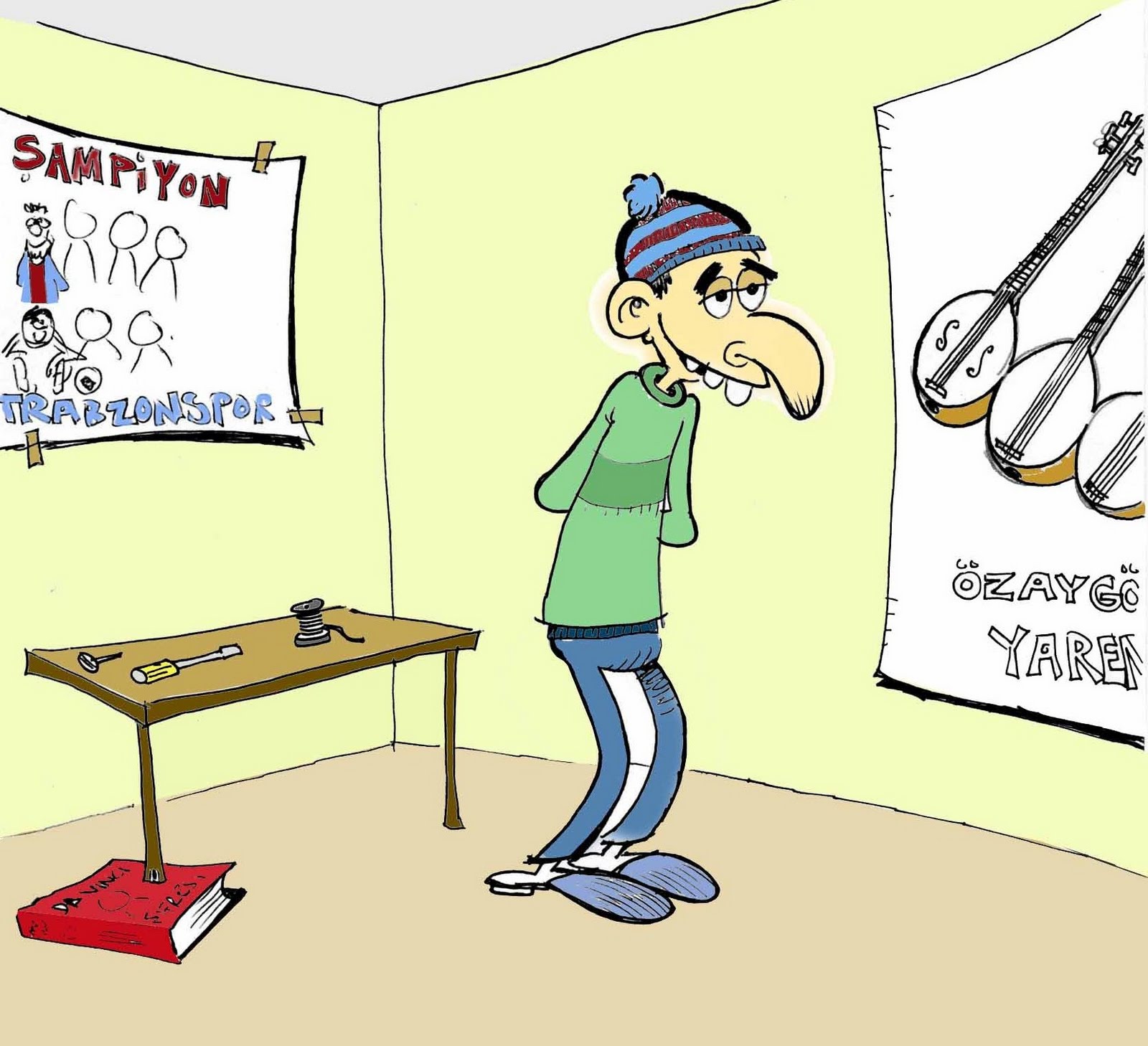
How Temel is usually depicted in cartoons – especially with a big and long nose, a well-known characteristic of the ‘Laz’ people living in the Black sea region of Turkey


Here’s just a few of them; they’re much better in Turkish as there is a lot in these jokes which is lost in translation. Hope you enjoy them anyway!

Joke 1:

Dursun has made a lot of money in the USA and tells his beloved friend Temel to join him in LA. He tells him there are so many opportunities for him to earn his living here, going even further to say he’d be rich even if he picks up the money people throw/drop on the streets. So Temel jumps on the first plane and travels to the US; and with his first step he sees a $10 note on the floor. But he decides not to take it, saying: “I’m not going to start working on the first day!“.

Joke 2:

Temel owes a lot of money to the local shops. One day he wins the lottery and the locals wait for him to pay back what he owes – and maybe more. However three months down the line, Temel still hasn’t paid anything so the shopkeepers come down to ask why that is the case. Temel tells them: “I didn’t want you guys to think money’s changed me!

Joke 3:

Temel asks a cafe owner: “Do you have cold tea?” and he gets the reply “No“, so he leaves. He keeps asking the same question for the next three days so the cafe owner thinks I’ll make him cold tea the next day. Temel comes in and asks the same question, but this time the cafe owner says “yes”. Then Temel says: “well that’s great, heat it up and bring me some tea. I’ve missed drinking tea a lot!

Joke 4:

Temel enters a multi-choice matriculation exam. He flips a coin for each question and picks the choices accordingly. An hour into the exam – when all the students have given in their papers and he’s the only one left in the room, the invigilator sees that he’s still flipping coins; and tells him there isn’t much time left and asks him whether he is about to finish. Temel answers: “I’ve finished half an hour ago, just going through my answers!”

Joke 5:

Temel and Dursun love playing football. One day when they were contemplating about the afterlife, Temel asks Dursun: “Do you think there is football in Heaven?” and Dursun answers “I don’t know but whoever goes there first, will let the other know OK?“. So they agree and a few years down the line Dursun dies and appears in Temel’s dream: “Temel, I’ve got one good and one bad news for you“. Temel asks for the good one first and Dursun answers: “There is football in Heaven!

What about the bad one?

Your name is on the team sheet this week!

Joke 6:

When they’re young, Temel and Dursun try stealing a few apples from a tree in a garden nearby. While they’re at it, the owner sees them and they start to run. The owner shouts “stop you BASTARD!”; and Dursun stops and tells Temel “he recognised me, you keep running brother!”

Joke 7:

Temel and Dursun are stopped by a tourist in Istanbul. He asks: “Hi, do you speak English?“. Temel and Dursun look at each other, not understanding what he meant. The tourist also asks: “Parlez vous Francais?” and said the same thing in many other languages. The tourist then leaves not getting an answer.

Dursun turns to Temel and says: “I think it is time we learn a foreign language“.

Temel: “What’s the point? Look he knew 5 languages but still couldn’t explain what he wanted“.

Joke 8:

Temel appears in court as he has just killed a dozen or so people at a marketplace due to his truck’s brakes failing. The judge asks: “Explain why you did this?“.

Temel: “I am very sorry; it was not intentional. My brakes failed and I had no other choice but to hit somewhere to stop my truck. I noticed that if I swerved to the right I would kill a child. If I swerved to the left, I would enter the marketplace and potentially kill dozens. So I decided to kill the child.”

Judge: “How did you then kill all these people?!

Temel: “Unfortunately the kid ran towards the marketplace

Joke 9:

Temel and Dursun go to watch a movie, which has a horse racing scene. Just as the race is about to start, Temel bets Dursun that the white horse will win – and Dursun agrees to bet on the black horse. The white horse won, so Temel also won the bet. However, after the movie Temel feels uneasy and confesses:

I watched this movie before and knew which horse was going to win.

Dursun replies: I watched the movie too.

But I wanted to bet on the underdog this time!

Joke 10:

Temel is on Who Wants to be a Millionaire. He passes the first set of ‘easy’ questions…

£4000 question: How long did the ‘Hundred Years’ War’ last?

a) 99 years b) 116 years c) 150 years d) 100 years

He asks the audience and passes on to the next question

£8000 question: Where did the ‘Panama hat’ originate?

a) Panama b) Brazil c) Chile d) Ecuador

He phones a friend and passes on to the next question

£16000 question: When do the Russians celebrate the ‘October Revolution’?

a) October b) September c) November d) January

He uses the ‘fifty-fifty option’ and passes on to the next question

£32000 question: What animal were the ‘Canary Islands’ named after?

a) Canaries b) Seals c) Cats d) Kangaroos

Temel decides to take the money…

[Scroll down]

Funny eh? Thought you were more clever than Temel? Think again!

Answers: 1) 116 years, 2) Ecuador, 3) November, 4) Seals

Read Full Post »
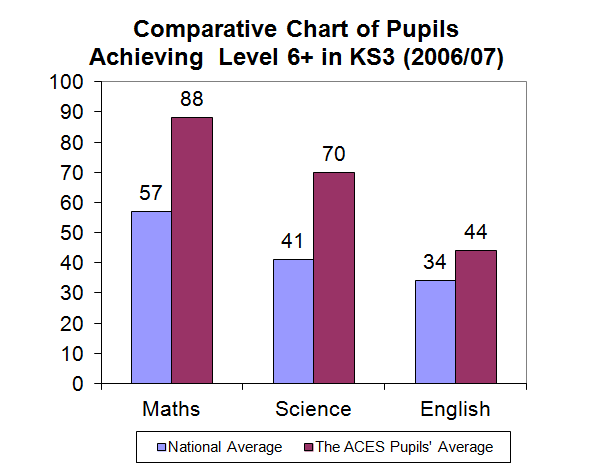
Department for Education and Skills’ (DfES) report for Children of Ethnic Minority in 2006/07 showed a bleak picture for students of ethnic minorities living in the UK – as they were all performing below the national average. However the picture was even more disturbing for Turks/Kurds because their children were the least performing out of all the groups that had a considerable size in the UK. I am hoping things have gotten better for the Turkish community since then as there have been many steps taken to stop this rot, especially by the Turks themselves. They have opened many supplementary and/or weekend schools all over the UK especially in London and Leicester where there is a considerable amount of Turkish/Kurdish migrants. In one of these weekend schools, called the Horizon supplementary school (located in Leicester), I obtained the Keystage 2 (KS2) and Keystage 3 (KS3) results of nearly 30 students (years 6 to 9) attending their classes and compared them with DfES’s findings. The results were surprising:

ks2 ks3

Overall, the Horizon school’s pupils had achieved higher in all subjects compared to the national average let alone other ethnic minority groups. The difference is greater in Maths and Science.

These results make it clear that given the opportunity, children of Turkish/Kurdish/Turkish-Cypriot background can perform as good as anyone, if not better. Therefore the Turkish/Kurdish community must carry on supporting the existing supplementary schools; and if possible improve on what they’re doing by opening more schools. This is why I’d recommend all ethnic minorities in the UK to follow the Turks’ example and support their children in achieving their academic potential. Educated children would not only be the source of good for the corresponding ethnic minorities, but also the British society as a whole.

Best wishes!


PS: To add to the comments above, the below newspaper article portrays my views in 2006 (when I had just turned 18). I do not agree entirely with it nowadays; would have worded some things differently…  🙂

Me in Leicester Mercury (August 2006)

Me in Leicester Mercury (August 2006)

Read Full Post »

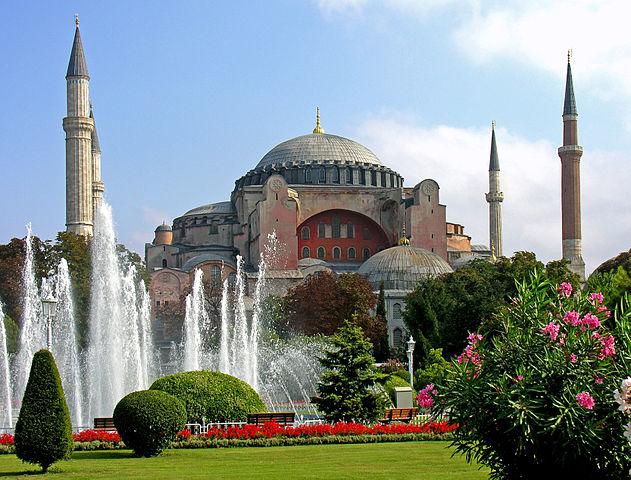
Hagia Sophia in Istanbul

Hagia Sophia in Istanbul

BBC’s Turkish language page is great! I’d recommend it for anyone!

Also see:

Learn Turkish Now

Handbook of Students of Turkish by National Middle East Language Resource Centre (NMELRC)

Hugo’s Simplified System (a little advanced)

Teach Yourself Turkish (advanced)

Read Full Post »

UBU TSoc logo

UBU Turkish Society Logo

Thanks to the help of many friends and Bristolians, we have now founded the Turkish Society at the University of Bristol. Please visit our website (www.ubu.org.uk/activities/societies/BristolTSoc/) or Facebook (University of Bristol – Turkish Society) group page for our upcoming events and many more!

—————————————————————————————————–

Also contact us through:

Email address: bristolturkishsociety@gmail.com

Webpage: bristolturkishsociety.wordpress.com

Twitter: @Bristol_TSoc

—————————————————————————————————–

The Founders and the Committee members for the 2012/13 education season is as follows:

President: Mesut Erzurumluoglu (PhD in Genetic Epidemiology)

Vice-President: Erdem Dikici (PhD in Sociology)

Secretary: Emrah Selli (PhD in Cardiology)

Treasurer: Omer Faruk Buyukkurt (Masters in Economics)

Event Coordinator: Kenan Cicek (PhD in Photonics)

IT Manager: Ekin Arabul (Bachelors in Computer Science)

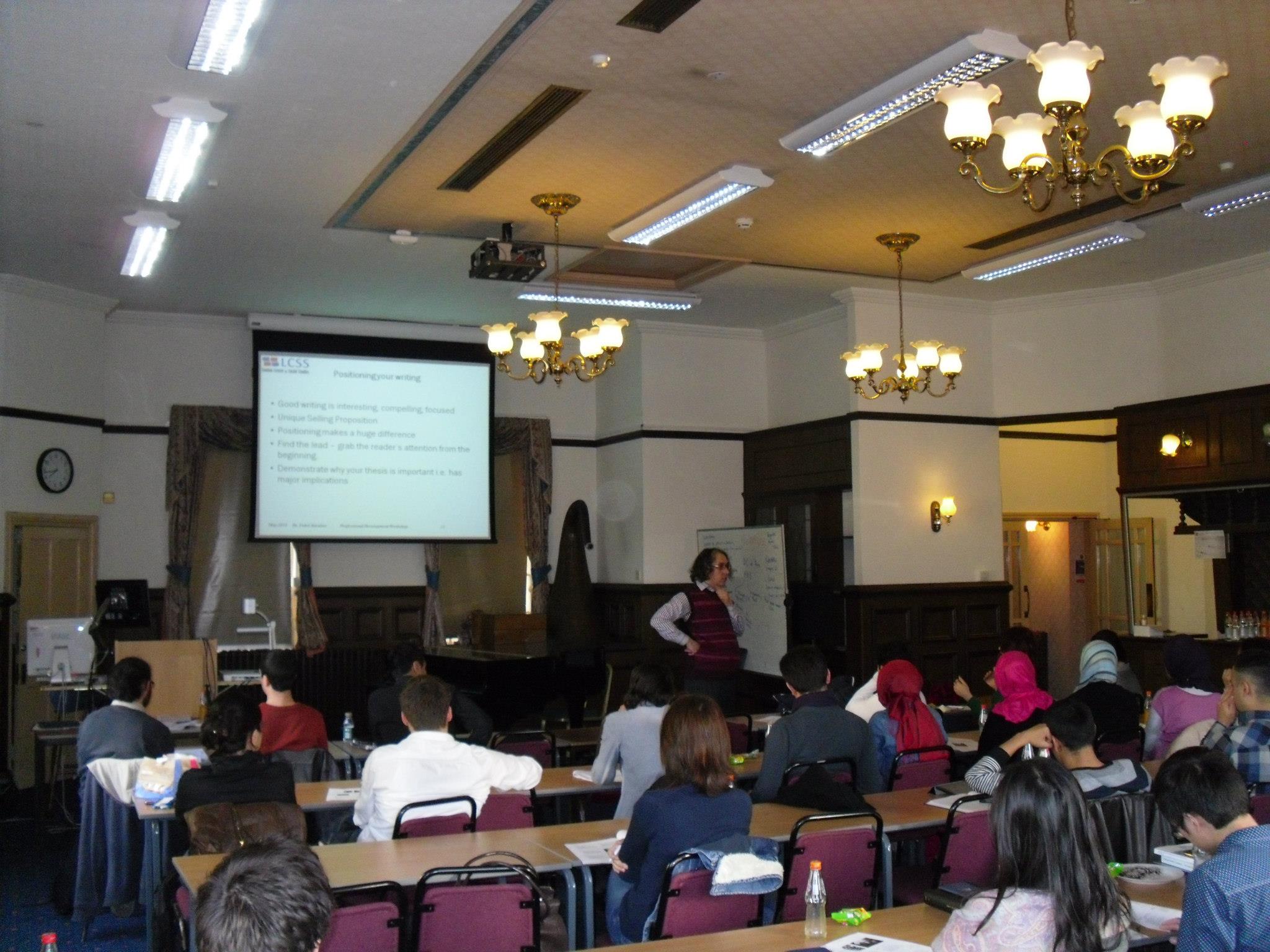
Dr Fahri Karakas Seminar (13-05-13)

Dr Fahri Karakas Seminar (13-05-13)

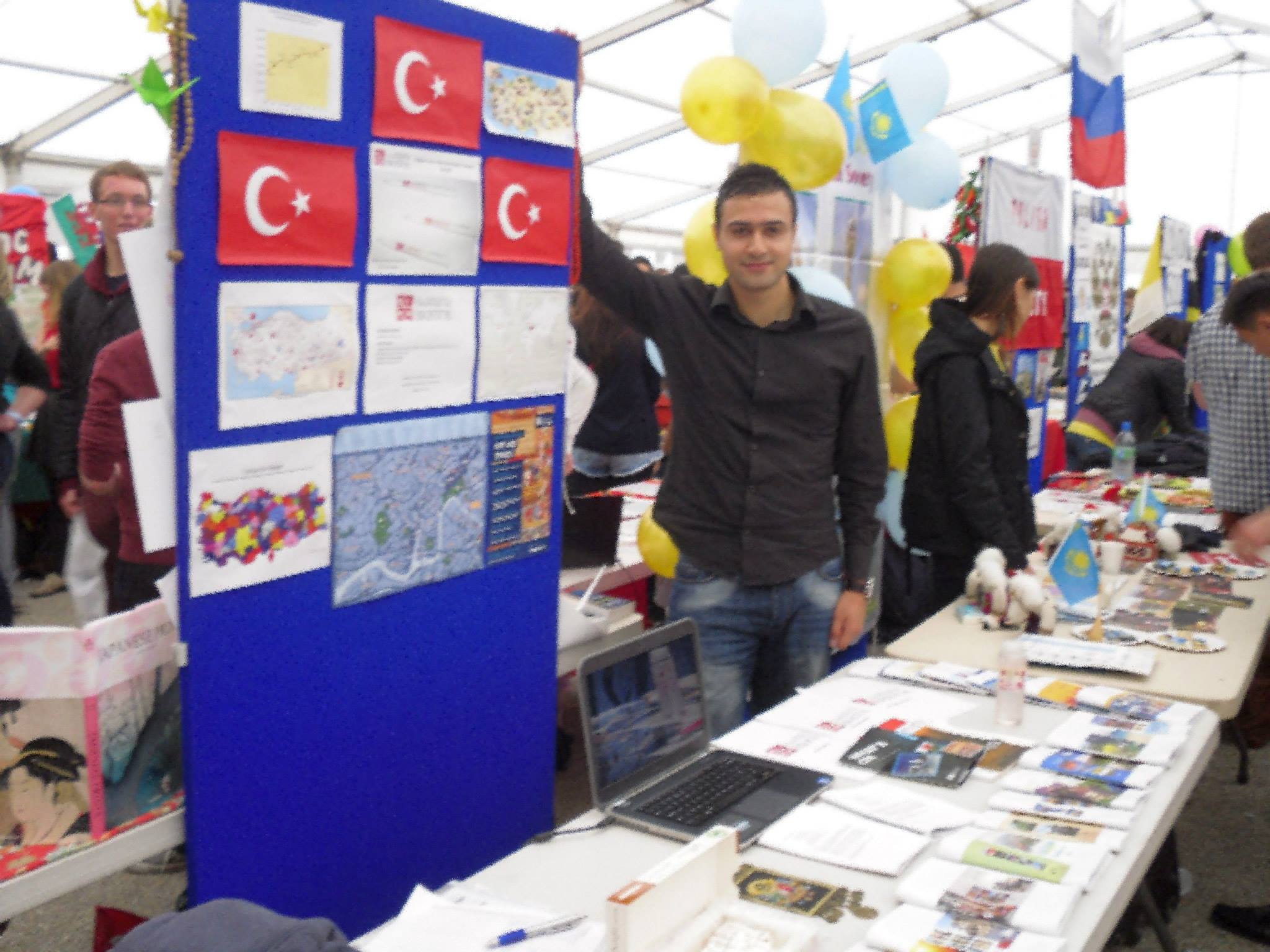
Freshers Fair 2013 (26-09-13)

Freshers Fair 2013 (26-09-13)

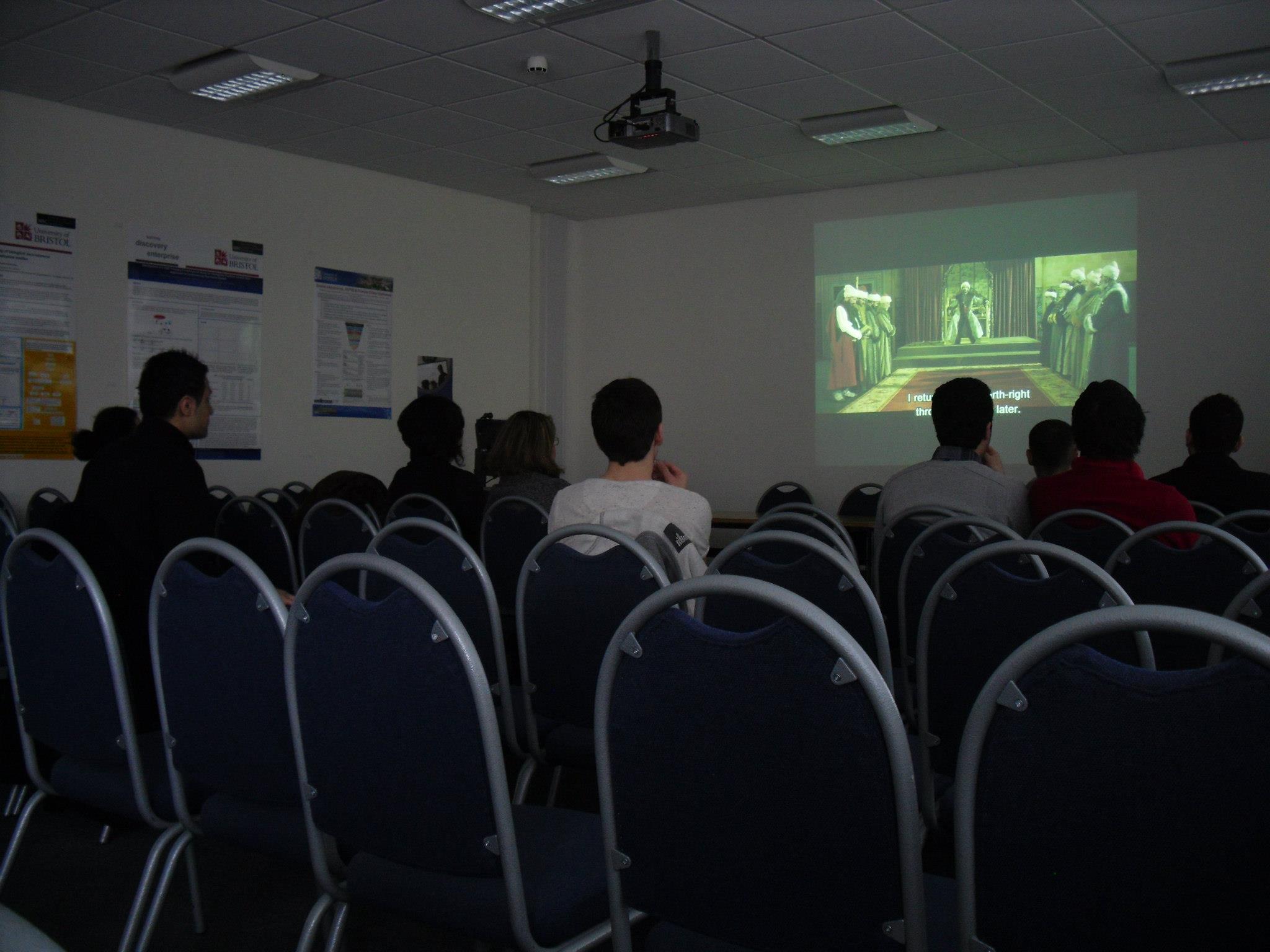
Turkish Society Movie Day - Fetih 1453 (23-02-13)

Turkish Society Movie Day – Fetih 1453 (23-02-13)

UBU Cultural Fair 2014 (08-02-14)

UBU Cultural Fair 2014 (08-02-14)

UBU Turkish Society Newcomers' Lunch (19-10-13)  (2)

UBU Turkish Society Newcomers’ Lunch (19-10-13) (2)

UBU Turkish Society Newcomers' Lunch (19-10-13)

UBU Turkish Society Newcomers’ Lunch (19-10-13)

Read Full Post »
DNA

Structure of DNA – the blueprint of all organisms

Deduction of Human migrations and Ancestry through the use of Uniparentally inherited DNA

Our genome is made up of 22 pairs of autosomes and 2 sex chromosomes making up a total of 46 chromosomes. We inherit half from our mother and the other from our father. If you receive an X from both your parents, you will become a female; and if you receive a Y from your father (you will always receive an X from your mother) you will be male. This makes the Y chromosome (excluding the pseudo-autosomal regions) the only nuclear chromomosome which is uniparentally inherited (males inherit it only from their fathers and females do not have it). Because it does not have a homologous pair (like the autosomes do), recombination does not occur thus no mix up of DNA sequences occur. This is why it is unique in the way that fathers pass on the same DNA sequence to their sons without any change (except for a few spontaneous mutations). So if we could go back in time and check the DNA sequence of the Y chromosome of your grandfather 20 generations back we would see that you have the same as his (apart from minor changes). This is why information through the analysis of the DNA sequence in the non-recombining regions can be used to deduce an individual’s ancestry (Jobling and Tyler Smith, 2003).

Information from the Non-recombining regions of the Y Chromosome

The Y chromosome of many males from all world populations have been analysed and a phylogenetic tree which is rooted to Africans has been constructed (Karafet et al 2008). The same is true for the mitochondrial DNA also (van Oven and Kayser, 2008). Each branch of the tree is called a ‘haplogroup’ which is the term used to describe a group of individuals who share the same Y-DNA haplotypes (or mitochondrial haplotypes in terms of the mtDNA phylogenetic tree), thus share a common ancestor some time in history (Underhill and Kivisild 2008).

European males usually belong to one of the two major Y-DNA haplogroups: R and I (see eupedia.org)

R is by far the most prevalent accounting to over 70% of males in Europe and I accounts for just over 20% (see eupedia.com for more information). What is intriguing however is that, through the analysis of the frequencies of the haplogroups in different regions of the world, haplogroup I seems to correspond to native Europeans whereas the R haplogroup seems to have arrived from Anatolia where present day Turkey is.

To conclude, there is definitely strong evidence that most European males share a common ancestor who lived in Turkey quite a few centuries ago. Human history is an intriguing area and genetics has a lot to offer to these studies!

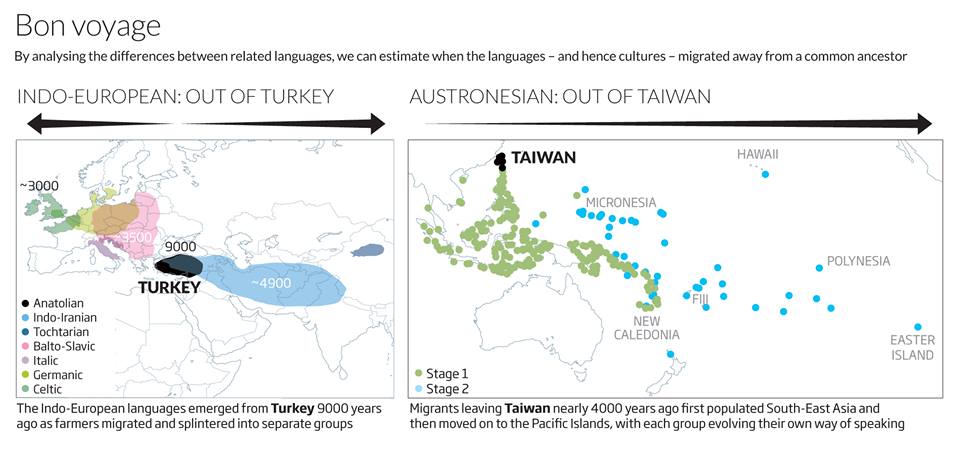
Same for European languages?

Same for European languages?

For more information (ordered to help understand the issue better):

– Human Genome: http://en.wikipedia.org/wiki/Human_genome

– Y chromosome: http://en.wikipedia.org/wiki/Y_chromosome

– Mitochondrial DNA: http://en.wikipedia.org/wiki/Mitochondrial_DNA

– Origins, age, spread and ethnic association of European haplogroups and subclades: http://www.eupedia.com/europe/origins_haplogroups_europe.shtml

– Underhill PA, Kivisild T. 2007. Use of y chromosome and mitochondrial DNA population structure in tracing human migrations. Annu Rev Genet. 2007;41:539-64.

– Jobling MA, Tyler-Smith C. 2003. The human Y chromosome: an evolutionary marker comes of age. Nat Rev Genet. 2003 Aug;4(8):598-612.

– Karafet TM et al. 2008. New binary polymorphisms reshape and increase resolution of the human Y chromosomal haplogroup tree. Genome Res. 2008 May;18(5):830-8. Epub  2008 Apr 2.

– van Oven M, Kayser M. 2009. Updated comprehensive phylogenetic tree of global human mitochondrial DNA variation. Hum Mutat 30(2):E386-E394. http://www.phylotree.org.

Read Full Post »
Anatolia FC logo
Anatolia FC’s logo for 2008/09 season

Anatolia FC was established with the help of Anatolia Cultural and Educational Society (ACES), to help the youth with Turkish/Kurdish background living in Leicester to blend together and keep them away from bad habits by encouraging them to engage in sports…

The team enrolled to The Leicester Sunday League. For more details, please see Anatolia FC’s webpage.

Founded: 17th August 2007
Ended: 28th February 2010

All time statistics

Player Statistics
Most Appearances: Mesut Erzurumluoglu (54), Erol Nas (51), Ozer Kircicek (47), Fatih Gaygusuz (46), Sefa Macit (43), Esat Erzurumluoglu (40)
Most Goals: Mesut Erzurumluoglu (59), Erkan Ozbek (24), Sefa Macit (23), Fatih Gaygusuz (15), Serkan Pala (7)
Most Goals in a Single Match: (3) by Mesut Erzurumluoglu, Erkan Ozbek, Serkan Pala and Sefa Macit
Scored in How Many Games: Mesut Erzurumluoglu (35), Sefa Macit (17), Erkan Ozbek (16), Fatih Gaygusuz (13)
 
Youngest Player To Play: Hoshang Ibrahim (15 Years, 171 Days) 
Youngest Player To Score: Hoshang Ibrahim (15 Years, 348 Days)
Oldest Player To Play: Kenan Tunc (38 Years, 251 Days) 
Oldest Player To Score: Dean Ramsey (32 Years, 279 Days)

Team Statistics
Total Games Played: 54 (including Cup matches & Friendlies)
Total Games Played (League): 45
Total Results: W19, D11, L24
Total Results (League): W19, D10, L16
Total Goals Scored: 160
Total Goals Scored (League): 143
Total Goals Conceded: 195
Total Goals Conceded (League): 143
 
Biggest Win: 7-0 (The Alliance – 3 Feb 2008)
Heaviest Loss: 1-10 (G.T. FC – 26 Oct 2008)
Highest Scoring Game: 4-9 (Aylestone Utd – 23 Nov 2008)
 
Longest Unbeaten Run: 
14 Games (From 12 Nov 2007 To 20 Sep 2008) 
Longest Period Without A Win: 
6 Games (From 2 March 2009 To 10 Oct 2009)  
 
Captains (2007-2010) – at least one game
Fatih Gaygusuz (1st)
Idris Ciftci (2nd)
Erol Nas
Erkan Ozbek
Mesut Erzurumluoglu

Milestones

First Silverware

Anatolia FC were awarded the ‘Fair Play’ Trophy in an International Tournament based in London (Summer 2009) for reaching the knockout stages without a single yellow card. The team qualified to the Quarter Finals as Group Winners (beating Teams from Holland and Turkey in the process), before losing to the eventual runners-up Xanthi FC (from Greece) on penalties after the game finished 1-1. The team was managed by Kenan Tunc

Lucozade Sport Performance League

Anatolia FC has been picked out of the draw (also announced in talkSPORT radio) to become one of the 80 Teams in the whole of the UK to be given the chance to participate in the first ever Lucozade Sport Performance League (Season 08/09)

First Season Summary

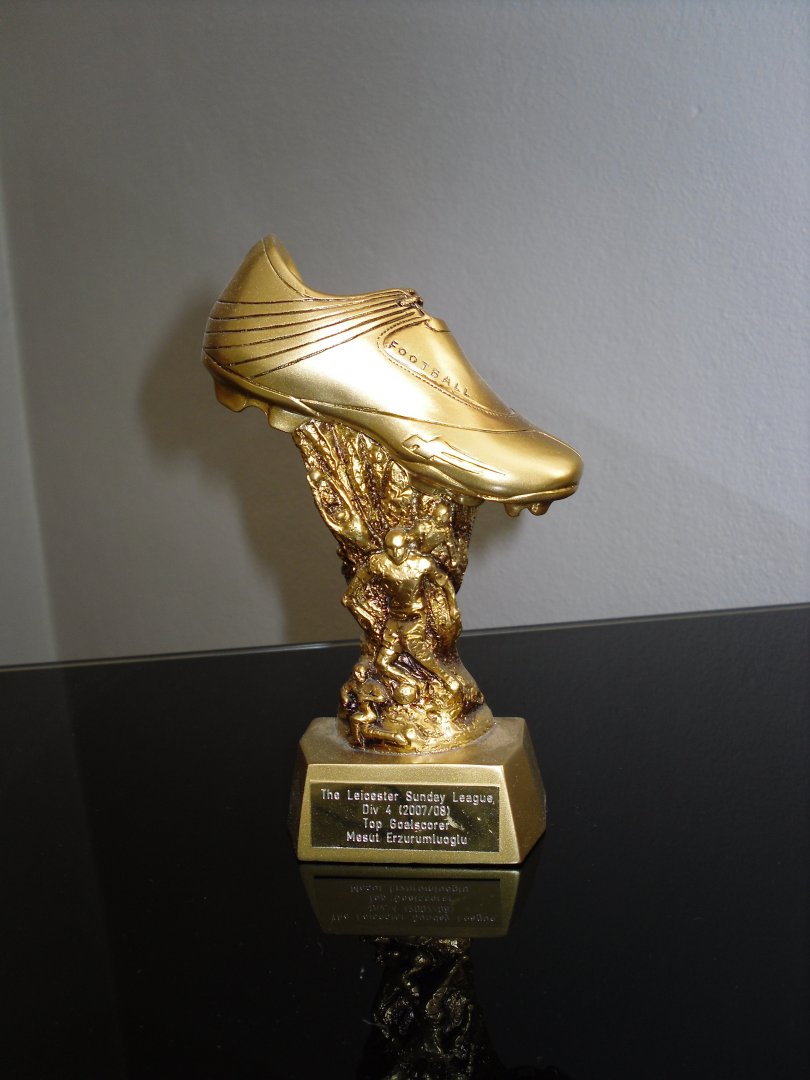
Anatolia FC finished the 2007/08 Season in 3rd place, scoring the most goals (79) and with a 17 game unbeaten run! Also, Mesut Erzurumluoglu finished the season as Top Goalscorer of Division 4 (with 28 goals)

First Win

Anatolia FC convincingly defeated Leicester Echos 4-0 at home to record the first win in the Club’s history – the second game of the 2007/08 Season… Goals came from Ramazan Aslan (2), Mesut Erzurumluoglu & Sefa Macit

First Match & Goal

Mesut Erzurumluoglu was the first Scorer in the Club’s history, scoring the only goal against Shoemakers FC (A) in the 3-1 Loss – first game of the Season 07/08…

Foundation Date Anatolia FC was setup on the 17th August 2007 – starting in Division 4 of The Leicester Sunday League

Video from one of our games:

Anatolia FC were also chosen to be one of the eighty teams throughout the UK to take part in the first Lucozade Sport Performance League (LSPL, Sept 2009). Click here for picks from the weekly LSPL newsletter mentioning Anatolia FC.

mesut_erzurumluoglu_anatolia_fc_photo
mesut_erzurumluoglu_anatolia_fc
A snapshot from my personal player page. I was the top goalscorer of the club in all three seasons I played there and was the top goalscorer in Division 4 in 2007/08 season when we finished 3rd in the league (Note: Assist info lost for 2008/09 season due to acquisition of Club Website by Pitchero)

Mesut_Erzurumluoglu_Anatolia_FC_football (1)
Top goalscorers in the 2007/08 season of The Leicester Sunday League

Mesut_Erzurumluoglu_Anatolia_FC_football (2)
My ‘Top Goalscorer of TLSL Division 4 (2007/08)’ award

Read Full Post »
Kamp Kardesler Logo

Kamp Kardesler logo – Rose symbolises the Prophet

Entertaining and educative videos by Kamp Kardeşler:


Please click here for Homepage in English

Youtube channel: http://www.youtube.com/user/kampkardesler


Lütfen türkçe anasayfa icin buraya tıklayın

Youtube kanal: http://www.youtube.com/user/MesuTurkey

Read Full Post »

« Newer Posts