Feeds:
Posts
Comments

Posts Tagged ‘uk’

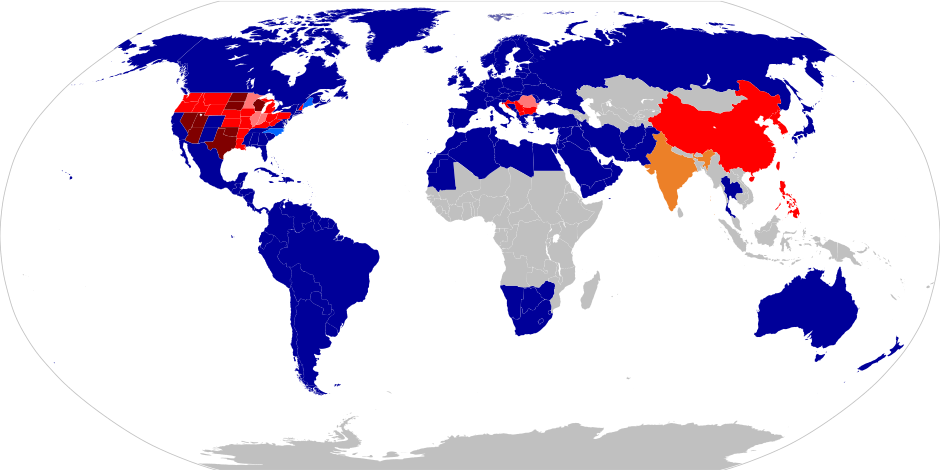
Laws regarding first-cousin marriage around the world. Navy blue: First-cousin marriage legal. Light Blue: Allowed with restrictions or exceptions. Yellow: Legality dependent on religion or culture. Red: Statute bans first-cousin marriage. Pink: Banned with exceptions. Dark Red: Criminal offense. Grey: No available data. The image has been released into the public domain by the author (URL: http://en.wikipedia.org/wiki/Cousin_marriage).

Laws regarding first-cousin marriage around the world. Navy blue: First-cousin marriage legal. Light Blue: Allowed with restrictions or exceptions. Yellow: Legality dependent on religion or culture. Red: Statute bans first-cousin marriage. Pink: Banned with exceptions. Dark Red: Criminal offense. Grey: No available data. The image has been released into the public domain by the author (URL: http://en.wikipedia.org/wiki/Cousin_marriage).

The answer is (studying) consanguinity (i.e. unions between relatives such as first-cousin marriages); and one cannot understand the complexity of the issue (and make ‘informed’ decisions) without reading the literature of these five apparently unconnected fields. It is fair to say that there is a degree of hostility towards consanguineous marriages in Western societies. However this perception is usually attained without in-depth knowledge on the genetic effects of consanguinity. In short, consanguinity per se (i.e. on its own) does not cause a disorder, but rather it increases the probability of an autosomal recessive disorder (which require two copies of the same) causal mutation to be in a homozygous state (i.e. possess two copies of the same mutation). When this happens both copies of the genes we inherited from our parents do not function properly.

Unions between individuals who are second-cousins or closer are considered ‘consanguineous’ in clinical genetics. Consanguineous families with diseases have been studied thoroughly by clinical geneticists for the last two-three decades – and this has allowed for identification of many disease causal genes. However, studying consanguineous populations as a whole rather than ‘cherry picking’ families with disease can offer much more for better understanding our genome and therefore finding new targets for preventive and curative medicine. Many genes in our genome still have unknown functions and we have merely scratched the surface in terms of their interactions. I hypothesise that assigning a function to the thousands of remaining genes will only be feasible if consanguineous populations are studied as a whole (i.e. also including families without disease to the studies) and I therefore carry out theoretical studies to estimate the sample size needed and how many genes will be completely ‘knocked-out’ if these studies were to be carried out. This approach proposes a ‘paradigm shift’ in clinical genetics.

Global prevalence of consanguineous unions. Consanguinity has deep roots in many cultures and it is impossible to interfere/intervene from the outside without first understanding why people engage in cousin marriages. Image source URL: www.consang.net/

Global prevalence of consanguineous unions. Consanguinity has deep roots in many cultures and it is impossible to interfere/intervene from the outside without first understanding why people engage in cousin marriages. Image source URL: http://www.consang.net/

Consanguineous unions occur very rarely in Western countries for a variety of sociological (e.g. cultural, negative media coverage) and statistical reasons (e.g. smaller families means fewer cousins at similar age), but the complete opposite is true in certain regions of the world where union of kin is seen as the default choice. Conservative estimates predict that approximately one-sixth of the world’s population (a figure of 1.1 billion is proposed by the Geneva International Consanguinity Workshop Report) live in highly consanguineous regions; and also another one-sixth falls into the ‘unknown’ category – reflecting the need for further research. Historically, consanguineous unions were also common amongst the elite in the UK (up to mid-19th century, including Charles Darwin), the Pharaohs and the Royal families of Europe (e.g. Habsburgs).

Views of main religions towards consanguineous marriages. NB: Where first-cousin marriages are allowed, lower levels of consanguinity are also allowed. Image Source: Copy-pasted from my own PhD thesis

The increase in the probability of a mutation being homozygous will depend on the level of relatedness between the parents. For example, approximately 6.25% of mutations are expected to be homozygous in the offspring of first cousins. This figure would be (near) 0% in the offspring of outbred individuals. Genetically, this is the main difference between union of kin and union of unrelated individuals. We all have many disease-causal mutations in our genomes (but in heterozygous state, i.e. one normal copy and one mutated copy) and different kinds of mutations are out there in all populations. However because these mutations will be very rare or are unique to you or your family, they do not get to meet their counterpart when you have offspring with an unrelated individual. Therefore the mutation’s homozygous effects are never observed. This is why rare autosomal recessive disorders are almost always seen in consanguineous offspring.

This difference in homozygosity levels is also one of the main reasons behind the necessity of studying consanguineous individuals and populations. These studies can turn unfortunate events (e.g. disorder in families) to a great use for medical sciences. Not only will identifying a disease-causal mutation help with diagnostics, they can enable scientists to understand what certain genes do and help us understand why the gene causes that disease. Rare instances can be highly informative about preventable outcomes relevant to the whole population. For example, had more notice been taken in the 1980s of the proof which familial hypercholesterolemia provided for the causal role of cholesterol in coronary heart disease (CHD), high cholesterol intake would have been better addressed for the nation a decade sooner. To provide numbers, CHD is still the UK’s biggest killer causing over 80 thousand deaths a year, thus paying more attention to information that was coming from studies of consanguineous unions could have saved thousands of lives just in this single case.

Given the advancements in genetic diagnostics (e.g. huge decreases in costs of DNA sequencing), screening for all known mutations will become feasible in the near future for everybody – and identifying disease-causal mutations will become even more useful for all of us. Our genomes are constantly being mutated and my approach will enable a much broader understanding of our genome by observing these mutations’ homozygous effects. Finally, rather than discourage (See link for an example) consanguineous marriages totally (not feasible in the foreseeable future due to many socio-economic and cultural reasons), for those willing to marry a cousin, screening for previously identified mutations will help these couples take more informed decisions.
consanguinity factors culture socio-economic

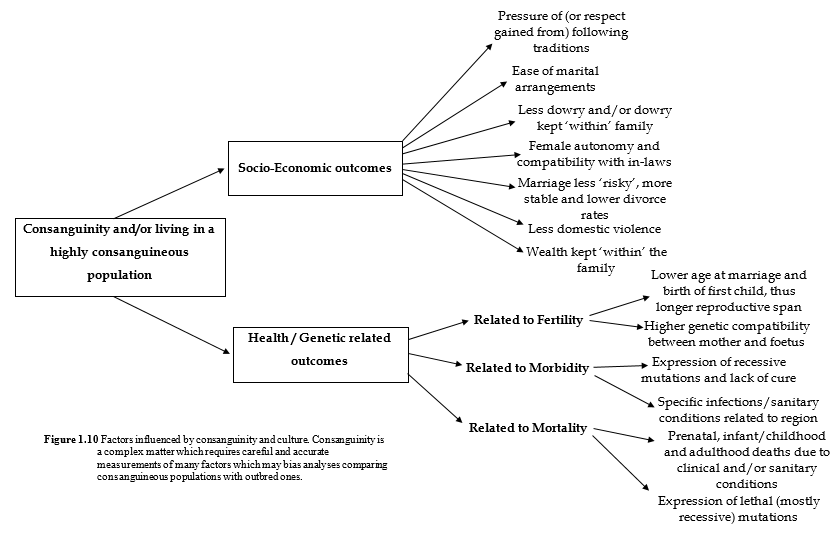
Factors influenced by consanguinity and culture. Image Source: Copy-pasted from my own PhD thesis (hence the Figure 1.10)

Key reference:

A. Mesut Erzurumluoglu, 2016. Population and family based studies of consanguinity: Genetic and Computational approaches. PhD thesis. University of Bristol.

Erzurumluoglu AM et al, 2016. Importance of Genetic Studies in Consanguineous Populations for the Characterization of Novel Human Gene Functions. Annals of Human Genetics, 80: 187–196.


PS: Whilst the media is mostly responsible for portraying consanguinity the way they understand (and with more contrast added on of course), they could be forgiven as the genetic effects of consanguinity is not fully understood amongst geneticists either, especially in the field of complex trait genetics – thus the extra incentive for studying them.
Read Full Post »

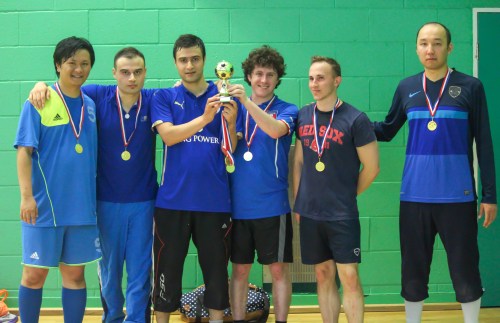
UBU Staff League Cup 2015 winners ‘Flying Foxes’ team (Left to Right): Chris Z, Esat E, Mesut E, Guillermo B, Adam T, Askhat T. Tom R was also in the team

UBU Staff League Cup 2015 winners
‘Flying Foxes’ team (Left to Right): Chris Z, Esat E, Mesut E, Guillermo B, Adam T, Askhat T. Tom R was also in the team

‘Flying Foxes’ Team: Mesut Erzurumluoglu (Captain), Esat Erzurumluoglu, Tom G Richardson, Askhat Tleuov, Adam JW Trickey, Jie ‘Chris’ Zheng, Guillermo Fernandez Bunster

See link for full details: Mesut and Co win University of Bristol Staff League Cup 2015

Results

Group Stage:

Flying Foxes 7-1 Mighty Midgets (Mesut 3, Guillermo 2, Adam, Tom)

UoB Staff Team 1-2 Flying Foxes (Adam, Guillermo)

Phys Pharm 2-8 Flying Foxes (Mesut 3, Guillermo 2, Adam 2, Tom)

Eintracht Autopiroozeurs 1-1 Flying Foxes (Adam)

Group Standings (top three)

1st: Flying Foxes (10pts), 2nd: UoB Staff Team (9pts), 3rd: E. Autopiroozeurs (7pts)

Final: Galbani Team 2-4 Flying Foxes (Mesut, Esat, Guillermo 2)

Read Full Post »

Obesity is a big problem World-wide

Obesity is a ‘big fat’ problem World-wide (Image from Wikipedia)

Obesity increases the risk of a variety of disorders such as coronary heart disease (UK’s biggest killer!) and cancer (e.g. colon, breast) and influences other health related traits such as increasing blood pressure and blood fats. Therefore it is always important to know what your normal range for body mass index (BMI) is. Keeping within this range is bound to decrease your risk for obesity related disorders – although should not be solely relied on. Intake of right amount of minerals and vitamins is also crucial.

The NHS have created an online BMI calculator which I found very useful:

BMI healthy weight calculator


PS: Please also check the BMI of your loved ones (especially elder members) as most people usually ignore the early signs and become obese… Warn them if they’re overweight so that it is easier to lose weight compared to when they’re already obese!

PPS: There is also some useful and succinct info on this website

content provided by NHS Choices

Read Full Post »

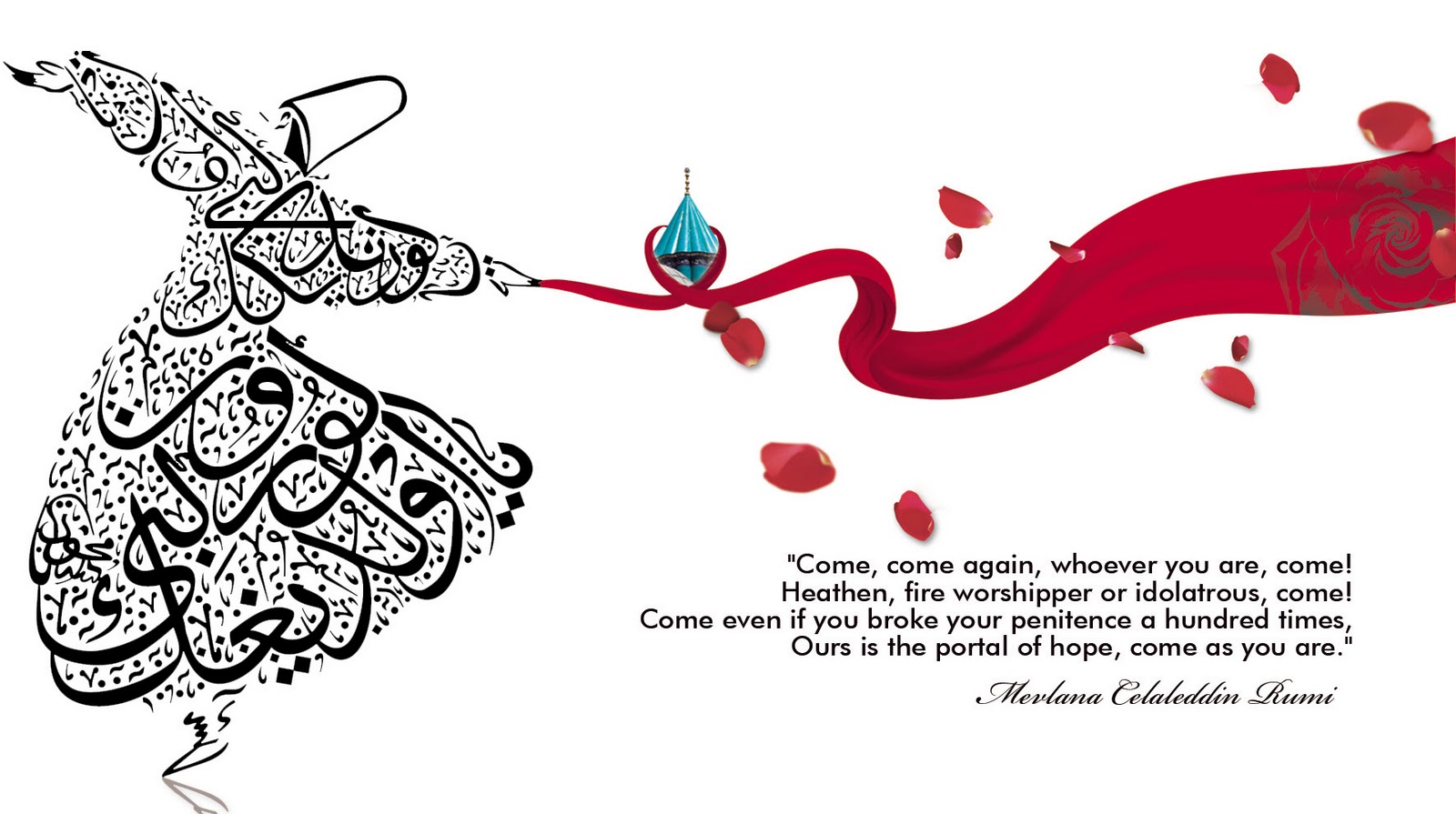
Whirling Dervish

Whirling Dervishes are characteristic of Sufism. The saying below from Rumi melts many hearts as well as mine’s. We need his understanding of Islam more than ever!

The great Islamic scholar Mawlana Jalaladdin Rumi once said:

“Yesterday I was clever, so I wanted to change the world. Today I am wise, so I am changing myself”

(Not comparing myself with Rumi in any way) When I was a kid I also used to think I could and had to change the world. However after 25 years of life experience with 21 years of it as a student since the age of 4 (and counting, as a PhD student), I now feel different. It seems like my dreams have become more realistic (or maybe narrowed down, depending on how you look at it)…

So I now say:

“Yesterday, I wanted to change the world. Today, I’m (concentrating on) writing my thesis” 🙂

Read Full Post »

1- Yaptigimiz isin iyi veya kotu oldugunu nereden anlariz?

“O isi yaparken Allah’a kavusmak (olmek) korkutmuyorsa o is iyidir; hayir, rahatsizlik duyuyorsaniz o is kotudur” (Reca bin Hayve)

2- Seytan namaz kilmayan (alni secdeye inmeyen) bir adama:

“Ben Hz Adem’e bir kerecik secde etmedigim icin cennet’den kovuldum; sen is her gun bes vakit namazin her secdesini terk ediyorsun… Acaba halin ne olacak?”

3- Yuzme bilmeyen cimrinin birisi denize dusmus ve etraftakiler kurtarmak icin “Ver elini” diyorlarmis, ama adam bir turlu vermemis…

Onu iyi taniyanlardan birisi “Al elimi” deyince, adam uzatmis…

4- Kanuni Sultan Suleyman merakindan, zamaninin Islam alimi (her soruya cevap vermesiyle meshur ve ayni zamanda Sut kardesi olan) Yahya efendiye Osmanli’nin sonunun nasil olacagini soran bir mektup yazmis…

Cevap olarakta Yahya efendi “Neme gerek” yazmis; Kanuni bu cevaba sasirmis ve hikmetini bizzat kendisi sormak icin yola koyulmus…

“Kardesim, neden soruma cevap vermedin?” deyince; “Cevap verdim; bir devlette haksizlik ve zulum yayilir, bunu isitip gorenler Neme gerek derlerse, o zaman o neslin yok olmasini bekle”

5- Bir inkarci, Islam alimine 3 soru sorar:
i) Allah varsa bana goster
ii) Her isi Allah yaratiyorsa neden suclu ceza gorur?
iii) Seytan atesten yaratildiysa, cehennem atesi nasil ona etki eder?

Alim yerden bir kerpic parcasi alip onun basina calar… Basi aciyan inkarci solugu hemen mahkemede aliverir ve Hakim alime sorar: Sen bunun basina vurmussun oylemi?

Alim: Bana 3 soru sordu, bende ona cevap verdim
Hakim: Nasil?
Alim: Allah varsa bana goster demisti; basinin agridigini iddia ediyorsa gostersin… Iki, herseyi Allah yaratiyorsa ben neden suclu olayim? Uc, Topraktan olusan kendisine (yine topraktan olan) kerpic nasil etki ediyor?

Sonuc: Beraat

Read Full Post »

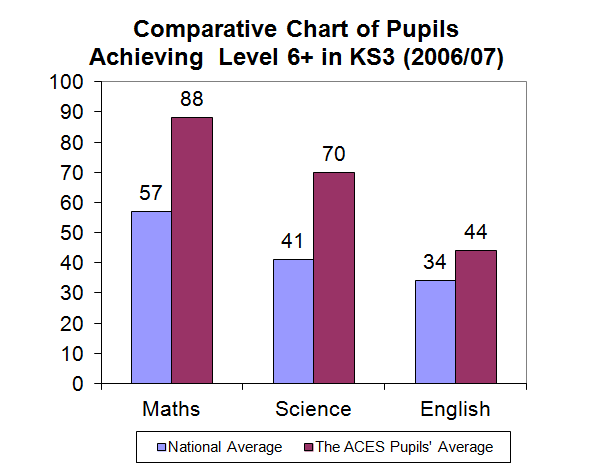
Department for Education and Skills’ (DfES) report for Children of Ethnic Minority in 2006/07 showed a bleak picture for students of ethnic minorities living in the UK – as they were all performing below the national average. However the picture was even more disturbing for Turks/Kurds because their children were the least performing out of all the groups that had a considerable size in the UK. I am hoping things have gotten better for the Turkish community since then as there have been many steps taken to stop this rot, especially by the Turks themselves. They have opened many supplementary and/or weekend schools all over the UK especially in London and Leicester where there is a considerable amount of Turkish/Kurdish migrants. In one of these weekend schools, called the Horizon supplementary school (located in Leicester), I obtained the Keystage 2 (KS2) and Keystage 3 (KS3) results of nearly 30 students (years 6 to 9) attending their classes and compared them with DfES’s findings. The results were surprising:

ks2 ks3

Overall, the Horizon school’s pupils had achieved higher in all subjects compared to the national average let alone other ethnic minority groups. The difference is greater in Maths and Science.

These results make it clear that given the opportunity, children of Turkish/Kurdish/Turkish-Cypriot background can perform as good as anyone, if not better. Therefore the Turkish/Kurdish community must carry on supporting the existing supplementary schools; and if possible improve on what they’re doing by opening more schools. This is why I’d recommend all ethnic minorities in the UK to follow the Turks’ example and support their children in achieving their academic potential. Educated children would not only be the source of good for the corresponding ethnic minorities, but also the British society as a whole.

Best wishes!


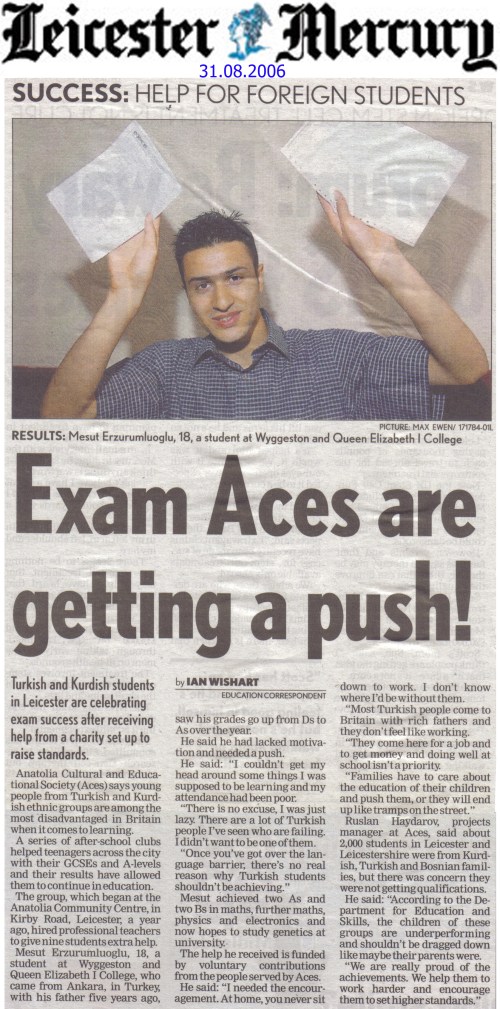
PS: To add to the comments above, the below newspaper article portrays my views in 2006 (when I had just turned 18). I do not agree entirely with it nowadays; would have worded some things differently…  🙂

Me in Leicester Mercury (August 2006)

Me in Leicester Mercury (August 2006)

Read Full Post »

Dialogue Society Logo

The Dialogue Society are doing an excellent work for social cohesion and the propagation of dialogue amongst faith leaders and different communities!

I’d fully recommend any youngster to go and volunteer for their activities/events! It would be a great experience for one to learn to respect others’ opinions whilst also making a contribution to the British society.

Especially their publications (e.g. Dialogue in Islam, Deradicalisation by default) are top notch!

For more info, see the Dialogue Society homepage: http://www.dialoguesociety.org/

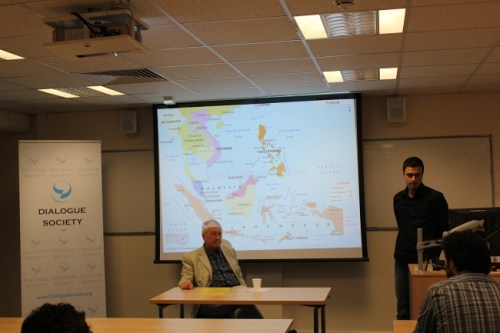
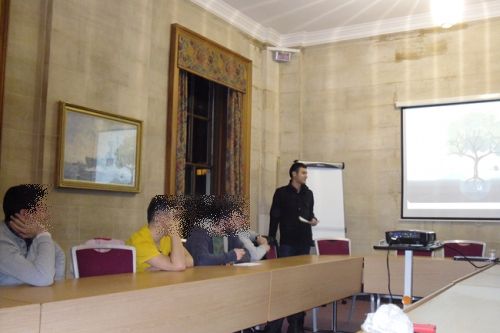
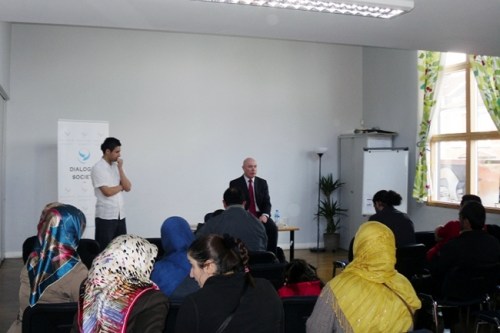
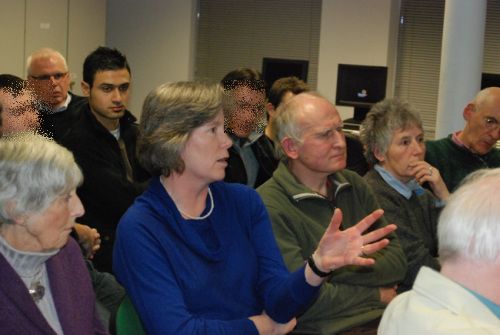
Addendum (Dec 2015): Just to show that I do not state things that I do not believe in, below is a few example photos of me volunteering for (and/or attending) the Dialogue Society – Bristol branch and Leicester branch events (e.g. as a presenter/chair, audience, event coordination).

leicester_council_of_faith_mesut_erzurumluoglu_dec_2015
Leicester Council of Faith public meeting – Presented the ‘Islamic perspective on the Purpose and Creation of the Universe’ (5th December 2015). An outline of my talk can be found here:

Dialogue Society 'Success School' certificate
Dialogue Society ‘Success School’ certificate (2012)

Book Review (27 Sept 2012) -  European Muslims, Civility and Public Life: Perspectives on and From the Gülen Movement
Book Review (27 Sept 2012) – European Muslims, Civility and Public Life

Public Seminar (27 Apri 2012): Malaysia - Affirmative Action for the Majority?
Public Seminar (27 Apr 2012): Malaysia – Affirmative Action for the Majority?

Public Seminar (18 Jan 2012) - Race in School Education
Public Seminar (18 Jan 2012) – Race in School Education

mesut_erzurumluoglu
Success School (4 Dec 2012) – Session 6 with UWE Vice-Chancellor Prof. Steve West

Public Seminar (30 Apr 2013) - The role of the Crown Prosecution Service
Public Seminar (30 Apr 2013) – The role of the Crown Prosecution Service

mesut_erzurumluoglu-2
Public Talk (19 Jan 2011) – Rising as a Civilisation: Which Muslim Countries Can Accept the Challenge?

Read Full Post »

Mesut Erzurumluoglu
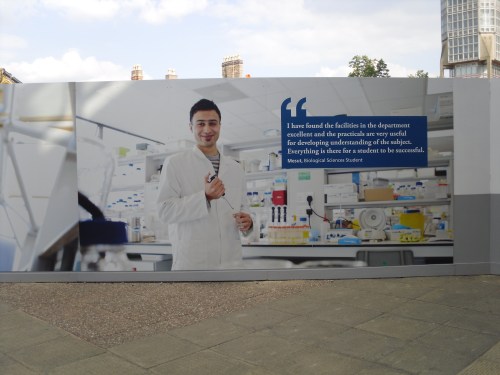
My Poster in front of David Wilson Library, University of Leicester, UK

The above lab photo was printed on a large billboard just in front of the David Wilson Library (during the refurbishment/renovations) at the University of Leicester (UoL) in 2011, and then in 2013. The photo was also used in the Biological Sciences sections of the 2011/12, 2012/13 and 2013/14 UoL undergraduate prospectuses – although I was a PhD student at the University of Bristol since January 2012. I was in the third (out of four) year of my PhD course but was still in the UoL prospectus as an ‘undergraduate’ 🙂

Me in University of Leicester Prospectus 2012/13

The university also included my views in the online version of the University of Leicester Biological Sciences prospectus and in a ‘Time management’ lecture:

Univ. of Leicester - Biological Sciences webpage
Univ. of Leicester – Biological Sciences webpage
Time management lecture
Apocryphal quote attributed to me: “It wasn’t that challenging, if you’re organised” was used in a ‘Time Management’ lecture (2016) given at the University of Leicester (by Dr. Alex Patel -see her comment below). Photo by Yasemin Alpdogan.

Read Full Post »

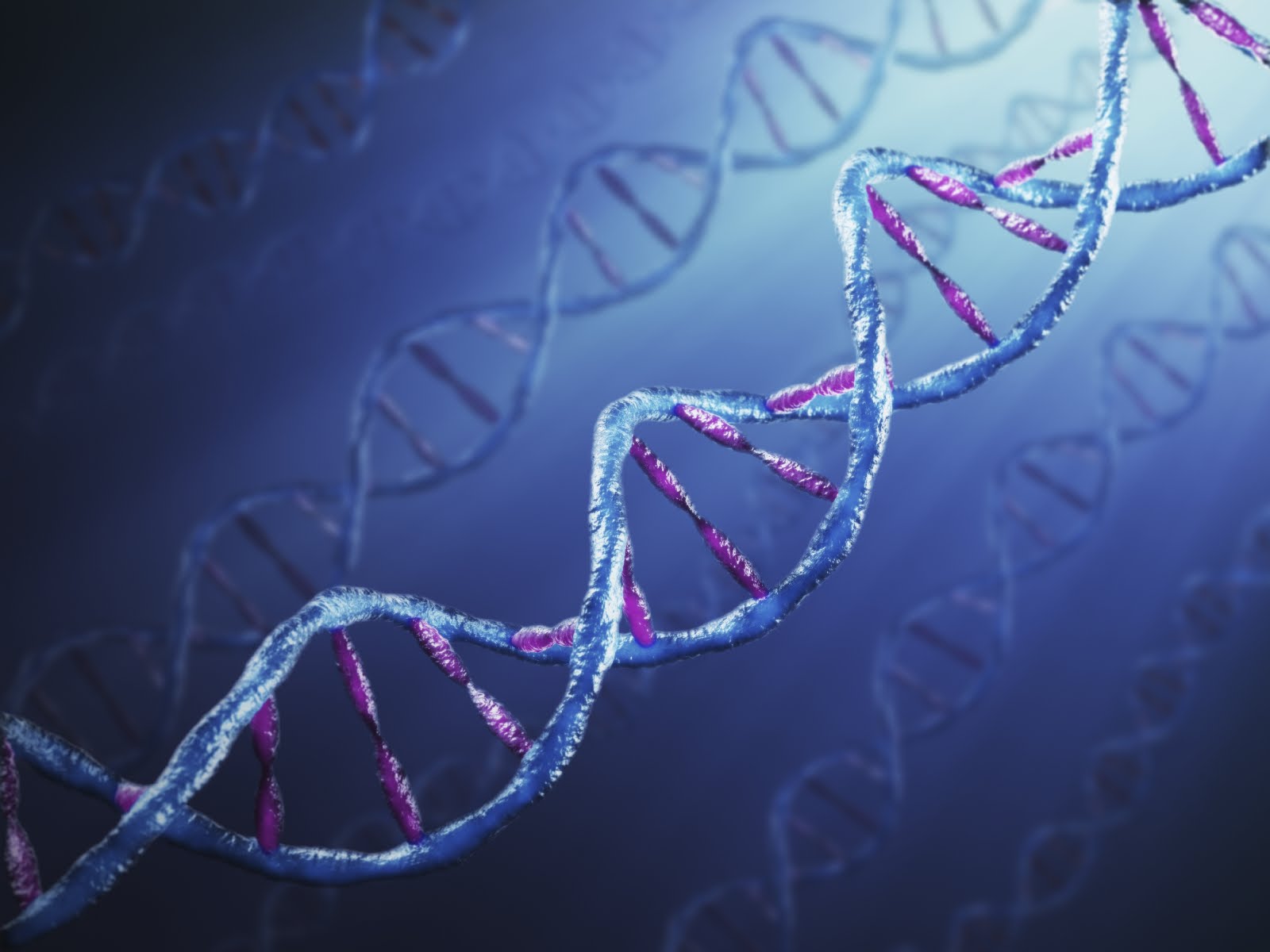
DNA

Structure of DNA – the blueprint of all organisms

Deduction of Human migrations and Ancestry through the use of Uniparentally inherited DNA

Our genome is made up of 22 pairs of autosomes and 2 sex chromosomes making up a total of 46 chromosomes. We inherit half from our mother and the other from our father. If you receive an X from both your parents, you will become a female; and if you receive a Y from your father (you will always receive an X from your mother) you will be male. This makes the Y chromosome (excluding the pseudo-autosomal regions) the only nuclear chromomosome which is uniparentally inherited (males inherit it only from their fathers and females do not have it). Because it does not have a homologous pair (like the autosomes do), recombination does not occur thus no mix up of DNA sequences occur. This is why it is unique in the way that fathers pass on the same DNA sequence to their sons without any change (except for a few spontaneous mutations). So if we could go back in time and check the DNA sequence of the Y chromosome of your grandfather 20 generations back we would see that you have the same as his (apart from minor changes). This is why information through the analysis of the DNA sequence in the non-recombining regions can be used to deduce an individual’s ancestry (Jobling and Tyler Smith, 2003).

Information from the Non-recombining regions of the Y Chromosome

The Y chromosome of many males from all world populations have been analysed and a phylogenetic tree which is rooted to Africans has been constructed (Karafet et al 2008). The same is true for the mitochondrial DNA also (van Oven and Kayser, 2008). Each branch of the tree is called a ‘haplogroup’ which is the term used to describe a group of individuals who share the same Y-DNA haplotypes (or mitochondrial haplotypes in terms of the mtDNA phylogenetic tree), thus share a common ancestor some time in history (Underhill and Kivisild 2008).

European males usually belong to one of the two major Y-DNA haplogroups: R and I (see eupedia.org)

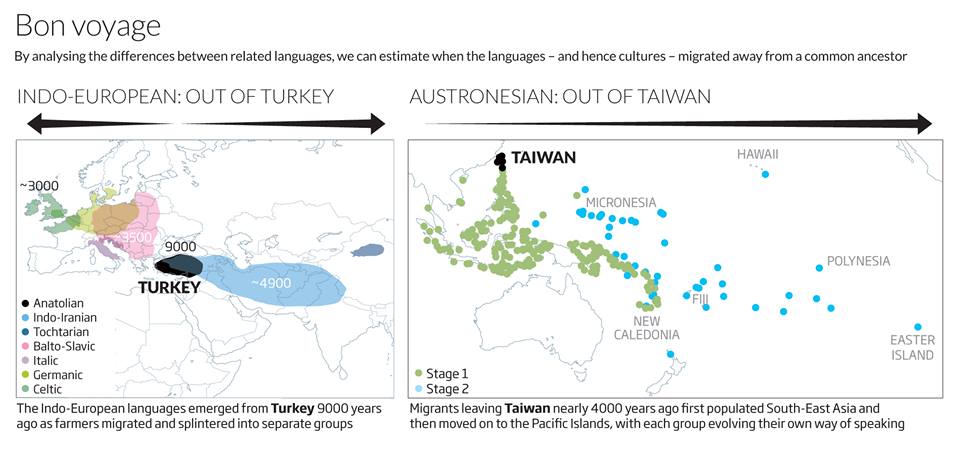
R is by far the most prevalent accounting to over 70% of males in Europe and I accounts for just over 20% (see eupedia.com for more information). What is intriguing however is that, through the analysis of the frequencies of the haplogroups in different regions of the world, haplogroup I seems to correspond to native Europeans whereas the R haplogroup seems to have arrived from Anatolia where present day Turkey is.

To conclude, there is definitely strong evidence that most European males share a common ancestor who lived in Turkey quite a few centuries ago. Human history is an intriguing area and genetics has a lot to offer to these studies!

Same for European languages?

Same for European languages?

For more information (ordered to help understand the issue better):

– Human Genome: http://en.wikipedia.org/wiki/Human_genome

– Y chromosome: http://en.wikipedia.org/wiki/Y_chromosome

– Mitochondrial DNA: http://en.wikipedia.org/wiki/Mitochondrial_DNA

– Origins, age, spread and ethnic association of European haplogroups and subclades: http://www.eupedia.com/europe/origins_haplogroups_europe.shtml

– Underhill PA, Kivisild T. 2007. Use of y chromosome and mitochondrial DNA population structure in tracing human migrations. Annu Rev Genet. 2007;41:539-64.

– Jobling MA, Tyler-Smith C. 2003. The human Y chromosome: an evolutionary marker comes of age. Nat Rev Genet. 2003 Aug;4(8):598-612.

– Karafet TM et al. 2008. New binary polymorphisms reshape and increase resolution of the human Y chromosomal haplogroup tree. Genome Res. 2008 May;18(5):830-8. Epub  2008 Apr 2.

– van Oven M, Kayser M. 2009. Updated comprehensive phylogenetic tree of global human mitochondrial DNA variation. Hum Mutat 30(2):E386-E394. http://www.phylotree.org.

Read Full Post »

Kamp Kardesler Logo

Kamp Kardesler logo – Rose symbolises the Prophet

Entertaining and educative videos by Kamp Kardeşler:


Please click here for Homepage in English

Youtube channel: http://www.youtube.com/user/kampkardesler


Lütfen türkçe anasayfa icin buraya tıklayın

Youtube kanal: http://www.youtube.com/user/MesuTurkey

Read Full Post »

« Newer Posts