by Dr A. Mesut Erzurumluoğlu | Principal Bioinformatician at Bicycle Therapeutics (formerly at Boehringer Ingelheim, and Univs. of Cambridge, Leicester & Bristol) – blogging since 2006. All views mine unless stated otherwise
Victorious Bicycle Therapeutics team in the final (From left): Mesut Erzurumluoglu, Steve Kouokam, Gavin Bennett, John May, Richard Stock (Captain & GK), Ashley Griffin, Martin Wilkinson. (Not in the photo:James Morgan, Nikola Sarnowska, Chris Lelliott, Alonso Haysom-Rodriguez, and Nikolaos Bournakas played in ≥1 matches in previous rounds)
After a slow start in the group stages, Mesut and colleagues at Bicycle Therapeutics (Tx) overcame several strong football teams – including the reigning (last two tournaments’) champions Illumina in the final – to bring home Bicycle Tx’s first ever sports-related trophy!
Mesut finished the tournament as top goalscorer with 12 goals in 5 games (missed 1st game v Alzheimer’s Research), including the winner in the final.
The 5-a-side football tournament was organised by Granta Park/BioMed Realty – the home of many pharma companies and biotechs in south Cambridge.
Results:
Group Stage (8th July-20th August)
Finished 2nd in Group B with 4 points and scraped through to the quarter finals on goal difference
Semi-Final (v 1st in Group A and winner of their respective QF)
BioMed Realty (aka Mighty Muntjacs) 0-5 Bicycle Tx (Mesut 0-1, Mesut 0-2, John 0-3 | Martin 0-4, Ashley 0-5)
Final (v 1st in Group C and winner of their respective QF and SF)
Illumina 0-1 Bicycle Tx (Mesut – 1st time finish from a curling cross by Ashley in the 1st half)
Granta Park Football Tournament Winners’ Shield – with Bicycle Tx engraved as the 2025 winners
Final Top Goalscorer table – for full details, see Score 7website (Note: Assists table not very accurate as many teams/captains did not submit or partially submitted them incl. us)
PS: There have been many layoffs at Bicycle Tx in August (see link for details) so this tournament was an important opportunity for us in terms of ‘team building’ – and show our pride in representing this great biotech and generate some positive karma.
We were underdogs and could only achieve what we achieved by working for each other and the team as a whole (e.g. we had several attacking minded players who sacrificed their style for the team and provided assists to me when they could have acted selfishly; the subs made no fuss and did their job when they came on)
“Which is more important? The journey or the destination?” asked Big Panda
“The company.” said the Tiny Dragon
Backstory
In September 2021 (as a 33 year old), I moved to (South) Germany with my wife and son – and joined the then newly formed Computational Biology (‘gCBDS’ in short) Department of Boehringer Ingelheim (BI) as a ‘Senior Scientist’ (and ‘Product Owner’ afterwards for ~20 months). I was <20th hire of the department (incl. leadership team), which went on to hire >100 in a short space of time. So I didn’t get much of a chance to loiter and had to learn quickly to be helpful to the ‘new hires’. The Human Genetics team was an even newer team within gCBDS and designed to be a truly cross-cutting one – so we dealt with all therapeutic areas (there was six at the time: Cardio-Metabolic, Immunology & Respiratory, CNS, Cancer Immunology & Immunomodulation, Cancer Research, and Research Beyond Borders – which was ‘everything else’). It was very challenging at first – especially as there were colleagues who didn’t believe in the power of human genetics/omics in drug target ID/validation/repurposing – but gave me the chance to: (i) meet colleagues who are experts in different fields and learn a lot about different diseases and their molecular causes/master mechanisms – and tweak my analysis pipelines and visualisations to their needs (published quiet a few papers with them too e.g. Jones et al., 2024; Kousathanas et al., 2024; Noyvert, Erzurumluoglu, Drichel, Omland & Andlauer et al., 2023; Qiu et al., 2024), and (ii) lead (or co-lead) important initiatives such as the Digital Innovation Unit (DIU)’s Biobank Project where I would come up with ‘solutions’ as Product Owner (PO) to make the biobank data that BI invests heavily in more ‘accessible’ to the CompBio and wet-lab colleagues and ultimately impact the portfolio – pitching for funding to the leadership team (obtaining >450k euros in ~1.5 years), presenting ‘business value’ (e.g. making certain analysis pipelines >25% faster and cheaper, pushing targets to portfolio), scouting/interviewing CROs, and leading subteams/project managers as part of my PO role. We were also one of the earliest users of the UKB RAP (UK Biobank) and Sandbox (FinnGen) platforms, and helped shape the Our Future Health genotyping array. Having a bit of influence in the External Innovation camp also helped with bringing Dr Richard Allen – a leading scientist in the genetics of Idiopathic Pulmonary Fibrosis (NB: BI has a blockbuster drug called Ofev used in treating IPF patients) – to Biberach for a week. I am proud of what we were able to achieve and I probably wouldn’t be able to do most of these at this stage of my career if I was to stay in academia or had joined Pharma companies with more established CompBio/Human Genetics departments e.g. GSK, AZ, and Regeneron.
As a family, we learned, saw and grew a lot as individuals, so I wanted to jot down a few sentences to share our experiences for Comp. Biologists curious about a move to (South) Germany and/or Boehringer Ingelheim.
As always, happy to take any questions directly and/or in the comments section!
Looking back
I want to start with the ‘goodbye’ email I sent (with the above picture from ‘Big Panda and Tiny Dragon’) to my colleagues on my last day – which summarised my feelings:
Dear all, I spent an action packed ~3 years as a fellow gCBDSer! Looking back, I not only learned so much as a scientist but also as a person. It would be too long to list the cultural, social, and emotional impact moving to Biberach/Germany had on me and my family, but we will never forget the teary eyes of many of our friends, neighbours, and Isaac’s kindergarden teachers/friends – we also shed a few tears to say the least. We enjoyed (almost!) every second of our time here and will be recommending BI as a great employer wherever we go. On this end, I thank Till (Andlauer) for contacting/encouraging me to join BI and the Human Genetics team – learned a lot from him. I was fortunate enough to help shape the Human Genetics Team from its early days – most notably, championing Mendelian Randomisation to virtually all the therapeutic areas (TAs) – but also be Product Owner (PO) of the DIU’s Biobank project, where we* graduated three solutions to make the Biobank data FAIRer (via self-service tools/algorithms, and integration with NTC Studio) and more impactful. We pinpointed that at least 27 targets (across 5 TAs) that entered portfolio were significantly supported by this data in the ~1.5 years I was PO. I also want to underline that we helped with the deprioritisation of even more – which I believe can be as important as validating a target. My family’s moved back to the UK last month as my wife started as a Lecturer at Warwick University and my son started school in Leicester. I will join a biotech after a little break (details will be shared on social media when I formally start). If you’re ever in the UK, we would be very happy to host you and/or catch up over a kebab, fish & chips, or a curry – on me as usual 😉 Mach’s gut! Mesut (on behalf of Fatma, Isaac & Newton)
*Too many people to thank but special thanks to Dr Boris Bartholdy, Dr Julio C. Bolivar-Lopez, Dr Johann de Jong, and Dr Hanati Tuoken – the Project Managers whom (co)led the solutions proposed to the DIU leadership team
Pros & Cons
Going back to the beginning: It was not an easy decision to leave our ‘comfort zone’ in Leicester (where I lived most of my life; see blog post for details) but we couldn’t pass up the chance to move to a country like (the South of) Germany, learn a new culture/language, and meet lots of new people – in addition to working for a ‘Big Pharma’ company (see my blog post when I was about to join BI). We decided to live in Biberach an der Riss from ‘Day 1’ (when many colleagues suggested living in nearby Ulm – the birthplace of Einstein) – and this small town with a population of ~40k grew on us quickly. You’re left amazed at how clean, safe, and economically productive the town is with the presence of large companies such as Liebherr, Handtmann, KaVo, and Baur – in addition to BI’s largest research centre (with >6k employees) being located here.
Let me summarise the ‘Pros’ first: 1- BI pays well (and provides a lot of benefits) – even for German standards (which is higher than UK standards!). The company is also quiet special in that it’s the largest private pharma company in the world – so the way things work are bit different than other ‘Big Pharma’ companies. So you can certainly ‘learn and earn’ well here! 2- The German system supports families well e.g. child benefit/kindergeld is ~250 euros per child and the tax class is (usually) lower, and kindergartens (in South Germany) are of very good quality and cheap compared to the UK (at least Leicester!). 3- South Germany is beautiful with lots to do. It’s also at the heart of continental Europe, so flights are very cheap (check Ryanair flights from Memmingen Airport) and a lot of places (incl. Eastern France, Switzerland, Austria, Northern Italy, Czechia) are within driving-distance. There are also a lot of unique festivals (big and small) and fantastic Christmas Markets, which are worth attending at least once (see tweets below)
It’s not easy to pinpoint the challenges you personally might face at the Biberach site – as everyone’s context is different – but I’ll list the ones I personally struggled with (at least for some time):
Watch out for: 1- You’d need to learn a bit of German to get along with the older generation in South Germany – as they get annoyed if you talk English to them directly. Try learning at least basic German – then they also try to help and speak English with you if needed 2- Rent and living costs are high in Biberach (and Ulm). Thinking of buying a decent house? Better have a massive budget or forget about it! Housing market is even worse than the UK! 3- Do not argue with the police/government officials – or appeal their decisions (see ‘Anecdotes’ section below too). You will likely get double the fine with nowhere to complain. Things are a bit devoid of common sense when it comes to state matters. As an example from my own experience, an officer suddenly puts up a sign on our street to state that there’s no parking for a certain amount of time. But the sign that says ‘Residents only/free’ was still up there. So I had parked my car on my usual spot. I see the officer writing a ticket and go over to him to ask what was happening. He explains the situation and I apologise, show him the sign that confused me, also noting that I was new here. I assumed he hadn’t issued the ticket – but of course I was wrong. I then appealed the ticket to explain the situation (with photo evidence of the signs) but it was rejected – and this time with twice the fee. Another example: During the pandemic, my wife and son were made to queue outside for some time to let other passengers through. My (4 year old) son was about to burst and needed the toilet but the police didn’t allow him – no matter how many times she asked. This would almost never happen in the UK 4- Non-German take-aways/restaurants aren’t at the same level as the UK (at least nowhere near Leicester!). It can also get boring in the evenings and Sundays as most places are closed (see below to see what we were up to). 5- The turnover in BI’s CompBio department is high (a huge waste of resources unfortunately!), so get ready for many ‘welcomes’ and ‘goodbyes’. This is partially due to company/HR (e.g. miscommunication, false promises before joining, not allowed to live far from Biberach) and/or the leadership team-related issues (e.g. lack of empathy/care and/or power to keep ‘junior’ talent happy) but not always – and colleagues have cited a variety of other reasons (e.g. spouses struggling to find jobs, weather, not being able to integrate to South German society).
Why did I leave?
I resigned mostly due to family reasons – as my wife (who has a PhD in Law) was not able to find a job for >2 years in/near Biberach that also allowed hybrid or remote work. BI – which I believe will change for the better in this regard (but too late for me and family!) – doesn’t allow even Computational Biologists to live too far away from Biberach, which made it much harder for her as there were nice opportunities at international Law firms in/near Frankfurt and Berlin. Before I signed, we were reassured by an HR colleague that BI’s Legal Team should be able to find something but unfortunately not much came out of my wife’s endeavours. In addition to the disappointment regarding the lack of help from HR, Legal Team members, and my own boss(es) regarding my wife’s situation, I also wasn’t very happy with the direction of the team/department and – although I didn’t ‘downtool’ – it made it easier for me to leave my well-paying permanent position and look elsewhere.
Once my wife found a job at a prestigious university in the UK, I also looked around for UK-based posts that fit my skillset, ambitions and (were likely to have) met my minimum salary and flexibility expectations. After two rejections at the panel interview stage for senior roles (i.e. at Director and Assoc. Director level) at Big Pharma companies, and four strong applications not concluding due to (i) cancellations (e.g. the interview process took >5 months in one application and the company/HR changed hiring priorities due to people leaving; another post was closed due to relocation to the US), (ii) potential conflict of interest as they had signed recent contracts with BI or (iii) ‘being overqualified’ and/or ‘being expensive’ (note that I wouldn’t have applied if I wasn’t happy with the title/role and/or salary), I decided to push different buttons and try to revive my data science/infrastructure business ‘data muse’ (datamuse.co.uk) – which I had initially set up with my sister (a successful businesswomen/data engineer) during the pandemic and then stepped down when I got hired by BI. I thought it was a good time for me to explore different sectors and it turned out to be a good decision (in the short term) as I widened my UK-based network and forged alliances with a Cambridge-based biotech (working as their Lead Comp. Biologist in ‘stealth mode’) and two SMEs (incl. a consultant role). However, I also had several applications progressing (incl. a Team Lead position at a very prestigious Aerospace company) and one biotech really ticked all the boxes for me: Bicycle Therapeutics – a biotech with fantastic potential (see their pipeline), nice culture/people, very good benefits and where I can learn a lot (e.g. had never worked with ‘bicycles’ before). I will (handover hands-on responsibilities at data muse and) formally start in January 2025.
Conclusion & Anecdotes
Long story short, I not only learned and travelled a lot (in Continental Europe, LA & South East Asia) but also earned/saved enough money during my ~3 years at Boehringer to (be in a position to) buy a house in a nice neighbourhood in my home town (i.e. Leicester). I also got to use the Agile/Atlassian Project and Team Management tools (e.g. Jira, Confluence), which I also utilised at data muse. As a family, we made many lifelong friends, which I see as the biggest gain.
I would certainly advise anyone to give BI at least a try should the right opportunity arise.
I want to finish with three (tragicomical) anecdotes – showing the good, the bad and the ugly side of ‘our journey’: 1- Although I was headhunted for the position at BI and had a very nice chat with Till Andlauer (1st hire and very senior member of the Human Genetics team – who persuaded me to apply), my initial application was rejected by HR. After two days of feeling betrayed (I was naïve at the time), I reached out to Till to ask why I was rejected and he told me there must have been a mistake. The same day HR writes back to say they made a mistake and I will be invited for a panel interview soon.
It was a good lesson on how ‘diligent’ and coordinated HR can be with some of these applications – and how much role luck (and making your own luck) can play!
2- For our arrival to Germany, our assistant had purchased a ticket to Munich airport from London. When we arrived, all the rental cars were gone (rent before arrival!). So we decided to ask for a taxi. When the taxi driver asked for >300 euros to travel to Biberach, I – still with the ‘Academia/Postdoc mindset’ (and not listening to my wife!) – decided that we would try the Deutsche Bahn/train (which cost ~40 euros). Normally, there would be 3 changes (Airport -> Munich -> Ulm -> Biberach) but we didn’t know/realise there were strikes that day (quite common!), so we ended up in Stuttgart rather than Ulm – which is further away. Took us >5 hours to get to Biberach! It was midnight when we arrived at the Biberach Bahnhof/Train Station and the first thing we see is 7-8 young adults having a serious fight with broken bottles being thrown about (we’ve lived there for 3 years since and never saw anything like it!). I was getting ready to defend my family in case they came close to us but thankfully we quickly found a taxi (driver who knew some English) who took us to our guest apartment. The apartment flat was a bit stuffy, so we opened the windows and (not exaggerating!) hundreds of mosquitos came in (we never had a mosquito problem in Leicester). I spent an hour killing them 😐 When I met my colleagues on my first workday, I asked how they (i.e. the cross-border hires) all travelled to Biberach and every single one said they used the taxi – as they knew the company would reimburse. You learn from these experiences I guess 😀
3- At the time of writing, Blue Card holders (which we were) are entitled to permanent residence in Germany in 27 months if they learn basic German (certified A1 or above) and pass the ‘Leben in Deutschland’ test. There was also a newly created ‘Highly-qualified worker’ visa (Sec 18c ResA), which does not specify any criteria on the website other than having ‘special expertise‘. Although we were planning to leave Germany due to my wife’s situation (no formal resignation yet), because we were very happy and wanted to keep in regular touch with our friends here (and even live here again if the right opportunity arose for both myself and my wife), I decided to go for this visa type – as I didn’t want to wait 4-5 months for a spot to enter the ‘Leben in Deutschland’ test in Biberach (I already had a A1 certificate with a ‘Sehr Gut’ grade from the Goethe Institute). I wrote a cover letter explaining why I wanted to apply and why I was qualified – enclosing my payslips, CV, Tax returns, proof of address, my son’s school details etc. Turns out I was the first one to apply via this route in Biberach. Of course, this lack of clarity in the criteria created a big dilemma for the case worker and it took some time for her to do her research and get back to me. She then told me that I had to provide documentation that I would be able to sustain myself and family permanently (which is a huge criteria that she/her boss pulled out of thin air). I wasn’t going to reply initially (as I had now formally resigned from Boehringer and was returning to the UK in ~4 months) but later underlined what I wrote in the cover letter (e.g. highly-cited papers in the field, Top 2% earner in Germany, permanent contract) in a last bid to get a permanent visa – of course to no avail. That was the end of it for me but not for her – and showed a side to German State affairs that we are not used to in the UK: Turns out she contacted BI to find out that I had now resigned and gave my name to the authorities to issue a fine to me (due to not informing the authorities of my resignation). I paid the fine but also wrote her the below email:
I received a letter today, titled ‘Anhorung im Bussgeldverfahren’ from the Biberach Bussgeldstelle. It seems like you told them that I did not inform you/Auslanderstelle regarding my resignation from Boehringer Ingelheim. I am not sure why you decided to do this without telling me first – as I thought/understood that Boehringer Ingelheim would tell the authorities about my resignation. I hope you understand that I am not fully knowledgeable about the workings of this country – and it would have been kinder if you had informed/warned me first. The big problem for me is that you treated me like I’m trying to stay here as an illegal immigrant. I am an established scientist whose CV includes highly-cited academic papers in some of the best journals. I was also chosen ‘top performer’ for consecutive years in my group at Boehringer Ingelheim. I had a permanent contract here and I decided to terminate it as we – as a family – found better opportunities in the UK. You’ll be happy to hear that we are leaving Germany in a month’s time and will deregister as soon as possible.
Biberach an der Riss commemorated on the Arc de Triomphe in Paris – as Biberach was the battleground of two Napoleonic Wars (1796 & 1800). Photo credit: Fatma Nursima Arslan (July 2025)
Notable things about Biberach an der Riss:
-Historical city: Imperial Free City (1281-1803), and battleground of the Thirty Years’ War (1618 -> +30?) & two Napoleonic wars (1796 & 1800 – see photo above) -The Biberach Donkey (a story by the writer Christoph Martin Wieland; see summary here) -Birthplace of Heinz H. Engler – who designed the first system tableware in the catering industry (Link) -Birthplace of Loris Karius – Liverpool’s Goalkeeper in the 2018 Champions League Final (don’t watch the highlights!) POIs closeby: (Clustered POIs close to eachother) -Burrenwald/Kletterwald -Baltringen (Fossil site) -Federsee/Wackelwald (Bouncy forest) -Erwin Hymer (Caravan) Museum/Tannenbuhl/Bad Waldsee -Öchslebahn -Kürnbach Museum (watch out for special events) -Jordanbad (we used to go to this spa almost every weekend with my son) Nearby cities/POI to visit: <1.5 hours driving distance: -Ulm (Einstein’s birthplace, home of the Löwenmensch) -Ravensburg (birthplace of the Ravensburger puzzles) -Konstanz/Meersburg -Lindau/Bregenz -Breitachklamm/Oberstdorf -Neuschwanstein Castle/Füssen -Nördlingen -Northern Switzerland: Schaffhausen (Rheinfall), Zürich, Basel -Eastern France: Strasbourg, Colmar/Riquewihr
Related Tweets:
One of the best things about living in South Germany: being very close to the Alps.
— A. Mesut Erzurumluoğlu (@mesuturkiye) July 18, 2022
Almanya'nın çoğu yerinde 'Schutzenfest' (atıcı/nişancı festivali) var bu aralar ve 10 gün sürüyor bizim şehirdeki.
Dün de bu sene 95, 90, 80, 70 vs. (40'a kadar) yaşına girenlerin sırayla yürüdüğü bir geçit töreni düzenlendi ve geçenler tek tek alkışlanıp, hediyeler verildi. pic.twitter.com/t0Af1mdWhx
— A. Mesut Erzurumluoğlu (@mesuturkiye) July 17, 2022
Was great to host my friend and former colleague @rjallen513 – a leading scientist in the field of Genetics of Idiopathic pulmonary fibrosis (IPF) – at @Boehringer‘s main research site in Biberach and also show him landmarks nearby.
My comedy attempts – inspired by my interactions in Germany 🙂
When Friedrich, Eberhard, Schneider etc. are considered 'hard to pronounce' 😃 pic.twitter.com/o2PIxqF5f3
— A. Mesut Erzurumluoğlu (@mesuturkiye) July 16, 2023
My perceived level of respect given to researchers/scientists in the three countries I've lived in so far 😀😂😄 🇬🇧🇩🇪🇹🇷 (My 1st meme attempt) pic.twitter.com/R89qLMbNUB
— A. Mesut Erzurumluoğlu (@mesuturkiye) July 26, 2022
— A. Mesut Erzurumluoğlu (@mesuturkiye) June 30, 2024
I’m selling a barely used #Ger T-shirt if anyone is interested 😂😅 (I also have an #Eng one that’s not for sale 😏)
As a side note, I don’t know a single player from #Japan’s team – I could easily name 5-6 players from their previous WC squads. Great TEAM! #FIFAWorldCuppic.twitter.com/I1eJxs20KY
Shout out to my German speaking colleagues/friends. Please help Google Translate's algorithm get better 😂 I need it often! (I love how it capitalised all the nouns though!) pic.twitter.com/m5lnqODhso
Maldini was one of my favourite players and the above quote from him is one of my favourite football-related quotes. I love watching and learning from people who are masters of their craft and see the true essence of their job*
Introduction
As a 13-year old playing as a forward (‘number 9’) for a prominent football team in Leicester (Highfield Rangers) – and at a cross-roads in my (potential) football career, I was (wrongly) diagnosed with meniscitis and told to stay away from any intense sports for ~6 months. As football was my only passion at the time, I couldn’t resist a kick-about with my school mates and ended up damaging my knee even further. I would have very intense pain for days after every game. I went to another doctor for help and he diagnosed me with Osgood-Schlatters disease, which is a common cause of knee pain in growing adolescents who do intense sports. It’s certainly not as bad as meniscitis and many players who reached the top like Steven Gerard and Paul Scholes have it. So, if I was diagnosed correctly at the time, I could have got away with a couple of weeks’ rest and regular ice pack treatment until my growth spurt ended – which I probably would have obliged. So (i) the wrong diagnosis, (ii) my inability to withstand my desire to play football, and (iii) not having someone to guide me in my early football career gave me the worst possible start. Before the injury, I was the top goalscorer of the U15 team – mostly thanks to being very fast** and having a very good technique – even though I was one of the youngest and shortest at the time (I’d like to also think I was quite intelligent for my age too). Pains me to say this but, living in Germany now – where even teams in the Kreisliga (like Division 10 in the UK) have access to good resources, I can also better see that the UK or a city like Leicester was not the best place for a young player like me (see the three points in bold above). Maybe if I was in Germany, I would have been better treated and educated, and could have made a fresh start.
After the intense pain (mostly) went away in a year or so time, I started to play in football tournaments every now and then, and won a few prestigious cups (incl. local 5-a-side Goals tournaments) but always felt that I (even as a 15 year old) was now too late for professional football in the UK, so decided to concentrate on my studies – which I have no regrets over. What I do regret is that (our peak physical) life is too short to fully commit to different careers – if having a football career was an option now (i.e. as a 34 year old now, I would still be at my peak physical condition for the next 10-15 years let’s say), I definitely would have given it a go just to see how far I could go. I did have a successful Leicester Sunday League (2007-10) and University of Bristol Staff League (2012-16) career though 😊
Anyway, after a slightly longer introduction than anticipated, let’s move straight to some things I picked up from my experiences but also others’:
General advice
Thinking about being a player you would hate to play against is a good start to set up the foundations for development. The most annoying oppositions for me were physically strong ones that never gave up – even after 3-0 down
Technical talent is overrated. ‘Hard work’ definitely beats ‘talent’ if talent doesn’t work hard (attributed to Tim Notke – a basketball coach). When talented people work hard and continuously improve themselves, then they become unstoppable – Ronaldo and Messi being perfect examples
Being available is the most underrated skill***. Keeping fit and ready (even if when not first pick) throughout the season is the reason why some ‘not-so-skilled’ players have had very successful and long careers at the top. I used to also think that the Golden Boot being awarded to a player who scored 1-2 extra goals than the 2nd player who played 10 games less was unfair but I now fully support it – same with the Golden Boot being shared although one player played many more games
Learn from the wins as well as the losses – analyse what went well also, not just what went wrong
Ask your coach and friends what you can improve on – this will be an eye opener, even if you don’t agree with them
Study yourself first and then study the best similar-styled players. Read autobiographies of these players and analysis books (e.g. do you know what POMO is?), listen to podcasts (e.g. The Athletic, Football Ramble), and watch analysis channels such as Sky Sports Football (and related channels e.g. The Overlap) and Tifo Football. Making a Football Manager-style summary card for yourself could help (Advanced: once you’ve honed your strengths and worked on your own weaknesses, study your likely opponents and learn to exploit their (potential) weaknesses e.g. if a defender or a goalkeeper is known to be eccentric – as a striker applying pressure, you know they might try to not just hoof the ball up the field every time but fake a kick and try to get past you at some point. Be prepared to nick the ball off them when that opportunity comes)
Best players are not right or left-sided, they use either foot almost as good
Have short and long term plans – and when an opportunity comes, see whether it fits with those plans. If you’re not on track to achieve those goals, talk to manager and experienced mates to get their advice
Do whatever gives you an extra boost pre-game – whether that’s listening to a certain type of music and/or praying – as most games are decided on small details (even many of those that finished 3-0)
Think of ways to become (one of) the coach’s and fan’s favourite. This will ensure that you’re playing and give you another chance to shine – this is what each game is! For the coach, showing that you’re listening and trying to keep to his tactics is key. For the fans, having tidy hair, clapping after the game and/or chatting with them after the game will go a long way. Using social media wisely is also important once you start accumulating follower – get at least one person to have a look before posting something
Playing for the national youth teams of smaller footballing nations is a great way to make a name for yourself – without committing to them for the rest of your career. So if you have citizenship and/or ancestry from these nations, contact their coaches and maybe you’ll get a call up even if you’re not playing in a top (youth) team. For example, a friend of mine had Antiguan ancestry and played for the Antigua and Barbuda National Team at a young age – and even played against the USA
Try to find yourself an English-speaking agent from a young age – to help with your visibility when you’re ready to make the jump
Advice to forward players
Number one priority for a striker is to score and directly assist goals. Getting involved in team play, winning headers, pressing defenders, defending corners etc. are all secondary and should not hinder your first priority. Only add these to your game once you’ve mastered your main job. Haaland is a perfect example of this – he can definitely improve on the other aspects but as long as he’s scoring at his current rate, no one will mind.
Best strikers ‘lead the line‘ (e.g. Ronaldo, Rooney, Drogba, Ibrahimovic, Lewandowski, Shearer, Benzema****), therefore you must be strong physically and mentally but also have a leader mindset. If you’re not a natural leader, then take courses and/or read books to become one. You are the most important player in the team and therefore must be able to handle the responsibilities and the accompanying pressure
Football is a team sport, thus learn to work with your team mates to make space for yourself. There’s a reason why Ronaldo and Messi consistently scored a large number of goals every year: not only are they masters on the ball but off it too (e.g. if teams blindly concentrated on stopping Messi, then Suarez or Neymar would have also destroyed them. Messi utilised Suarez and Neymar’s runs to consistently make space for himself and score). It’s also OK not to score in a game if you played ‘well’ (e.g. directly contributed to the team’s win by assisting a goal) and the team won.
Best strikers make it look easy and usually score with their first touch where possible (max 1-2 touches before finishing). If you find yourself doing a lot of work before scoring, then reanalyse what could be made efficient. Especially work on first time finishes (of all sorts e.g. whipped, floated and slow crosses, penalties, volleys, tap-ins, headers – utilising both feet) – as defenders and/or keepers have a much increased chance of closing the angle or blocking a shot with every passing millisecond
As a striker, you must have a thick skin and be oblivious to abuse from (cunning/dirty) defenders and the opposition supporters. I was elbowed by a defender once and the referee didn’t see it. I got so angry and wanted to punch the guy but – even in the heat of the moment I was calm enough to realise that – if I did, he would have got exactly what he wanted. I told the referee about it to make him aware and carried on with my game
Learn to quickly forget any missed chances and not letting your head down. You will have plenty of chances to rectify any misses – if not this game, then the next. Learning to miss and forget is so important that I would recommend actually training for this. Do some ‘missing sessions’ (e.g. hit the ball nicely but deliberately miss a chance in training) and simulate how you would react. Even the greatest strikers miss gilt-edged chances but they usually do so in a cool way e.g. they hit the ball sweetly over the bar – not scuff it 😊
Learn how to slow down games when time is on your side e.g. you’re 2-0 up after 80 minutes. I do not mean time wasting by faking an injury but running to the channels when you have the chance and keeping the ball as further away from your goal as possible. Also, keep your head up and see if other team mates are running with you – if yes, pass to them, if not, try to win a throw-in or corner by hitting the ball to the opposition. If you don’t have the chance to run, always put your body between the ball and defender so they have no choice but to foul you or let you keep control of the ball – which will give you the chance to pass or make a run yourself. The main aim is to win and anything that puts this at risk should be avoided (see France v Bulgaria 1993 for a famous example). Only if the game is surely dead (e.g. 3-0 with five minutes to go) or it’s not an important game, then you can go for ‘stat padding’ – otherwise slow the game down
Being unpredictable will make you unstoppable. This is why being able to shoot from distance and/or chipping over a keeper, using both feet and head, coordinating with team mates to make dummy runs etc. will make you a nightmare for defenders
Many goals are wasted because a striker can’t keep with the offside line before the ball is played. Speeding up horizontally before making a sprint towards the goal has to come naturally. As this also requires coordination with your team mates, they should recognise your run/’signal’ before they attempt the pass – and vice versa. Work on this until you get it right – also Google ‘Beating the offside trap’ and you will find many nice examples (Google everything!)
In line with the point above regarding exploiting your opponent’s (potential) weaknesses, if you observe that a defender is prone to reckless sliding, there will be an opportunity to win an easy penalty as some point. I have seen Aguero and many other master strikers do this: As you’re about to shoot, if the defender slides from the slide to block you, you can use your feet to shield the ball and – although potentially painful – he will slide through you and knock you down. To find identify opportunities such as these, if possible, watch a game your direct rival defender has played poorly in
I hope these were useful. Please provide feedback as I would like to improve this post – I’m also happy to elaborate any point made here.
Thanks for reading!
Footnotes
*Another quote I love – I believe by Sir Bobby Robson, the legendary English manager – that I have heard years ago but haven’t been able to validate is (something like): “When the fans want you out, the board will stick by you. When the fans want the board out, get ready to pack your stuff“
**Got a gold certificate at school for running 100m in ~12.0 seconds
***Giroud is a great example for this. He’s the all-time top goalscorer of the (Men’s) France National Team
****Deliberately kept the list long to show the different types of successful strikers
Below is a short book that I wrote for my son, Isaac. Sharing it here for you to enjoy but also as encouragement/inspiration to write your own books for your children and/or loved ones – as I have limited writing skills and virtually no drawing skills and used AI-driven approaches to illustrate the book.
Feel free to download, print* and/or disseminate. I also plan to write it in Turkish if and when I have the time.
Important Note: Please do not edit my son’s images in any way or use it in another medium
I hope to update the book with other conversations if and when I have the time.
Footnotes:
*if you decide to print (this or your own document), I would recommend printing on A4 paper using the ‘Booklet’ option and checking the ‘Auto-rotate pages within each sheet’ and ‘Print on both sides’ boxes. Any questions, please let me know.
Backstory: I joined the Human Genetics team of Boehringer Ingelheim Pharma (in South Germany) ~6 months ago and as part of our ‘team responsibilities’, it was our turn to give a short presentation (technically called a ‘Safety Minute’) on a health & safety issue of our choice (e.g. how to ride a bike safely, safety in the lab). I rolled the lowest value within our team and therefore had to choose the topic and give the presentation. I didn’t feel like I could lecture the attendees/my colleagues on German laws or working in a lab filled with chemicals – as I recently moved to Germany and spend my entire working day in front of my home PC. So I thought it would hopefully be interesting for them to hear what are the small things (therefore must-do things like cleaning teeth properly incl. flossing, getting vaccinated, doing sports or having a first-aid kit nearby* is not mentioned here) I do at home (office) for my physical and mental wellbeing and then they could take what they wanted from the presentation but also comment on what they found interesting or even wrong – so I could learn from them too. Needless to say, many enjoyed the topic and shared their views with me during the call or via email afterwards. I therefore wanted to share the presentation in my blog too for the same reasons.
So in preparation for this topic, I had a look around my home and made a list of the small things that I do for my physical and mental well-being (NB: of course anything I do for my physical wellbeing affects my mental well-being too) – in no particular order:
Physical well-being
I (try to) start the day with some face exercises
I try to keep my home clean and wash the dishes before going to bed (get a dishwasher if you can!)
I have a few wrist & elbow rests on my table to prevent tennis/computer elbow
I make time during my lunch break to have a proper ‘Turkish breakfast’ (see slide): e.g. Fresh bread/baguette, Omelette (e.g. Menemen made with top/”0″ class eggs, ‘sivri’ pepper, and good quality chopped tomatoes), green and black olives (in high-quality olive oil), variety of fruit, yoghurt (with mint), and good-quality spices e.g. pepper, chilli flakes…
I eat a teaspoonful of Manuka Honey every day (UMF 15+), take ‘A-Z’ vitamin & mineral supplement once a week, and try to have fruit on my table to nudge me to eat more (I should do this with water too!)
Once a month (or every two months), I rinse my sinuses with saline solution (made using high-quality salt and filtered lukewarm water) using a Neti syringe. I used to suffer from sinusitis (and consequent migraines) almost every 2-3 days before I started doing this
I gargle with antibacterial mouthwash or salty water once a day – doing this continually has cured my chronic tonsilitis, cough (from nasal drip) and bad breath
I don’t eat anything after 9pm (only water or high-quality jasmine/linden tea allowed). I find that brushing my teeth somehow signals to my brain that I will not be eating – and the urge to eat (mostly) stops
I set a reminder on my phone at ~9:30pm everyday to do some exercise such as (15x) crunches, push-ups, pull-ups, and leg-ups – if I haven’t already done some cycling or football/basketball training that day (making sure to apply Sudocrem or Chamois cream to jock area to prevent skin damage/jock itch due to friction)
I try to get a ‘good’ sleep by sleeping no later than 12pm. I also raise my thorax & head (cured my reflux/stomach – used to feel like garbage in the morning) and put ‘night-mode’ (i.e. switch to warmer colours) on my mobile phone before sleep
Currently obsessed with these short Latin phrases of wisdom – looking for more: Per aspera ad astra (through hardships to the stars) Amor fati (love your fate) Memento mori (remember that you will die) pic.twitter.com/TVzJ2SCxk8
— A. Mesut Erzurumluoğlu (@mesuturkiye) April 1, 2022
Mental well-being
I am shameless at getting help from friends who are more knowledgeable than me on respective matters and this saves me so much time and hassle
I made sure my internet was fast enough to not cause me trouble during meetings and webinars. It can be draining to let it linger and it is certainly worth the additional 10-20 euros/pounds a month if mostly working from home
I try to keep my home tidy and spacious by selling/giving away unnecessary stuff (e.g. if I don’t use something for ~6 months, then I can do away with it)
I open the windows and meditate/sit/lie on the floor several times during work hours. Also having a head massager is a (cheap) luxury which is well worth it!
I have photos of people (e.g. my family) and quotes (see slide for example) that make me happy and/or motivate me on my office desk/table**. Having a digital photo frame (set to ‘random’ mode) also helps massively to make use of photos on my PC.
Leaving the home is important e.g. I go nature parks and/or to the cinema (and/or a restaurant) at least once a week with my family and/or work colleagues
I play Wordle (both Turkish and English versions), a strategy/puzzle/mystery game (e.g. Professor Layton, Minesweeper or Brain Training on my Nintendo DS), and/or Sudoku every morning to start the day with a challenge that gets me going and the brain working
I look at the stars and planets during the night using an app called ‘Sky Map’. I also check out Google Earth, and Explore.org every now and then to observe elephants, eagles (nests), safari animals etc. live
I don’t read the news in the morning – especially during stressful world events (e.g. Russia’s unlawful invasion of Ukraine)
I hope the list was useful. It is also available to download here as a Powerpoint slide:
*I also keep an easy-to-eyeball first-aid guideline on my desktop – you can either buy a poster or a digital copy (like the one below) and keep it on your desktop
**I also keep a magazine or book that entertains me nearby; or have a favourite video/podcast list on my YouTube/Spotify accounts to fall back on when I want to discharge
A farmer and his son had a beloved stallion who helped the family earn a living. One day, the horse ran away and their neighbours exclaimed, “Your horse ran away, what terrible luck!”
The farmer replied, “Maybe.”
A few days later, the horse returned home, leading a few wild mares back to the farm as well. The neighbours shouted out, “Your horse has returned, and brought several horses home with him. What great luck!”
The farmer replied, “Maybe.”
Later that week, the farmer’s son was trying to break one of the mares and she threw him to the ground, breaking his leg. The villagers cried, “Your son broke his leg, what terrible luck!”
The farmer replied, “Maybe.”
A few weeks later, soldiers from the national army marched through town, recruiting all the able-bodied boys for the army. They did not take the farmer’s son, still recovering from his injury. Friends shouted, “Your boy is spared, what tremendous luck!”
To which the farmer replied, “Maybe.”
IMPORTANT NOTE: EVERYTHING I WROTE BELOW ARE MY OPINIONS AND REFLECT MY EXPERIENCE IN ACADEMIA (IN THE UK) – AT THE TIME OF WRITING. THEREFORE, THEY PROBABLY WILL NOT APPLY TO YOU. ALSO, PLEASE READ FROM START TO FINISH (INCL. FOOTNOTES) BEFORE POSTING COMMENTS.
I'm delighted to announce that I'll be joining @Boehringer's (Biberach/Germany campus) Human Genetics team as a 'Senior Scientist' in September.
— A. Mesut Erzurumluoğlu (@mesuturkiye) June 21, 2021
Very soon, I’ll be moving to the ‘Human Genetics’ team of Boehringer Ingelheim Pharma (BI; Biberach R&D Centre in South Germany) as a ‘Senior Scientist’. I therefore wanted to look back at my time in academia and share my suggestion and concerns with other PhD students and early-career researchers (ECRs). Any criticism mentioned here is aimed at UK-based (research-intensive) academic institutions and “the system” – and not at any of my past supervisors/colleagues. The below are also going to be views that I have shared in some of my blog posts (e.g. Calculating the worth of an academic; Guide to an academic career in the UK; Bring back the ‘philosophy’ in ‘Natural philosophy’; What is success? YOU know better!) and with my colleagues throughout the years – and not something that I am just mentioning after securing a dream (will elaborate below on why I called it a ‘dream’) job at BI. (NB: See ‘Addendum (23/12/21)’ section, reflecting on my first 4-5 months at BI’s Human Genetics team)
To do my time in academia justice, I’ll get the good things out of the way first: I’ve been doing research for >10 years in UK-based academic institutions – first as a PhD student (Univ. of Bristol 2012-2015), then as a (Sn.) Postdoctoral Research Associate (2015-19 Univ. of Leicester; 2019-2021 Univ. of Cambridge) – and enjoyed almost every second of my time here. I met many world-class scientists but also great personalities whose memories and the things I learned from them will remain with me for the rest of my life. I was lucky to have had supervisors who also gave me the space and time to develop myself and I’d like to think I took good advantage of this. I also got to (i) publish quite a few papers I will always be proud about and (ii) travel to the US and many countries in Europe thanks to funding provided for academic conferences and, needless to say, none of them would have been possible without (4-year PhD) funding from the Medical Research Council (MRC UK) or support of my PhD/postdoc supervisors and colleagues. My time in the beautiful cities of Leicester (see: Life in Leicester), Bristol, and Cambridge was enjoyable too! I therefore would recommend any prospective scientist/researcher to spend at least some time as a ‘Postdoc’ in a research intensive UK-based university.
On top of all this, if you were to ask me 5 years ago, I would have said “I see myself staying in academia for the rest of my life” as I viewed my job as being paid for doing a ‘hobby’ – which was doing research, constantly learning, and rubbing shoulders with brilliant scientists. However, things started to change when I became a father towards the end of 2018, and I slowly began to have a change of heart about working in academia due to the well-known problems of fixed-term contracts/lack of permanent job opportunities, relatively poor* salaries compared to the private sector, and the many hurdles (incl. high workload) you need to overcome if you want to move a tiny bit up the ladder. The only thing keeping me going was my ideals of producing impactful science, my colleagues, and the possibility of pursuing my own ideas (and having PhD students). No one needs my acknowledgement to learn that there is ‘cutting-edge’ and potentially very impactful science being done at universities but the meaning of ‘impact’ for me changed during the COVID-19 pandemic when I was sat at home working on projects which I felt didn’t have much immediate impact and probably will not have much impact in the future either – and if they did, I probably would not be involved in the process as an ECR. On top of this, many of the (mostly COVID-19, and academia-related) analyses I was sharing on my Twitter page and blog were being read by tens of thousands. I was also heavily involved with the crowdfunding campaign of a one-year-old spinal muscular atrophy (type-1) patient (see tweet and news article). And these were both eye-opening and thought provoking! So the problems that I ignored or brushed under the carpet when I was a single, very early-career researcher were suddenly too big to ignore, and enduring through fixed-term jobs, relatively low pay packages* and a steep hierarchy (i.e. much more ‘status’ oriented than ideal) was just not worth it.
One of my biggest disappointments was not being able to move to Cambridge with my family because (i) Cambridge is very expensive relative to Leicester, and (ii) Univ. of Cambridge doesn’t pay their ECRs accordingly – mind you, I was being paid the equivalent of a (starting) ‘Lecturer’ post at the University’s pay scales (Point 49; see ‘Single Salary Spine’), so many of my colleagues were being paid less than myself.
There was also the issue of not having enough ‘independence’ as an ECR to work on different projects that excited me. As a ‘postdoc’, my priority had to be my supervisor’s projects/ideas. If I wanted to pursue my own projects, I had to bring my own salary via fellowship/grant applications – even those would have to be tailored towards the priorities of the funding bodies. Applying for grants/fellowships is not something I like or I’m trained for but I did try… I submitted three (one grant and two fellowship) applications and made it to the interview/final stage every time, however they were all ultimately rejected mostly because I “was not an expert on that respective disease” or “was too ambitious/couldn’t do all these in 3 (or 5) years”. I guess I also laid all my cards on the table and didn’t hide the fact that I was a proud ‘generalist’** and was never going to be a specialist as I am just too curious (and unwilling) to be working on a single disease or method. In addition to these, I had also co-applied (with a Lecturer colleague in the Arts dept. where we had to submit quite a few documents and a short video) for a very small grant (of ~£6000) to organise a conference to discuss the problems of asylum seekers/refugees in the UK, but it was rejected for strange reasons. I acknowledge that there is an element of luck involved and on another day with another panel, I may have been awarded but these rejections were also eye openers. (NB: I believe the ‘all-or-nothing’ nature of fellowship/grant applications should be revised as a colossal amount of researchers’ time and effort – and therefore taxpayers’ money – is being wasted)
But – in line with the story (of the Chinese farmer) I shared at the start – I am now happy that they didn’t work out as it probably would have meant I stayed in academia for longer (i.e. until the end of my fellowship period). I always took the ‘doing my best and not worrying about the outcome‘ approach and this has proven to be a good strategy for me so far.
Although unhappy with the way ‘the system’ took advantage of ECRs, I did try and “play by rules” to ramp up my CV and network by applying to become a ‘Non-stipendiary Junior Research Fellow’ at one of the colleges of the Univ. of Cambridge to increase my chances of securing a permanent lecturer post at a high-calibre university. Although I enjoy teaching and think I am good at explaining concepts, the main reason for applying was to add more teaching experience in my CV and secondly, to be more involved with the community of students and ECRs in Cambridge – which I did not have a chance to do much, mostly as I and my wife decided not to move to Cambridge from Leicester for the reasons mentioned above (underneath the first figure). I made a solid application and got to the interview stage. I thought the interview panel would be delighted to see someone like me who has a relatively good academic CV for an ECR (see my CV) but also does sports, has his own podcast, who tried to be active on social media (I had more followers than the college on Twitter – although they’re very active), who writes highly read blogs (some of my blog posts are read and shared by tens of thousands), led many student groups (incl. the President of Turkish Society at the Univ. of Bristol and Leicester) etc. to join their ‘guild’ but I was very surprised to receive a rejection email a couple of weeks later. I was going to work there for free, but it seems like they didn’t value my skills at all and that there were at least 5 other people who they thought were going to contribute to the College’s environment more than me. This was another eye-opener: Academia is full of (highly talented) ECRs who are just happy to do things for free for the sake of adding stuff to their CV and I realised I was about to do the same. I remember thinking “I dodged a bullet there” – I decided it just wasn’t worth fighting/competing over these things. I knew now that I had to explore options outside of academia more assertively as I could see clearer that universities and the senior members who helped build this system were just taking advantage of ECRs’ idealism and ambitions but also desperation. (BTW: I find it astonishing that non-stipendiary fellowships in Cambridge are even a thing. They state that they don’t expect much from their fellows but they clearly do)
I then shared a 1-page CV in certain job recruitment sites to see what was out there for me and I was surprised to see how valuable* some of my transferable skills were to businesses in different sectors. I had many interviews and pre-interview chats with agents and potential employers (incl. Pharma, other private sectors, and public sector) in the last 6 months but only one ticked all the boxes for me: this ‘Senior scientist’ role at the Human Genetics team of BI – who valuedmy versatility and expertise in various fields***. Thus, I took time out to fully concentrate on the process and prepared well. I had to go through five interview stages, including an hour-long presentation to a group of experts from different fields, before I was offered the post. Throughout the process I also saw that many of my prospective colleagues at BI had seen the abovementioned problems earlier than I did and made the move. They were all very happy, with many working, and hoping to stay, in the company for a long time. I should also mention I had a Lecturer job lined up at the Univ. of Manchester**** too but the opportunity to work for BI’s ‘Human Genetics’ team was too good to refuse.
I didn’t mean this post to be this long so I’ll stop here. To sum up, I am proud of the things I’ve achieved and the friends I’ve made along the way – and if I was to go back, I wouldn’t change anything – but I believe it is the right time for me to leave academia. I think I’ve been a good servant to the groups I worked in and tried to give all I could. Simultaneously, I grew a lot as a scientist but also as a person – and this was almost all down to the environment we were provided at the universities I worked in. But having reached this stage in my life and career, I now think that (UK) universities don’t treat us (i.e. ECRs) in the right way and provide us with the necessary tools or the empathy to take the next step. I don’t see this changing in the near future either because of the fierce job market. Universities are somehow getting away with it – at least for now. This is not to say other sectors are too different in general but I would strongly recommend exploring the job market outside of academia. You may stumble on a recruiter like BI and a post like the one I have been offered, which matches my skill set and ambitions but also pay well so I can live a decent life with my family – without having to live tens of miles away from my office.
Let me re-iterate before I finish: What I wrote above will most probably not apply to you as I (i) am a UK-based academic/researcher, (ii) am an early-career researcher in a field which also has a strong computational/programming and statistics component – so I have a lot of easy-to-sell transferable skills to the Pharma companies/private sector, (iii) am a ‘generalist’** rather than a ‘specialist’ – so I’m a person major funding bodies currently aren’t really too keen on, (iv) don’t have rich parents or much savings, and am married (to a PhD student) and have a son to look after – and thus, salary*****, living in a decent house/neighbourhood and spending time with my family is an important issue, and (v) am an impatient idealist, who wants to see his research have impact – and as soon as possible. I am also in a position that I can make a move to another country with my family.
Footnotes:
*Contractor jobs usually offer much better pay packages than permanent jobs in the ‘data science’ field e.g. as soon I as put my CV on the market as a ‘health data scientist’, I got contacted by a lot of agents who could find me short-term (3-12 months mainly) contracts with very good pay packages. Just to give one example of the salaries offered, there was one agent who in an apologetic tone said: “I know this is not very good for someone like you but we currently offer £400 a day to our contractors but I can push it to £450 for you.” – this is ~3x the daily rate of my salary at the Univ. of Cambridge!
**I’ve always been involved in top groups and ‘cutting-edge’ projects so the jump from academia to Pharma in terms of research quality is not going to be too steep but the possibility of being directly involved in the process of a drug target that we identify go through the stages and maybe even become a drug that’s served to patients is not there for a (32 year old) ECR in academia – maybe, when I’m 45-50 years old. I also like the “skin in the game” and “all in the same boat” mentality in many Pharma/BI posts, which I do not see in academia. The current system incentivises people to be very individualistic in academia; and the repetitive and long process of publishing (at least partially) ‘rushed’ papers to lay claim to a potential discovery are things that have always bothered me. I don’t see how I can further improve myself personally and as a scientist as I don’t think my skills were anywhere near fully appreciated there – the system almost solely cares about publishing more and more papers, and bringing in funding. I have many ‘junior’ and ‘senior’ friends/colleagues who have made the transition from academia to Pharma (incl. Roche, NovoNordisk, GSK, AZ, Pfizer) and virtually all of them are happy to have moved on.
***As you can also see from my Google Scholar profile (and CV), I have worked on different diseases/traits and concepts/methods within the fields of medical genetics (e.g. rare diseases such as primary ciliary dyskinesia and Papillon-Lefevre syndrome), genetic epidemiology (e.g. common diseases such as type-2 diabetes and chronic obstructive pulmonary disease, and related traits such as smoking behaviour and blood pressure), (pure) epidemiology (COVID-19 studies), population genetics (Y-DNA & mtDNA haplogroup studies), and statistical genetics (e.g. LD Hub, HAPRAP) – and this is generally not seen as a ‘good sign’ (even when I’ve published papers in some of the most respectable journals in the respective fields as first/equal-first/prominent author) by some ‘senior academics’ (who review your grant/fellowship applications, and papers submitted to respectable journals) as many have spent their entire careers on a single disease, and sometimes on a single/few genes. It doesn’t mean they are right, but they usually make the final decision – and some like to act as gate keepers.
****I applied to the Univ. of Manchester post in case I would not get the BI job but also because it was a nice opportunity to work at a top university/department with high quality students and great scientists. They were also happy to pay me at the higher end of the ‘Lecturer’ salary scale. I believe I would have been a good lecturer and colleague but I just did not see myself in (UK) academia in its current state.
*****Although I – with my wife and son – was living in a nice neighbourhood and house in Leicester (renting of course!), due to my son’s expenses incl. a private nanny for a couple of days a week as my wife was also busy like me (small matter of writing her PhD thesis!), we were basically living paycheck to paycheck – and that was hard. When there were unexpected expenses, we used my wife’s (small amount of) savings, then asked my brother to help out financially – and that was hard too. It was almost impossible to fully concentrate on my research as I was always on the lookout for investment opportunities using the small amount of money I had on the side. At one point, I even contemplated doing casual work to earn a bit of cash on the side. Needless to say, I am very disappointed with the pay packages in academia – at least a stratified approach according to field, (transferable) skillset, and marriage/child status/other circumstances should be considered in my opinion. I also think, universities should at least provide guidance on solid investment (incl. mortgage) opportunities to their ECRs, so they can potentially earn or save a bit more. I can’t say much about my salary but it is a senior and permanent post, and my pay package also includes many of the perks of academia (e.g. >30 days of paid annual leave, flexible working hours, conference/travel allowance).
Couple of tweets – in addition to the blog posts I shared above – where I complain openly about the state of (UK-based) academia:
1- I don’t know how “no/limited feedback” has been normalised in academia:
Good to see 'feedback' also being mentioned.
I spent a few months putting together a @wellcometrust fellowship application; I then got to the interview-stage and spent a few weeks preparing for that – only to ultimately not get the funding but also not a single word of feedback.
2- I think science communication is as important as the papers we publish:
I think we definitely sit down and think what it means to be a scientist, academic and an intellectual – who are we? What is our purpose? Banal I know but we've definitely lost touch with our main aims (and what the taxpayers are expecting from us). https://t.co/eetUElIfTXpic.twitter.com/wdFiOh4zQJ
— A. Mesut Erzurumluoğlu (@mesuturkiye) May 15, 2020
3- Publishing papers for the sake of publishing and inflating h-indexes:
Publishing null/review articles as preprints/blog posts should be normalised esp. for PhD students, so taxpayers' money is not spent on publishing them in (open access) journals.
For more senior researchers, quality over quantity should be encouraged so less papers are published
— A. Mesut Erzurumluoğlu (@mesuturkiye) May 30, 2021
Addendum (23/12/21) –Reflecting on my first 4 months at BI’s Human Genetics team:
I was going to write a piece later but decided to add to this post now as I have been/am being invited to many ‘academia v industry/pharma‘ workshops/talks and saw that there is a lot of interest in this subject. I cannot properly respond to all emails or accept all invitations, thus would like to direct people here when needed…
A quick summary of what I’m doing: I’m a ‘Senior Scientist’ in the relatively newly established Human Genetics team of BI – and we’re located at the International Research Centre in the beautiful city of Biberach an der Riss in South Germany. As the Human Genetics team, we’re currently building analysis pipelines to make use of the huge amount of human genetics, proteomics and transcriptomics data that’s available to (in)validate the company’s portfolio of drugs (see below video for details).
A short primer on how I spend my days in the Human Genetics team of Boehringer Ingelheim: Leveraging human genetics data to guide drug target validation – Mesut Erzurumluoglu (Respiration/Solunum conference on 31/10/21)
If I say a few words about BI – which I didn’t know before I joined: BI one of the largest family-owned companies in the world with >20 billion euros revenue per year and >50k employees all around the world of which >8k are researchers (largest R&D centre is in Biberach an der Riss, where we’re also located) – so the company and the Boehringer/Von Baumbach family value R&D a lot. Some family members also attend research days organised within the company – which I find very encouraging as an employee but also a scientist at heart!
The other exciting thing for me is that the company’s currently going through a phase of massive expansion in ‘data driven drug target validation’, so the Comp. Bio/Human Genetics department is getting a lot of investment and are going to hire a lot of people in the near future – and I’m very happy to be involved in this process too.
To get back to my views of ‘working for BI v in academia’, I’ve made a summary table below which compares my experience as a Senior Scientist in BI and my time as an ECR/(Sn.) Postdoc/(Prospective) Lecturer in UK academia. I’ve highlighted in bold where I think one side better was than the other for me.
I believe the above rows are self-explanatory except maybe the bottom 4 rows – so I will provide some details here: (i) I feel like we’re ‘all in the same boat’ in my current team as we – as a group – have certain targets that we need to hit, so any success/breakthrough by any of the team members alleviates the pressure on all of us. This is also true of any success within the company. (ii) Re the next point/row, I just want to give one example: I have seen many papers be published in very high-impact journals by ‘top names’, which would not have made it past the ‘top names’ themselves (as reviewers) had the paper been written by some other group. Most of us also don’t have any editor friends who we can write to so that our ‘desk rejection’ at a high-impact journals is reviewed. The struggle for funding is even worse and I think life’s too short to be spending months on a fellowship or grant application, which is usually rejected for non-research related reasons (e.g. competition, timelines, priorities). (iii) We’re not allowed to work on Sundays at BI, and emails sent to others on Saturdays and after work hours is genuinely discouraged. (iv) Last row: We’re encouraged to produce good science and analysis pipelines by the senior management at BI rather than be in competition with colleagues to be the ‘first’ at something. In contrast, many papers in academia will be published in high-impact journals and be cited by others because they were the ‘first’ and not because they did a good job of strengthening their finding(s) via different lines of evidence. They do not lose anything if this ‘new and shiny’ finding turns out to be just a meaningless correlation 5-6 years down the line (i.e. there’s no “skin in the game”; even worse, they will have collected their grants and awards by then).
I also want to mention that career progression in UK academia is too slow for my liking (see below figure). I do not want to be treated as an ECR and living ‘paycheck to paycheck’ until I’m 50 – again, I feel like life is too short for this. This is why I wanted to move to a group where I would be respected more but also earning more – so that I can provide a good life for my family whilst fully concentrating on my/the team’s ‘cutting-edge’ research.
I always judged my ‘value’ at a place by adding how much I was earning and learning there. I was very happy during my PhD and first few years as a postdoc as I was learning a lot (from top scientists, attending conferences, giving talks, being provided the time to explore) and had a good salary/scholarship for a person who is single and <30 years of age. Unfortunately, for me, the increase in this regard was just not steep enough after this period. This feeling didn’t change much even after I secured a Lecturer post at the Univ. of Manchester – I just could not beg funders and apply for grants every year until I die. At BI, in addition to a very good salary, I’m also learning a lot from the different groups we are interacting with (e.g. wet-lab researchers/CRISPR screens, drug target research in different disease areas such as respiratory, immunology, oncology, and cardio-metabolic diseases) whilst also taking part in ‘cutting-edge’ research. There are also internal funds to explore your own ideas and a separate programme called ‘Research Beyond Borders’, which is dedicated to looking into other diseases which do not fit the main programmes.
To finish, I again re-iterate that it would be wise for a talented postdoc with data science and statistical skills to have a look around while they’re still comfortable in their current post (i.e. still have >12 months contract). If you have experience working with clinical and genetic data, then Pharma and Biotech companies would also be very interested in you.
I hope this post is of help, but feel free to contact me if you have specific questions that are not answered here.
Addendum (23/12/23) –Reflecting on my first ~2.5 years at BI’s Human Genetics team:
Still happy. Family’s happy here. South Germany is very good for families: Very safe. My son’s kindergarten is great; Biberach and surrounding area is great. So much to see and learn.
Happy with the research I’m doing, things I’ve learned/learning, and my impact in the drug target development process at BI.
Also check out our preprint on structural variants – a valuable resource, openly shared with the research community (Note: I had encouraged Boris Noyvert to join our team and now we’ve published this preprint together):
Noyvert B, Erzurumluoglu AM, Drichel D, Omland S, Andlauer TFM et al. 2023. Imputation of structural variants using a multi-ancestry long-read sequencing panel enables identification of disease associations: https://www.medrxiv.org/content/10.1101/2023.12.20.23300308v1
Tweetorial:
New data and preprint alert! 📀💾
Delighted to share our preprint on the added value of a long-read sequencing-based structural variant* (SV) imputation panel: https://t.co/dt4X10eBRo
I thought I should write something about a book and an academic paper I read recently on the benefits and evolutionary history of exercise – especially as boosting the immune system has become critical in this new era of the COVID-19 pandemic (NB: I would highly recommend Prof. Lieberman’s book, which is provided in the references section).
Paleoanthropologist* Daniel Lieberman famously wrote that humans were not evolved to exercise – that is, going out running or weightlifting for the sake of ‘keeping healthy’ rather than chasing your prey. We may not be hard-wired to get running but weight-loss and/or maintenance is nevertheless important. Furthermore, a recent study sheds light into the potential additional benefits of exercise.
Scientists at the University of Texas identified a new set of bone marrow cells that are activated during exercise. They carried out a series of experiments and ultimately showed that exercise triggers a cascade of previously unknown biological pathways in these cells which ultimately led to bone formation but also a boosted immune response.
Image source: Nature
These specialised bone-cell progenitors, cells that differentiate to become bone cells, are different from nearby cells in that they express the proteins leptin receptor and osteolectin. Movements, such as exercise, can activate a protein called Piezo1 in these set of cells which leads to the expression of a signalling molecule called stem cell factor (SCF). This is the mechanism which links exercise to the immune system as SCF also helps to maintain nearby common lymphoid progenitors (CLPs) – cells which can differentiate into cells of the immune system called lymphocytes (more commonly known as white blood cells) that can fight bacterial infections. Increased expression of SCF makes sure that there are more CLPs ready to become white blood cells when needed, ultimately boosting the immune system.
@BoShenUTSW discovered a periarteriolar niche for osteogenic and lymphoid progenitors in the bone marrow @nature. This niche requires mechanical stimulation! Exercise strengthens bone and immunity partly by forces transmitted into the BM along arterioles.https://t.co/zfd8KQZJSR
The study was published last week by Bo Shen and colleagues in the prominent science journal Nature. The research findings have attracted a lot of interest in the science world too. The study’s senior author and Director of Children’s Research Institute at University of Texas Southwestern Prof. Sean Morrison wrote on Twitter: “Mechanical loading was thought to promote bone formation by acting on the bone itself – that bone marrow was insulated from movement-induced forces. Bo shows mechanical forces are transmitted deep into the marrow along arterioles, where they promote proliferation by bone-forming cells.”. This thread received a lot of attention in academic social media circles, with many stating that the findings could be “transformative”.
However, one must note that these studies were carried out in mice – which are usually good models for humans due to their high genetic similarity (85% on average) and physiology. However, not all findings in mice apply to humans and therefore it is unclear whether this finding will generalise to humans and/or to other types of exercise other than running (e.g. weightlifting).
If relevant to humans, this finding is likely to have direct clinical applications. For example, increasing the numbers of these newly characterised cells and/or CLPs in the bone marrow would help to provide protection against other disease-causing agents such as bacteria and viruses. It is also possible that the same mechanism can boost vaccination responses.
We currently do not know the answers to these questions. However, it is still a good idea to put on your running shoes and not only strengthen your bones but most likely also boost your immune system in the process – especially if you are an adult as white blood cell production at the bone marrow declines with age.
Footnotes:
* Paleoanthropologists try to understand the early development of anatomically modern humans
References:
Exercised. Why something we never evolved to do is healthy and rewarding. Daniel Lieberman. 5 January 2021
Figure showing excess ‘all-cause’ mortality in Istanbul (Turkey-wide data currently not available) in 2020 compared to 2015-19 averages – up to and including 30th December. We see a sharp increase in the number of excess deaths from week 11 onwards (i.e. 12th March onwards) – the week when the SARS-CoV-2 outbreak seems to have really took off in Istanbul. Reported number of total COVID-19 deaths on 30th December for Turkey was 20,642 (Reported number of total COVID-19 deaths on 25th October for Istanbul was 3,253 – last update; source: Ministry of Health/Sağlık Bakanlığı). But between 12th March and 30th December, we estimate excess deaths in Istanbul alone to be ~18,180 (NB: excess deaths were ~30 per week between 1st January and 12th March). Our estimate most likely points to either/both (i) an underestimation of deaths directly caused by COVID-19 and/or (ii) excessive deaths indirectly related to the current COVID-19 epidemic in Turkey. Both reasons deserve an extensive investigation by the media. Important notes: This figure will be updated and shared on my Twitter feed every few weeks until the end of 2020 (the commentary below – posted 25th May 2020 – will not be updated). The current (red line) plot finishes on the 52nd ‘week’ (i.e. 7-day interval) of 2020 which corresponds to 30th December, but the figures were updated on the 3rd January 2021 because the data provided by Istanbul Metropolitan Municipality is being updated retrospectively – which stabilises after ~7 days. Further details on Istanbul’s death figures can be found here (Mayor of Istanbul’s statement and additional analysis carried out by Financial Times’ analysts) – including details about the initial confusion on whether these figures are ‘burials in Istanbul’ or ‘all deaths in Istanbul’. Plot wholly generated using the ggplot2 library in R.
Prominent newspapers in Turkey (e.g. Cumhuriyet, BirGün, duvaR, T24 – with >1M followers)have picked up on our analysis (incl. commentaries such as: Sınırlı veri, sınırsız pandemi)
Commentary/discussion (25/05/2020)
Excess ‘all-cause mortality’ (that is, deaths from all causes – not just COVID-19) is probably the most informative statistic when comparing countries as there is no standard in reporting COVID-19 deaths between countries (e.g. differential PCR-based testing accuracy, cause of death coded differently e.g. dying with vs due to COVID-19). Premature deaths are also the ultimate outcome to prevent* and easy to measure – making it less likely to be affected by measurement error. Excess all-cause mortality comparisons have their own caveats when comparing all the countries in the world as many countries aren’t transparent even in this regard (e.g. isolated and/or autocratic countries). However, we can still access reliable data from plenty of developed and developing countries – including cities with relatively autonomous local governments (e.g. Istanbul) in countries known to have ‘transparency’ issues.
All-cause mortality statistics can be very useful for acountry/government to analyse how good it is tackling the multi-factorial challenges posed by the epidemic. As is shown in the above figure, analysing excess all-cause mortality will point us to deaths directly and indirectly related to the SARS-CoV-2 epidemic in Turkey. The indirect reasons include (not exhaustive): (i) people being scared to go to hospitals when they should have (and therefore died and not tested), and (ii) when they do, they may not have received the treatment they otherwise would have got due to insufficient number of beds, doctors/nurses.
I really like this figure by the Office of National Statistics (ONS; United Kingdom) as it can be very informative in preventing further unnecessary deaths. An analysis like this can point us to the indirect causes of excess deaths due to the epidemic. For example, there seems to be more people dying of Dementia/Alzheimer disease in England in April 2020 compared to the previous years, thus the causes of this spike should be further looked into (e.g. is it misdiagnosis or due to insufficient treatment?). There also seems to be less dying because of ischaemic heart disease, which probably means some of those who would have died in 2020 because of heart disease died due to COVID-19 – which makes sense as most who have died from COVID-19 were >65 aged men. Turkey (and all countries) should also make this data available. Image source: ons.gov.uk
We should note that (i) 2020’s Istanbul is a relatively less lively city than 2015-19’s Istanbul (e.g. less traffic on the roads and people on the streets) as there have been varying lockdown measures in the last couple of months, and (ii) we do not have access to Turkey-wide data to estimate what the total excess death figure in Turkey is. In our analysis we calculate excess deaths in Istanbul by comparing 2020’s results with 2015-10 averages. So, it is possible that the excess deaths are even higher in Istanbul (and most metropolitan cities around the world). This is something the Turkish government needs to be transparent and open to suggestions/improvement about. They clearly need help but only transparency can ensure that there is minimal unnecessary deaths.
The reasons behind excess deaths and whether the government could have done something about them should also be factored into whether a government is successful or not as very high excess all-cause mortality figures will show that they have tried to tackle this multidimensional problem using narrow-minded approaches. Especially the media need to ask the right questions (e.g. why is Turkey-wide data not available? what are the causes of these excess deaths? what is being done about them? who are advising the Turkish government?).
Aside from current excess deaths, long-term strategies should also be carefully taken – as although current excess deaths maybe low now for some countries (possibly including Turkey – we don’t know for sure), it may end up being as bad as other ‘poorly’ performing countries come the end of 2020 (with the additional ‘double whammy’ of destroying the economy of the country due to stricter lockdown measures). I therefore do not share the view of many academics who are repeatedly calling some countries ‘very successful’ as I think it’s too early to call any country ‘successful’ now. For me, there can only be ‘unsuccessful’ countries at the moment (e.g. Brazil seems to be a clear example of this – unless there are huge changes in policy by the government).
Finally, I value this exercise as I don’t think the media in Turkey is doing a good job of looking into what is causing these additional deaths. I will stop contributing to these analyses once I feel this issue is being properly looked in to by the government and the media**.
I am open to suggestions and criticism regarding these analyses. I am also happy – with appropriate attribution – for anyone to use the figure or the contents of this blog post (including direct Turkish translations).
Thanks for reading!
The official Covid-19 death toll worldwide is above 440,000
But in 27 countries alone, the BBC found at least 130,000 more excess deaths during the pandemic that were not directly attributed to coronavirus
— A. Mesut Erzurumluoğlu (@mesuturkiye) May 25, 2020
Footnotes:
*If I was to provide an extreme example just to prove the point, imagine if whole of the UK was infected (e.g. due there were no lockdowns imposed or the lockdowns didn’t work at all, no education of the public regarding the spread) but there was no deaths from COVID-19 in the country because of world-class treatment provided to all those who were hospitalised, then we could safely say that the UK government/country was very successful. And vice-versa, if the total number of cases was only 100,000 in the whole country but all 100,000 died, then we could easily say – although the lockdowns etc. have worked – that government/country did a terrible job of handling the epidemic.
**There is criticism from some of my Turkish followers on why I’m not doing a similar analysis for the UK (my country of residence). However, similar – and better – analyses have been/are being carried out by scientists and the media professionals for the UK. Needless to say, the media, academia/intelligentsia and civil society in the UK is (i) more inquisitive, and (ii) have considerably more ‘know-how’ than their Turkish counterparts.
PS: Turkish version of the figure will appear on Sarkaç’s Twitter page (@sarkac_org) and blog every week – without the above commentary, as this is solely mine and does not necessarily reflect the views of Sarkaç.
PPS: I’m very concerned about a lack of preparation for an impending (large) earthquake in/near Istanbul. Combining this with more people being at home due to the epidemic, I fear the worst. The government and media must get on this matter as soon as possible.
I worked on rare genetic diseases during my PhD and looked for novel disease causal genes – which I was lucky enough to find1. I also became familiar with the state of rare disease therapeutics: there over 7,000 rare diseases for which only %5 have therapies2. A large majority of rare diseases are neglected by Pharma companies most probably as the market is not as big as it is for common diseases (e.g. obesity, diabetes, COPD). Thus, when I was approached by an old family friend out of the blue and told that his 11 month-old son was a spinal muscular atrophy (SMA) type 1 patient, I straight away thought “the child probably has no hope“.
I did not mention the lack of therapies for rare diseases to my friend and did some research about SMA – a severe neuromuscular disorder where many patients die before the age of two. I was surprised to see that there was an apparently effective ‘cure’: Zolgensma, a gene therapy/drug that Novartis are offering for ~$2.1 million – the world’s most expensive drug at present. Although the drug is FDA and EMA approved, the NHS does not offer the drug at the moment as it has not been reviewed by the NICE committee – which thoroughly reviews all credible drugs and advises the NHS on whether to offer it to UK patients or not.
As we saw that quite a few parents ran successful crowdfunding campaigns and got their children to have the therapy, we decided to do the same (Metehan’s Gofundme page). As the crowdfunding campaign gathered pace, I was sent a tonne of emails – including the academics listed below – asking how Novartis can charge such a price for one drug. While we understand that this is not just a quest for profits and the price reflects R&D and production costs as well as Zolgensma’s position compared to competitors such as Spinraza (Biogen) – offered by the NHS, which is thought to cost around ~£400,000 per patient (real price unknown due to undisclosed agreement3) for just the first year – we believe that Novartis should provide a breakdown of what the profit margin of Zolgensma is per patient.
While we commend Novartis and other companies for investing in rare diseases and can only hope more would follow suit, disclosing profit margins would be most ethical thing to do, which in turn can provide a room for negotiation for patients, and low and middle-income countries (LMIC).
Dr A. Mesut Erzurumluoglu, Research Associate/Genetic Epidemiologist (MRC Epidemiology Unit, University of Cambridge)
Signed by:
Dr Zeynep Hulya Gumus, Assistant Professor of Genetics and Genomic Sciences (Icahn School of Medicine, Dept. of Genetics and Genomics)
Dr Sevinc Ercan, Associate Professor of Biology (New York University, Faculty Director of Diversity, Equity and Inclusion)
Prof. Cem Say, Professor of Computer Science (Bogazici University, Dept. of Computer Science)
Tambuyzer, E. et al. Therapies for rare diseases: therapeutic modalities, progress and challenges ahead. Nature Reviews Drug Discovery19, 93-111 (2020).
Some Leicester landmarks (clockwise from top-left): Jewry Wall (Roman site), National Space Centre, Arch of Remembrance (located in one of my favourite parks, Victoria Park), Central Leicester (near the Clock Tower), Curve theatre, Leicester Cathedral (where Richard III is buried)and Guildhall, Welford Road Stadium (Leicester Tigers’ ground), Leicester Market (where Gary Lineker once worked as a teenager). Image source: wikipedia.org
Important Notes: I declare no conflict of interest for any of the places of interest, stores or restaurants I mention below. I also take no responsibility if you have a bad experience in/at any of my recommendations.
Don’t forget to watch these videos by ‘Visit Leicester’
It’s happened again: As I’m quite famous(!) in my circles for still living in Leicester (read ‘less-ter’ or ‘Lestah’ if prefer local language) although I work at the University of Cambridge, I once again got asked about how life in Leicester is. So it’s time for me to write a blog post and share my general views. To get a more comprehensive view, you can always read the relevant Wiki page, which has a lot of nice information but is boring to say the least 🙂
TL;DR – cut the crap and tell me why I should live in/visit Leicester!
Leicester’s famous for:
1- Being one of the most multicultural cities in the UK – you can eat fantastic Indian, Chinese, Italian and Turkish food for great prices and there’s always some festival going on (e.g. Leicester Caribbean Carnival, Diwali Day Celebrations, Comedy Festival – see list here). You can also find almost everything Indian on Melton Road or stores such as Falcon Cash & Carry
2- Its sports teams such as Leicester City FC (watch this documentary) and Leicester Tigers (one of the most successful and famous Rugby teams). Leicester Riders is also one of best basketball teams in England but the sport isn’t that popular here.
3- Its famous sites such as Richard III’s Tomb (at Leicester Cathedral), Roman settlements from two millennia ago (e.g. see Jewry Wall Museum), and the National Space Centre
4- Its famous people/bands such as Sir David Attenborough (and the Attenborough family), Gary Lineker, Prof. Sir Alec Jeffreys (see below), Kasabian, Engelbert Humperdinck, Mark Selby and many others
Sir Alec is the main reason I chose to study Genetics @uniofleicester. My father was a criminologist and he kept mentioning DNA fingerprinting and how it changed the field.
I had the privilege of being lectured by him too in 2010 (2nd year). To many years!
5- The discovery of DNA fingerprinting – which revolutionised forensic investigations – at the University of Leicester (a top 200 university) by Prof. Sir Alec Jeffreys (read about one high-profile case here)
6- Its famous exports such as Thomas Cook (who rests at Welford Rd Cemetery – see tweet below), Walkers Crisps, and Admiral Sportswear – who manufactured and marketed the first football kits in the 1970s (Quorn could also be included in this list)
One of Leicester's most famous names, Thomas Cook (d. 1892) and family's modest grave.
— A. Mesut Erzurumluoğlu (@mesuturkiye) July 25, 2020
7- Its fantastic countryside (especially Bradgate Park, Watermead Park, Beacon Hill/Outwoods, Charnwood Forest, Foxton Locks, Rutland Water, Wistow Maze) and other ‘green’ spaces (e.g. University Botanic Garden, Attenborough Arboretum, Brocks Hill Country Park, Wash Brook Nature Reserve, Shady Lane Arboretum, Barnsdale Gardens (£), Launde Abbey/Park, Aylestone Meadows, Knighton Park, Abbey Park, Stoney Cove, Spinney Hill Park).
The beautiful Heights of Abraham and Dovedale (both in different parts of Peak district), Attenborough Nature Reserve (Nottingham) and Wollaton Park (Nottingham) are also a ~50 minute drive away. West Midlands Safari Park (near Birmingham) is ~1hr 20mins away.
Bradgate Park in 2025 (Credit: Mesut Erzurumluoglu)
Knighton Park panoramic view (Credit: Kerem Aydın)
8- Its geographical location as it’s within driving distance to almost all major cities and English Heritage sites (incl. being very close to Warwick Castle, Isaac Newton and Shakespeare’s birthplaces, the historical market town of Market Harborough, and Stamford/Burghley House). Also Birmingham International Airport being ~50 mins away has been fantastic for picking up my visitors from abroad – mostly Turkey
9- Being ‘value for money‘: You can buy a flat/house in a nice neighbourhood and provide a decent life for your family with an average salary (~£2000 a month***)
(10- I don’t go to pubs much but there are some nice pubs like The Old Horse, The Grange Farm, The Landsdowne and the Marquis – but don’t take my word for the quality of their drinks)
That’s it! If you want further info and like watching videos, then I would also recommend this video on top 50 attractions in Leicester and this playlist on Leicester (or this YouTube channel on the Oral history of Leicester and the East Midlands)
Leicester City FC ‘Victory Parade’ at Victoria Park (May 2016). Image source: itv.com4.561 billion year old Barwell Meteorite displayed in Leicester MuseumAt Welford Rd Cemetery with my son Isaac – where Thomas Cook and his family also rests
Who are you to talk about Leicester?
I’m 31 at present, and although I was born in Turkey, I only lived there (in Ankara) for 6 years and 22 yearsin total in Leicester: between ages 1-7, then did my SATs (ages 12-14) and GCSEs (15-16) at Crown Hills Community College, A-Levels (16-18) at Wyggeston & Queen Elizabeth I College, undergraduate degree (19-23) and first Postdoc job (27-30) at the University of Leicester (see My Research page for details). I also met my wife, got married (at the Town Hall) and became a father in Leicester. The magical 2015-16 Premier League season happened the year I returned to Leicester to work at the University of Leicester after a 4-year stint in Bristol (ages 23-27) for a PhD at the University of Bristol. I had been watching most (and even attending some) Leicester City FC games when I used to live in Bristol between 2012 and 2015.
My photo was used in the University of Leicester Undergraduate Prospectus 2012/13, 13/14 and 14/15 (in the Biological Sciences section). See my blog post on the matter.
Since my second arrival to the UK in 2000, I’ve been very active in the Turkish/Kurdish community in Leicester, worked in many take-away shops in different parts of Leicester and even served as the President of the Turkish Society at the University of Leicester for ~2 years. I even co-setup a Sunday league football team for in 2007. Through these, I’ve met all sorts of people and taken part in many sportive, intercultural and interfaith events in Leicester – so I’m more knowledgeable than many in this regard. For example, I know that many religious groups and sects that you’ve probably never heard of have a temple/shrine in Leicester (see Leicester Council of Faith for some examples – I even met a true Shaman in one event who offered to read tarot cards for me and invited me to their place for some enlightenment 🙂 ).
Throughout the years I became a bit of an ambassador for Leicester as the city became famous – and more and more of my friends started paying a visit out of curiosity. I’ve taken >100 people/families on a Leicester tour over the last 3-4 years.
I was truly honoured to have been awarded the Future Leader (2020) award by my fellow alumni.
The city and University of Leicester have always been special for me and tonight has made them even more special. https://t.co/Fq61WEd8rb
— A. Mesut Erzurumluoğlu (@mesuturkiye) March 6, 2020
Life in Leicester for me
I like to keep it short when introducing “my second home town” (or more correctly joint-first): Leicester is a wonderful place to live in. For me it’s just the right size: not too big, not too small. It has so much to offer for any type of person – whether you like food, sports, cultural activities, the countryside or history. It’s geographically well placed so you are close to almost all cities in England – you can go to London in an hour by train which is how long it takes for most Londoners to reach somewhere in London. I made it to North London (e.g. Woodgreen) so many times in ~90 minutes by car. Add on top of all this the world-class university (that is, the University of Leicester but even DeMontfort University’s competitive in certain fields) and getting the chance to meet people of many many ethnicities/cultures and faith with virtually no violence/tension between the different communities. Not too many reasons to be unhappy 🙂
I tried some of my favourite* Indian food at Tipu Sultan and Kayal**, (Western) Chinese food at Karamay, and Turkish food at Konak. It’s also been nice to see Korean-inspired Grounded Kitchen do so well since opening their first store on Queens Road exactly where our old (TJ’s Kebab) take-away shop used to be (yes! we used to own a take-away shop like most Turks have in the UK!). There are also some fantastic cafes and book shops on/near London Road, Queens Road (esp. Loros and Clarendon Books) and St Martin’s Square.
Cavendish House ruins in Abbey Park
I really enjoy walking to the Welford Road Cemetery with my wife for its serene atmosphere or to Chaiiwala and having a nice Karak Chai. We occasionally enjoy a tandoori chicken box from Tuk Tuk Journey, a curry box from Bombay Bites, bubble tea from Hi Tea or a pizza from our favourite TJ’s (Evington Village). I should also mention the Phoenix, Curve, and the Attenborough Art Centre for their Film Festivals and interesting events.
In short, there’s so much I personally like about Leicester!
I hope this has been sufficient in convincing you to at least pay a visit, but if you have specific questions, feel free to ping me an email at m.erz@hotmail.com
The beautiful Bradgate Park with its ruins, river and deers. Image source: leicesterairport.com
Footnotes:
*As with all my blog posts, these are my views on the day of writing
**I’m being told there are some fantastic Indian restaurants (and dessert shops) on the ‘Golden Mile‘ – so should give those a try too! I also recently discovered Anmol Sweet Centre on Welford Road and their Samosas are amazing!
***My salary (after tax & other deductions) when I started working at the University of Leicester in 2015 – my first ‘proper’ job. My rent was £600 when I lived with my family (2015-19) in a 2-bedroom flat in Stoneygate (nice neighbourhood) – 20 minute walk to the University of Leicester. I then moved to a 3-bedroom house with a garden in a very nice neighbourhood (again in Stoneygate – 15 mins away from the University) and my rent is £800.
Get on the steam train from the ‘Leicester North’ station‘Peace walk’ which leads to the Arch of Remembrance in Victoria Park from University Road – where University of Leicester’s main campus is
Ben 12 yaşındayken (2000) ailecek İngiltere'ye taşındık ve ingilizcem neredeyse sıfırdı. Bunu duyan (Karen Holman adında) Sınıf Öğretmenim, kendimi evimde hissedeyim diye tüm arkadaşlarıma Türkçe cümleler dağıtmış. Sınıfa girer-girmez arkadaşlarımın hepsi bana "Hoşgeldin" dediler
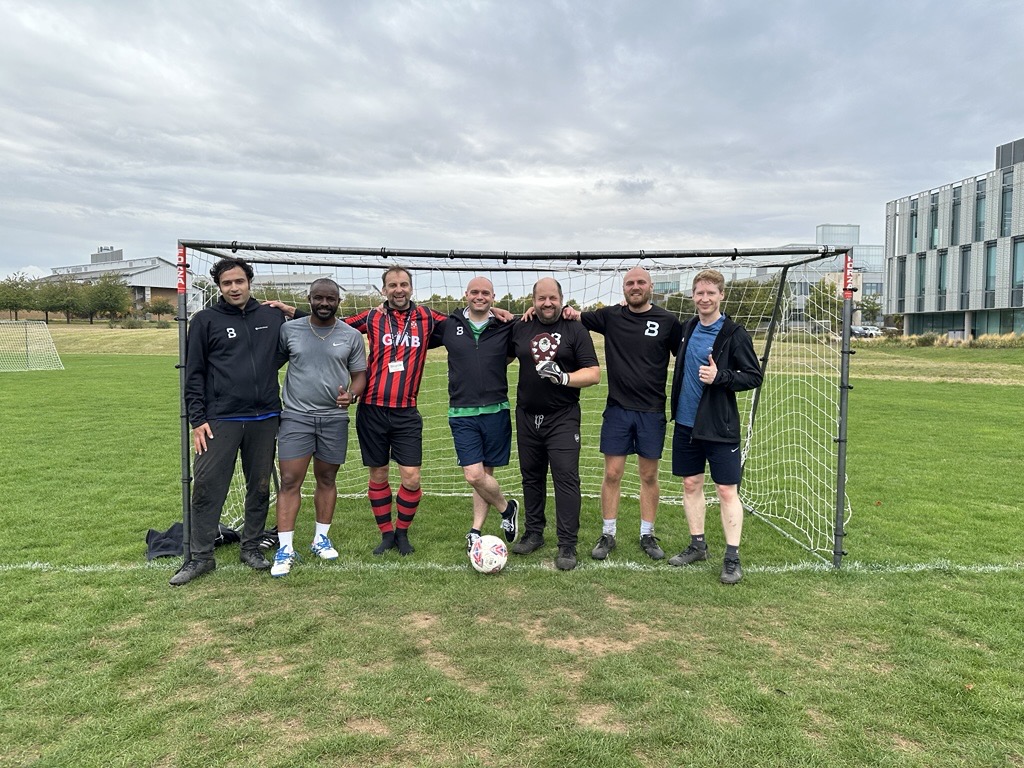


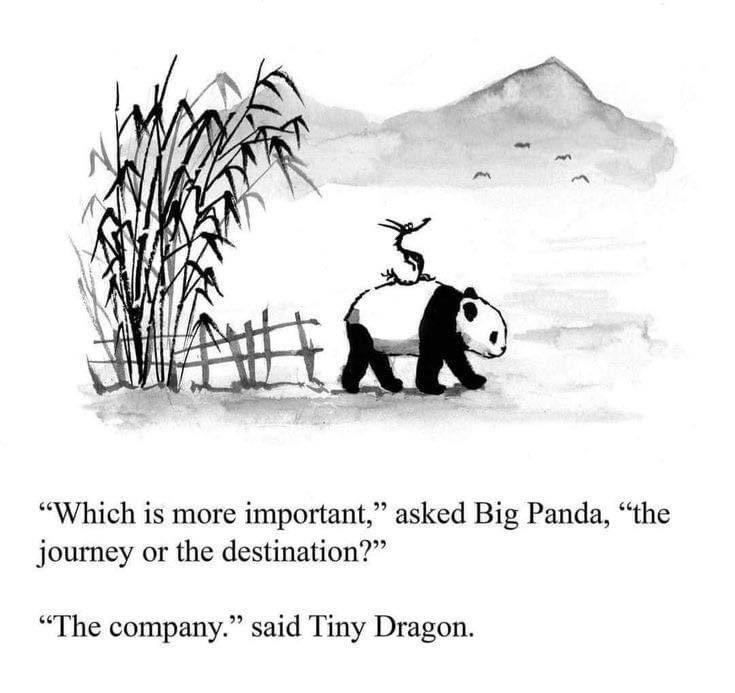


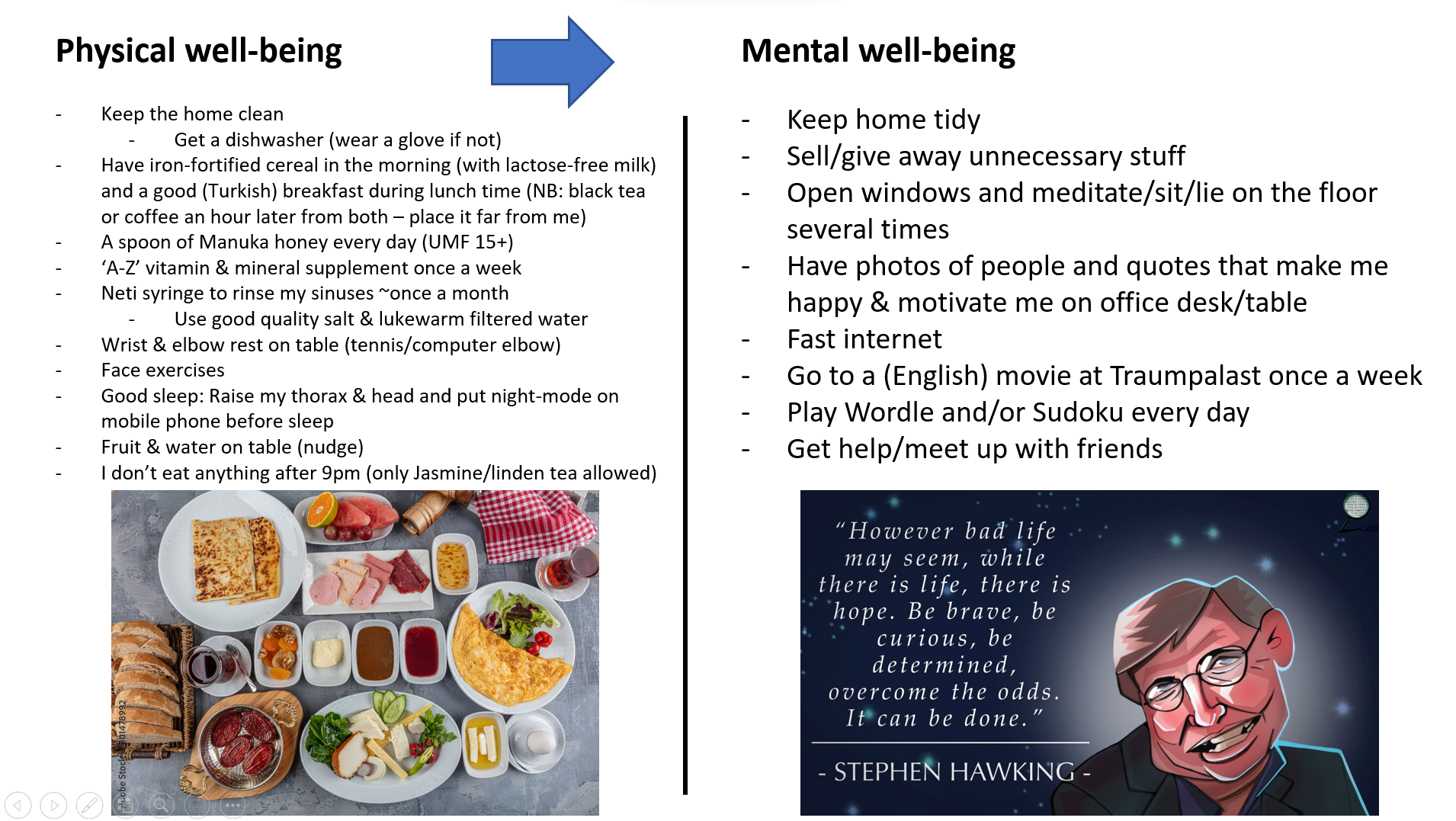
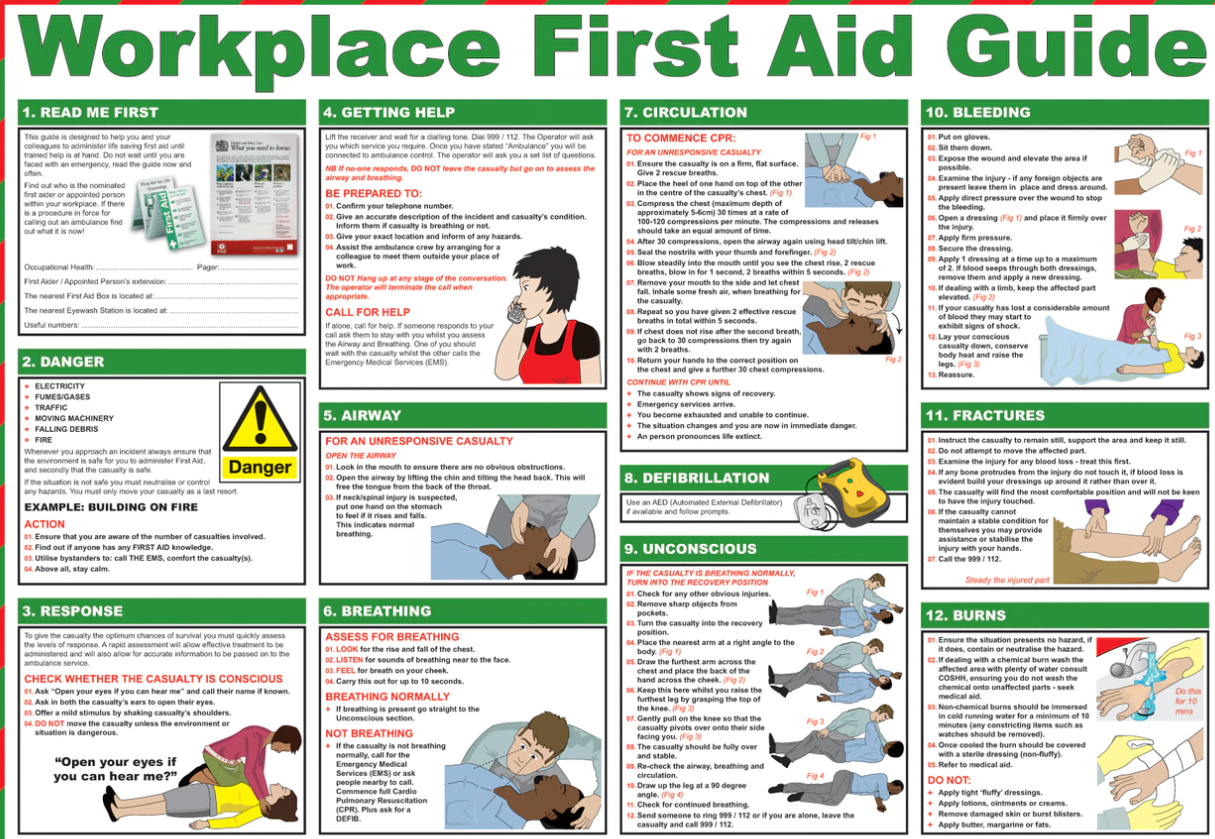

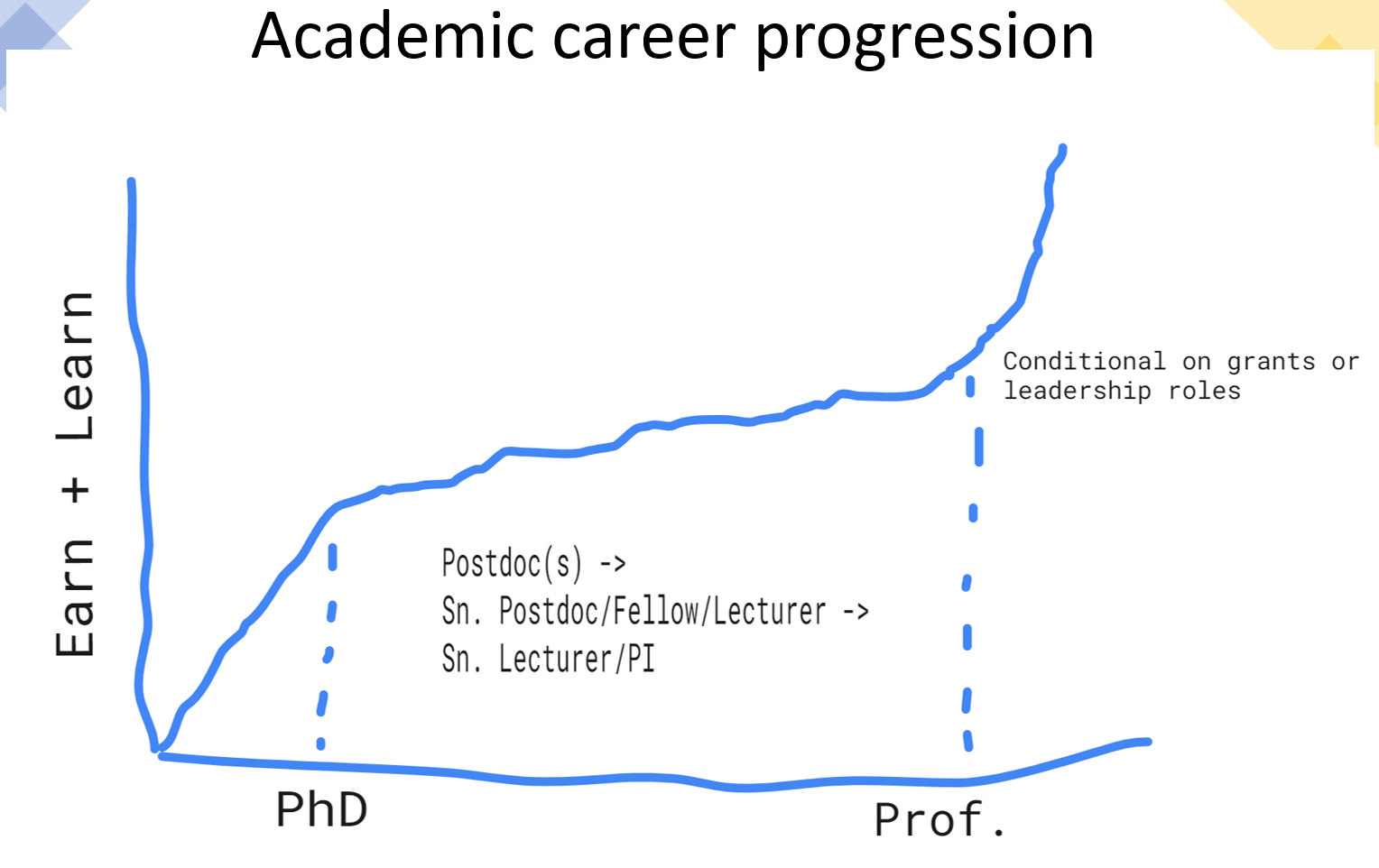

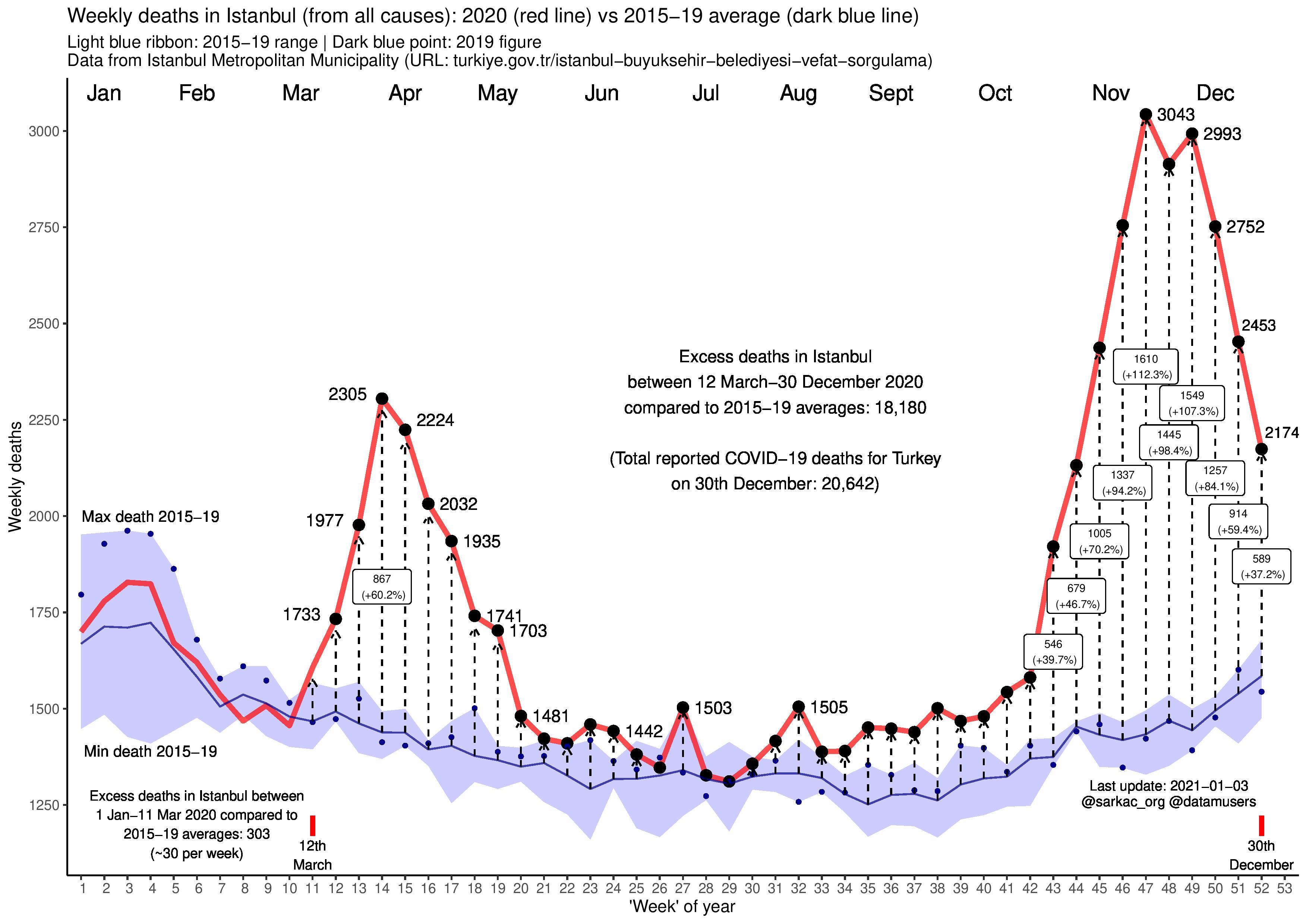




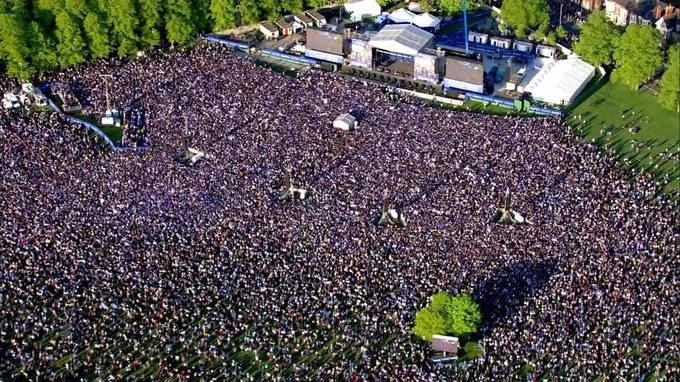



 An ordinary blog by an ordinary bloke
