by Dr A. Mesut Erzurumluoğlu | Principal Bioinformatician at Bicycle Therapeutics (formerly at Boehringer Ingelheim, and Univs. of Cambridge, Leicester & Bristol) – blogging since 2006. All views mine unless stated otherwise
Below is a short book that I wrote for my son, Isaac. Sharing it here for you to enjoy but also as encouragement/inspiration to write your own books for your children and/or loved ones – as I have limited writing skills and virtually no drawing skills and used AI-driven approaches to illustrate the book.
Feel free to download, print* and/or disseminate. I also plan to write it in Turkish if and when I have the time.
Important Note: Please do not edit my son’s images in any way or use it in another medium
I hope to update the book with other conversations if and when I have the time.
Footnotes:
*if you decide to print (this or your own document), I would recommend printing on A4 paper using the ‘Booklet’ option and checking the ‘Auto-rotate pages within each sheet’ and ‘Print on both sides’ boxes. Any questions, please let me know.
Backstory: I joined the Human Genetics team of Boehringer Ingelheim Pharma (in South Germany) ~6 months ago and as part of our ‘team responsibilities’, it was our turn to give a short presentation (technically called a ‘Safety Minute’) on a health & safety issue of our choice (e.g. how to ride a bike safely, safety in the lab). I rolled the lowest value within our team and therefore had to choose the topic and give the presentation. I didn’t feel like I could lecture the attendees/my colleagues on German laws or working in a lab filled with chemicals – as I recently moved to Germany and spend my entire working day in front of my home PC. So I thought it would hopefully be interesting for them to hear what are the small things (therefore must-do things like cleaning teeth properly incl. flossing, getting vaccinated, doing sports or having a first-aid kit nearby* is not mentioned here) I do at home (office) for my physical and mental wellbeing and then they could take what they wanted from the presentation but also comment on what they found interesting or even wrong – so I could learn from them too. Needless to say, many enjoyed the topic and shared their views with me during the call or via email afterwards. I therefore wanted to share the presentation in my blog too for the same reasons.
So in preparation for this topic, I had a look around my home and made a list of the small things that I do for my physical and mental well-being (NB: of course anything I do for my physical wellbeing affects my mental well-being too) – in no particular order:
Physical well-being
I (try to) start the day with some face exercises
I try to keep my home clean and wash the dishes before going to bed (get a dishwasher if you can!)
I have a few wrist & elbow rests on my table to prevent tennis/computer elbow
I make time during my lunch break to have a proper ‘Turkish breakfast’ (see slide): e.g. Fresh bread/baguette, Omelette (e.g. Menemen made with top/”0″ class eggs, ‘sivri’ pepper, and good quality chopped tomatoes), green and black olives (in high-quality olive oil), variety of fruit, yoghurt (with mint), and good-quality spices e.g. pepper, chilli flakes…
I eat a teaspoonful of Manuka Honey every day (UMF 15+), take ‘A-Z’ vitamin & mineral supplement once a week, and try to have fruit on my table to nudge me to eat more (I should do this with water too!)
Once a month (or every two months), I rinse my sinuses with saline solution (made using high-quality salt and filtered lukewarm water) using a Neti syringe. I used to suffer from sinusitis (and consequent migraines) almost every 2-3 days before I started doing this
I gargle with antibacterial mouthwash or salty water once a day – doing this continually has cured my chronic tonsilitis, cough (from nasal drip) and bad breath
I don’t eat anything after 9pm (only water or high-quality jasmine/linden tea allowed). I find that brushing my teeth somehow signals to my brain that I will not be eating – and the urge to eat (mostly) stops
I set a reminder on my phone at ~9:30pm everyday to do some exercise such as (15x) crunches, push-ups, pull-ups, and leg-ups – if I haven’t already done some cycling or football/basketball training that day (making sure to apply Sudocrem or Chamois cream to jock area to prevent skin damage/jock itch due to friction)
I try to get a ‘good’ sleep by sleeping no later than 12pm. I also raise my thorax & head (cured my reflux/stomach – used to feel like garbage in the morning) and put ‘night-mode’ (i.e. switch to warmer colours) on my mobile phone before sleep
Currently obsessed with these short Latin phrases of wisdom – looking for more: Per aspera ad astra (through hardships to the stars) Amor fati (love your fate) Memento mori (remember that you will die) pic.twitter.com/TVzJ2SCxk8
— A. Mesut Erzurumluoğlu (@mesuturkiye) April 1, 2022
Mental well-being
I am shameless at getting help from friends who are more knowledgeable than me on respective matters and this saves me so much time and hassle
I made sure my internet was fast enough to not cause me trouble during meetings and webinars. It can be draining to let it linger and it is certainly worth the additional 10-20 euros/pounds a month if mostly working from home
I try to keep my home tidy and spacious by selling/giving away unnecessary stuff (e.g. if I don’t use something for ~6 months, then I can do away with it)
I open the windows and meditate/sit/lie on the floor several times during work hours. Also having a head massager is a (cheap) luxury which is well worth it!
I have photos of people (e.g. my family) and quotes (see slide for example) that make me happy and/or motivate me on my office desk/table**. Having a digital photo frame (set to ‘random’ mode) also helps massively to make use of photos on my PC.
Leaving the home is important e.g. I go nature parks and/or to the cinema (and/or a restaurant) at least once a week with my family and/or work colleagues
I play Wordle (both Turkish and English versions), a strategy/puzzle/mystery game (e.g. Professor Layton, Minesweeper or Brain Training on my Nintendo DS), and/or Sudoku every morning to start the day with a challenge that gets me going and the brain working
I look at the stars and planets during the night using an app called ‘Sky Map’. I also check out Google Earth, and Explore.org every now and then to observe elephants, eagles (nests), safari animals etc. live
I don’t read the news in the morning – especially during stressful world events (e.g. Russia’s unlawful invasion of Ukraine)
I hope the list was useful. It is also available to download here as a Powerpoint slide:
*I also keep an easy-to-eyeball first-aid guideline on my desktop – you can either buy a poster or a digital copy (like the one below) and keep it on your desktop
**I also keep a magazine or book that entertains me nearby; or have a favourite video/podcast list on my YouTube/Spotify accounts to fall back on when I want to discharge
A farmer and his son had a beloved stallion who helped the family earn a living. One day, the horse ran away and their neighbours exclaimed, “Your horse ran away, what terrible luck!”
The farmer replied, “Maybe.”
A few days later, the horse returned home, leading a few wild mares back to the farm as well. The neighbours shouted out, “Your horse has returned, and brought several horses home with him. What great luck!”
The farmer replied, “Maybe.”
Later that week, the farmer’s son was trying to break one of the mares and she threw him to the ground, breaking his leg. The villagers cried, “Your son broke his leg, what terrible luck!”
The farmer replied, “Maybe.”
A few weeks later, soldiers from the national army marched through town, recruiting all the able-bodied boys for the army. They did not take the farmer’s son, still recovering from his injury. Friends shouted, “Your boy is spared, what tremendous luck!”
To which the farmer replied, “Maybe.”
IMPORTANT NOTE: EVERYTHING I WROTE BELOW ARE MY OPINIONS AND REFLECT MY EXPERIENCE IN ACADEMIA (IN THE UK) – AT THE TIME OF WRITING. THEREFORE, THEY PROBABLY WILL NOT APPLY TO YOU. ALSO, PLEASE READ FROM START TO FINISH (INCL. FOOTNOTES) BEFORE POSTING COMMENTS.
I'm delighted to announce that I'll be joining @Boehringer's (Biberach/Germany campus) Human Genetics team as a 'Senior Scientist' in September.
— A. Mesut Erzurumluoğlu (@mesuturkiye) June 21, 2021
Very soon, I’ll be moving to the ‘Human Genetics’ team of Boehringer Ingelheim Pharma (BI; Biberach R&D Centre in South Germany) as a ‘Senior Scientist’. I therefore wanted to look back at my time in academia and share my suggestion and concerns with other PhD students and early-career researchers (ECRs). Any criticism mentioned here is aimed at UK-based (research-intensive) academic institutions and “the system” – and not at any of my past supervisors/colleagues. The below are also going to be views that I have shared in some of my blog posts (e.g. Calculating the worth of an academic; Guide to an academic career in the UK; Bring back the ‘philosophy’ in ‘Natural philosophy’; What is success? YOU know better!) and with my colleagues throughout the years – and not something that I am just mentioning after securing a dream (will elaborate below on why I called it a ‘dream’) job at BI. (NB: See ‘Addendum (23/12/21)’ section, reflecting on my first 4-5 months at BI’s Human Genetics team)
To do my time in academia justice, I’ll get the good things out of the way first: I’ve been doing research for >10 years in UK-based academic institutions – first as a PhD student (Univ. of Bristol 2012-2015), then as a (Sn.) Postdoctoral Research Associate (2015-19 Univ. of Leicester; 2019-2021 Univ. of Cambridge) – and enjoyed almost every second of my time here. I met many world-class scientists but also great personalities whose memories and the things I learned from them will remain with me for the rest of my life. I was lucky to have had supervisors who also gave me the space and time to develop myself and I’d like to think I took good advantage of this. I also got to (i) publish quite a few papers I will always be proud about and (ii) travel to the US and many countries in Europe thanks to funding provided for academic conferences and, needless to say, none of them would have been possible without (4-year PhD) funding from the Medical Research Council (MRC UK) or support of my PhD/postdoc supervisors and colleagues. My time in the beautiful cities of Leicester (see: Life in Leicester), Bristol, and Cambridge was enjoyable too! I therefore would recommend any prospective scientist/researcher to spend at least some time as a ‘Postdoc’ in a research intensive UK-based university.
On top of all this, if you were to ask me 5 years ago, I would have said “I see myself staying in academia for the rest of my life” as I viewed my job as being paid for doing a ‘hobby’ – which was doing research, constantly learning, and rubbing shoulders with brilliant scientists. However, things started to change when I became a father towards the end of 2018, and I slowly began to have a change of heart about working in academia due to the well-known problems of fixed-term contracts/lack of permanent job opportunities, relatively poor* salaries compared to the private sector, and the many hurdles (incl. high workload) you need to overcome if you want to move a tiny bit up the ladder. The only thing keeping me going was my ideals of producing impactful science, my colleagues, and the possibility of pursuing my own ideas (and having PhD students). No one needs my acknowledgement to learn that there is ‘cutting-edge’ and potentially very impactful science being done at universities but the meaning of ‘impact’ for me changed during the COVID-19 pandemic when I was sat at home working on projects which I felt didn’t have much immediate impact and probably will not have much impact in the future either – and if they did, I probably would not be involved in the process as an ECR. On top of this, many of the (mostly COVID-19, and academia-related) analyses I was sharing on my Twitter page and blog were being read by tens of thousands. I was also heavily involved with the crowdfunding campaign of a one-year-old spinal muscular atrophy (type-1) patient (see tweet and news article). And these were both eye-opening and thought provoking! So the problems that I ignored or brushed under the carpet when I was a single, very early-career researcher were suddenly too big to ignore, and enduring through fixed-term jobs, relatively low pay packages* and a steep hierarchy (i.e. much more ‘status’ oriented than ideal) was just not worth it.
One of my biggest disappointments was not being able to move to Cambridge with my family because (i) Cambridge is very expensive relative to Leicester, and (ii) Univ. of Cambridge doesn’t pay their ECRs accordingly – mind you, I was being paid the equivalent of a (starting) ‘Lecturer’ post at the University’s pay scales (Point 49; see ‘Single Salary Spine’), so many of my colleagues were being paid less than myself.
There was also the issue of not having enough ‘independence’ as an ECR to work on different projects that excited me. As a ‘postdoc’, my priority had to be my supervisor’s projects/ideas. If I wanted to pursue my own projects, I had to bring my own salary via fellowship/grant applications – even those would have to be tailored towards the priorities of the funding bodies. Applying for grants/fellowships is not something I like or I’m trained for but I did try… I submitted three (one grant and two fellowship) applications and made it to the interview/final stage every time, however they were all ultimately rejected mostly because I “was not an expert on that respective disease” or “was too ambitious/couldn’t do all these in 3 (or 5) years”. I guess I also laid all my cards on the table and didn’t hide the fact that I was a proud ‘generalist’** and was never going to be a specialist as I am just too curious (and unwilling) to be working on a single disease or method. In addition to these, I had also co-applied (with a Lecturer colleague in the Arts dept. where we had to submit quite a few documents and a short video) for a very small grant (of ~£6000) to organise a conference to discuss the problems of asylum seekers/refugees in the UK, but it was rejected for strange reasons. I acknowledge that there is an element of luck involved and on another day with another panel, I may have been awarded but these rejections were also eye openers. (NB: I believe the ‘all-or-nothing’ nature of fellowship/grant applications should be revised as a colossal amount of researchers’ time and effort – and therefore taxpayers’ money – is being wasted)
But – in line with the story (of the Chinese farmer) I shared at the start – I am now happy that they didn’t work out as it probably would have meant I stayed in academia for longer (i.e. until the end of my fellowship period). I always took the ‘doing my best and not worrying about the outcome‘ approach and this has proven to be a good strategy for me so far.
Although unhappy with the way ‘the system’ took advantage of ECRs, I did try and “play by rules” to ramp up my CV and network by applying to become a ‘Non-stipendiary Junior Research Fellow’ at one of the colleges of the Univ. of Cambridge to increase my chances of securing a permanent lecturer post at a high-calibre university. Although I enjoy teaching and think I am good at explaining concepts, the main reason for applying was to add more teaching experience in my CV and secondly, to be more involved with the community of students and ECRs in Cambridge – which I did not have a chance to do much, mostly as I and my wife decided not to move to Cambridge from Leicester for the reasons mentioned above (underneath the first figure). I made a solid application and got to the interview stage. I thought the interview panel would be delighted to see someone like me who has a relatively good academic CV for an ECR (see my CV) but also does sports, has his own podcast, who tried to be active on social media (I had more followers than the college on Twitter – although they’re very active), who writes highly read blogs (some of my blog posts are read and shared by tens of thousands), led many student groups (incl. the President of Turkish Society at the Univ. of Bristol and Leicester) etc. to join their ‘guild’ but I was very surprised to receive a rejection email a couple of weeks later. I was going to work there for free, but it seems like they didn’t value my skills at all and that there were at least 5 other people who they thought were going to contribute to the College’s environment more than me. This was another eye-opener: Academia is full of (highly talented) ECRs who are just happy to do things for free for the sake of adding stuff to their CV and I realised I was about to do the same. I remember thinking “I dodged a bullet there” – I decided it just wasn’t worth fighting/competing over these things. I knew now that I had to explore options outside of academia more assertively as I could see clearer that universities and the senior members who helped build this system were just taking advantage of ECRs’ idealism and ambitions but also desperation. (BTW: I find it astonishing that non-stipendiary fellowships in Cambridge are even a thing. They state that they don’t expect much from their fellows but they clearly do)
I then shared a 1-page CV in certain job recruitment sites to see what was out there for me and I was surprised to see how valuable* some of my transferable skills were to businesses in different sectors. I had many interviews and pre-interview chats with agents and potential employers (incl. Pharma, other private sectors, and public sector) in the last 6 months but only one ticked all the boxes for me: this ‘Senior scientist’ role at the Human Genetics team of BI – who valuedmy versatility and expertise in various fields***. Thus, I took time out to fully concentrate on the process and prepared well. I had to go through five interview stages, including an hour-long presentation to a group of experts from different fields, before I was offered the post. Throughout the process I also saw that many of my prospective colleagues at BI had seen the abovementioned problems earlier than I did and made the move. They were all very happy, with many working, and hoping to stay, in the company for a long time. I should also mention I had a Lecturer job lined up at the Univ. of Manchester**** too but the opportunity to work for BI’s ‘Human Genetics’ team was too good to refuse.
I didn’t mean this post to be this long so I’ll stop here. To sum up, I am proud of the things I’ve achieved and the friends I’ve made along the way – and if I was to go back, I wouldn’t change anything – but I believe it is the right time for me to leave academia. I think I’ve been a good servant to the groups I worked in and tried to give all I could. Simultaneously, I grew a lot as a scientist but also as a person – and this was almost all down to the environment we were provided at the universities I worked in. But having reached this stage in my life and career, I now think that (UK) universities don’t treat us (i.e. ECRs) in the right way and provide us with the necessary tools or the empathy to take the next step. I don’t see this changing in the near future either because of the fierce job market. Universities are somehow getting away with it – at least for now. This is not to say other sectors are too different in general but I would strongly recommend exploring the job market outside of academia. You may stumble on a recruiter like BI and a post like the one I have been offered, which matches my skill set and ambitions but also pay well so I can live a decent life with my family – without having to live tens of miles away from my office.
Let me re-iterate before I finish: What I wrote above will most probably not apply to you as I (i) am a UK-based academic/researcher, (ii) am an early-career researcher in a field which also has a strong computational/programming and statistics component – so I have a lot of easy-to-sell transferable skills to the Pharma companies/private sector, (iii) am a ‘generalist’** rather than a ‘specialist’ – so I’m a person major funding bodies currently aren’t really too keen on, (iv) don’t have rich parents or much savings, and am married (to a PhD student) and have a son to look after – and thus, salary*****, living in a decent house/neighbourhood and spending time with my family is an important issue, and (v) am an impatient idealist, who wants to see his research have impact – and as soon as possible. I am also in a position that I can make a move to another country with my family.
Footnotes:
*Contractor jobs usually offer much better pay packages than permanent jobs in the ‘data science’ field e.g. as soon I as put my CV on the market as a ‘health data scientist’, I got contacted by a lot of agents who could find me short-term (3-12 months mainly) contracts with very good pay packages. Just to give one example of the salaries offered, there was one agent who in an apologetic tone said: “I know this is not very good for someone like you but we currently offer £400 a day to our contractors but I can push it to £450 for you.” – this is ~3x the daily rate of my salary at the Univ. of Cambridge!
**I’ve always been involved in top groups and ‘cutting-edge’ projects so the jump from academia to Pharma in terms of research quality is not going to be too steep but the possibility of being directly involved in the process of a drug target that we identify go through the stages and maybe even become a drug that’s served to patients is not there for a (32 year old) ECR in academia – maybe, when I’m 45-50 years old. I also like the “skin in the game” and “all in the same boat” mentality in many Pharma/BI posts, which I do not see in academia. The current system incentivises people to be very individualistic in academia; and the repetitive and long process of publishing (at least partially) ‘rushed’ papers to lay claim to a potential discovery are things that have always bothered me. I don’t see how I can further improve myself personally and as a scientist as I don’t think my skills were anywhere near fully appreciated there – the system almost solely cares about publishing more and more papers, and bringing in funding. I have many ‘junior’ and ‘senior’ friends/colleagues who have made the transition from academia to Pharma (incl. Roche, NovoNordisk, GSK, AZ, Pfizer) and virtually all of them are happy to have moved on.
***As you can also see from my Google Scholar profile (and CV), I have worked on different diseases/traits and concepts/methods within the fields of medical genetics (e.g. rare diseases such as primary ciliary dyskinesia and Papillon-Lefevre syndrome), genetic epidemiology (e.g. common diseases such as type-2 diabetes and chronic obstructive pulmonary disease, and related traits such as smoking behaviour and blood pressure), (pure) epidemiology (COVID-19 studies), population genetics (Y-DNA & mtDNA haplogroup studies), and statistical genetics (e.g. LD Hub, HAPRAP) – and this is generally not seen as a ‘good sign’ (even when I’ve published papers in some of the most respectable journals in the respective fields as first/equal-first/prominent author) by some ‘senior academics’ (who review your grant/fellowship applications, and papers submitted to respectable journals) as many have spent their entire careers on a single disease, and sometimes on a single/few genes. It doesn’t mean they are right, but they usually make the final decision – and some like to act as gate keepers.
****I applied to the Univ. of Manchester post in case I would not get the BI job but also because it was a nice opportunity to work at a top university/department with high quality students and great scientists. They were also happy to pay me at the higher end of the ‘Lecturer’ salary scale. I believe I would have been a good lecturer and colleague but I just did not see myself in (UK) academia in its current state.
*****Although I – with my wife and son – was living in a nice neighbourhood and house in Leicester (renting of course!), due to my son’s expenses incl. a private nanny for a couple of days a week as my wife was also busy like me (small matter of writing her PhD thesis!), we were basically living paycheck to paycheck – and that was hard. When there were unexpected expenses, we used my wife’s (small amount of) savings, then asked my brother to help out financially – and that was hard too. It was almost impossible to fully concentrate on my research as I was always on the lookout for investment opportunities using the small amount of money I had on the side. At one point, I even contemplated doing casual work to earn a bit of cash on the side. Needless to say, I am very disappointed with the pay packages in academia – at least a stratified approach according to field, (transferable) skillset, and marriage/child status/other circumstances should be considered in my opinion. I also think, universities should at least provide guidance on solid investment (incl. mortgage) opportunities to their ECRs, so they can potentially earn or save a bit more. I can’t say much about my salary but it is a senior and permanent post, and my pay package also includes many of the perks of academia (e.g. >30 days of paid annual leave, flexible working hours, conference/travel allowance).
Couple of tweets – in addition to the blog posts I shared above – where I complain openly about the state of (UK-based) academia:
1- I don’t know how “no/limited feedback” has been normalised in academia:
Good to see 'feedback' also being mentioned.
I spent a few months putting together a @wellcometrust fellowship application; I then got to the interview-stage and spent a few weeks preparing for that – only to ultimately not get the funding but also not a single word of feedback.
2- I think science communication is as important as the papers we publish:
I think we definitely sit down and think what it means to be a scientist, academic and an intellectual – who are we? What is our purpose? Banal I know but we've definitely lost touch with our main aims (and what the taxpayers are expecting from us). https://t.co/eetUElIfTXpic.twitter.com/wdFiOh4zQJ
— A. Mesut Erzurumluoğlu (@mesuturkiye) May 15, 2020
3- Publishing papers for the sake of publishing and inflating h-indexes:
Publishing null/review articles as preprints/blog posts should be normalised esp. for PhD students, so taxpayers' money is not spent on publishing them in (open access) journals.
For more senior researchers, quality over quantity should be encouraged so less papers are published
— A. Mesut Erzurumluoğlu (@mesuturkiye) May 30, 2021
Addendum (23/12/21) –Reflecting on my first 4 months at BI’s Human Genetics team:
I was going to write a piece later but decided to add to this post now as I have been/am being invited to many ‘academia v industry/pharma‘ workshops/talks and saw that there is a lot of interest in this subject. I cannot properly respond to all emails or accept all invitations, thus would like to direct people here when needed…
A quick summary of what I’m doing: I’m a ‘Senior Scientist’ in the relatively newly established Human Genetics team of BI – and we’re located at the International Research Centre in the beautiful city of Biberach an der Riss in South Germany. As the Human Genetics team, we’re currently building analysis pipelines to make use of the huge amount of human genetics, proteomics and transcriptomics data that’s available to (in)validate the company’s portfolio of drugs (see below video for details).
A short primer on how I spend my days in the Human Genetics team of Boehringer Ingelheim: Leveraging human genetics data to guide drug target validation – Mesut Erzurumluoglu (Respiration/Solunum conference on 31/10/21)
If I say a few words about BI – which I didn’t know before I joined: BI one of the largest family-owned companies in the world with >20 billion euros revenue per year and >50k employees all around the world of which >8k are researchers (largest R&D centre is in Biberach an der Riss, where we’re also located) – so the company and the Boehringer/Von Baumbach family value R&D a lot. Some family members also attend research days organised within the company – which I find very encouraging as an employee but also a scientist at heart!
The other exciting thing for me is that the company’s currently going through a phase of massive expansion in ‘data driven drug target validation’, so the Comp. Bio/Human Genetics department is getting a lot of investment and are going to hire a lot of people in the near future – and I’m very happy to be involved in this process too.
To get back to my views of ‘working for BI v in academia’, I’ve made a summary table below which compares my experience as a Senior Scientist in BI and my time as an ECR/(Sn.) Postdoc/(Prospective) Lecturer in UK academia. I’ve highlighted in bold where I think one side better was than the other for me.
I believe the above rows are self-explanatory except maybe the bottom 4 rows – so I will provide some details here: (i) I feel like we’re ‘all in the same boat’ in my current team as we – as a group – have certain targets that we need to hit, so any success/breakthrough by any of the team members alleviates the pressure on all of us. This is also true of any success within the company. (ii) Re the next point/row, I just want to give one example: I have seen many papers be published in very high-impact journals by ‘top names’, which would not have made it past the ‘top names’ themselves (as reviewers) had the paper been written by some other group. Most of us also don’t have any editor friends who we can write to so that our ‘desk rejection’ at a high-impact journals is reviewed. The struggle for funding is even worse and I think life’s too short to be spending months on a fellowship or grant application, which is usually rejected for non-research related reasons (e.g. competition, timelines, priorities). (iii) We’re not allowed to work on Sundays at BI, and emails sent to others on Saturdays and after work hours is genuinely discouraged. (iv) Last row: We’re encouraged to produce good science and analysis pipelines by the senior management at BI rather than be in competition with colleagues to be the ‘first’ at something. In contrast, many papers in academia will be published in high-impact journals and be cited by others because they were the ‘first’ and not because they did a good job of strengthening their finding(s) via different lines of evidence. They do not lose anything if this ‘new and shiny’ finding turns out to be just a meaningless correlation 5-6 years down the line (i.e. there’s no “skin in the game”; even worse, they will have collected their grants and awards by then).
I also want to mention that career progression in UK academia is too slow for my liking (see below figure). I do not want to be treated as an ECR and living ‘paycheck to paycheck’ until I’m 50 – again, I feel like life is too short for this. This is why I wanted to move to a group where I would be respected more but also earning more – so that I can provide a good life for my family whilst fully concentrating on my/the team’s ‘cutting-edge’ research.
I always judged my ‘value’ at a place by adding how much I was earning and learning there. I was very happy during my PhD and first few years as a postdoc as I was learning a lot (from top scientists, attending conferences, giving talks, being provided the time to explore) and had a good salary/scholarship for a person who is single and <30 years of age. Unfortunately, for me, the increase in this regard was just not steep enough after this period. This feeling didn’t change much even after I secured a Lecturer post at the Univ. of Manchester – I just could not beg funders and apply for grants every year until I die. At BI, in addition to a very good salary, I’m also learning a lot from the different groups we are interacting with (e.g. wet-lab researchers/CRISPR screens, drug target research in different disease areas such as respiratory, immunology, oncology, and cardio-metabolic diseases) whilst also taking part in ‘cutting-edge’ research. There are also internal funds to explore your own ideas and a separate programme called ‘Research Beyond Borders’, which is dedicated to looking into other diseases which do not fit the main programmes.
To finish, I again re-iterate that it would be wise for a talented postdoc with data science and statistical skills to have a look around while they’re still comfortable in their current post (i.e. still have >12 months contract). If you have experience working with clinical and genetic data, then Pharma and Biotech companies would also be very interested in you.
I hope this post is of help, but feel free to contact me if you have specific questions that are not answered here.
Addendum (23/12/23) –Reflecting on my first ~2.5 years at BI’s Human Genetics team:
Still happy. Family’s happy here. South Germany is very good for families: Very safe. My son’s kindergarten is great; Biberach and surrounding area is great. So much to see and learn.
Happy with the research I’m doing, things I’ve learned/learning, and my impact in the drug target development process at BI.
Also check out our preprint on structural variants – a valuable resource, openly shared with the research community (Note: I had encouraged Boris Noyvert to join our team and now we’ve published this preprint together):
Noyvert B, Erzurumluoglu AM, Drichel D, Omland S, Andlauer TFM et al. 2023. Imputation of structural variants using a multi-ancestry long-read sequencing panel enables identification of disease associations: https://www.medrxiv.org/content/10.1101/2023.12.20.23300308v1
Tweetorial:
New data and preprint alert! 📀💾
Delighted to share our preprint on the added value of a long-read sequencing-based structural variant* (SV) imputation panel: https://t.co/dt4X10eBRo
Some Leicester landmarks (clockwise from top-left): Jewry Wall (Roman site), National Space Centre, Arch of Remembrance (located in one of my favourite parks, Victoria Park), Central Leicester (near the Clock Tower), Curve theatre, Leicester Cathedral (where Richard III is buried)and Guildhall, Welford Road Stadium (Leicester Tigers’ ground), Leicester Market (where Gary Lineker once worked as a teenager). Image source: wikipedia.org
Important Notes: I declare no conflict of interest for any of the places of interest, stores or restaurants I mention below. I also take no responsibility if you have a bad experience in/at any of my recommendations.
Don’t forget to watch these videos by ‘Visit Leicester’
It’s happened again: As I’m quite famous(!) in my circles for still living in Leicester (read ‘less-ter’ or ‘Lestah’ if prefer local language) although I work at the University of Cambridge, I once again got asked about how life in Leicester is. So it’s time for me to write a blog post and share my general views. To get a more comprehensive view, you can always read the relevant Wiki page, which has a lot of nice information but is boring to say the least 🙂
TL;DR – cut the crap and tell me why I should live in/visit Leicester!
Leicester’s famous for:
1- Being one of the most multicultural cities in the UK – you can eat fantastic Indian, Chinese, Italian and Turkish food for great prices and there’s always some festival going on (e.g. Leicester Caribbean Carnival, Diwali Day Celebrations, Comedy Festival – see list here). You can also find almost everything Indian on Melton Road or stores such as Falcon Cash & Carry
2- Its sports teams such as Leicester City FC (watch this documentary) and Leicester Tigers (one of the most successful and famous Rugby teams). Leicester Riders is also one of best basketball teams in England but the sport isn’t that popular here.
3- Its famous sites such as Richard III’s Tomb (at Leicester Cathedral), Roman settlements from two millennia ago (e.g. see Jewry Wall Museum), and the National Space Centre
4- Its famous people/bands such as Sir David Attenborough (and the Attenborough family), Gary Lineker, Prof. Sir Alec Jeffreys (see below), Kasabian, Engelbert Humperdinck, Mark Selby and many others
Sir Alec is the main reason I chose to study Genetics @uniofleicester. My father was a criminologist and he kept mentioning DNA fingerprinting and how it changed the field.
I had the privilege of being lectured by him too in 2010 (2nd year). To many years!
5- The discovery of DNA fingerprinting – which revolutionised forensic investigations – at the University of Leicester (a top 200 university) by Prof. Sir Alec Jeffreys (read about one high-profile case here)
6- Its famous exports such as Thomas Cook (who rests at Welford Rd Cemetery – see tweet below), Walkers Crisps, and Admiral Sportswear – who manufactured and marketed the first football kits in the 1970s (Quorn could also be included in this list)
One of Leicester's most famous names, Thomas Cook (d. 1892) and family's modest grave.
— A. Mesut Erzurumluoğlu (@mesuturkiye) July 25, 2020
7- Its fantastic countryside (especially Bradgate Park, Watermead Park, Beacon Hill/Outwoods, Charnwood Forest, Foxton Locks, Rutland Water, Wistow Maze) and other ‘green’ spaces (e.g. University Botanic Garden, Attenborough Arboretum, Brocks Hill Country Park, Wash Brook Nature Reserve, Shady Lane Arboretum, Barnsdale Gardens (£), Launde Abbey/Park, Aylestone Meadows, Knighton Park, Abbey Park, Stoney Cove, Spinney Hill Park).
The beautiful Heights of Abraham and Dovedale (both in different parts of Peak district), Attenborough Nature Reserve (Nottingham) and Wollaton Park (Nottingham) are also a ~50 minute drive away. West Midlands Safari Park (near Birmingham) is ~1hr 20mins away.
Bradgate Park in 2025 (Credit: Mesut Erzurumluoglu)
Knighton Park panoramic view (Credit: Kerem Aydın)
8- Its geographical location as it’s within driving distance to almost all major cities and English Heritage sites (incl. being very close to Warwick Castle, Isaac Newton and Shakespeare’s birthplaces, the historical market town of Market Harborough, and Stamford/Burghley House). Also Birmingham International Airport being ~50 mins away has been fantastic for picking up my visitors from abroad – mostly Turkey
9- Being ‘value for money‘: You can buy a flat/house in a nice neighbourhood and provide a decent life for your family with an average salary (~£2000 a month***)
(10- I don’t go to pubs much but there are some nice pubs like The Old Horse, The Grange Farm, The Landsdowne and the Marquis – but don’t take my word for the quality of their drinks)
That’s it! If you want further info and like watching videos, then I would also recommend this video on top 50 attractions in Leicester and this playlist on Leicester (or this YouTube channel on the Oral history of Leicester and the East Midlands)
Leicester City FC ‘Victory Parade’ at Victoria Park (May 2016). Image source: itv.com4.561 billion year old Barwell Meteorite displayed in Leicester MuseumAt Welford Rd Cemetery with my son Isaac – where Thomas Cook and his family also rests
Who are you to talk about Leicester?
I’m 31 at present, and although I was born in Turkey, I only lived there (in Ankara) for 6 years and 22 yearsin total in Leicester: between ages 1-7, then did my SATs (ages 12-14) and GCSEs (15-16) at Crown Hills Community College, A-Levels (16-18) at Wyggeston & Queen Elizabeth I College, undergraduate degree (19-23) and first Postdoc job (27-30) at the University of Leicester (see My Research page for details). I also met my wife, got married (at the Town Hall) and became a father in Leicester. The magical 2015-16 Premier League season happened the year I returned to Leicester to work at the University of Leicester after a 4-year stint in Bristol (ages 23-27) for a PhD at the University of Bristol. I had been watching most (and even attending some) Leicester City FC games when I used to live in Bristol between 2012 and 2015.
My photo was used in the University of Leicester Undergraduate Prospectus 2012/13, 13/14 and 14/15 (in the Biological Sciences section). See my blog post on the matter.
Since my second arrival to the UK in 2000, I’ve been very active in the Turkish/Kurdish community in Leicester, worked in many take-away shops in different parts of Leicester and even served as the President of the Turkish Society at the University of Leicester for ~2 years. I even co-setup a Sunday league football team for in 2007. Through these, I’ve met all sorts of people and taken part in many sportive, intercultural and interfaith events in Leicester – so I’m more knowledgeable than many in this regard. For example, I know that many religious groups and sects that you’ve probably never heard of have a temple/shrine in Leicester (see Leicester Council of Faith for some examples – I even met a true Shaman in one event who offered to read tarot cards for me and invited me to their place for some enlightenment 🙂 ).
Throughout the years I became a bit of an ambassador for Leicester as the city became famous – and more and more of my friends started paying a visit out of curiosity. I’ve taken >100 people/families on a Leicester tour over the last 3-4 years.
I was truly honoured to have been awarded the Future Leader (2020) award by my fellow alumni.
The city and University of Leicester have always been special for me and tonight has made them even more special. https://t.co/Fq61WEd8rb
— A. Mesut Erzurumluoğlu (@mesuturkiye) March 6, 2020
Life in Leicester for me
I like to keep it short when introducing “my second home town” (or more correctly joint-first): Leicester is a wonderful place to live in. For me it’s just the right size: not too big, not too small. It has so much to offer for any type of person – whether you like food, sports, cultural activities, the countryside or history. It’s geographically well placed so you are close to almost all cities in England – you can go to London in an hour by train which is how long it takes for most Londoners to reach somewhere in London. I made it to North London (e.g. Woodgreen) so many times in ~90 minutes by car. Add on top of all this the world-class university (that is, the University of Leicester but even DeMontfort University’s competitive in certain fields) and getting the chance to meet people of many many ethnicities/cultures and faith with virtually no violence/tension between the different communities. Not too many reasons to be unhappy 🙂
I tried some of my favourite* Indian food at Tipu Sultan and Kayal**, (Western) Chinese food at Karamay, and Turkish food at Konak. It’s also been nice to see Korean-inspired Grounded Kitchen do so well since opening their first store on Queens Road exactly where our old (TJ’s Kebab) take-away shop used to be (yes! we used to own a take-away shop like most Turks have in the UK!). There are also some fantastic cafes and book shops on/near London Road, Queens Road (esp. Loros and Clarendon Books) and St Martin’s Square.
Cavendish House ruins in Abbey Park
I really enjoy walking to the Welford Road Cemetery with my wife for its serene atmosphere or to Chaiiwala and having a nice Karak Chai. We occasionally enjoy a tandoori chicken box from Tuk Tuk Journey, a curry box from Bombay Bites, bubble tea from Hi Tea or a pizza from our favourite TJ’s (Evington Village). I should also mention the Phoenix, Curve, and the Attenborough Art Centre for their Film Festivals and interesting events.
In short, there’s so much I personally like about Leicester!
I hope this has been sufficient in convincing you to at least pay a visit, but if you have specific questions, feel free to ping me an email at m.erz@hotmail.com
The beautiful Bradgate Park with its ruins, river and deers. Image source: leicesterairport.com
Footnotes:
*As with all my blog posts, these are my views on the day of writing
**I’m being told there are some fantastic Indian restaurants (and dessert shops) on the ‘Golden Mile‘ – so should give those a try too! I also recently discovered Anmol Sweet Centre on Welford Road and their Samosas are amazing!
***My salary (after tax & other deductions) when I started working at the University of Leicester in 2015 – my first ‘proper’ job. My rent was £600 when I lived with my family (2015-19) in a 2-bedroom flat in Stoneygate (nice neighbourhood) – 20 minute walk to the University of Leicester. I then moved to a 3-bedroom house with a garden in a very nice neighbourhood (again in Stoneygate – 15 mins away from the University) and my rent is £800.
Get on the steam train from the ‘Leicester North’ station‘Peace walk’ which leads to the Arch of Remembrance in Victoria Park from University Road – where University of Leicester’s main campus is
It is not the strongest of the species that survives, nor the most intelligent that survives. It is the one that is most adaptable to change – attributed to Charles Darwin
“How did you get accepted to Cambridge?”
I saw a tweet a while ago which said something along the lines of: “If you’ve been asked the same question three times, you need to write a blog post about it”. I get asked about how I got my current postdoc job at the University of Cambridge all the time. Therefore, I decided to write this document to provide a bit of a backstory as I did many things over the years which – with a bit of luck – contributed to this ‘achievement’.
It is a long document but hopefully it will be worth reading in full for all foreign PhD students, newPostdocs and undergraduates who want an introduction to the world of academia in the UK. I wish I could write it in other languages (for a Turkish version click here) to make it as easy as I can for you, but I strived to use as less jargon as possible. Although there is some UK-specific information in there, the document is mostly filled with general guidance that will be applicable to not just foreign students or those who want to study in the UK, but all PhD students and new Postdocs.
I can only hope that there are no errors and every section is complete and fully understandable but please do contact me for clarifications, suggestions and/or criticism. I thank you in advance!
To make a connection between academia in the UK and the quote attributed to Darwin above, I would say being very clever/intelligent is definitely an advantage in academia but it is not the be-all and end-all. Learning to adapt with the changing landscape (e.g. sought-after skills, priorities of funders and PIs), keeping a good relationship with your colleagues and supervisors, and being able to sell yourself is as, if not more important. Those who pay attention to this side of academia usually make things easier for themselves.
I hope the below document helps you reach the places you want to reach:
A really useful document for UK PhD students – particularly those from abroad. It's Mesut's personal take, focused on genepi, but there is some really useful stuff here. https://t.co/V4sEy5vXMQ
Research outputs of Turkey-based academics in relation to the previous year. This Freedom for Academia (FfA) study identified a significant reduction (11.5% on average) in the research output of Turkey-based academics in 2017 compared to 2016. When the average increase of 6.7% per year observed in the research output of Turkey-based academics between 2008 and 2015 is taken into account, this translates to a decrease of over 7,000 papers than the expected figure in 2017 in journals indexed by SCOPUS – a bibliographic database of peer-reviewed literature. Image Source: freedomforacademia.org
Freedom for Academia (website), a group consisting of (incl. myself) “British and Turkish academics/researchers who are willing to lend a helping hand to our colleagues and bring the struggles that they face to the attention of the public and academic circles”, has just published an ‘Annual report 2017’ on the effects of the AKP government’s large-scale purges on the research output of Turkey-based academics, titled:
7,000 papers gone missing: the short-term effects of the large-scale purges carried out by the AKP government on the research output of Turkey-based academics
(click here to access full article with photos, or ‘print friendly’ version from here)
Firstly, as a Turkish citizen living in the UK – who loves his country of origin (also a proud British citizen), I am heartbroken, disappointed and terrified, all at the same time, with what has been going on in Turkey for some time now. Within the last 18 months or so, thousands of academics – as well as tens of thousands of other civil servants – have lost their jobs due to decrees issued by the Turkish government. None of them have been told how they are linked to the “15th July 2016 coup attempt” and what their crime (by international standards) was.
The percentage change in research outputs of 12 Turkish universities in relation to the previous year
These large-scale sackings have undoubtedly had an impact on the state of Turkey-based research and academia. The report tries to quantify the relative decreases in the research output of Turkey-based academics in different academic fields, and speculates on the causal factors. They find, on average, a ~12% decrease in the research output of Turkey-based academics in 2017. They also identified substantial decreases in the research outputs of some of Turkey’s top universities such as Bilkent (-9%), Hacettepe (-11%) and Gazi (-20%) in 2017 compared to 2016. Both Süleyman Demirel University and Pamukkale University, which lost nearly 200 academics each to governmental decrees issued by the AKP government, showed nearly a 30% decrease in 2017 compared to 2016.
I believe, a decrease in the number of publications is just one of the ways academia in Turkey has been affected overall. Turkey/Turkish academia wasn’t a place/group necessarily known for its work/scientific ethic and any ethics that was present before these large-scale dismissals has now definitely disappeared as the posts left by the dismissed academics is being filled by cronies (as I had stated in my Chemistry World interview in August 2017). These cronies are then going to hire individuals who are not necessarily good scientists but good bootlickers like themselves, and even if everything became relatively ‘normal’ (e.g. state of emergency lifted, academics in prison are acquitted) today, it would still take tens of years to change the academic circles that have been poisoned because of nepotism/cronyism, governmental suppression and political factionalism. In fact, academics in Turkey are so divided that not many cared when over eight thousand of their colleagues were dismissed as “members of a terrorist organisation”, as they did not belong to their ‘creed’ (e.g. to their ‘Kemalist’ or ‘Nationalist’ or ‘Islamist’ or ‘Pro-Kurdish’ groups). I try and follow many Turkey-based academics, and unfortunately, I barely see them talk about anything other than political issues – not on scientific and/or social advancements as academics/intellectuals should be doing. I tried to make my point in a short letter I wrote to Nature and in a (longer) blog post: Blame anyone but the government (Mar 2017).
Finally, I agree with the conclusions of the report that the sharp decrease of ~18%* in the research outputs of Turkey-based academics in relation to the expected 2017 figures is likely to be due to a combination of factors, especially psychological stresses endured by academics; and not just due to the absolute number of the purged academics (~6% of total), as outlined in the discussion section of the report.
*6.5% average increase every year between 2012 and 2016 + 11.5% decrease in 2017 figures compared to 2016 figures
Number of papers published by Turkish researchers drops by 28% following purge of academics https://t.co/IRigr0FqSL
Günümüzden (dünyaca ünlü) Chomsky, Hawking, Dawkins ve (bizden örnek) Ahmet Altan (birazda Ilber Ortaylı), eskilerden ise Newton, Einstein, Nietzsche, Descartes, Zola, İbn Rüşd, Freud, Kant, Camus, Sartre, Orwell, Russell, Marx gibi insanlar, fikirlerine/teorilerine katılalım-katılmayalım, gerçek entelektüellerdir. (NB: Listeyi bilerek uzun tuttum; kendime göre her türden entelektüele örnek vermek için)
“And those who were seen dancing were thought to be insane by those who could not hear the music” (Nietzsche) – Türkçe tercümesi aşağı-yukarı: Ve müziği duymayanlar, dans edenleri deli sanıyordu. Bana göre entelektüel/alim/üst düzey akademisyenlerin onları eleştiren/aşagılayan cahillere karşı durumunu açıklayan en güzel cümle. Hikmet/hakikat dolu.
Kendime göre (sıkıcı olsa da) genel bir çerçeve çizerek başlayayım: Entelektüel insanlar (aydınlar) normal halka nazaran çok akıllıdırlar. Hatta birçogu dahidir. Fakat birçok insanın aksine bu deha/akıllarını kurnazlıga ya da para/pul kazanmak için degil, ilim/bilim/kültür ögrenmeye harcarlar. Bundan dolayı çok okur – her türden (özellikle Felsefe) kitabı okur, konuyu araştırırlar*, ve gezerler; dünyadan her tür millet/kültür/insanla tanışmayı önemserler. Fakat konumuzla ilgili olarak, bu saydıgım özellikler (genel olarak) başkaları için sorun teşkil etmez. Entelektüellerin bunlarla beraber bulunan başka haslet/karakterleri de vardır – ve asıl bunlardır çogu kez onları (genel olarak) halk nazarında pek sevecen bir konumda bulunmalarına mani olan (NB: burada suç halkın/diger insanların, entelektüel insanların degil). Entelektüellerin bu özelliklerini kendi çapım ve gözlemlerime göre aşagıda (karışık-kuruşuk bir şekilde) sıralayacagım:
Entelektüeller öncelikle çok meraklı ve sorgulayıcıdırlar. Açık görüşlü olduklarından, genelde insanların tabu gördügü, konuşmaktan/sorgulamaktan korktugu konuları araştırmaya özel vakit ayırırlar. Başkalarının aklına dahi gelmeyen soruları düşünüp, bunların üzerine günlerce/aylarca kafa yorabilirler. Bu da dar görüşlü insanların hoşuna gitmez. Hayatlarını üzerine kurdukları saman çöpünden temelleri yıkma tehlikesi oldugundan, sorgulayıcı insanlar her zaman ‘problem’ teşkil eder bu insanlar için. Küfrün, şiddetin, cehaletin pohpohlandıgı bir ortam da varsa, bu insanlar için bir cennete döner o ülke. Tarihte birçok aydın/entelektüel ya ülkelerinde çok sıkıntı çekmiştir ve/ya da ülkelerinden ayrılmak zorunda bırakılmışlardır.
Entelektüel geçinenle gerçekten entelektüel olanlar yan yana geldiklerinde aralarındaki görgü/bilgi/kalite farkı hemen ortaya çıkar. Evvelki tipler bunu iyi bildiklerinden, entelektüellerle yanyana/karşı-karşıya gelmekten korkarlar ve etrafına toplananları da (kötüleyerek) bu insanlardan uzak tutmaya çalışırlar. Bilgili/entelektüel insanlar kadar başkalarının haset damarını azdıran/çatlatan ikinci bir insan tipi yoktur. Bunu para, mal/mülk, şan/şöhretle dahi başaramazsınız. Okuyup/araştırıp/farklı yerleri gezip, kendini devamlı geliştiren birisi bir sene önceki haliyle dahi büyük farklılıklar gösterir. Bunları yapmayan ise 20 yaşında nasıl birisiyse 50 yaşında da aşagı-yukarı aynı insandır. Aynı hata/yanlışları tekrar eder.
Hiç bir konuda kolay kolay kesin konuşmazlar. Olayları sadece siyah ve beyaz olarak görmezler ve hayatta gri hatların çok fazla bulundugunu bilirler. Ornegin aşırı-sag medya ve halkın önemli bir kısmından gelen o kadar baskıya ragmen ve kendileri ateist ya da başka bir dine mensup olsalar dahi “müslümanlar” ve “terörist” kelimelerini yanyana getiren bir entelektüel görmezsiniz. Cünkü olayın dinden/inançtan çok fakirlik, cehalet, savaş, hukuk/adalet yoksunlugu gibi diger faktörlerden etkilendigini bilirler. Bilmeyen ise fikrini beyan etmeden önce araştırıp, ögrenir.
Hayatta çogu (sosyolojik, biyolojik, psikolojik) olgunun kompleks oldugunu kavrayan bir insan, hiç bir kavrama “siyah” ya da “beyaz” diye bakmaz. Siyah-beyaz bakanları bir defa kandırmanız yeterli olacaktır; ve özellikle popülist liderler bunu çok iyi anlamışlardır ve (tabiri caizse) “mallarını iyi bilirler”. Ornegin “vatan elden gidiyor”, “ben gidersem başınıza kafirler/Ermeniler gelir”, “ezanlarımızın susturulmasına izin vermeyin”, “müslüman kardeşlerimize sahip çıkacagız”, “vatan hainleri hep okumuşların arasından çıkıyor” gibi basit/içi boş argümanlar, bizim halkımız gibi dini istismara çok açık, yıllarca ezilmiş ve ezik hale getirilmiş, devamlı “eski günler”in geleceginden korkan ve günü kurtarmaya bakan toplumlarda çok etkilidir. “Öteki”nin “siyah” olduguna bir defa inandırırsan ve halkı bu konuda kandırırsan, ömür boyu kazanırsın – ta ki başkası çıkıp bir gün senin “siyah” oldugunu gösterene dek. Oysa kompleks düşünebilen ve analiz yetenegi yüksek olan toplumlar/kişileri kandırmak (ya da ikna etmek) için daha yaratıcı argümanlara, somut başarılara ve transparanlıga ihtiyaç vardır. Bu da popülizm ve “ver mehteri/gazı” metodu ile işini yürütenlerin hoşuna gitmez.
Duygusal davranmazlar. Her daim akl-ı selim davranırlar. Bu da hemen-anında, (aşırı sagcılar ve dinciler gibi) ikna etmeden bir sonuca varmak isteyenleri çıldırtır. Örnegin Anadolu’da I. Dünya Savaşı sırasında devlet eliyle yapılan Ermeni katliamına karşılık “ama Ermeniler de bize saldırmış” denince, “Ha; tamam o zaman!” demezler. “Tamam haklı olabilirsin ama once bir anlat bakalım: Spesifik olarak kim kime, nerede, nasıl saldırmış? Bu saldırılara karşılık yapılan operasyonlarda öldürülen/sürülen Ermeniler aynı insanlar mı? Somut belgelerin var mı?” cevabı karşısındakini zor durumda bırakabiliyor.
Cogu zaman, örnegin bir tartışma oldugunda, iki “taraf”ın da istedigi cevabı vermezler. Dosta da “acı” (gerçekleri) söylerler; (danışan) tanımadıkları insanlara da. Kendilerini begendirme (“insanlar beni sevsin”) gibi bir dertleri yoktur. Belki de entelektüel potansiyeline sahip insanların en büyük trajedisi, cahillere kendini begendirme sevdasıdır. En samimi arkadaşları/aile/akrabaları dahi bir bilgi getirdiginde sorgularlar. Bazen “belki masumdur” diye “şeytanın avukatlıgı”nı dahi yapmaya hazırdırlar. Çünkü o kişinin/grubun ‘şeytan’ olup olmadıgı elde olan bilgiyle 100% kesinleşmemiştir. Ayrıca şeytanlaştırılanların çogu zaman ‘sesini duyuramayanlar’ ve/ya ‘ezilenler’den olduklarını bilirler – tarihte de çok örnekleri vardır çünkü. Bu da kendilerini halk (ve tanışları) nazarında popüler yapmaz; hatta belki kendilerinin dahi bu ‘şeytani’ grupların ‘sempatizan’ı olarak yaftalanmalarına yol açabilir.
Bir işi/projeyi analiz ederken somut kavram/kriterler üzerinden degerlendirirler. Bu da işlerini “ver mehteri/gazı” metoduyla ilerletenlerin hoşuna gitmez. Fakat halk çogu zaman bu tiplere daha çok kıymet verir – çünkü duymak istediklerini söylerler. Kahvehanelerde atıp-tutan adamlardan tutun, devletin en yüksek yerlerini (liyakati olmadıgı halde) işgal eden milletvekillerine kadar hayatın her alanındaki popülistlerin “kuru sıkı” argümanlarını hemen çürütürler. Diger insanlar gibi onların büyülerinden etkilenmezler. Bu da onların düşman görünmesi için yeterlidir, çünkü olaylara futbol takımı tutar gibi bakmazlar.
Dedikodu ve teyit edilmemiş bilgilere kafa yormazlar. Istedikleri cevapları alamadıkları için dedikoducu insanlar da zaten bu insanlardan uzak dururlar. Hatta kurdukları dedikodu halkalarında kötülerler…
Standartları yüksek oldugu için başkalarının çok memnun oldugu proje/durum/halleri dahi eleştirebilirler. Kolay kolay memnun edemezsiniz. Cünkü gozleri hep “potansiyel olarak ne yapılabilir?”dedir. “Büyük” resmi gördugunu herkes iddia eder/ediyor ama çok yönlü olmadan, her türden alanda araştırma yapmadan konuşan insanlarınki sadece lafta kalır. Bu da yaptıgı ufak işler için büyük (ve sürekli) övgü bekleyen ve eleştiriye gelemeyen insanların hoşuna gitmiyor.
Yaptıkları (büyük) iyilikleri (dahi) kimseye anlatmazlar. Etraflarında onları sevmeyen/haset eden insanlar ise anca dedikodularını yaparlar: “kimseye faydası dokunmuyor ama oturdugu yerden herkesi eleştiriyor.”
Herşeyden önemlisi entelektüel insanların bir duruşu vardır ve bunu hiç birşeye karşılık, hiçbir şartta degiştirmezler. Para/şan/şöhretle satın alınamazlar. Bundan dolayı hürdürler ve çıkar çatışmaları (conflict of interest) yoktur. Fikirleri için kimseye hesap vermek zorunda hissetmezler ve fikirlerini istedikleri gibi söylerler.
Bir konuda fikir beyan etmeleri ya da şimşekleri uzerlerine çekmeleri için başlarına birşey gelmek zorunda degildir. Durduk yere başlarını belaya soktukları çok olur. Ornegin (en geniş manasıyla – LGBT gruplarından tutun, müslümanlara kadar) mazlum/ezilmiş gördükleri insanları/grupları savunurlar ve bu devlet “büyük”lerinin ve takipçilerinin hoşuna gitmez – onları savunmaları için kendilerinin de mazlum olmalarına gerek yoktur (belki de onları başkalarından ayıran en önemli özellik bana göre), çünkü entelektüel bir sorumlulukları (intellectual responsibility) oldugunu bilirler. Emile Zola ve Alfred Dreyfus olayı buna çok güzel bir örnektir. Durduk yere tüm Fransa’yı karşısına almıştır.
Hiciv yapma yetenekleri (ve espri kabiliyetleri) çok yüksektir. Yazdıkları, eleştirdikleri insanların hoşuna gitmemesinin yanı sıra, belli bir seviyenin üstünde oldugundan birçok insan da ne söylemek istediklerini anlamayıp, negatif tavır takınabiliyor.
Makam dertleri yoktur. En iyi yerleri hak etseler de hiçbir bir makama talip olmazlar. Fakat o makamlarda oturanlar (ya da gözü olanlar) kesinlikle “bu adam/kadın benden daha fazla hak ediyor” deyip yerlerini bırakmazlar.
Bazıları çok sıkıntı çekmiş olmalarına ve geldikleri yerlere kolay gelmemelerine ragmen, ezik degildirler. Bundan dolayı ezik insanların hemen hemen hepsinde bulunan haset gibi hastalıkların damlası dahi yoktur (konuyla ilgili Eziklik semptomatolojisi isimli yazıma göz atabilirsiniz).
(Cok akıllı oldukları ve) Kelime dagarcıkları çok zengin oldugu için söylediklerinin/yazdıklarının anlaşılması birçok insana zor gelebiliyor. Başkalarının kendilerini anlaması için seviyelerini düşürme gibi bir dertleri de olmadıgından, bu insanları irite edebiliyor. Bazı (hasid) insanlar için ise bu neden dahi onları aşagı çekmek için yeterli: kendilerine karşı “kendini begenmiş/birşey sanıyor”, “burnundan kıl aldırmıyor”, “halktan degil/halkı anlamıyor”, “sanki kansere çare bulmuş gibi konuşuyor” gibi cümleleri çok kullanırlar.
Bu sebeplerden dolayı (genel olarak) insanlar entelektüelleri sevmez/sallamaz ve degerleri çogu zaman hayattayken bilinmez. Cogunluk onların hakkını vermek istemez. Öldükten sonra kıymeti bilinenler dahi çok azdır. “Sen nerden biliyorsun?” diyorsanız, “entelektüel” ya da “entelektüel gibi” diyebilecegim arkadaş ve Hocalarım oldu – ve onları gözlemledim kendi çapıma göre.
*Ilk başta saydıgım özellikler birçok akademisyende de vardır. Fakat çogu akademisyen entelektüel degildir – özellikle bizim ülkemiz gibi entelektüel kültürün oluşmamış/oturmamış oldugu ve popülistligin hala çok ekmek yedirdigi ülkelerde yetişenler. Bu yüzden müslüman entelektüellerin sayısı Batı’ya nazaran oldukça azdır. Ingiliz milleti bu konuda çok güzel bir örnektir; ve çogu Ingiliz akademisyen en azından “entelektüel gibi”dir. Yukarıda saydıgım birçok özelligi barındırırlar.
PS: Entelektüeller güzel sanatlar ve müzikle de çok ilgilidirler. Fakat konumuzla ilgili olmadıgı için yukarıda belirtmedim.
PPS: Konunun başlıgı Brexit referandum (2016) oylamasından önce (popülist) Ingiltere Adalet Bakanı Michael Gove’un “people in this country have had enough of experts” demesinden etkilenerek ortaya çıkmıştır. Bizde de bu tarz popülist söylemler çok sık kullanılır ve maalesef halkın hiçte azımsanmayacak bir kısmından itibar görür. Maalesef Ingiliz milletinin içinde de Ilber Ortaylı’nın deyimiyle (TR’ye göre nispeten daha az olsa da) **”kasabalı” ya da Marx’ın deyimiyle ***”lümpen” diye tabir edebilecegimiz ciddi bir topluluk var; ve bu tarz sözler onlarda da makes bulmaktadır. Brexit’in (ve dünyada buna benzer diger duygusal ama mantıksız kararlardaki) en büyük sebeplerinden birisi de bu insanlardır. Bu iki tip insan grubunun kesin ve keskin inanışları vardır. Senin de onlar gibi yaşamanı beklerler; ve kendi kriterlerine göre hakkında hüküm verirler (“agzinin payini” verirler). Entelektüel insanlar ise bu tipler tarafından sevilme/sayılmayı hiç önemsemedigi ve onlar gibi yaşamadıgı için her türlü ithama maruz kalabilirler (e.g. vatan haini, okumuş ama adam olamamış, boş işlerle ugraşan tipler)
**Hiçbir entelektüel birikimi ya da kayda deger zirai/ekonomik/sanatsal üretimi olmadıgı (hatta dogru-düzgün bir CV’si dahi olmadıgı halde) gözü devlete “kapak atıp”, memurluk ve/ya da önemli makamlarda olan tipler
***TDK’ya göre: içinde bulunduğu toplumun kültürüne yabancı düşen, sözde bilgili tutum ve davranışlarıyla itici olan; mensup olduğu sınıfın insanlarından kendini üstün göstermeye çalışan, bu yolda itici tavır ve tutum sergileyen, büyük bölümü işçi sınıfından (ya da ayak takımı tiplerden) oluşmuş insanlar. Bunlara iyi bir örnek sonradan görme siyasal islamcılardır.
Research outputs of Turkey-based academics in relation to the previous year. Image from Freedom for Academia website
Freedom for Academia, a group consisting of “British and Turkish academics/researchers who are willing to lend a helping hand to our colleagues and bring these injustices to the attention of the public and academic circles”, has just published a report on the effects of the AKP government’s purges on the research output of Turkey-based academics, titled: The short-term effects of the large-scale purges carried out by the AKP government on the research output of Turkey-based academics (click to see full article on a new page).
Firstly, as a Turkish citizen living in the UK (also a proud British citizen), I am heartbroken, disappointed and terrified, all at the same time, with what is going on in Turkey at the moment. Within the last 10 months or so, thousands of academics – as well as tens of thousands of other civil servants – have lost their jobs due to decrees issued by the Turkish government. None of them have been told how they are linked to the “15th July 2016 coup attempt” and what their crime (by international standards) was.
These large-scale sackings have undoubtedly had an impact on the state of Turkey-based research and academia. The report tries to quantify the relative decreases in the research output of Turkey-based academics in different academic fields, and speculates on the causal factors. They find, on average, a ~30% decrease in the research output of Turkey-based academics in 2017 – likely to be an underestimate because of the extrapolation method used (i.e. if there is a downward trajectory in the research outputs of Turkey-based academics – which there clearly is – then multiplying the cumulative figure on the 31st May 2017 by two is going to overestimate the 2017 figures).
Finally, I agree with the conclusions that the sharp decrease in the research outputs of Turkey-based academics in relation to the 2016 figures is likely to be due to a combination of factors, especially psychological stresses endured by academics; and not just due to the absolute number of the purged academics, as outlined in the discussion section of the report.
PS: Myself and Dr Firat Batmaz from Loughborough University were invited by Dr. Ismail Sezgin to give two interviews (one in English and one in Turkish) on this report and share our thoughts on the state of Turkey-based academia. You can view these below:
Addition to blog (08/08/2019) – a crude analysis for 2018:
Fizik, Biyoloji, Kimya, Jeoloji gibi ‘doğal bilimler’ dünyasının en gözde basım evlerinden biri olan Nature Publishing Group’un 2016’dan beri her sene yayımladıgı ‘Nature Index’ sıralaması açıklandı geçenlerde
“Union Jack” Birleşik Krallık (United Kingdom; Ingiltere, Galler, Iskoçya ve Kuzey Irlanda)’ın bayragıdır. (Not: Spesifik sorusu olanlar bana Twitter ya da emailden ulaşabilirler; Not 2: ‘Ünlü Ingiliz Atasözleri’ en aşagıda)
Ben 12 yaşındayken (2000) ailecek İngiltere'ye taşındık ve ingilizcem neredeyse sıfırdı. Bunu duyan (Karen Holman adında) Sınıf Öğretmenim, kendimi evimde hissedeyim diye tüm arkadaşlarıma Türkçe cümleler dağıtmış. Sınıfa girer-girmez arkadaşlarımın hepsi bana "Hoşgeldin" dediler
Sıkıcı bir giriş olacak ama öncelikle bir-iki şeyden bahsetmeliyim: hayatının çogunu Ingiltere’de geçirmiş*, ingilizlerin arasına nispeten karışmış ve Britanya egitim sisteminde (nispeten) başarılı olmuş biri olarak, ingiliz kültürü hakkında gözlem yapma fırsatım oldu. En sonda söylecegimi başta söylecek olursam: Kanaatimce, genellersem, birçok güzel hasletlere sahipler ve bana kalırsa (banal olacak ama) “Anadolu insanı” ve “müslüman halklar” olarak ingilizlerden ögrenecegimiz çok ama çok şey var. Ufak bir ülke olmasına, popülasyonu da çok yüksek olmamasına ragmen (~65 milyon), neredeyse hayatın her alanında en üst düzeyde insan(lar) yetiştirmişler – eski bir anket olsa da, Wikipedia’da 100 Great Britons listesine bakmanızı tavsiye ederim. Kanaatimce, millet olarak ulaştıkları seviyelere ulaşmalarında kurdukları sistemler kadar, (‘sivil toplum’ olarak güçlü olmalarında) kültürlerinin de büyük önemi var.
Aşagıda sıraladıgım, bize/size göre “yanlış” olan, bazı hasletlerinde ise “kendi bilecekleri iş!” demek lazım; malum din, dil ve kültür farklılıkları var. Bu yüzden bize göre “saygısızlık/edebsizlik/ahlaksızlık” olarak görünen şey, onlara göre degil.
Bu gözlemlerimin bazılarını, (sıralama yapmadan) çok genelleyici bir şekilde, üç başlık altında sizlere sunmak isterim. Lütfen her gözlemin yanında, bizim kültürümüz/alışkanlıklarımızın o konuda onların gözünde nasıl durdugunu düşünelim ve hangisi iyiyse onu hayatımıza örnek alalım. Ben böyle yapmaya çalıştım hep. Umarım Ingiliz kültürünü merak edenler/ögrenmek isteyenlere bir nebze yardımcı olur. Bir ülkenin kültürünü bilmeyince, insan dili iyi bilse/konuşsa dahi, çok pot kırabiliyor.
Burada yazdıklarım genelde orta-sınıf ingilizler için. Ingilizlerin sahip oldukları sosyo-ekonomik statüye göre karakter/hasletleri, hatta diyetleri (yöresel aksanları bile; dinlemek için tıklayın) dahi çok degişiyor . Bu da anca tecrübeyle gözlemlenebilir ancak işçi sınıfı ingilizlerin hayatını hızlıca – tabi dramatize edilmiş halde – ögrenmek için Eastenders ya da Coronation Street dizilerine bakabilirsiniz. Ingilizler kesinlikle homojen bir toplum degiller; ve bireysel olarak çok fazla ‘degisik/unique’ tipten insanı gözlemleyebilirsiniz. Ayrıca, genel olarak, sivil toplum anlayışları da çok gelişmiştir. Son olarak, sosyo-ekonomik statü yükseldikce aşagıda bahsettigim ‘British value‘lara daha sadık yetişiyorlar
Cok bilinen Ingiliz ikonları. Kralice, Anglikan kilisesinin başı ve “dinin koruyucusu”dur. Ingiltere’nin Hristiyan kesiminin çogu Protestan’dır, fakat Katolik olanlar da az degildir (~4 milyon civarı)
İngilizler denince aklıma herşeyden önce nezaket (politeness) ve sadelik (simplicity) geliyor. Siz de nazikçe ve sade bir hayat yaşıyorsanız, büyük bir ihtimalle Ingiltere’de ve Ingiliz sisteminde fazla problem yaşamayacaksınız. Bu iki hasletten sonra da pragmatizm denebilir – orta sınıf bir İngiliz kendisine fayda getirmeyecek bir işle fazla uğraşmaz; rahatını bozmaz. Bu yüzden ingiliz ‘fanatik’leri (devletçi/milliyetçi, ırkçıları) bile genelde bizim fanatiklerimize göre daha az şiddetlidir (daha az “dava”sına bağlıdır).
Kurallara uyarlar ve üç kagıtçılıga fazla kafa yormazlar. Bir arkadaşım anlatıyor (örnek olsun diye): eskiden tren istasyonlarında çok fazla görevli bulunmuyordu. Bir orta yaşlı kadına “görevliler olmamasına ragmen, neden her defasında bilet alıyorsunuz?” diye sordugumda, kadının verdigi cevap: “üç kagıtçılık/hırsızlık kötü birşeydir!“. Bitti.
Hayatın her alanında ama özellikle trafikte çok sakin ve sabırlıdırlar – hatta bizim gibi hep acele iş yapanlar için bazen çıldırtıcı şekilde sabırlı olabiliyorlar. Yol isteyene, en kalabalık saatlerde dahi, yol verirler (sizin de aceleniz varsa, arkada çıldırırsınız; fakat yapacak birşey yok!). Kesinlikle kırmızı ışıkta geçmezler.
Ezilen/hakkı yenilen kesimlerin yaşadıkları sıkıntılara karşı duyarlılardır; ondan (bazılarımıza ilginç gelse de) LGBT’ler ve (kültürlerine saygı duyan ve sisteme entegre olan) azınlıklara karşı sempati duyarlar.
Insanların kesinlikle din ve ideolojilerini araştırmazlar/ilgilenmezler. O konular hakkında konuşan çok az insan vardır.
Cuma ve Cumartesi dışarıda (çogunlukla “pub”larda) içer (eğer evlerine uzak bir yerdeyse, eve taksiyle dönerler – kesinlikle içkili araba sürmezler), Pazarları ise evlerinde dinlenirler. Zengin/kalbur üstü/elit olanlar ise daha çok restoranlara giderler.
Cuma geceleri sokaklarda çok sarhoş gezinir fakat çogunlukla (kendilerine verdikleri zarar dışında) zararsızdırlar. Size seslenirlerse duymamış gibi yapıp cevap vermeyin, yoksa peşinize takılabilirler. Aynısı sokaklarda yaşayan evsizler için de geçerli…
Cogunluk başka bir dil ögrenmez. Okul yıllarında çogunlukla Fransızca (bazıları da Almanca) ögrenirler; onu da sonradan geliştirmezler.
Haftasonu dışarı çıktıklarında önce eglenir (çogunlukla pub/barda içer, cebindeki paranın çogunu harcar), sonra ceplerinde kalan parayla da yemek yerler.
Şaşırtıcı şekilde “görmüş/geçirmiş”tirler. Genç yaşta olanlarının dahi, dunyada gormedikleri ülke/kültür, tatmadıkları yemek/içki kalmamıştır.
Futbol, Rugby ve Cricket en sevdikleri sporlardır. Halk olarak, Tenisi de Wimbledon turnuvası başladıgında takip ederler. Fakat her alanda önemli sporcular yetiştirmeye calışırlar ve okul çaglarında (her alanda) yetenekli çocukları arar/bulurlar. Yaşlıların arasında yaygın olan sporlar ise Bowls ve Golf’tür.
Hava durumu hakkında konuştukları kadar başka bir konu hakkında konuşmazlar.
En ufak bir güneş çıktıgında, ailecek cümbür-cemaat parklara akın eder ve güneşlenirler.
Kurallı oyunlarda, eskiden kalan en basit protokol/kültürlerini/’centilmenlik kuralı’nı dahi korurlar. Örneğin hakimleri, hala peruk (judge’s wig) giyerler. Genel seçimler, hiçbir hukuki ve hatta mantıki sebebi olmamasına rağmen, hep Perşembe gününe denk getirilir. Cricket’de ‘Ashes’ turnuvasında Avustralya’ya karşı oynadıklarında, kazanan hala ufacık bir kupa olan ‘Ashes urn’ kupasını kaldırır. Wimbledon turnuvası sırasında ‘strawberry and cream’ (krema ve çilek) yerler – onu yemek zorundaymışsın gibi bir ortam oluşur. Rugby maçında rakip oyuncu penaltı çekerken, bütün stat sessiz durur – aynısı Tenis maçı için de geçerlidir. Cornwall bölgesinde tost ekmeği/scone’un üzerine önce reçel sonra kaymak (clotted cream) konur. Hemen yan bölge olan Devon’da ise önce kaymak sonra reçel konur. Bu tarz kurallara uymayanlardan irite olurlar
Hukuk herşeyin üstündedir. “Millet”in canı başka birşey istese dahi, hukukun dışına çıkılmaması gerektigini içselleştirmişler.
Tarih/kültüre büyük saygı gösterirler; tarihi hiçbir şeyin (bina, yol, yeşil alan) değiştirilmesine izin vermezler. Belediyeden ve komşularınızdan izin almadan evinizin önünde dahi (ciddi) degişiklik yapamazsınız.
Doğaya da çok önem verirler. Ülkenin/şehirlerin en pahalı yerlerinde (Londra’daki Hyde Park gibi) çok büyük parklar görmek mümkündür.
Degişik/sıradışı insanları severler. Sıradanlıgı/sıradan insanları ise sevmezler; halk nazarında, iş dünyasında veya akademik dünyada önemli yerlere gelmeleri çok zordur bu tip insanların.
Insanlar bilmedikleri/araştırmadıkları konularda konuşmaktan sakınırlar.
Sadeligi severler; göze batacak lüksten kesinlikle kaçınırlar (pahalı araba, altın bilezik vb.). Evi çok uzakta olmayanların birçogu işe bisikletle ya da yürüyerek gelir – üniversite hocaları ve milletvekilleri arasında da böyleleri az degil.
Devlette önemli yerlere gelmiş insanların onlara hizmetkar olması gerektigini bilirler. Onlara bizdeki gibi yalakalık yapmayı bırakın, devamlı eleştirir hatta kafa tutarlar. Milletvekilleri/liderler de bu hali kabullenmişlerdir; ve kesinlikle halka/elestirenlere karşı ters bir hareket yap(a)mazlar.
Christmas’a 3-4 ay önceden maddi/manevi (özellikle maddi olarak) hazırlanmaya başlarlar. Eş-dosta bol bol kart alır/gönderirler. Kart sektörü bu dönemde inanılmaz kar yapar, posta servisleri ise inanılmaz yavaşlar bu donemde.
Kraliçe (2nci Elizabeth) halk nazarında çok önemli bir yerdedir. Ama onu “eleştirilemez/alay edilemez” görmezler. Onun hakkında saygı sınırlarını fazlasıyla aşan şaka/skeçler yapan komedyenler, (devletin kanalı) BBC’de dahi iş bulur.
Okuma alışkanlıkları vardır; otobüs/metrolarda çogunun elinde bir kitap görmek mümkündür.
Çocuklarına (kendi kişisel inançlarına ters düşse bile) açık görüşlü olmayı ögretirler ve kendilerine güvendikleri ve çok çalıştıkları takdirde hayatda istedikleri herşeyi başarabileceklerini aşılarlar. Fakat kurallara/kanunlara uymayı da hep tembihlerler. Cocuklarıyla (özellikle küçükken) sokaktan karşıya geçerken, yol boş olsa dahi yayalar için yeşil yanmadıkca geçmezler.
Bilim adamları, entellektuelleri, sanatçılarına büyük saygı gösterirler. Brian Cox, Stephen Hawking, Richard Dawkin, David Attenborough, Jim Al-Khalili gibi entellektuel/akademisyenlerin sundugu programlar izlenme rekorları kırar.
Churchill, Darwin, Queen Victoria, Shakespeare, Charles Dickens, George Orwell, Oscar Wilde gibi tarihi şahsiyetlere de (biraz eski bir liste de olsa, link de fazlası var) çok önem verirler. Iskoçlar da ise ayrıca William Wallace ve Boudica çok önemli tarihi şahsiyetlerdir.
Eleştiriyi (bizim gibi) kişiselleştirmezler. Kendilerini çok ciddiye almazlar. Cok ciddiye alanlardan da irite olurlar. Hatta kendileriyle (belli bir standart/kalitede) alay etmeyi severler. Komedi anlayışları dahi çogunlukla bunun üzerinedir; ondan anlamayız biz. Bu yüzden de kültürlerini tanımadan şakalarına gülmek zorlaşır. Komedi anlayışlarını ögrenmek için, Stewart Lee, Michael McIntyre, Russell Howard, Ricky Gervais, Jimmy Carr, Stephen Fry gibi komedyenlerini izlemenizi tavsiye ederim. Ayrıca Twitter’da ‘Very British Problems’ hesabını da takip edebilirsiniz (kitabı da var – “Sorry I’m British“i de tavsiye ederim). Mr Bean (Rowan Atkinson), Monty Python (grubu) ve Charlie Chaplin ise Ingilizler hepsinin bildigi eski komedyenlerdendir.
Haftaiçi dışarıdan yemek yerler: her gün farklı bir mutfak denerler (Çin, Italyan, Turk/kebap, Hint mutfagı favorileridir).
Polis, ırkçılık, cinsiyetçilik, homofobi, islamofobi/anti-semitizm ve nefret söylemlerini çok önemser; aradıgınızda anında kapınızda olurlar. Kaza ve hırsızlıga dahi (çok ciddi, ölümlü bir olay degilse) bu kadar önem vermiyorlar.
Genel olarak ‘Patriotic’ (vatansever) olsalar da, evlerinin/binalarının önünde fazla asılı bayrak gormezsiniz. Bayrak (Union Jack) kesinlikle bizdeki gibi kutsal birşey degildir. Bayraklarını giysi (hatta iç çamaşırı ve çorap) olarak giyenler de görebilirsiniz. Evinin önünde Ingiltere bayragı (St George’s Cross) asanlar, çogu zaman ırkçı Ingilizlerdir (örnek: English Defense League gibi grupların üyeleri/sempatizanları).
Kendi dert/problemini/fikrini anlatmak isteyenler arasında, sadece somut konuşanlara deger verirler; duygusallık onlara işlemez. Özellikle “şöyle uçarım, böyle kaçarım”a kesinlikle deger vermezler.
Şikayet kültürleri vardır ve şirketler/devlet daireleri şikayetleri ciddiye alırlar. Bundan dolayı, millet herşeyi şikayet eder. Sikayetlerini kale almayanları, herkese rezil ederler.
Komşuluk çok önemli degildir. Senelerce yan yana yaşayıp birbirini tanımayan komşular çoktur.
Duygusallıgın hayatlarında çok yeri yoktur. Akıl/mantık hayatlarının her alanında daha önemlidir.
Yaptıgı işi tutkulu yapan (passionate) insanları da severler. Ornegin, en sevdikleri futbolculardan birisi olan Gascoigne’ini de bundan dolayı överler hep.
“Not bad” (fena degil), “interesting” (ilginç) gibi terimleri çok kullanırlar; ve bu terimleri çogu zaman literal anlamlarının tersi anlamında kullanırlar.
Standartları çok yüksektir. Bir Ingilizi yaptıgınız işle memnun etmek için her detayı düşünmüş olmalısınız.
“Please”, “Thanks”, “Sorry”, “Allright” gibi tek kelimelik terimleri çok kullanırlar. Özellikle ilk ikisi her cümleden önce ve sonra kullanılıyor desem mubalaga yapmış olmam.
Insanlarla samimileşmedikce ve karşıdaki kendisi anlatmadıkça (bu da aylar sürebilir) “nerelisin?” (where are you from?), “ailen nasıl?” gibi kişisel sorular sormazlar. Hele yabancı uyruklu bir insana kesinlikle (yanlış anlayabilir düşüncesiyle) “aslen nerelisin?” (where are you originally from?) gibi soruları kesinlikle sormazlar.
Saatlerce uzun bir kuyrukta dahi kimse “kaynak” yapmaz ve sırasını sabırla bekler.
Evlerin neredeyse yarısında kedi/köpek gibi evcil hayvan beslenir. Onları (abartısız) evlatları gibi sever, ve yemek ve diger ihtiyaçlarına (saglık, oyuncak vb) ciddi harcamalar yaparlar.
“Britain’s Got Talent” (bizim “Yetenek Sizsiniz”) gibi yetenek yarışmaları izlenme rekorları kırar. Bu tür yarışmaların en ünlü versiyonları Ingiltere’de oldugundan, dünyanın her yerinden/milletinden yarışmacılar katılıyor. Fakat ilginçtir, kazananlar halk oylamasıyla seçilmesine ragmen, azımsanmayacak bir oranda bu yarışmayı yabancı gruplar kazanıyor. Bu da Ingiliz halkının ne kadar açık görüşlü ve meritokrat/hakkaniyetli oldugunu gösteriyor.
Restoranlarda hesap geldiginde, herkes kendi harcadıgını öder.
‘Posh’ ingilizce (Posh English) konuşabilmek bir iftihar sebebidir.
Ingiliz kanallarında akşam 9’dan sonra küfür/şiddet/cinsellik içeren programlara izin var. Fakat bunlarda dahi ölçü kaçınca yüzlerce şikayet gelebiliyor; bu yüzden birçok kanal bu tarz programları akşam 10-11’den sonra yayınlıyor ve birçok sözü ‘bip’liyor.
Maalesef, dünyanın neredeyse her ülkesinde oldugu gibi, buralarda da ‘sex sells’. Bu yüzden, kanuni düzenlemelerle yavaş yavaş azalsa da, bazı şirketlerin reklamları gereksiz şekilde cinselleştirilmiş (sexualised) olabiliyor.
Işçi sınıfı cogunlukla ‘Full English Breakfast’ yer (bize ters gelse de ham/bacon’ı çok severler). Orta sınıf/üst sınıf ise daha hafif kahvaltı yaparlar (cereal gibi şeyler yerler).
Bizde ölülerin hayrına ceşme yapılır; onlar da ise parklara bank konulur
Ingilizler kahvaltıda bizim gibi çok çeşit hazırlamazlar
Iş/Güç/Politika
“Health and safety” herşeyin başıdır. Yapılacak olan çok önemli bir iş dahi olsa, insan saglıgını etkileyebilecek herşeye karşı önlemler almadıkça, o işe izin vermezler. Bu yüzden iş kazaları oldukça azdır.
Mesai saatlerinde herkes yogundur; bu yüzden ogle arası dışında çok konuşmaya fırsatları olmaz. Bu saatlerde koridorda görürseniz “Hi!” ya da “(Good) Morning!”‘den fazla bir birşey söylememeye çalışın; çünkü büyük ihtimal yetişmesi gereken bir toplantı ya da yetiştirmesi gereken işler vardır. Obür türlü, yanlış anlayıp, “benimle neden konuşmak istemedi acaba?” gibi fikirler kafanızdan geçebilir…
Sabah içecekleri çay/kahve günlerinin en önemli parçalarından biridir. Ona özel zaman ayırırlar. Cogu çaylarına (az yaglı) süt koyarlar.
Işe alacakları insanlara “işime yarar mı?” gözüyle bakarlar. “Benden mi?” diye degil.
(Eski emperyal ziyniyetin de kalıntıları olabilir) Her alanda standartları yüksektir, birinciliğe oynamaları gerektiğine inanırlar. Bundan dolayı da dünyanın en iyilerini, işlerine yarayacak her insanı ülkelerine davet eder, iş verir, kıymet gösterirler – Müslüman/Ateist/LGBT ya da Şaman olmaları birşey degiştirmez.
Solcular ve yabancılar Labour’a (Işçi partisi), muhafazakarlar ise cogunlukla Conservative’lere (Muhafazakar parti) oy verirler. Liberal demokratlar da arada sırada kayda deger oylar alırlar.
Devlet olarak, dış politikada inanılmaz pragmatik/Makyavelist davranırlar ve hiç bir ülkeyle “Papaz” olmazlar (ama iç basında halkı o liderler/ülkeler/diktatörler hakkında istedigini söylemekte serbesttir).
Siddet içermeyen her ideolojiye saygı duyarlar, gerektiginde korurlar. Her konunun (kendi tabularının dahi) konuşulabilmesini, her sorunun (ne kadar aykırı da olsa) sorulabilmesini isterler.
Yapıcı eleştiri olmazsa olmazlarıdır. Kesinlikle kişiselleştirmezler. Ogrenci hocasına dahi, kendi fikrine inandıgında, kafa tutar. Hoca da kesinlikle bu konuda komplekse girmez. Sogukkanlı, aklı selim düşünürler. Duygularını işlerine çok karıştırmazlar.
Liyakat ve başarı üzerinedir herşey. Cok çalışan, sıradışı işler başaran her insan en üstlere gelebilir.
Herkes başarısızlıklarının hesabını vermek zorundadır.
Halk olarak politik degiller; apolitik de degiller. Seçim katılım oranları gittikçe yükseliyor.
Benim seçtigim partiden olanlar “melek”, rakip partiden olanlar ise “şeytan” mantıgı kesinlikle yoktur.
Ortaya bir sorun çıktıgında, aglayıp-sızlamak yerine, “bundan sonra somut neler yapılabilir?” o tartışılır.
Yukarıdaki üç noktaya baglı olarak Ingilizler yardım isteyen birisine mutlaka zaman ayırırlar – özellikle bu insan ilticacı ve/ya da mazlum/magdur bir toplumdan ise. Fakat yardım isteyenin toplantıya gelmeden önce dikkat etmesi gereken çok önemli hususlar var: (i) çok ugraştıracak (özellikle kagıt-kürek-legal işler), (ii) kendisine somut birşey kazandırmayacak (para, ün, oy), ve (iii) çok iyi tanımadıgı/güvenmedigi insanlar/işler için çok birşey yapmazlar. Bu üç başlıkla ilgili ciddi düşünmeden gelen kişiler çogu kez eli boş donerler – her ne kadar karşındaki Ingiliz nezaketen yüzüne gülse ve samimi görünse de. Propaganda yapmak ve/ya da bir gruba tamamen yardım istemek yerine kişinin kendi hikayesine odaklanması ve bireysel olarak yardım talep etmesi lazım.
Profesyonellige çok önem verirler. Bir iş yapılmadan/tartışılmadan önce ön hazırlık yapmak çok önemlidir. Sıkı hazırlanmış birisiyle, işkembeden sıkanı hemen anlar, ayırt ederler.
Ilk izlenim herşeydir (Ingilizce bir deyim: “First impression is last impression”).
Rekabet/yarışmanın oldugu alanlarda, mütevazilik, centilmenlik ve fair-play gösterenleri severler. Ama başarılı olan ukala tipleri de severler. Başarılı insanların bu türden irite edebilecek yönlerini görmezlikten gelebiliyorlar.
Işlerinde başarılı olmanın sırrı planlı/projeli olmalarıdır (aylar/yıllar önceden planlara başlayanların sayısı azımsanmayacak kadar çoktur). Toplantılarının başında da ve sonunda da dakiktirler: genelde toplantı başlamadan bir dakika önceden gelirler; toplantı da en geç 5 dakika sonra başlar. Profesyönel ortamda zaman israfını çok önemserler.
Iskoçlar Ingilizlerle hep bir çekişme içindedirler; fakat Ingilizler neredeyse her alanda baskın çıkar. Galler’de de yavaş yavaş ‘milli kimlik’ hareketleri başlamış olsa da, Ingilizlerle daha barışıktırlar.
‘British values’ çok önemlidir kendileri için; ve başka medeniyetlerde bu ahlak kurallarını görmeyince irite olurlar.
Liberaller, entelektüeller ve akademisyenler daha çok The Independent (liberal) ve The Guardian (orta-sol), isçi sınıfı ise daha çok The Sun (sağcı), Daily Mirror (solcu) gibi gazeteleri okurlar. Sağcılar ise genelde Daily Telegraph (orta-sağ)’ı takip ederler.
Ingilizler, iş ve sosyal hayatlarında uyguladıkları etik kuralları, hayatın her alanında koydukları/belirledikleri standartları, kanuni kuralları, ve (‘British values’) ‘ahlak’larından gurur duyarlar
Kişisel hayat
Birçoguna göre “hayat evde degil, dışarıda yaşanır”. Bir evin asıl var olma amacı gece dinlenmektir. Ondan evlerinde çok bir şaşa olmaz.
Herkes birey olarak hayatını yaşamaya programlıdır. Ondan bizdeki kadar samimi olmazlar insanlarla; bundan dolayı (olduklarından fazla) soguk gözükürler.
Paralarını fazla biriktirmezler (en fazla morgıçla bir ev alırlar) ve tüm paralarını tatil ve eglenceye harcarlar (konser, tiyatro, sinema, kafeler, dans studyoları hep beyaz Ingilizlerle doludur).
Dinin hayatlarında çok önemi yoktur. Çogunlukla yaşlılar (60 üstü) kiliseye gider. Gençlerin arasında yılda bir Christmas (onlara göre Hz. Isa’nın dogum günü) ve Easter (Paskalya; onlara göre Hz Isa’nın ölüm günü) ayinine giden dahi azdır.
Bireysellik ön plandadır – gençler bir an evvel kendileri hayata atılmak isterler. Buna da teşvik edilirler. Bu yüzden yenilikçi/inovatif/kreatif fikir üreten çok genç vardır.
Evlilikler önemini yitirmiştir. Insanlar onlarca yıl beraber yaşadıktan (ve yaparlarsa, 1-2 cocuktan) sonra evleniyorlar. Birçogu da ömür boyu evlenmiyor ve “partner” olarak kalıyorlar. Ayrıca evlenenlerin arasında boşanma oranları da oldukça yüksek. Sosyo-ekonomik statüsü en düşük kesimlerin dışında, çok çocuk yapanların sayısı da oldukça düşük (ikiyi geçen nispeten az).
Kariyer sahibi olanlar (yaparlarsa) genellikle geç yaşta çocuk sahibi oluyorlar. Bu yüzden yanında ufak çocuk olan orta yaşı geçmiş insanları dede/nineleri sanmayın. Ayni şekilde, bazı kadınların yanında nispeten yaşlı duran erkekleri de babaları sanmayın – çogu kez ‘partner’leri oluyorlar. Büyük bir pot kırabilirsiniz.
Avret temizligi konusunda sıkıntıları var fakat bunu hergün duş yaparak kapatıyorlar. Fakat bu konuda da yavaş yavaş geliştiriyorlar kendilerini – özellikle bidelerin otellerde ve evlerde daha fazla yer bulmasıyla.
Bizim atasözü ve deyimlerimizle aşagı-yukarı aynı anlama gelen (birebir aynı değiller) Ingiliz atasözü ve deyimleri:
A bird in the hand is worth two in the bush – Eldeki bir kuş, ağaçtaki iki kuştan iyidir
Actions speak louder than words – Ayinesi iştir kişinin lafa bakılmaz
A drowning man will clutch at a straw – Denize düşen yılana sarılır
All that glitters is not gold – Her sakallıyı deden sanma
Among the blind the one-eyed man is king – Koyunun olmadığı yerde keçiye Abdurrahman çelebi derler
Don’t throw the baby out with the bathwater – Pireye kızıp yorgan yakma
Don’t count your chickens before they hatch – Dereyi görmeden paçayı sıvama
The grass is always greener on the other side (of the fence) – Komşunun tavuğu, komşuya kaz görünür
A rolling stone gathers no moss – Yuvarlanan taş yosun tutmaz
You reap what you sow (As you sow, so you shall reap) – Ne ekersen onu biçersin
Barking dogs seldom bite – Havlayan köpek ısırmaz
Better late than never – Geç olsun da güç olmasın
Curiosity killed the cat – Arayan Mevlasını da bulur, belasını da
Don’t bite off more than you can chew – Kaldıramayacağın yükün altına girme/Ayağını yorganına göre uzat
Don’t bite the hand that feeds you – Yediğin kabapisleme
Don’t make a mountain out of a molehill – Ceviz kabuğunu doldurmayacak şeyler bunlar
An apple a day keeps the doctor away – Güneş giren eve doktor girmez
Easy come, easy go – Haydan gelen huya gider (orijinali: Hayy’dan gelen Hu’ya gider)
Ignorance is bliss – Cehalet ne güzel şey, her şeyi biliyorsun
Like taking coal to Newcastle – Tereciye tere satmak
Killing two birds with one stone – Bir taşla iki kuş vurmak
You scratch my back and I’ll scratch yours – Sen benim sırtımı kaşı ben de seninkini
Too many cooks spoil the broth – Nerede çokluk orada b*kluk
Out of sight, out of mind – Gözden ırak olan gönülden de ırak olur
The pot calling the kettle black – Tencere dibin kara seninki benden kara
It’s easy to be wise after the event – Testi kırıldıktan sonra yol gösteren çok olur
Every cloud has a silver lining – Her işte bir hayır vardır
Look after the pennies, pounds will look after themselves – Damlaya damlaya göl olur
Deyimler
Once in a blue moon – Kırk yılda bir
The last straw (that breaks the camel’s back) – Bardağı taşıran son damla
When pigs fly – Çıkmaz ayın son Çarşambası
I wouldn’t hurt a fly – Ben karıncayı bile incitmem
Speak of the devil – Iti an çomağı hazırla
You hit the nail on the head – Tam üstüne bastın (en doğru cevabı buldun!)
I know this place like the back of my hand – Burayı avucumun içi gibi bilirim
Between the devil and the deep blue sea – İki arada bir derede kalmak
Piece of cake – Çocuk oyuncağı
Adding insult to injury – üzerine tüy dikmek (halihazırda kötü olan bir durumu daha da beter hale getirme olayı)
Damned if you do damned if you don’t – Aşağı tükürsen sakal yukarı tükürsen bıyık (“İki ucu b**lu değnek” olarak da bilinir)
Take it easy – Kolay gelsin (birebir anlamı aynı olmasa da çalışan bir işçiye söylenebilir)
Cool as a cucumber – Soğuk kanlı
He’s all yours – Eti senin, kemiği benim
My heart was in my mouth – Yüreğim ağzıma geldi
Preaching to the converted – Kendi çalıp, kendi oynuyor
Couch potato – Tembel teneke
Birebir Türkçe karşılığının olmadığını düşündüğüm diğer ünlü Ingiliz atasözleri: Road to Hell is paved with good intentions (Cehenneme gidenlerin çoğunun “kalbi temizdir(!)”); If something seems too good to be true, it probably is (bir şey kulağa gerçek olamayacak kadar iyi geliyorsa, büyük ihtimal yalandır/yanlıştır); An idle brain is the devil’s workshop (boş bir beyin şeytanın meskenidir); Don’t judge a book by its cover (kimseyi dış görünüşüne göre yargılama); You can’t have your cake and eat it too (“hem pastam dursun, hem de karnım doysun” diyemezsin); Final nail in the coffin (son darbeyi vurmak); First impression is the last impression (ilk izlenim, son izlenimdir).
"Tamam ingilizcen iyi ama kültürlerini de öğrenmen lazım" demekten dilimde tüy bitmişti bir aralar…
*yazıyı kaleme aldıgım bugünde (16 Mayıs 2017) 28 yaşındayım ve hayatımın 23 yılı burada geçti. Ingiltere’ye ilk gelişimde 1-6 yaşları arasında burada yaşadım; sonrasında ise orta okul (secondary school), kolej (bizdeki ‘lise’ denebilir; sistem biraz farklı), üniversite ve doktorayı bu ülkede okudum. Simdi ise Araştırma gorevlisi/Araştırmacı Hoca (Postdoctoral Research Associate) olarak Leicester Universitesi’nde çalışıyorum.
PS: Ingiltere’de okumak/yaşamak isteyenlere, ingiliz egitim, akademik ve emlak sistemi ile ilgili bazı soruları cevapladıgım Britanya’da okumak/yaşamak isimli yazımı okumanızı tavsiye ederim.
This is a response* to the News Feature “The Turkish paradox: Can scientists thrive in a state of emergency?” (Nature 542, 286-288; 2017), which appeared in the scientific journal Nature.
First, I thank Alison Abbott (the author of the article)** for bringing the problems of Turkey and Turkish scientists to the fore. However, I have found some parts of this article to be factually insufficient. As a Turkish scientist working abroad, I contend that the country’s government is using its former political ally, the Gülen movement, as a scapegoat to cover up their own injustices and incompetence, and remain unaccountable.
It is obvious that this is a well-intentioned piece and the issue was covered due to concern for science and the safety of scientists in Turkey. But, some of the statements in the article require either a reference and/or that they state whose opinions they are. Just one example:
“TÜBİTAK had been deeply infiltrated by the religious organization known as the Gülen movement, which is believed to have orchestrated the coup attempt. Over the past few decades, these followers of exiled preacher Fethullah Gülen had established themselves in Turkey’s military, judiciary and government offices, as well as in universities.”
For me, the use of “infiltrating” and “believed to have orchestrated the coup attempt” are unfortunate. From what I’ve seen, the accused are ordinary Turkish citizens who happen variously to sympathise with none, little, some or most of Gülen’s teachings and – whatever you think of Gülen – have every right to work in any workplace in Turkey. Also “believed” means (at least should mean) nothing in the eyes of the law without concrete evidence.
There are other statements which I do not even want to get into:
“Scientists generally agree that removing Gülenists from the system was necessary, and not just because of the coup attempt. ”
Which scientists agree with this? How do you determine that someone is a “Gülenist”? Is sympathising with some of Gülen’s teaching/ideas a crime?
So, the main question here is: where/whom/what is the reliable sources for this article? The individuals who stated these views do not have any additional information other than what they are being exposed to on pro-government media outlets and unfortunately have acted as a mouthpiece for the government’s propaganda. Over eight months has passed since the “15 July coup attempt” (intentionally put in inverted commas, as what happened that day was too strange an event to be called an ordinary “coup attempt”), and sceptics like me are still waiting for an independent investigation*** into what went on that day and whom was really to blame. Consequently, we are also waiting for concrete evidence linking Gülen, and more importantly, the tens of thousands of people (including thousands of academics, journalists and judges; see http://turkeypurge.com/ for comprehensive figures) whom the government have unconstitutionally sacked and/or jailed, to the “coup attempt”. Additionally, Gülen has repeatedly denied the accusations and – whatever you think of Gülen and/or his followers – the burden of proof is on the accusers (i.e. the Turkish government and the President).
I’d like to bring some context to the story: the Gülen movement has/had millions of followers in Turkey (and in over 160 countries around the world) and is well-known to have an emphasis on education, inter-faith tolerance and dialogue. Before our President (Erdogan) started closing schools, ordering the burning of books and purging/jailing academics whom he labelled as Gülen-“FETÖ”-related (anyone who does not fully support him will be included under this term; it’s only a matter of time!), almost everyone (and I mean everyone; many seculars and the religious) in Turkey wanted their children to attend their schools as they were well-known for bringing the best out of them – academically and ethic/morally. It is then a statistical inevitability that these people will be over-represented in most settings. They did not ‘infiltrate’, but rather deserved to be where they were. Also for the same reasons, almost everyone in Turkey is at least vaguely associated with the Gülen movement (e.g. via a friend, colleague, child’s attendance to a “Gülen-inspired” tuition centre); sometimes without knowing, as many Gulen-inspired people did not declare it publicly. Therefore it is possible to indict/imprison anyone, including President Erdogan himself, if being associated with the movement was a crime. And that is exactly what the government is doing, except that this criteria is only being used against anyone who is a non-loyalist and with a bit of influence; hence the numbers, reaching almost a hundred thousand imprisoned and/or dismissed from their posts.
Needless to say, if some of them have committed crimes for the benefit of Gülen, themselves and/or the movement, (after due process) it should be those individuals who pay the price and not the whole group. However, so far it seems like President Erdogan is not interested in finding criminals, but rather acting in a revanchist manner and destroying anyone who poses a threat to his one-man rule – starting first with the big fish; and choosing the Gülen movement as a scapegoat for the coup attempt was a masterstroke, as many groups in Turkey will find it believable. If Gülen orchestrated this coup attempt, he would have betrayed everything he ever stood for for the last five decades or so and, more importantly, his followers who didn’t know anything about a coup attempt and definitely would not support such an abhorrent event – in fact there is clear evidence that this was the case as even soldiers/generals who were dismissed/imprisoned as “Gülenists” had not taken part in the coup attempt. These just didn’t make sense, and were the main reasons why I chose to wait for an independent investigation to learn the full story (which has not happened, causing me to think that the government are intentionally hiding the truth) – before I can denounce him. Still waiting…
Finally, unfortunately, many academics in Turkey (especially the silence of secular academics was disappointing to say the least!) have stood quite when innocent people/academics/journalists/lawyers/teachers were being jailed/sacked for laughable charges (e.g. for downloading an app called “Bylock”; having an account in a legal bank called “Bank Asya”, owned by a “Gülen-inspired” group; contributing to charities such as “Kimse Yok mu?” which are led mostly by “Gülen-inspired” people). Now it is their turn unfortunately and no one is left to defend them or let their voices be heard in Turkey – as “Gülen-inspired” media (e.g. Zaman, Samanyolu TV****, Bugün), before they were all closed down, had great influence and allowed representatives of different ideologies/political parties to voice their opinions in their channels/newspapers/journals.
Addition to post (25/03/17): Over the last week or so, there were important statements made by: (i) the chief of the BND (German national intelligence agency) Bruno Kahl and (ii) the chair of the (US) House Intel committee Devin Nunes, essentially proclaiming that there was no concrete evidence linking Gülen and/or the Gülen movement to the “coup attempt”. These were then followed by a comprehensive report by the (UK) Foreign Affairs Committee, making similar points. These are significant statements contradicting the Turkish government’s rhetoric, thus the best way to clear themselves of any accusations (e.g. of faking a coup and making the most of it to silence opposition) is to allow an independent organisation to carry out an investigation into what happened on the 15th of July and the preceding days.
*This piece is a longer version of the (~200 word) Correspondence I have sent to the editors – which they have gracefully accepted (titled: Listen to the accused Turkish scientists). For an enhanced pdf version of the article, click here.
**I also thank Celeste Biever (Chief news editor at Nature) for giving me the opportunity to write and publish a response
***To make matters even more suspicious for sceptics like me, a shambolic/tragicomical investigation was carried out by the “15 Temmuz Darbe Girişimini Araştırma Komisyonu” (a committee comprising of 15 Turkish MPs; 9 from AKP, 4 from CHP, 1 from MHP and 1 from HDP), which concluded without quizzing any of: (i) the Chief of the General Staff, Hulusi Akar, (ii) Director of Turkish Intelligence, Hakan Fidan, (iii) Zekai Aksakallı, the general who allegedly stopped the coup plotters (iv) the Prime Minister, Binali Yildırım, (v) the President, Recep Tayyip Erdogan – although, at least the former three, should have been the first ones to be interrogated.
****I have not even watched Samanyolu TV (or Samanyolu Haber TV, their news channel) once since ~2014 but I know, although there was clear bias for people with similar beliefs to them (i.e. religious, moderate, and sympathises with Gülen’s teaching), people from most ‘sides’ – if not all – were being welcomed on their shows. Zaman (newspaper) and Bugün TV were different though: They really did have people of all beliefs/political parties/ethnicities feature frequently on their columns/shows/programmes.
PS: I declare that I do not have any financial conflicts of interest. I also do not contribute to or attend any Gülen-related activities since 2016. I wrote to Nature as I thought it was my intellectual responsibility to provide my views on the matter. I saw that the Turkish government were getting away with murder by using the “FETÖ” card on everything and anything – and many people were buying into it because they were a very convenient scapegoat.
References:
Abbott A. 2017. The Turkish paradox: Can scientists thrive in a state of emergency? Nature. URL: https://www.nature.com/news/the-turkish-paradox-can-scientists-thrive-in-a-state-of-emergency-1.21475
Ben 12 yaşındayken (2000) ailecek İngiltere'ye taşındık ve ingilizcem neredeyse sıfırdı. Bunu duyan (Karen Holman adında) Sınıf Öğretmenim, kendimi evimde hissedeyim diye tüm arkadaşlarıma Türkçe cümleler dağıtmış. Sınıfa girer-girmez arkadaşlarımın hepsi bana "Hoşgeldin" dediler
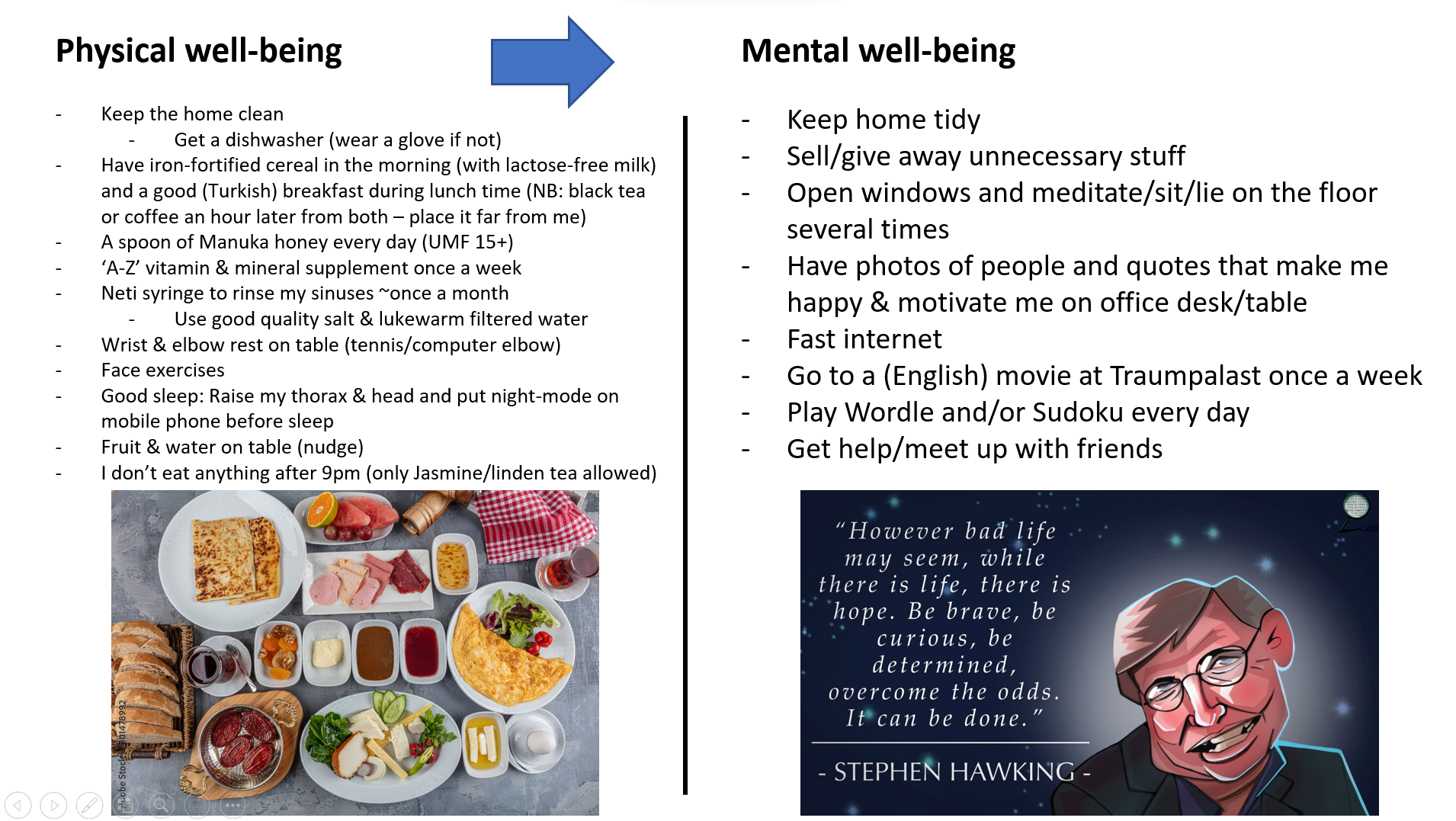
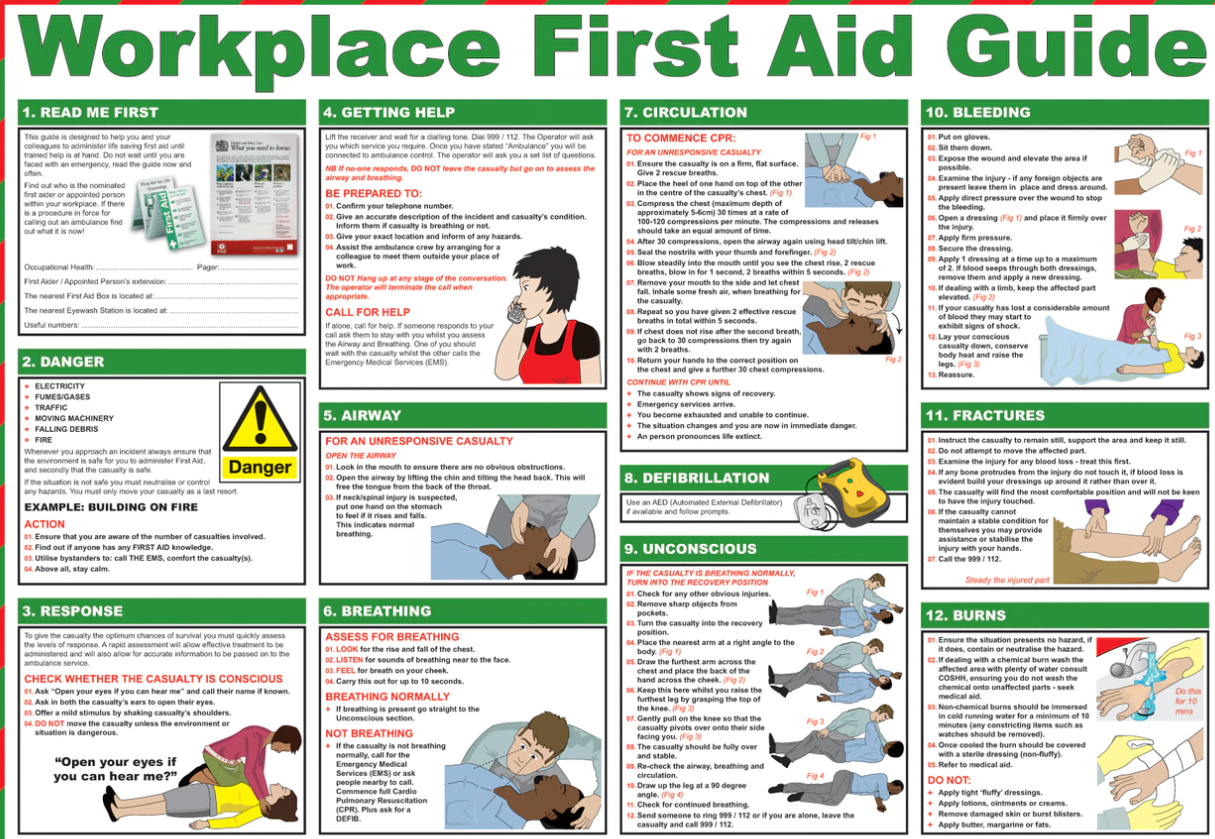
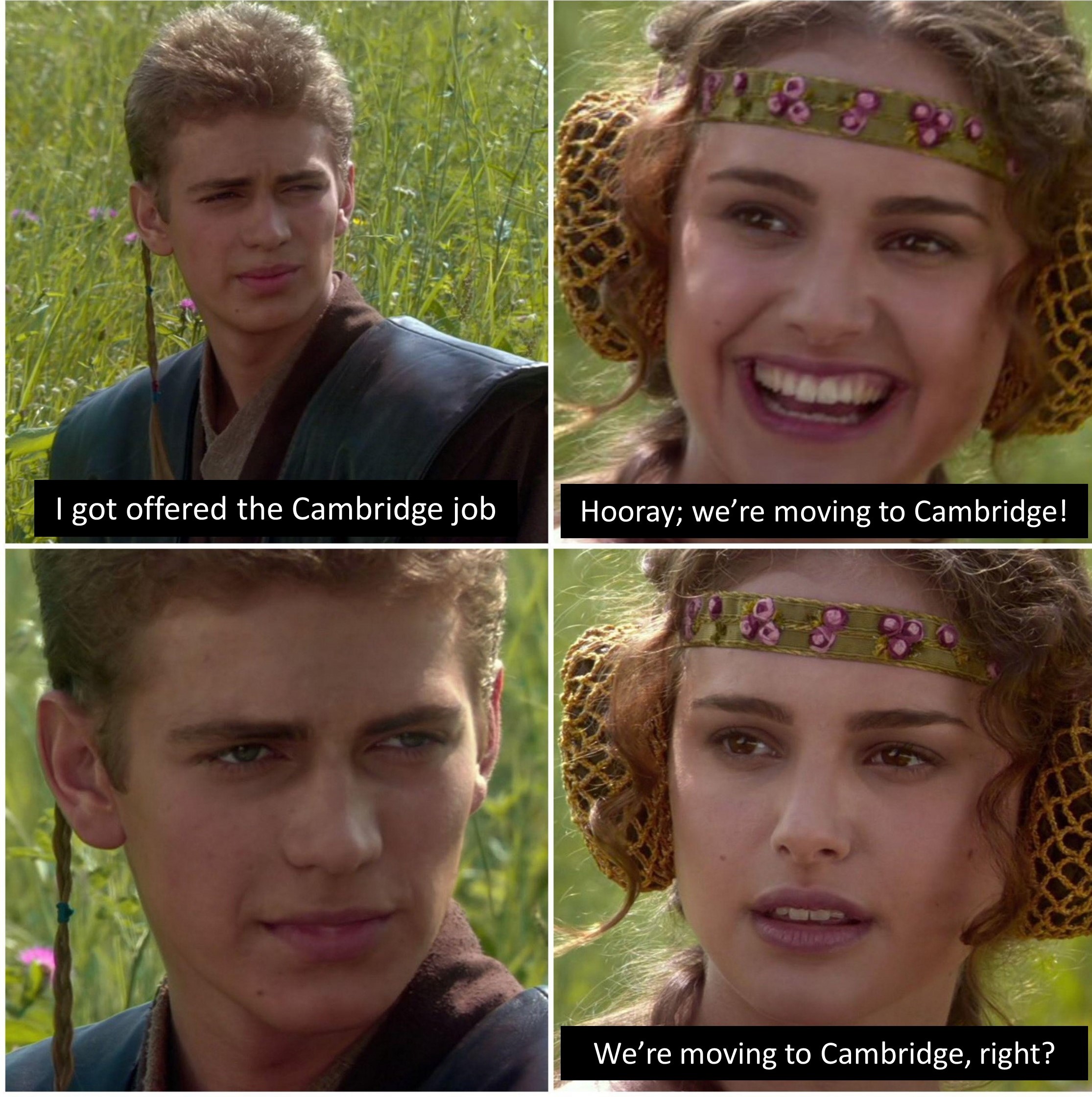
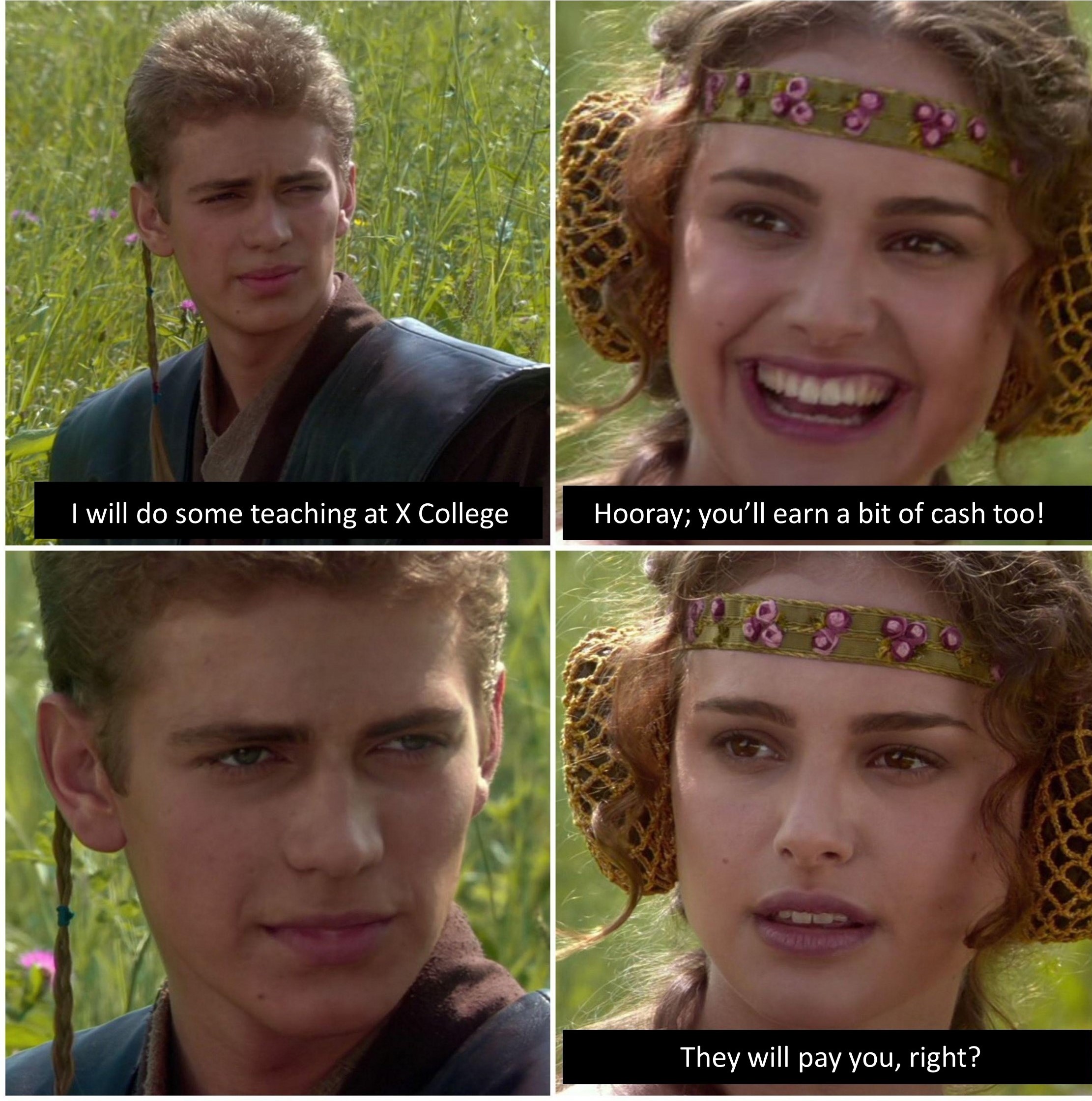

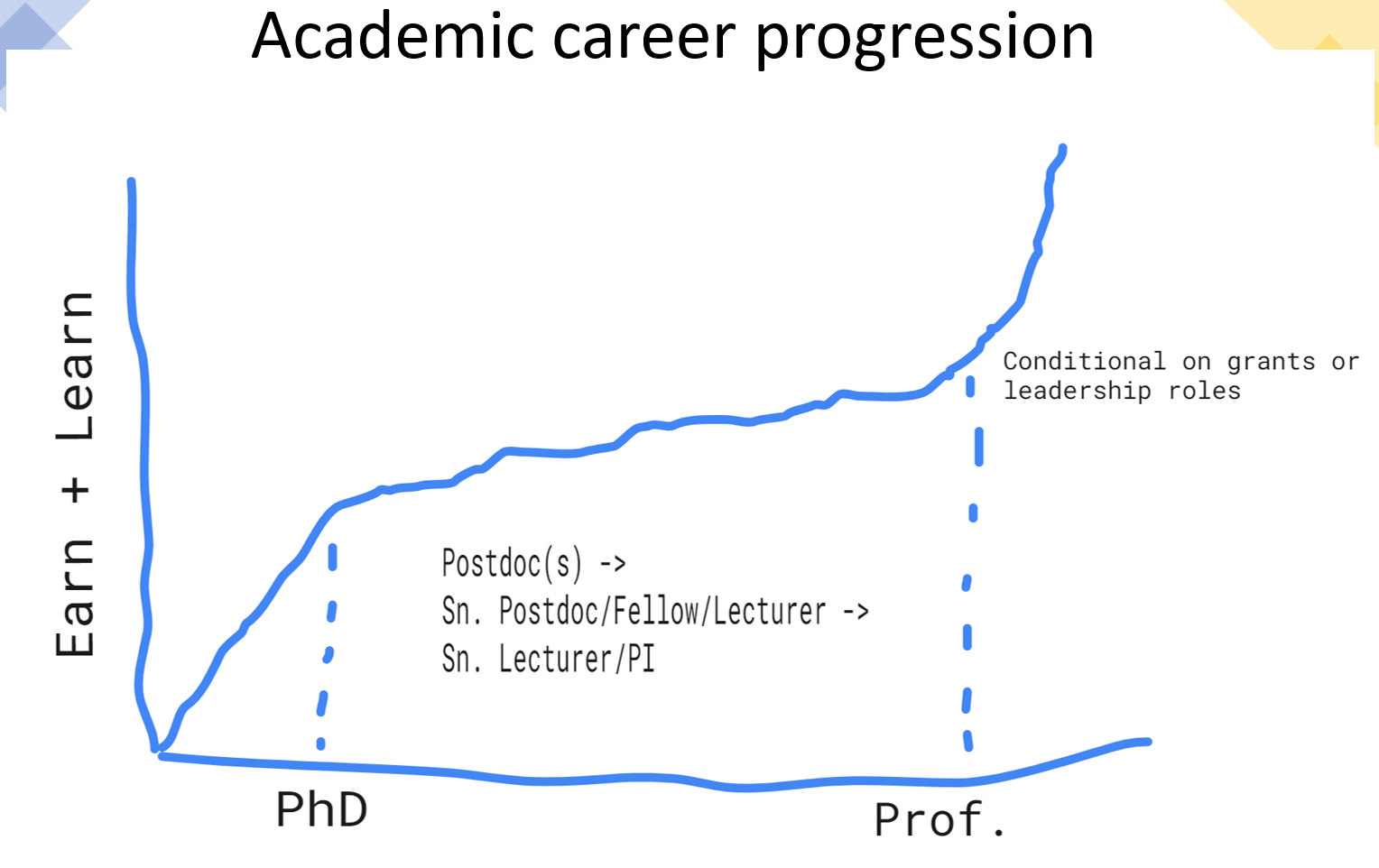

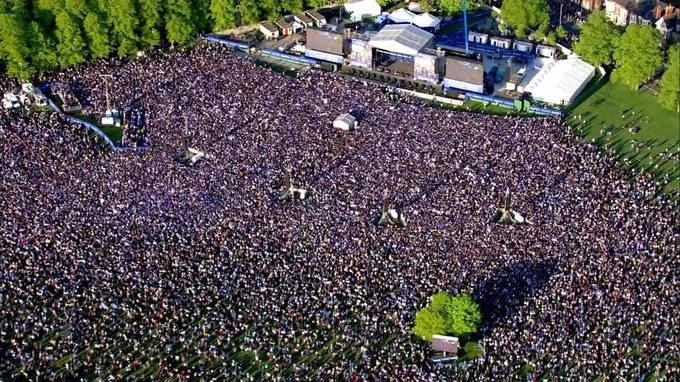


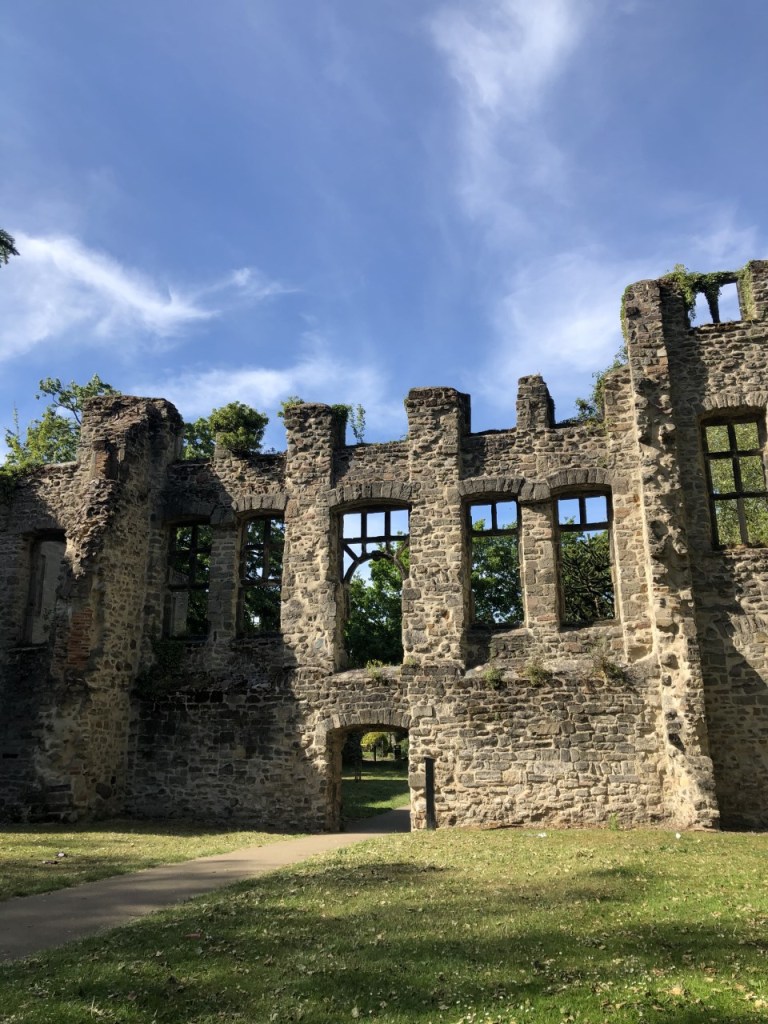
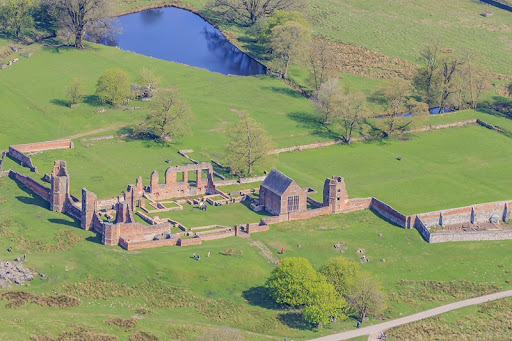


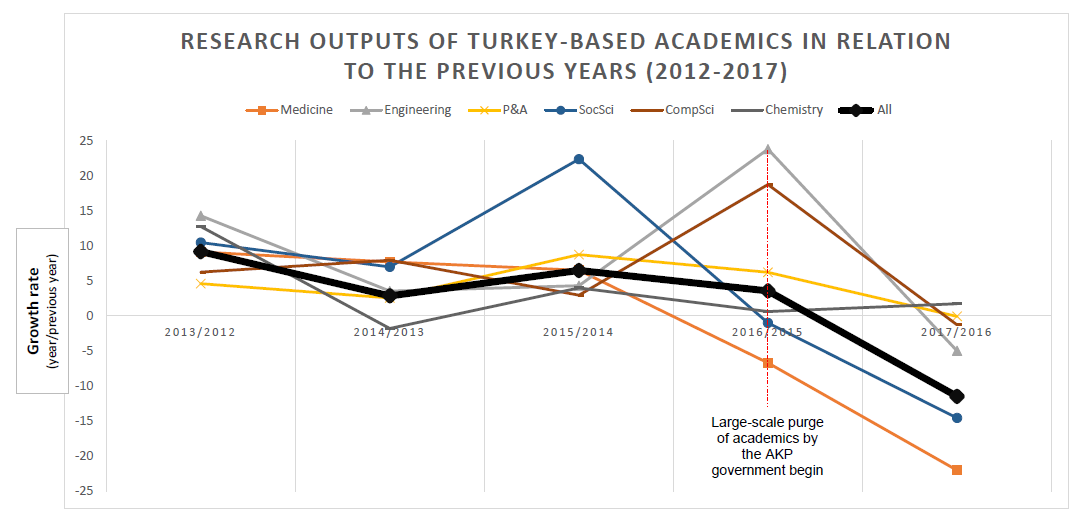
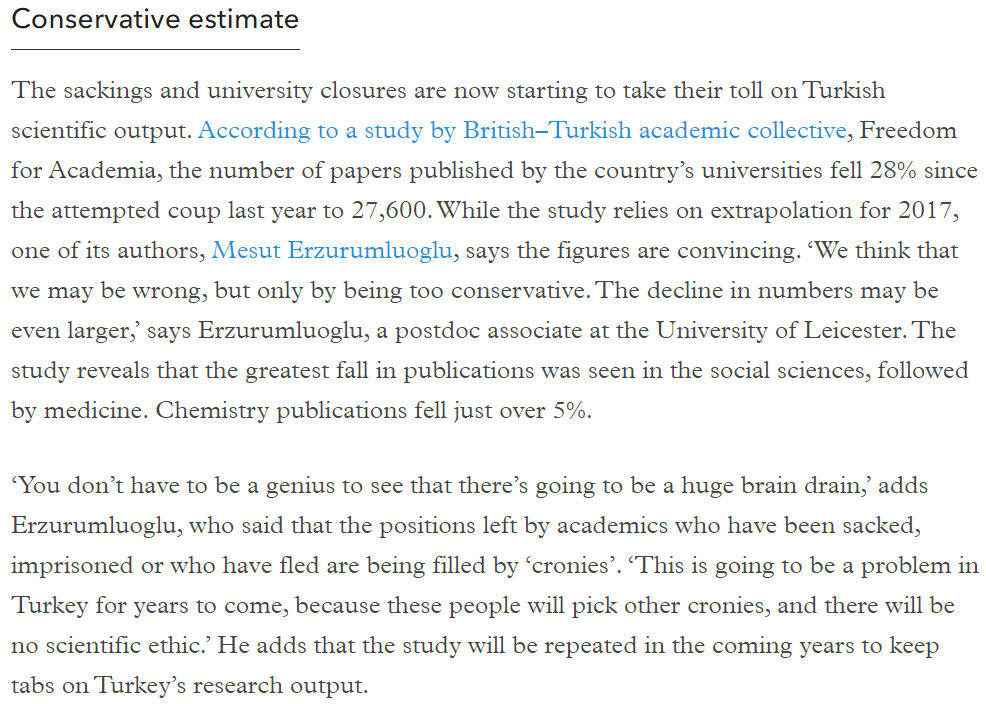
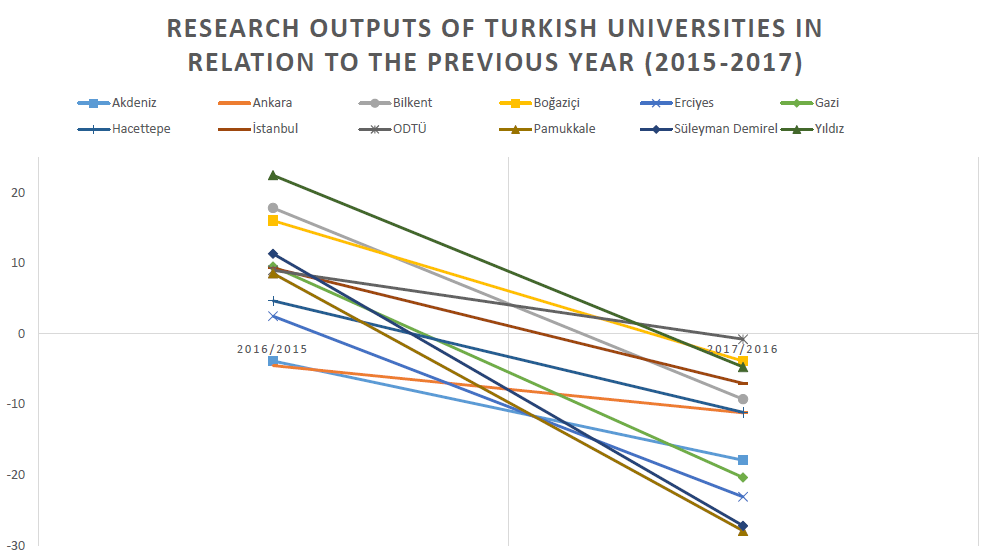
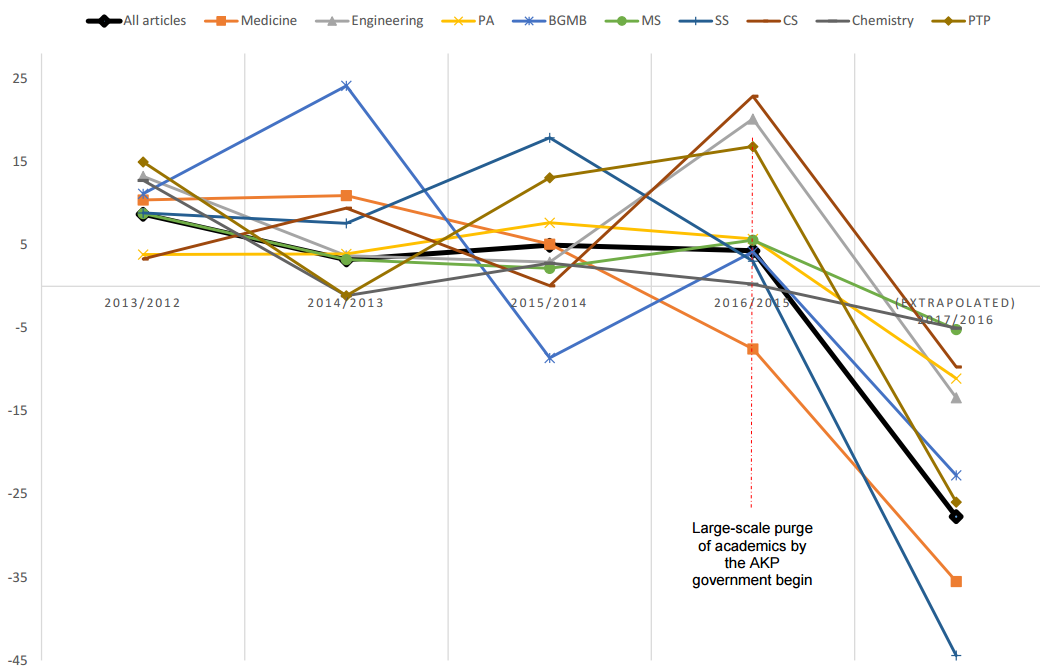
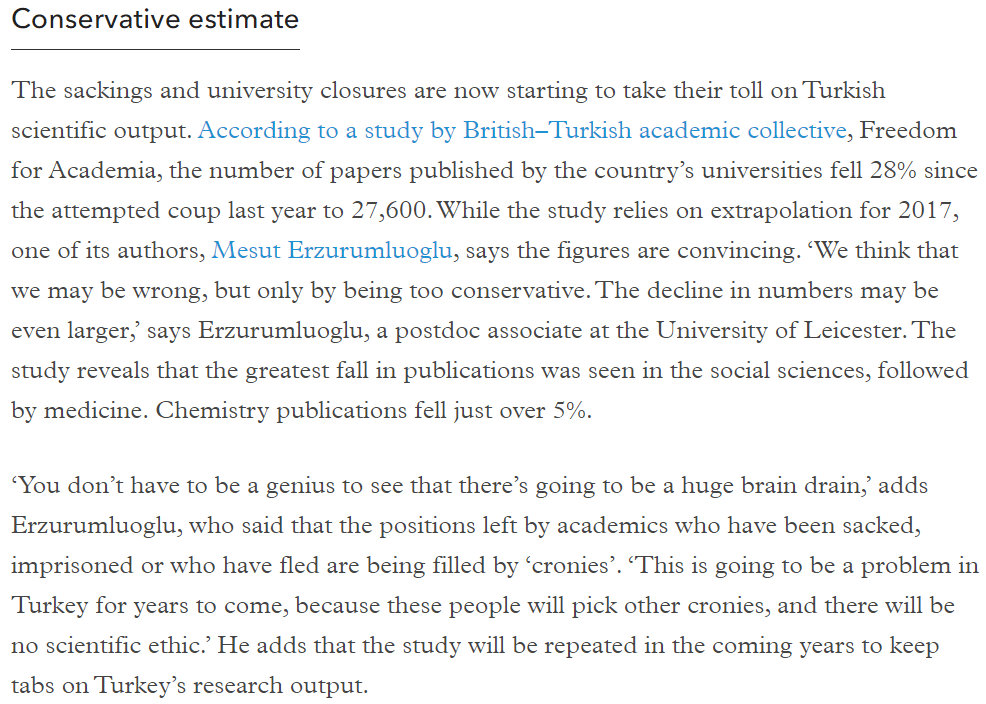

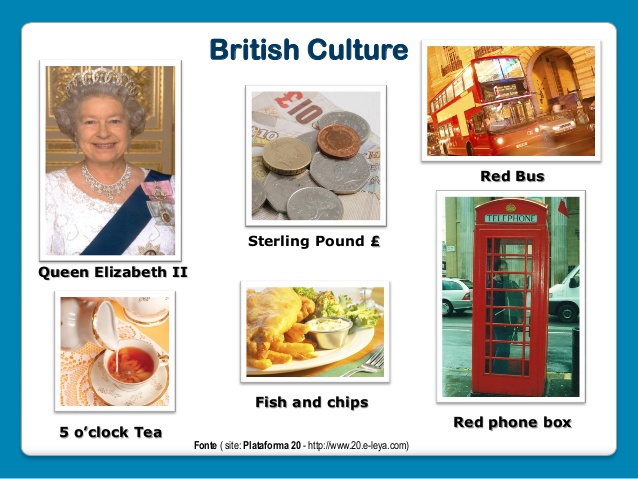




 An ordinary blog by an ordinary bloke