SHORT ACADEMIC BIOGRAPHY

I am currently a Principal Scientist (Bioinformatics) at Bicycle Therapeutics. Before this, I was a Senior Scientist and Product Owner in the Comp. Biology department of Boehringer Ingelheim Pharma. I mainly contribute(d) to drug target identification, (in)validation and repurposing efforts utilising large-scale human genetics/omics and biobank/health data (see ‘Experience’ section of my LinkedIn profile for details).
In my academic career, I worked as a Sn. Research Associate (Point 49) at the MRC Epidemiology Unit, University of Cambridge (Jan 2019-Sept 2021), where we mainly studied the genetic aetiology of common metabolic disorders such as type-2 diabetes and obesity; and as a Research Associate at the University of Leicester (Nov 2015-Jan 2019), where we were mainly interested in the genetic aetiology of common respiratory diseases (e.g. chronic obstructive pulmonary disease) and related traits (e.g. lung function, smoking behaviour, blood pressure). I did a PhD in Genetic Epidemiology at the University of Bristol (with 4-year full scholarship from the MRC between Feb 2012-Dec 2015) where I mainly analysed whole-exome sequencing data obtained from consanguineous individual/families, and tried to identify (novel) causal variants of rare human diseases (e.g. Primary ciliary dyskinesia, Papillon-Lefevre syndrome). In addition to the above, I also took part in many Population genetics-related projects.
I obtained a BSc in ‘Biological Sciences (Genetics)’ in 2011 from the University of Leicester (final-year supervisor: Prof. Annette Cashmore); and prior to this, obtained A levels in Maths (Grade: A), Further Maths (B), Biology (B), Physics (B) and Electronics (A) from the Wyggeston & Queen Elizabeth I College (Leicester).
Continued below…
Mankind will probably cure all diseases except greed, the biggest killer.
— Mesut Erzurumluoğlu (@mesuturkiye) June 3, 2017

Below, I will share the PowerPoint slides I put together for some of my (mostly Genetics/Genetic Epidemiology based) lecture/talks and make them available for use by anyone. I have also made available notes underneath some of the slides for clarification. Feel free to contact me about the contents of the slides.
Although I have a relatively short academic career (i.e. I finished my PhD in 2016), I, with a lot of help from my colleagues, have published quite a few notable papers in the fields of common disease genetics (e.g. GWASs of smoking behaviour and lung function related traits), rare disease genetics (e.g. Primary ciliary dyskinesia, Papillon-Lefevre syndrome), statistical genetics (e.g. LD Hub), and population genetics (both Y-DNA and mtDNA haplogroups). You can view a list of my academic publications via my Google Scholar page or my CV. Re-iterating what I am passionate about Open science and thus, I’d be happy to have discussions/collaborations in clinical genetics, genetic epidemiology, consanguinity and related areas with anyone.
My PhD Thesis
Title: Population and Family based studies of Consanguinity: Genetic and Computational approaches (26/01/16) – 337 page document (excl. appendices, references and preface)
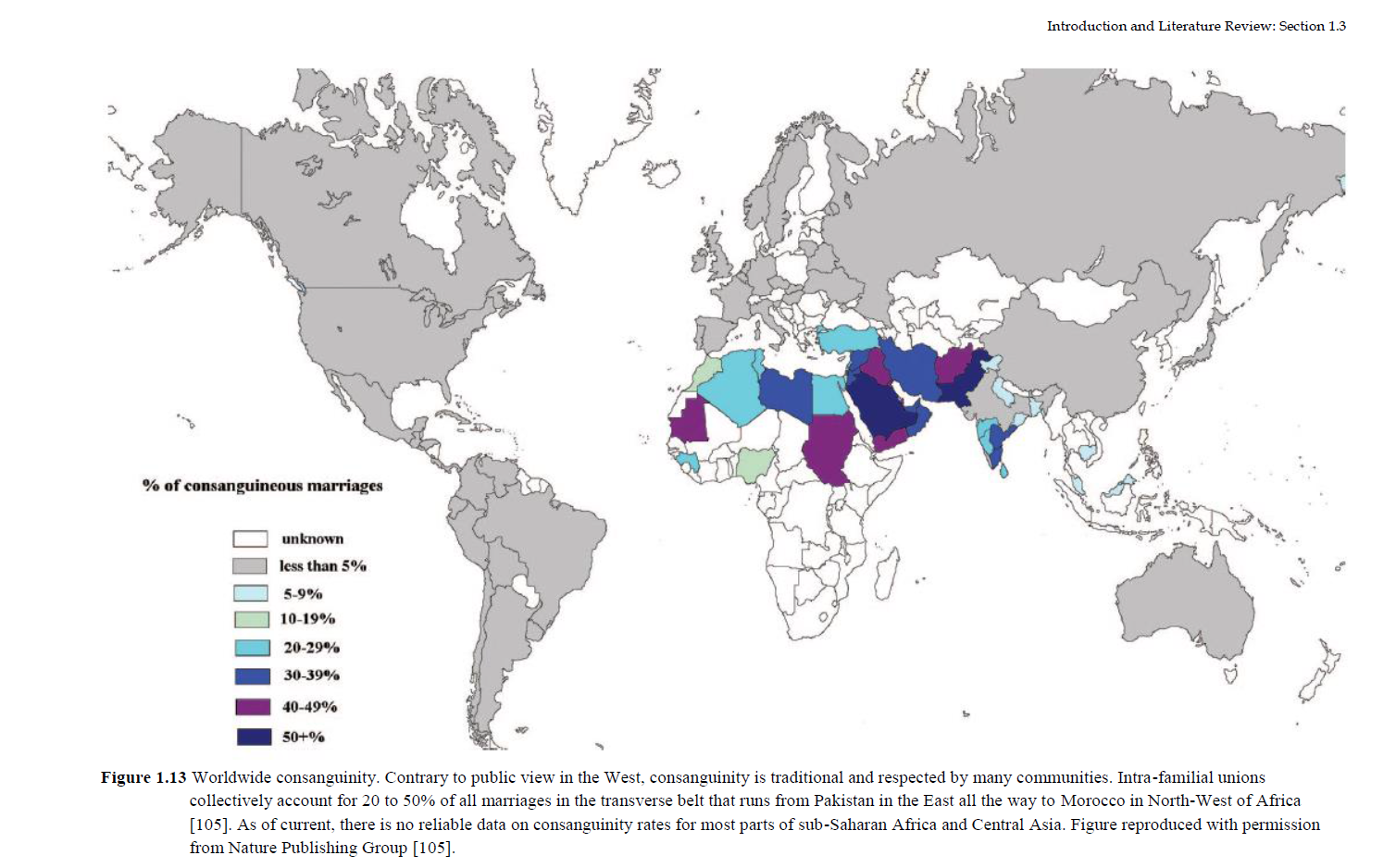
PhD Thesis: Mesut_Erzurumluoglu_PhD_Thesis_Oct_2015_redacted_version
Talks/Lectures (in Reverse Chronological order)
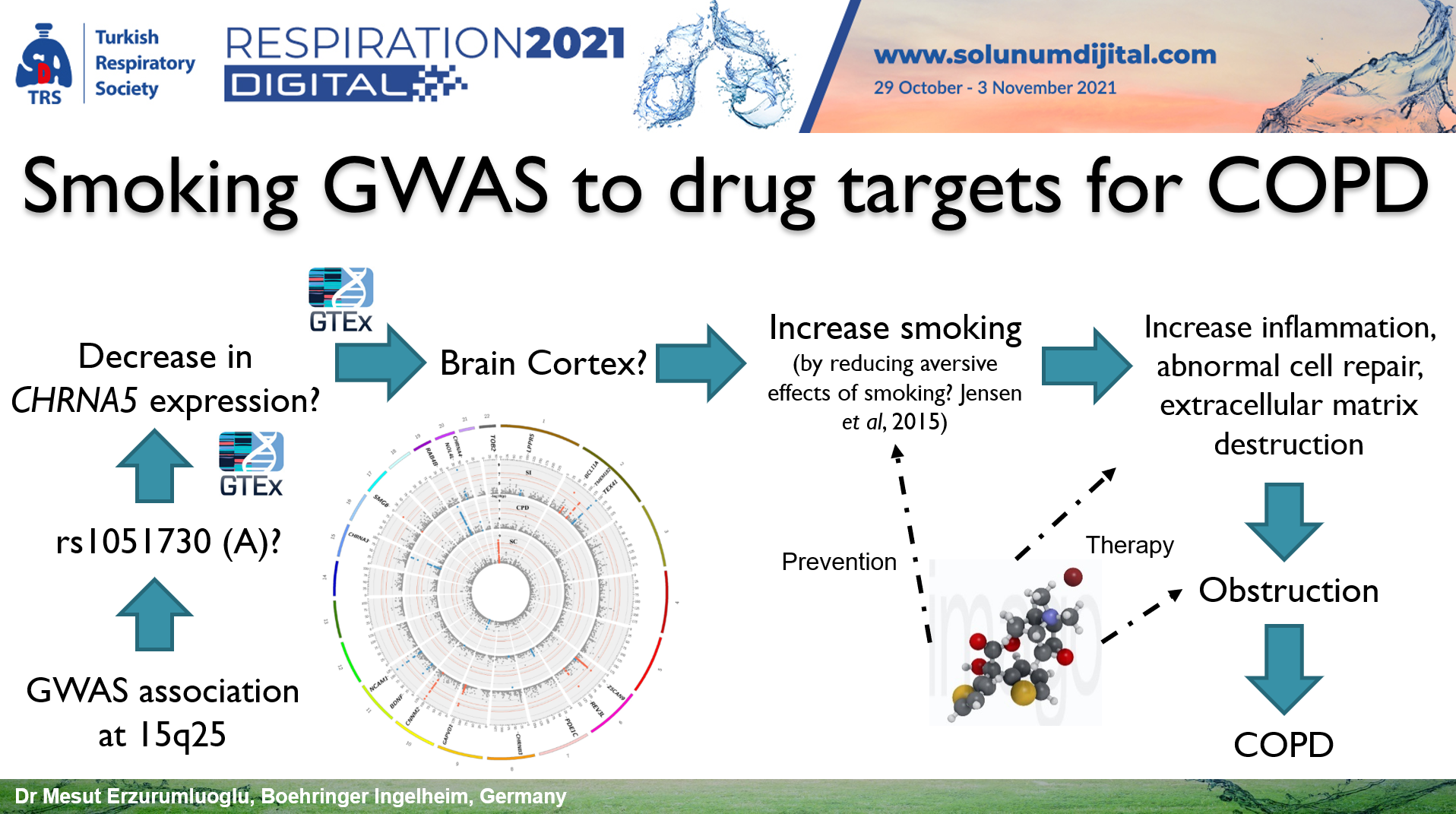
Invited talk: Leveraging human genetics data to guide drug target validation (31/10/21) – 20 minute presentation at Respiration 2021
Review of paper: Effects of apolipoprotein B on lifespan and risks of major diseases including type 2 diabetes: a mendelian randomisation analysis using outcomes in first-degree relatives (03/06/21) – 1 hour presentation/discussion at the University of Cambridge (MRC Epidemiology Unit – Genetics Forum/Journal club)

Review of paper: Exome sequencing and characterization of 49,960 individuals in the UK Biobank (05/11/20) – 1 hour presentation/discussion at the University of Cambridge (MRC Epidemiology Unit – Genetics Forum/Journal club)
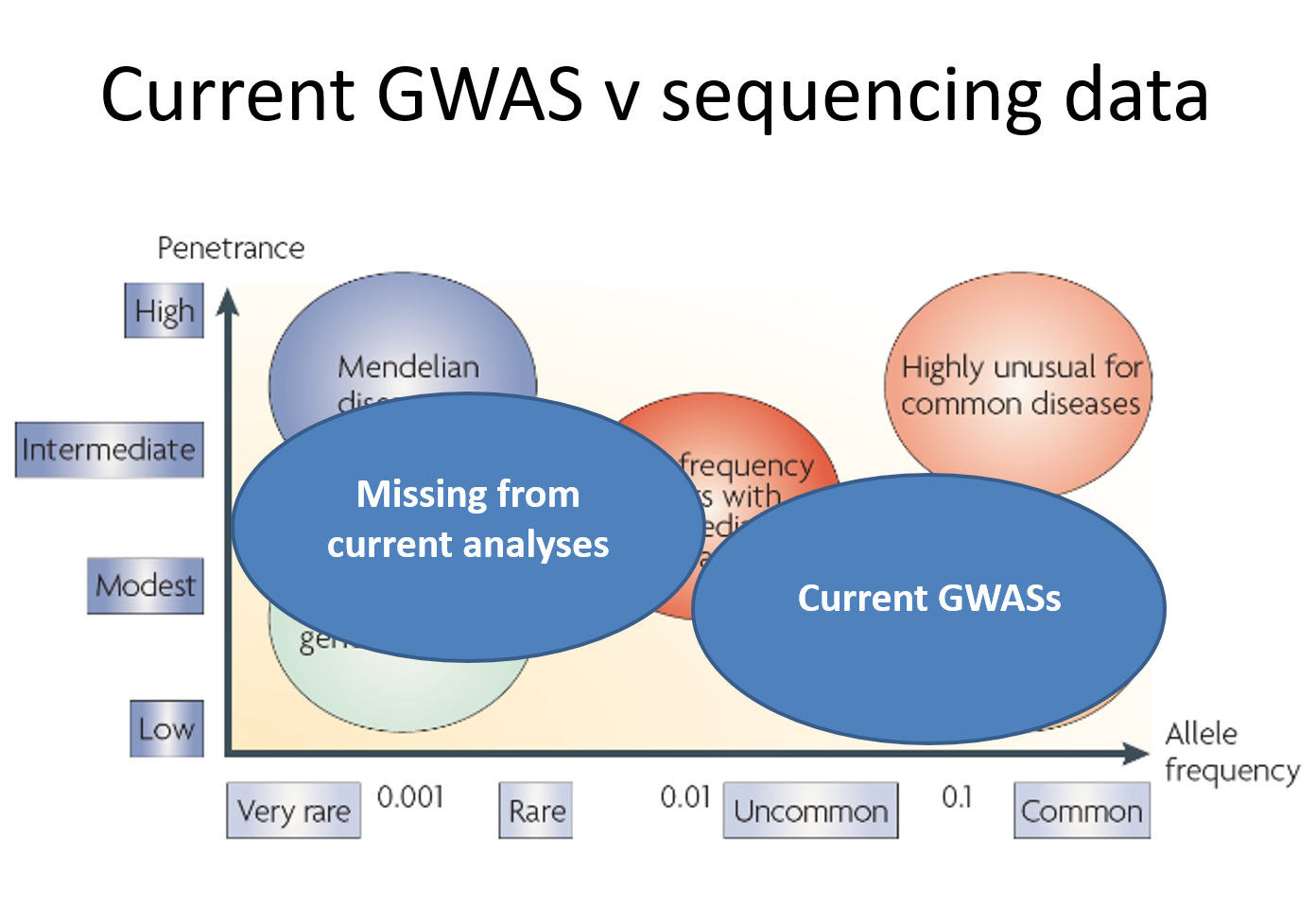
Review of paper: GWAS of three molecular traits highlights core genes and pathways alongside a highly polygenic background (14/05/20) – 1 hour presentation/discussion at the University of Cambridge (MRC Epidemiology Unit – Genetics Forum/Journal club)

Review of paper: Deep learning sequence-based ab initio prediction of variant effects on expression and disease risk (03/10/19) – 1 hour presentation/discussion at the University of Cambridge (MRC Epidemiology Unit – Genetics Forum/Journal club)

Genome-wide association studies (GWASs), and Consanguinity (08/04/19) – 1 hour presentation at the University of Cambridge (MRC Epidemiology Unit – ‘WIP’ talk)

Slides: WIP_seminar_Mesut_08_04_19
Review of paper: An atlas of polygenic risk score associations to highlight putative causal relationships across the human phenome (28/11/18) – 1 hour presentation/discussion at the University of Leicester (Genetic Epidemiology group – Journal club)

Slides: PRS_atlas_BioRxiv_paper_Journal_Club_Mesut_28_11_18
Ingiltere’de akademik kariyer serisi (‘Academic career in the UK’ series) (19/07/18-21/09/18) – Eight part series consisting of 1 hour talks to (Turkish) PhD students at the University of Leicester
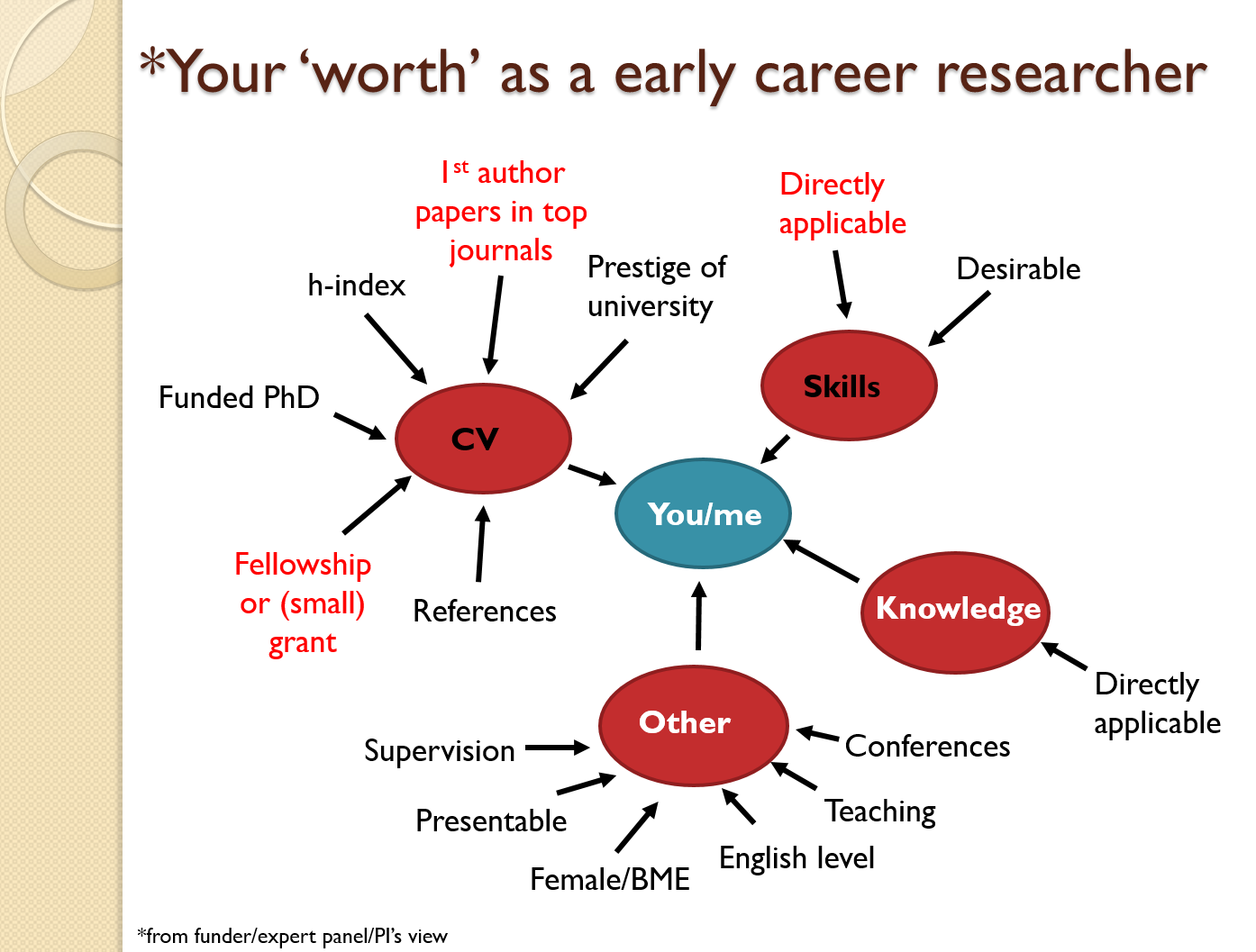
Slides: Ingiltere’de akademik kariyer serisi_Mesut_Erzurumluoglu_19_07_18
Ideas session: Machine Learning and Deep Learning in Genetic Epidemiology (12/09/18) – 1 hour presentation/discussion at the University of Leicester (Genetic Epidemiology group – Journal club)
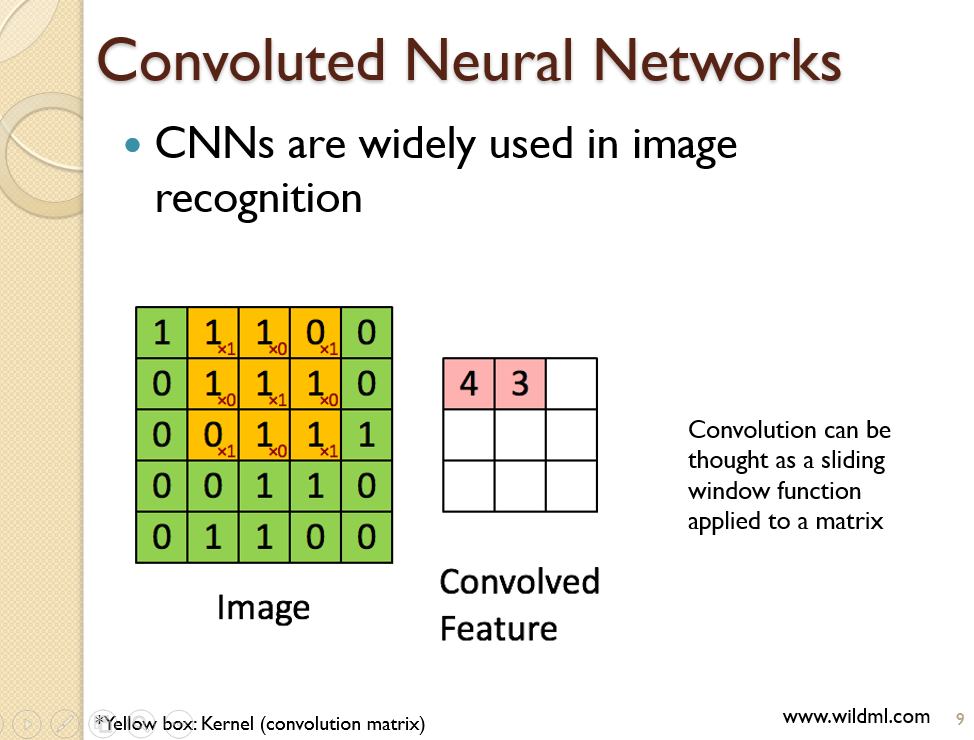
Slides: ML_Ideas_session_Mesut_Erzurumluoglu_12_09_18
Review of paper: Genetic effects on gene expression across human tissues (11/07/18) – 1 hour presentation/discussion at the University of Leicester (Genetic Epidemiology group – Journal club)
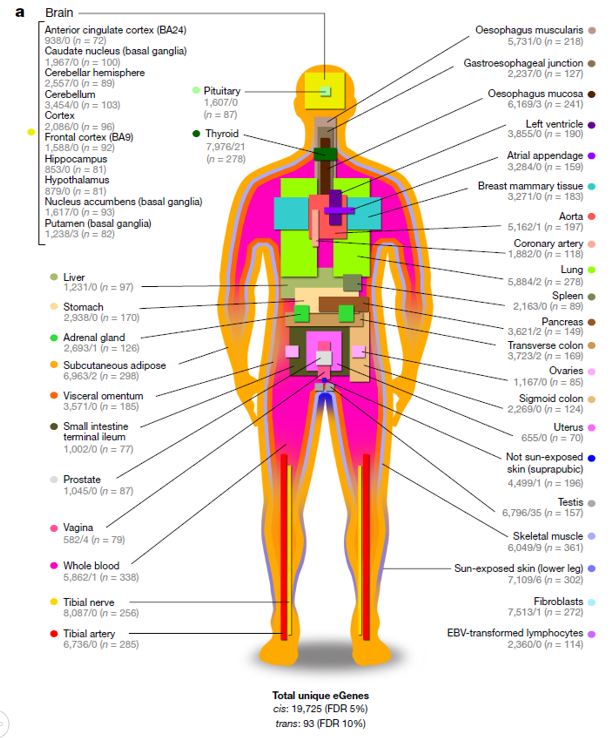
Slides: GTEx_Oct_2017_paper_Journal_Club_Mesut_11_07_18
Postgraduate away-day (16/05/18) – 20 minute presentation at the University of Leicester (Dept. of Health Sciences – see #HeSPoF2018)
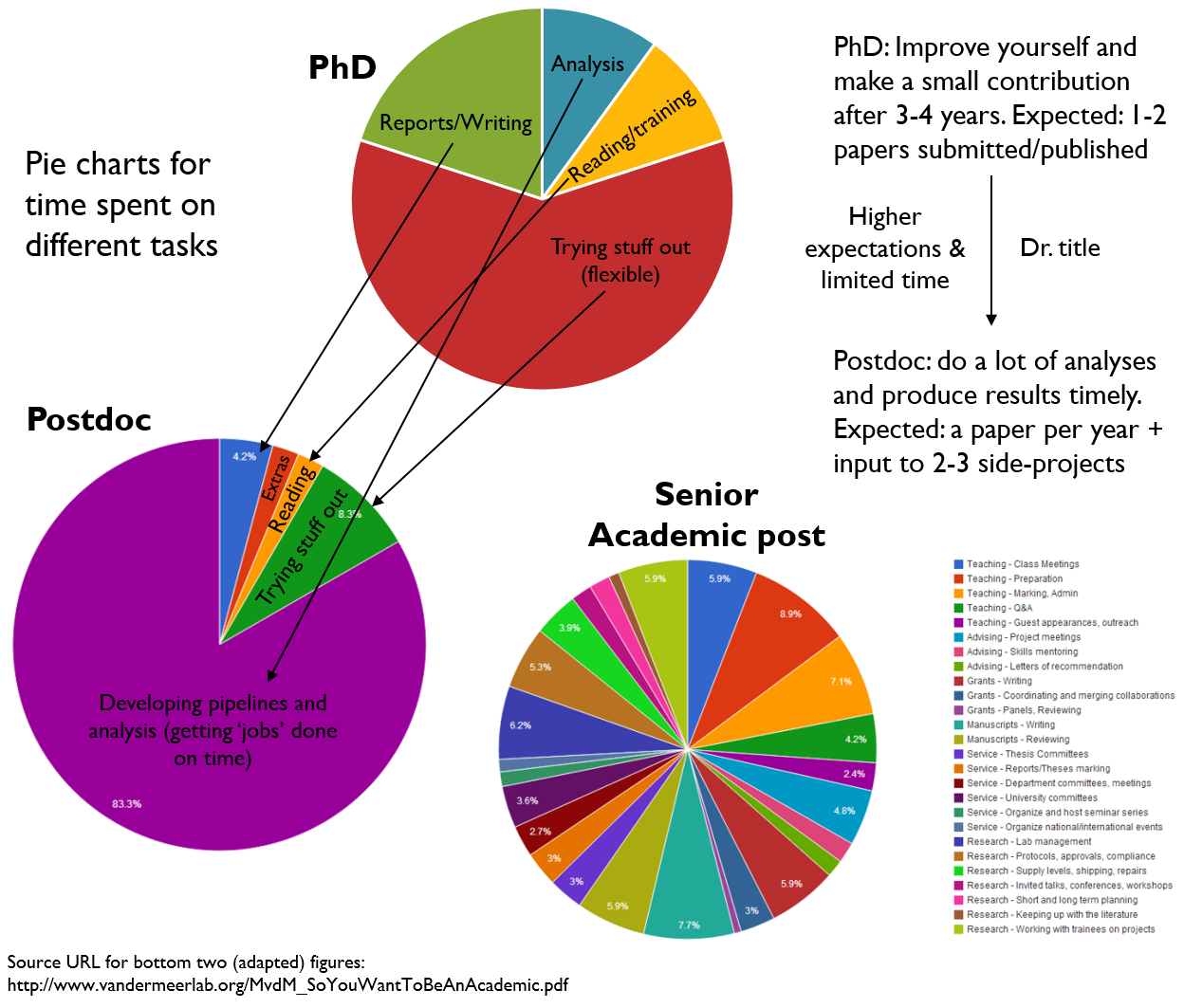
Slides: Postgrad_away_day_Mesut_16_05_18
Ideas session: Versatility and meeting deadlines in data science (09/05/18) – 30 minute presentation/discussion at the University of Leicester (Genetic Epidemiology group – Journal club)
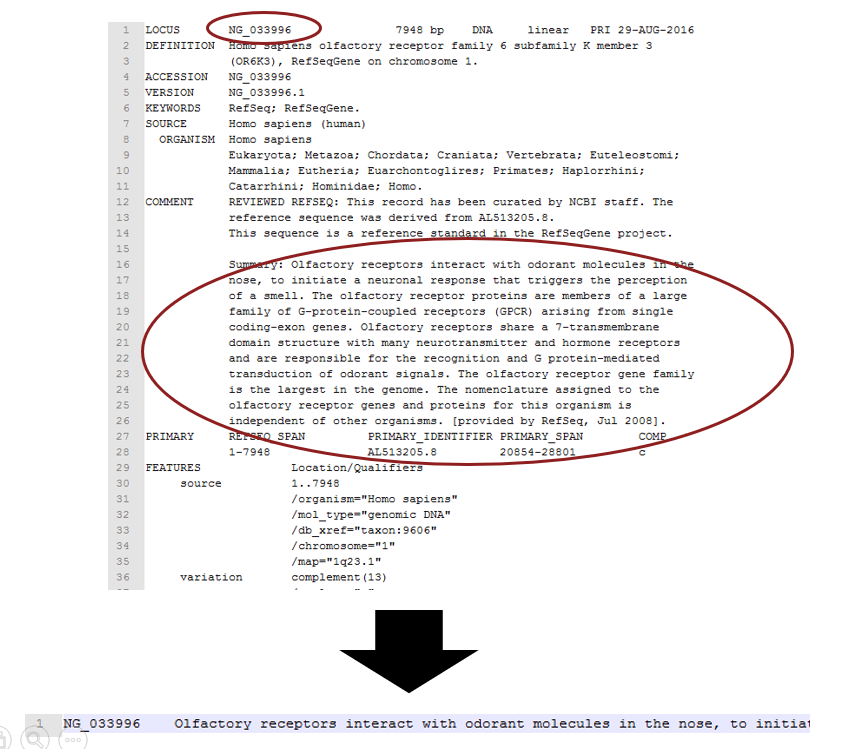
Slides: Programming_themed_Ideas_Session_Mesut_09_05_18
Review of paper: Predicting effects of noncoding variants with deep learning–based sequence model (23/08/17) – 2 hour presentation/discussion at the University of Leicester (Genetic Epidemiology group – Journal club)
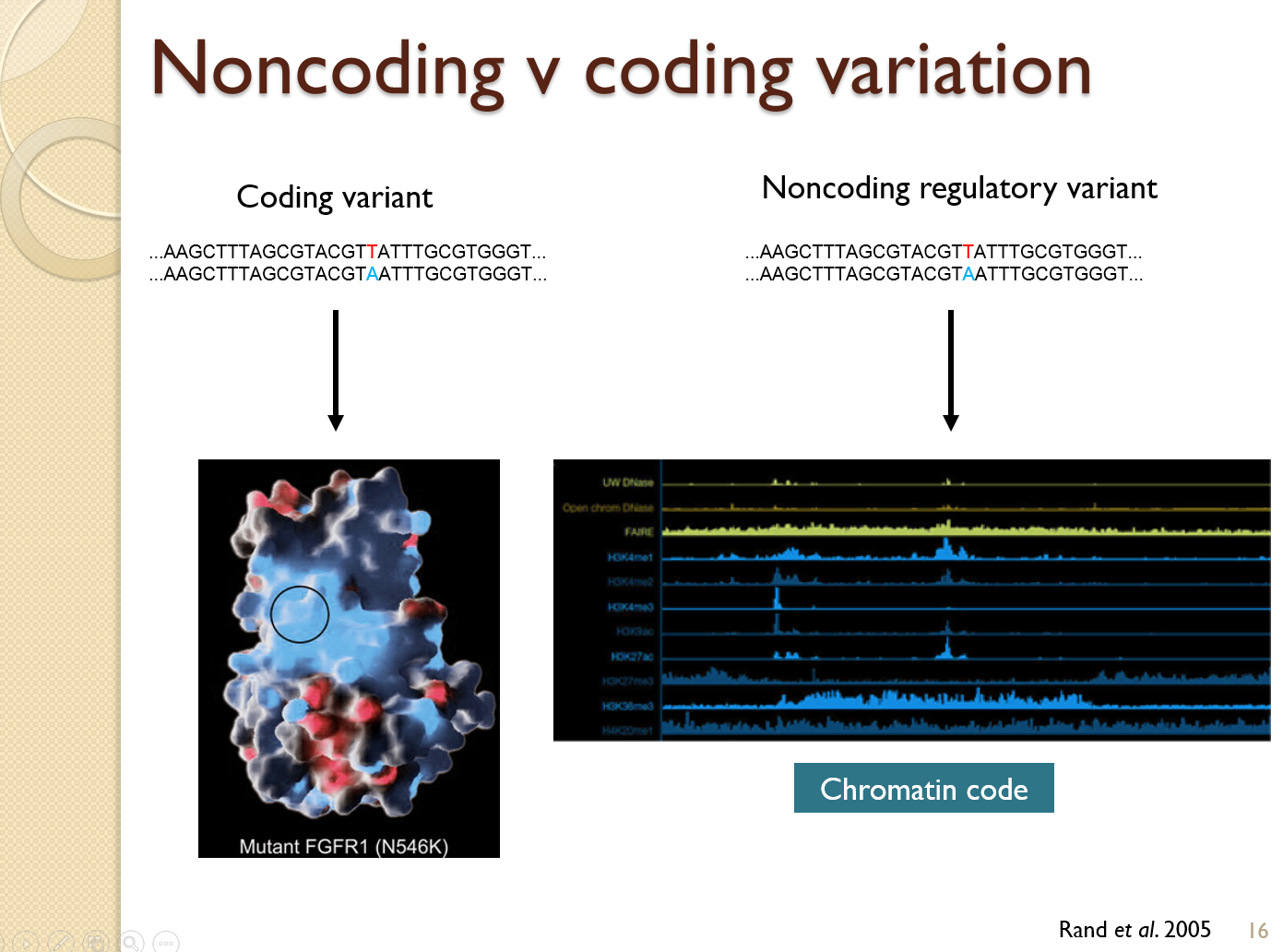
Slides: DeepSEA_Journal_Club_Mesut_23_08_17
‘Smoking Exome-chip’ project – Exome-chip meta-analysis of four smoking behaviour-related traits (11/05/17) – 1 hour talk at the University of Leicester (Dept. of Health Sciences)
Contents: (i) Intro to Genetic Epidemiology, (ii) Intro to Smoking and genetic association studies, (iii) Preliminary results
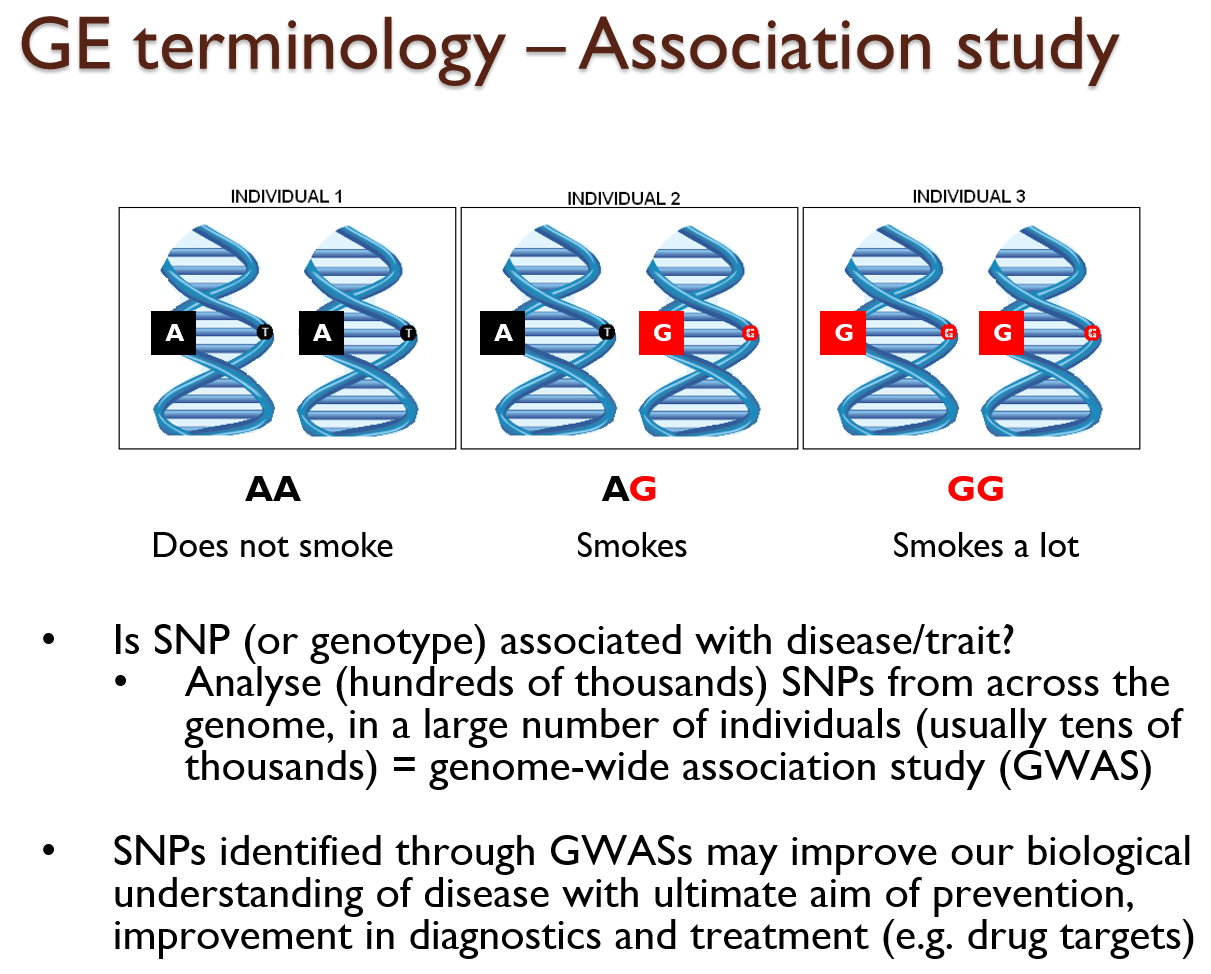
Slides: EpiStats_talk_Smoking_exome_chip_Mesut_Erzurumluoglu_11_05_17
Ideas session: Mendelian randomisation approach to analysing causal association of deodorant-use with common diseases (10/05/17) – 30 minute presentation/discussion at the University of Leicester (Genetic Epidemiology group – Journal club)
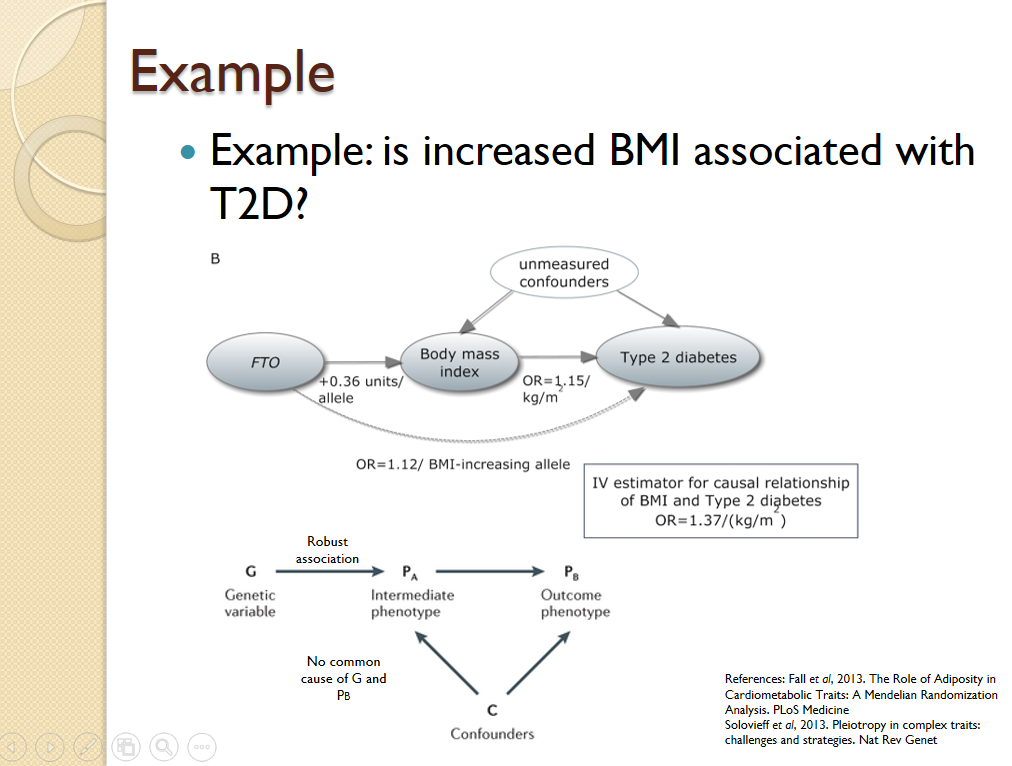
Slides: Deodorant_use_MR_Ideas_Journal_Club_Mesut_10_05_17
Ideas session: How long would it take for a disease-causal SNP(s) to cause disease on its own? (26/04/17) – 30 minute presentation/discussion at the University of Leicester (Genetic Epidemiology group – Journal club)

Slides: SNP_time_disease_Ideas_Journal_Club_Mesut_26_04_17
Review of paper: LD Hub: a centralized database and web interface to perform LD score regression that maximizes the potential of summary level GWAS data for SNP heritability and genetic correlation analysis (08/03/17) – 1 hour presentation at the University of Leicester (Genetic Epidemiology group – Journal club)
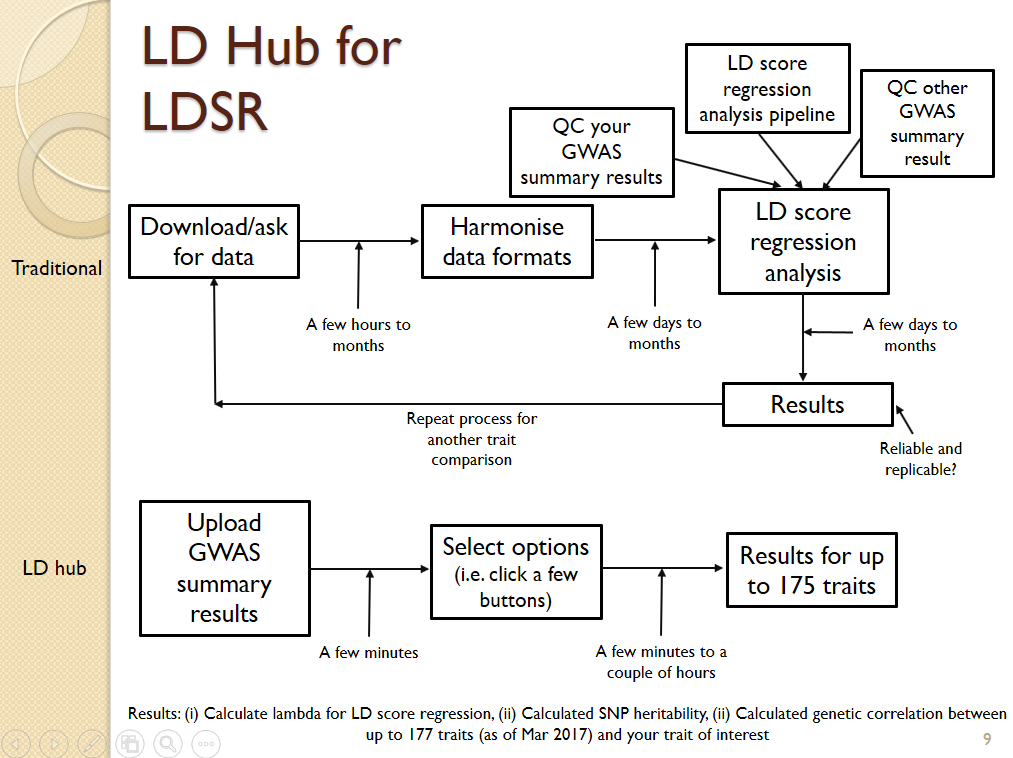
Slides: LD-Hub_Journal_Club_Mesut_08_03_17
Ideas session: Testing for directional dominance in (human) quantitative traits (25/01/17) – 30 minute presentation/discussion at the University of Leicester (Genetic Epidemiology group – Journal club)
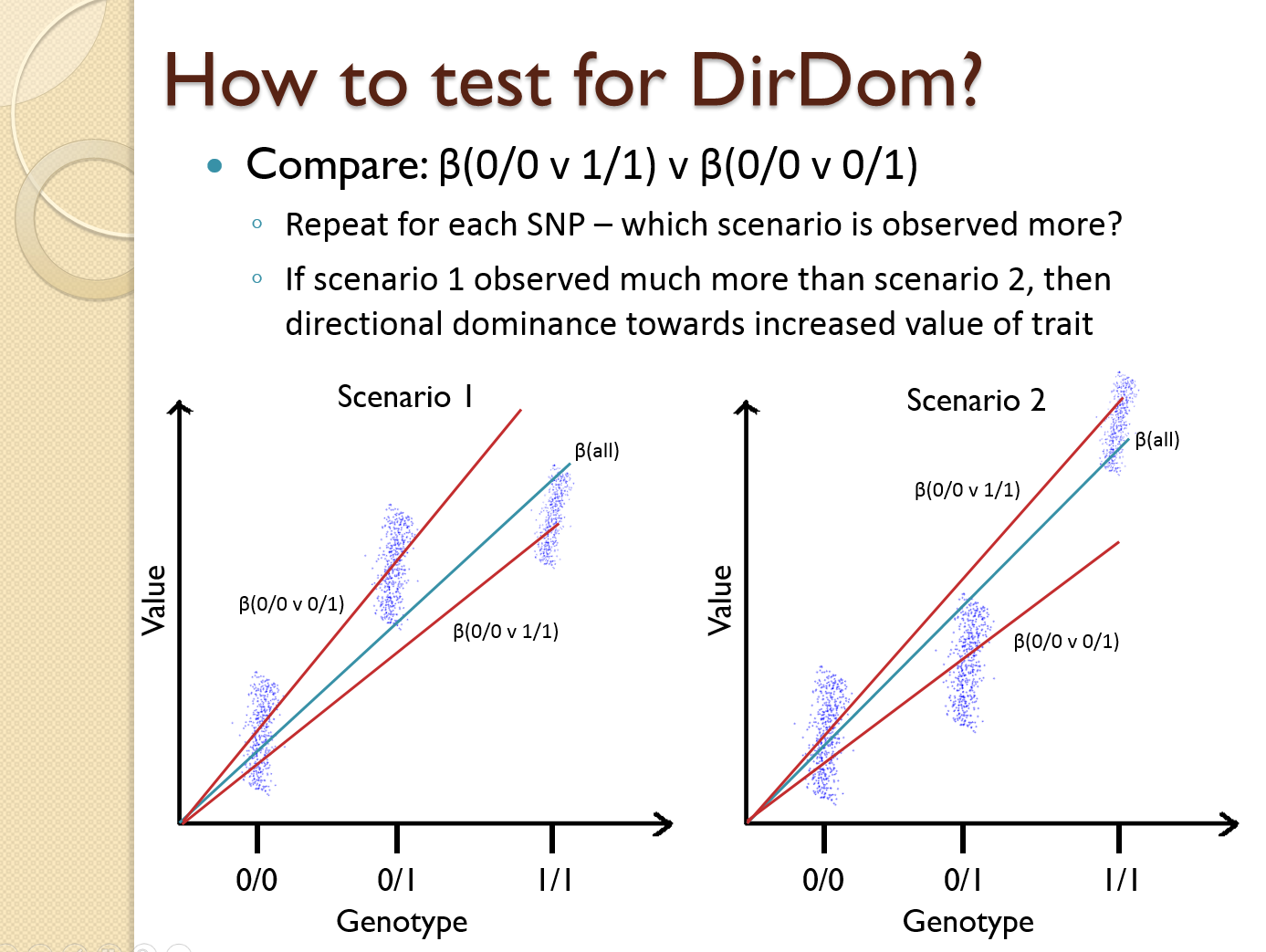
Slides: directional_dominance_ideas_journal_club_mesut_25_01_17
Review of paper: HAPRAP – a haplotype-based iterative method for statistical fine mapping using GWAS summary statistics (21/09/16) – 1 hour presentation at the University of Leicester (Genetic Epidemiology group – Journal club)

Slides: haprap_journal_club_mesut_21_09_16
Review of paper: Using Y chromosomal haplogroups in genetic association studies and suggested implications (15/06/16) – 1 hour presentation at the University of Leicester (Genetic Epidemiology group – Journal club)

Slides: Y-DNA_haplogroups_Journal_Club_Mesut_15_06_16
Career in Genetic Epidemiology and academia (02/05/16) – 1 hour talk at the Qafqaz University (IV International Scientific Conference of Young Researchers)

Slides: Qafqaz_Univ_students_Postdoctoral_Res_Assoc_Mesut_02-05-16
Consanguinity and Genetics (10/03/16) – 1 hour talk at the University of Leicester (Dept. of Health Sciences)
Contents: (i) Intro to Consanguinity, (ii) Genetic effects of consanguinity per se, (iii) Quasi-reverse genetics studies, and (iv) Rare disease studies
Key words: Quasi-reverse genetics studies, Human knockouts, Consanguineous populations, Loss of function variants, AutoZplotter, Autozygosity mapper, Proxy molecular diagnosis, Primary ciliary dyskinesia, Papillon-Lefevre syndrome, Intellectual disability, CCDC151, DNALI1, MNS1, DNAAF3, HEATR2, CTSC

Slides: PhD_AHS_Seminar_presentation_Mesut_10_03_16
Interested in following your curiosity? (10/02/16) – 30 minute talk at the University of Leicester (Careers after Biological Sciences series)
Contents: (i) What is a Postdoc? (ii) Why I chose academia? (iii) How I got to where I am?
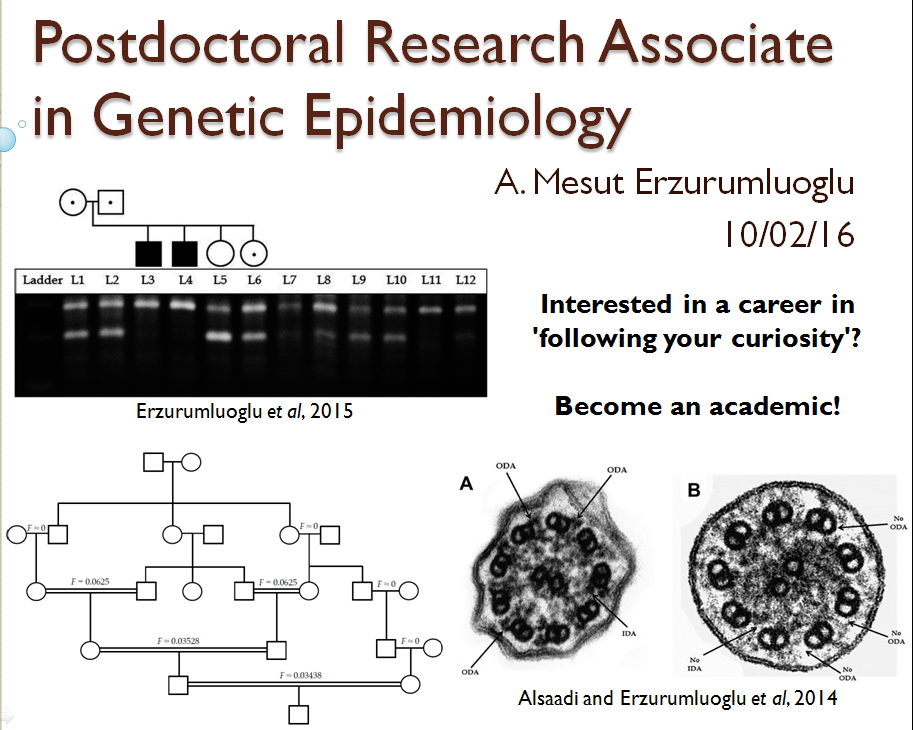
Slides: CABS_Postdoctoral Research Associate_Mesut_10-02-16
Review of paper: Identification of a large set of rare complete human knockouts in the Icelandic population (27/01/16) – 1 hour presentation at the University of Leicester (Genetic Epidemiology group – Journal club)
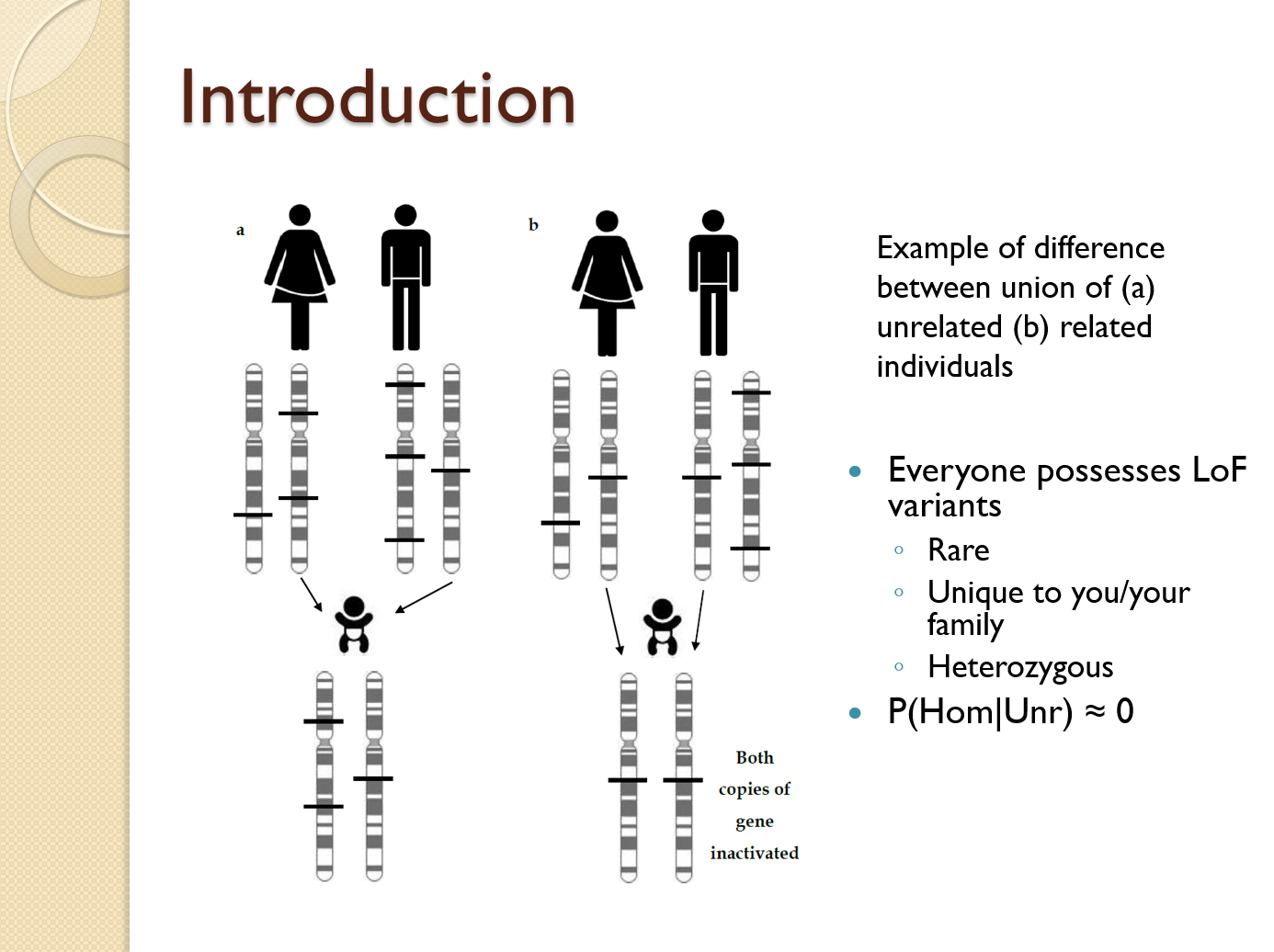
Slides: Iceland_Human_Knockouts_Journal_Club_Mesut_27_01_16
Identifying Mendelian disease causal variants (17/04/15) – 1 hour lecture followed by an hour long practical at the University of Bristol (School of Social and Community Medicine – Shortcourse)

Slides: Identifying_causal_variants_2015_Mesut
Practical_file_Mesut – For use in Practical session
Mendelian Inheritance (25/03/14 & 13/04/15) – Two 1 hour lectures at the University of Bristol (School of Social and Community Medicine – Shortcourse)
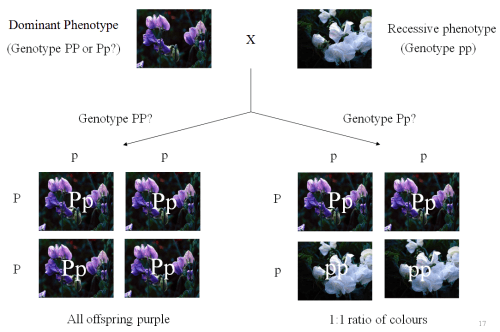
Slides: Mendelian_Inheritance_2014_Mesut – 2014 version is a little longer with additional ‘linkage’ concept slides
Slides: Mendelian_Inheritance_2015_Mesut
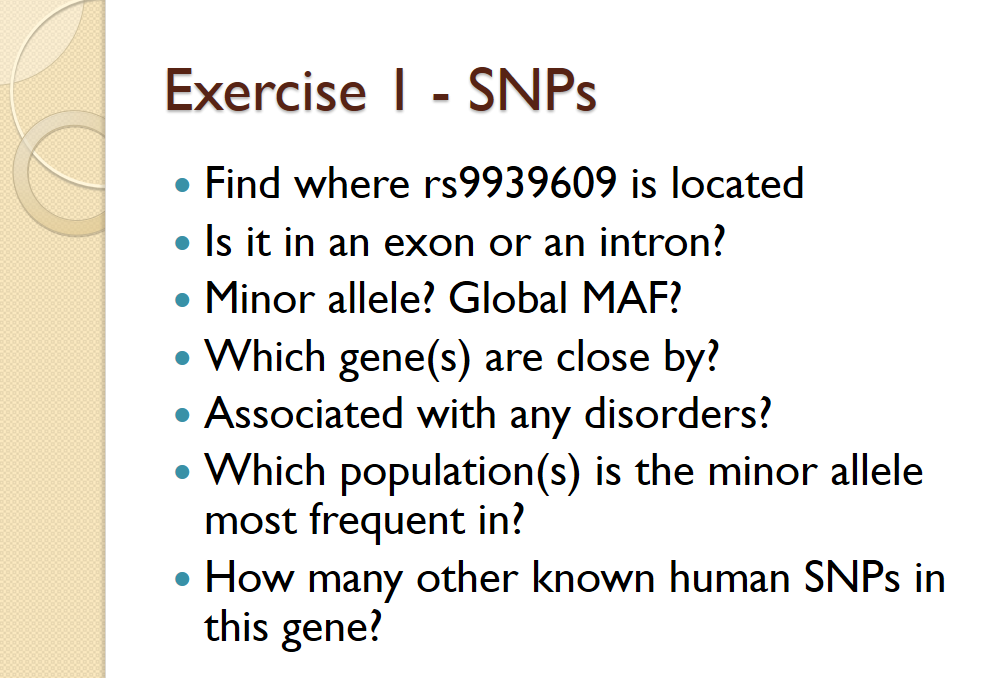
DNA Sequence, SNP and Mutation databases (25/03/14) – 1 hour lecture at the University of Bristol (School of Social and Community Medicine – Shortcourse)
 An ordinary blog by an ordinary bloke